How to pack antique furniture?
How to pack antique furniture?

Enter at least 3 characters.
Moving with a terrarium requires special attention and planning to protect your plants and animals during transport. In this guide, we will thoroughly explain the steps to take, the materials to use, and how to properly prepare the terrarium for moving, whether it is a glass or plastic model. Proper preparation and careful handling can significantly reduce the risk of damage and stress to living organisms, ensuring their safety and well-being throughout the entire moving process. It is also important to keep in mind the specifics of the terrarium as an ecosystem, which involves preserving the microclimate inside it during transport.
Before you start packing, it is important to prepare the terrarium properly. First, check the condition of the plants and animals in the terrarium and remove any unnecessary or damaged elements, such as dried plants or leftover food. This will help reduce the risk of spoilage and unpleasant odors during the move. Additionally, removing dead material contributes to maintaining hygiene and reduces the possibility of bacteria or fungi development that could threaten the health of the terrarium's inhabitants.
Also, clean the glass or plastic surfaces of the terrarium with a mild cleaning agent that is safe for plants and animals. This ensures the terrarium is clear and ready for transport, and also helps identify any potential damage before the move. It is recommended to use water-based products without harsh chemicals to avoid contaminating the interior environment.
Finally, check that all vents and openings on the terrarium are functional and closed to prevent drying out or the entry of unwanted substances during transport. This is especially important if you have live animals in the terrarium. If the terrarium lacks proper ventilation, consider temporarily opening or adjusting the ventilation system according to the needs of the inhabitants, but always ensuring the safety and stability of the internal climate.
Selecting the right box is crucial for the safe move of the terrarium. The box should be large enough to allow extra space around the terrarium for protective materials, but not so large that the terrarium can move freely inside it. The optimal box size allows effective shock absorption and prevents movement that could cause damage.
Ideally, use a box with additional reinforcements or specialized boxes designed for transporting glass items. If you don't have these, high-quality cardboard boxes with double or triple layers can be suitable with added protection. Also, boxes with handles make carrying easier and reduce the risk of dropping the terrarium during transport.
Before packing, check if the box has a good ventilation system if you are transporting live animals. Also, if the terrarium is heavy, choose a box that can withstand the weight without deforming or breaking during the move. In some cases, it may be helpful to reinforce the box further by taping cardboard strips or using wooden frames for stabilization.
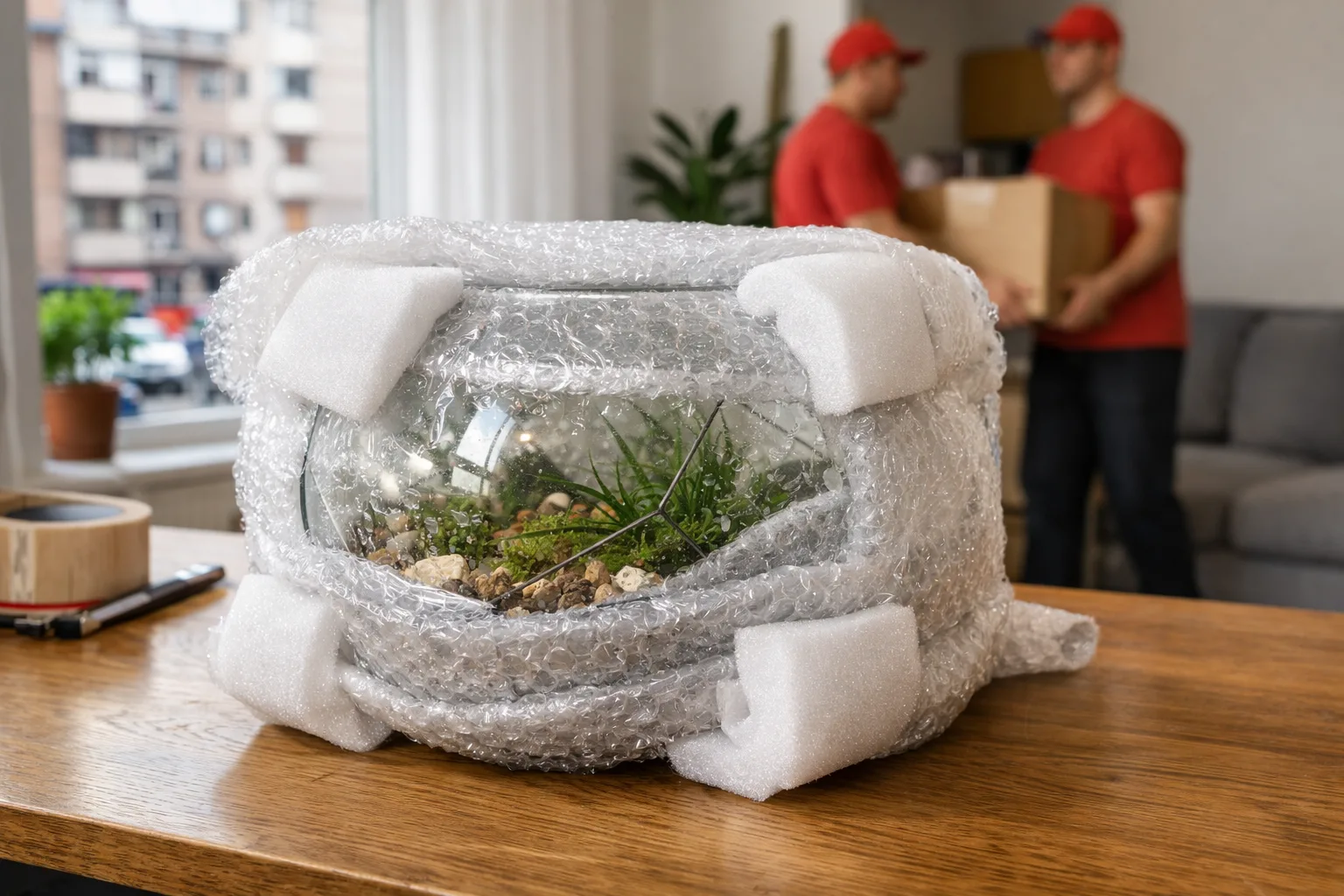
Protecting the terrarium is essential to prevent damage during transport. Use soft materials such as bubble wrap, styrofoam, or special packing foams to cushion the terrarium on all sides. These materials effectively absorb shocks and vibrations, reducing the risk of glass breakage or plastic damage. If you don't have suitable materials, consider purchasing moving boxes specifically designed to protect fragile items.
It is recommended to first wrap the terrarium in a layer of bubble wrap, especially around the corners and edges, as these are the most vulnerable areas. Then you can add styrofoam or foam for additional shock absorption. Make sure the protective layers are even and do not leave gaps that would allow the terrarium to move inside the box.
Besides external protection, if possible, further stabilize the inside of the terrarium by carefully arranging plants and decorations so they don’t shift. For small animals, consult a veterinarian about possible protective measures during transport. For example, some terrarium inhabitants may require special transport boxes or additional sources of heat or humidity.
If you have plants in the terrarium, check their condition and prepare them for transport. Remove any dried leaves and ensure the plants are healthy to better withstand the stress of moving. Also, you can reduce watering a few days before the move to avoid excess moisture that could cause rot during transport.
For animals, be sure to consult a veterinarian before the move. Some transport conditions may require special preparations, such as adjusted feeding or temporary isolation to reduce stress. The veterinarian may also recommend the use of calming agents or special transport boxes that ensure safety and comfort during the journey.
If possible, transfer small animals into specialized pet transport boxes or containers that provide ventilation and security. Never leave animals alone in the terrarium during extended transport. Also, ensure transport boxes are clearly labeled and have air access, and regularly check the animals’ condition during the trip.
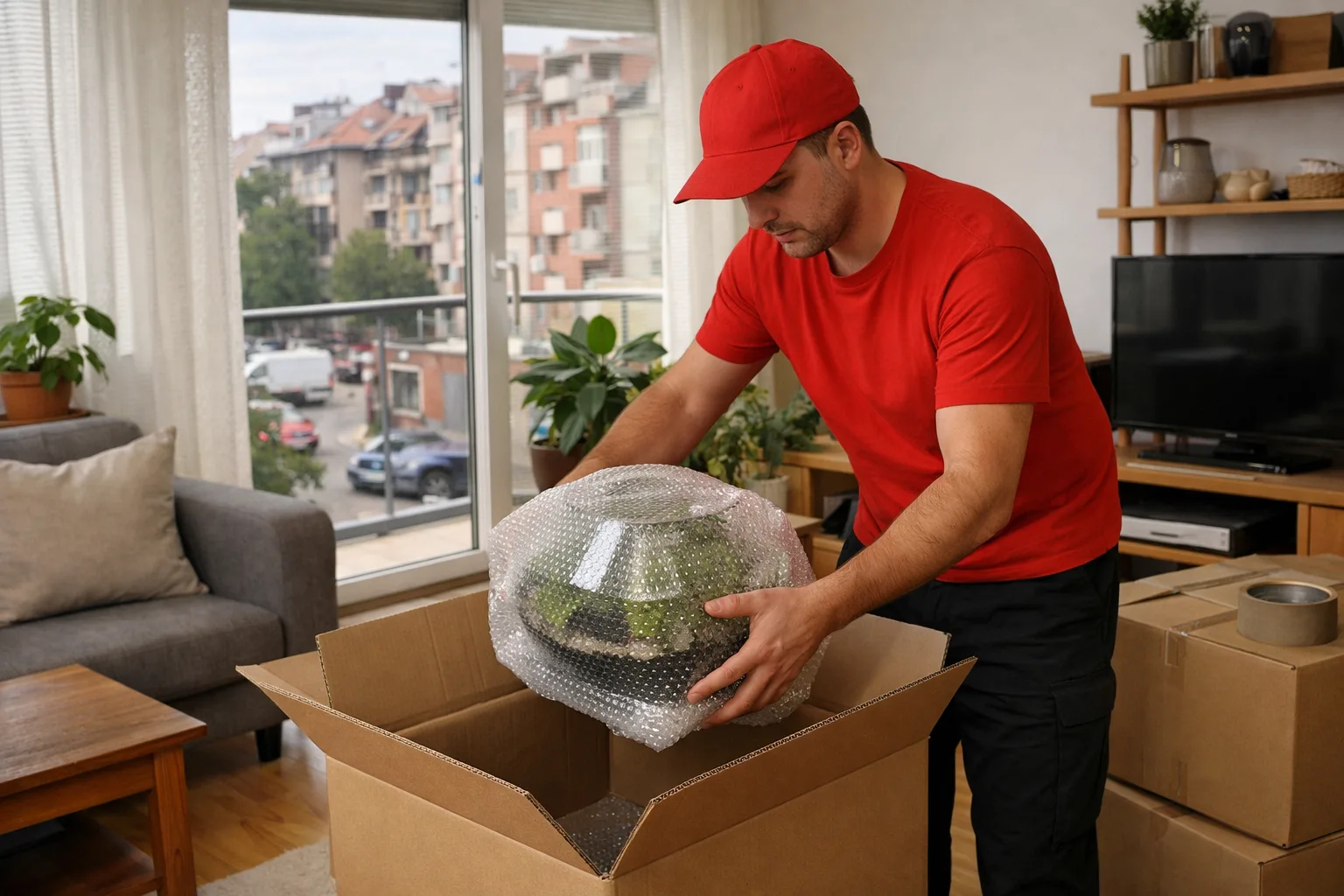
After protecting the terrarium and preparing it for the move, carefully place it inside the box. Arrange packing materials so the terrarium stands firmly and cannot move inside the box. Stability is key to preventing damage caused by movement during transport.
Use additional foam cushions or bubble wrap to fill gaps between the terrarium and the box walls. This reduces the risk of shocks and vibrations during transport. Also, check that all protective layers are evenly distributed and that there are no spots where the terrarium could directly touch the box.
Close the box securely using strong tape or packing tape. Label the box as “fragile” and “this side up” so the moving team knows how to handle the terrarium. Additionally, you can write warnings about the presence of living creatures and handling recommendations, which can help maintain safety during transport.
During transport, the terrarium should be placed on a stable, flat surface in the vehicle, away from direct sunlight and heat sources. This helps preserve the conditions inside the terrarium and prevents temperature shocks. Ideally, the terrarium should be positioned where it won’t be exposed to sudden vibrations or impacts.
If possible, use shock-absorbing pads under the box with the terrarium to further reduce vibrations and shocks during the ride. Materials like rubber mats or special vehicle cushions can significantly contribute to protection.
When unloading and bringing the terrarium into the new space, handle the box carefully, avoiding sudden movements, tipping, or impacts. It is preferable that the terrarium is carried by people who understand how fragile this type of cargo is. For extra security and assistance, you can hire special cargo moving experts who have experience with such items. Also, plan the trip so that transport time is as short as possible and conditions inside the vehicle remain stable throughout the journey.
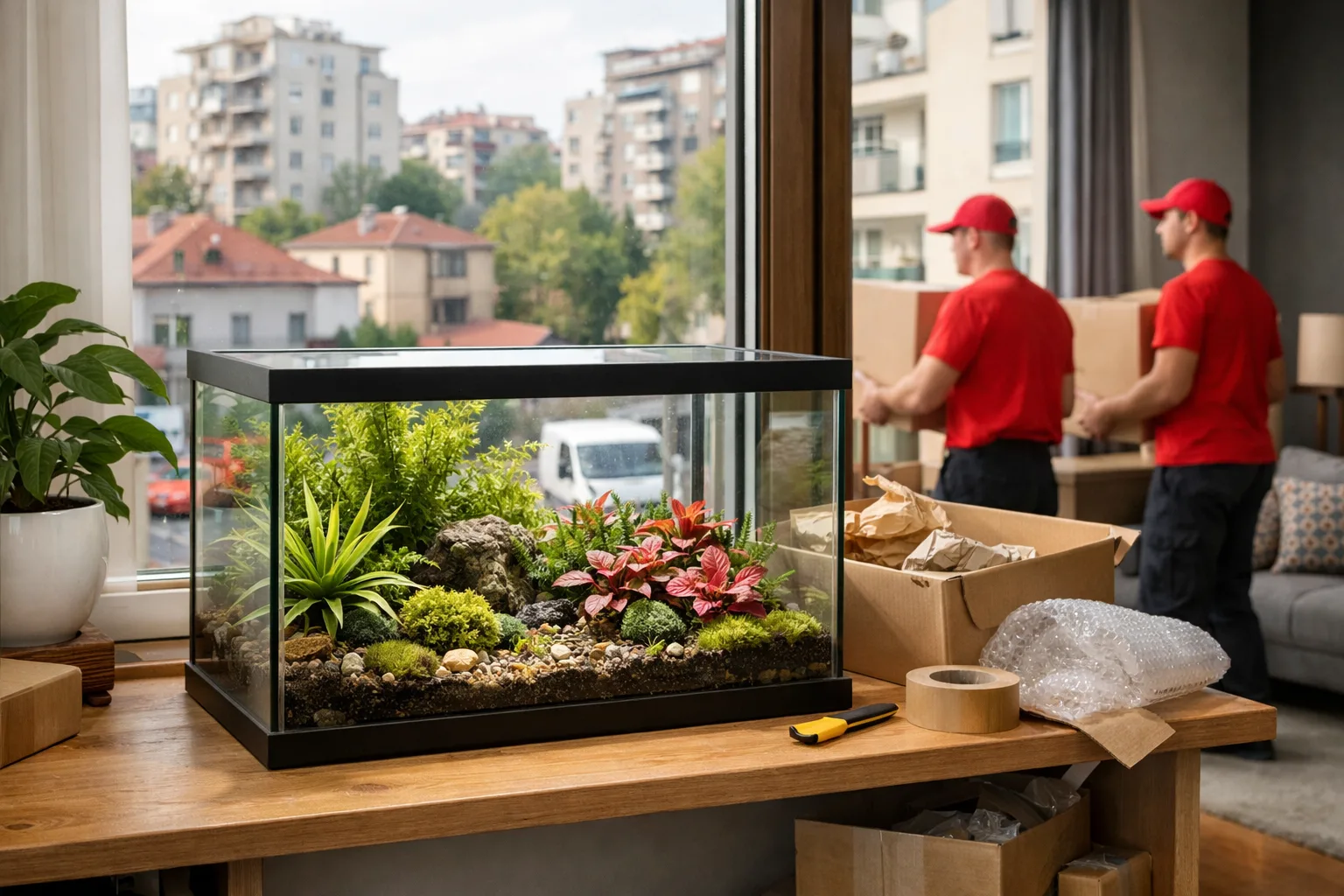
Upon arrival at the new location, immediately remove the terrarium from the box and place it in a spot protected from direct sunlight, drafts, and sudden temperature changes. Avoid locations near radiators, air conditioners, or windows that may cause temperature fluctuations.
Check the condition of the plants and animals in the terrarium, as well as all elements inside it. If any damage has occurred, act promptly to minimize the consequences. If you notice signs of stress in the animals or plants, consult a specialist or veterinarian for further assistance.
Give the terrarium time to adjust to the new environment before making any changes to the arrangement or the animals' diet. This is a crucial step for a successful recovery after the move. Adjustment can take from several hours to a few days, depending on the species and the conditions in the new space.
One of the most common mistakes is using inadequate materials for protection, which can lead to glass damage or disruption of the terrarium's internal ecosystem. Always use specialized or proven packing materials, as they provide optimal protection and safety.
Another mistake is improperly securing the terrarium inside the box, which can cause shifting and impacts during transport. Always fill gaps and ensure good stability by using additional cushions or packing foam. Also, don’t forget to properly close and label the box.
Many also forget proper preparation of plants and animals, which can endanger their well-being. Always inform yourself about the needs of your plants and animals beforehand and consult experts if necessary. Preparation and proper care before, during, and after the move are key factors in preserving the health and welfare of all terrarium inhabitants.
Advantages of Professional Packing Before Moving in Belgrade
We will respond to you as soon as possible.
Below are answers to the most common concerns related to packing and transporting a terrarium during a move, which will help you avoid problems and ensure the safety of your plants and animals.
Be sure to wrap the terrarium corners in several layers of bubble wrap and you can add pieces of styrofoam or special foam cushions for extra protection. This is the most critical area and requires special attention.
In most cases, it is not necessary to remove plants if they are properly secured and the terrarium is not overcrowded. However, if the plants are large or fragile, it is better to temporarily remove them and transport separately.
Small animals are best transferred into specialized transport boxes that provide ventilation and safety. Never leave them alone in the terrarium during long transport.
The best materials are bubble wrap for wrapping, styrofoam or foam for filling gaps and additional cushioning, as well as quality reinforced cardboard boxes.
Clearly label the box with "fragile," "this side up," and "handle with care." This helps the moving team treat the terrarium properly and reduces the risk of damage.
Act immediately by isolating the damaged area and consulting a specialist or veterinarian, depending on the type of damage and the terrarium's contents.