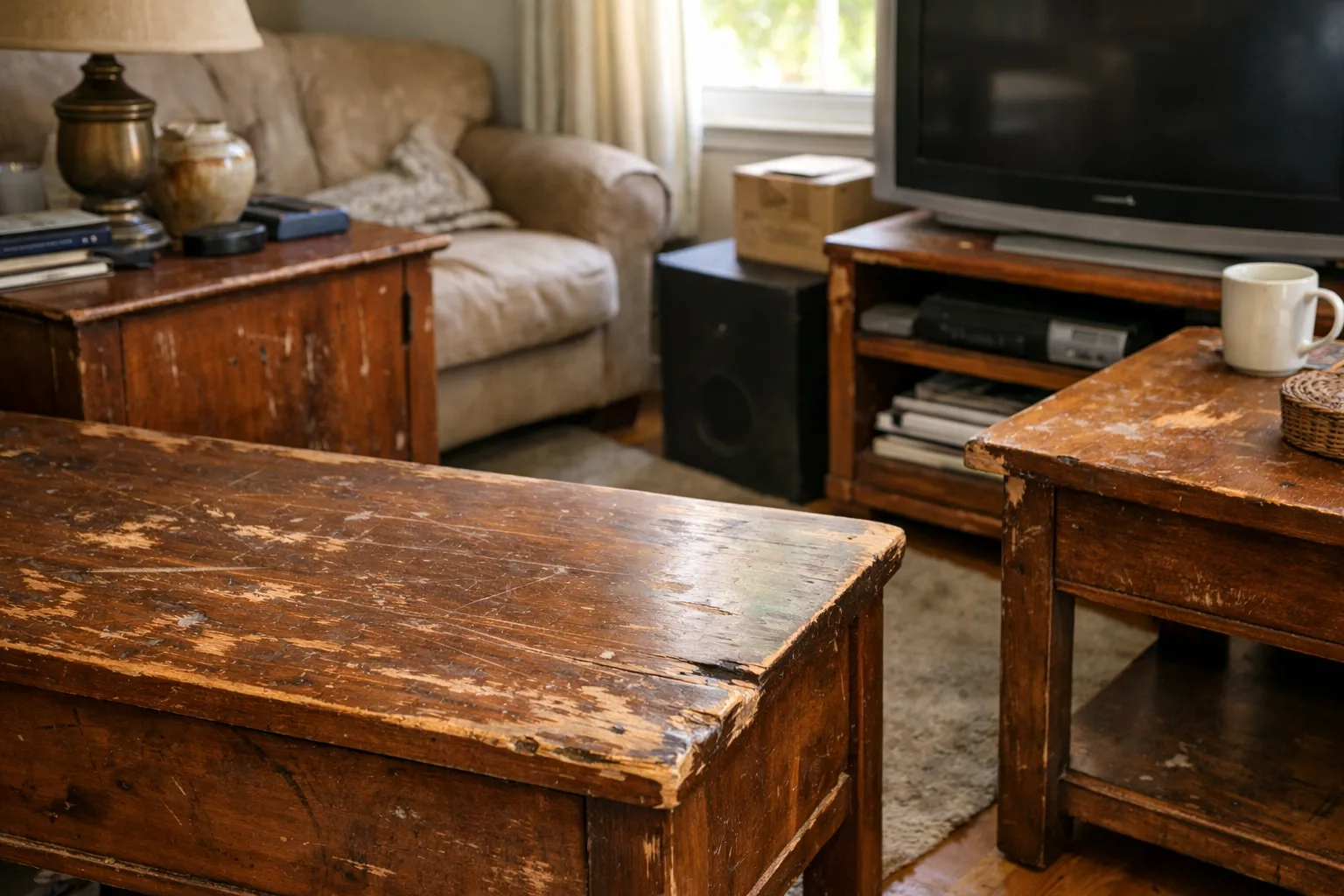
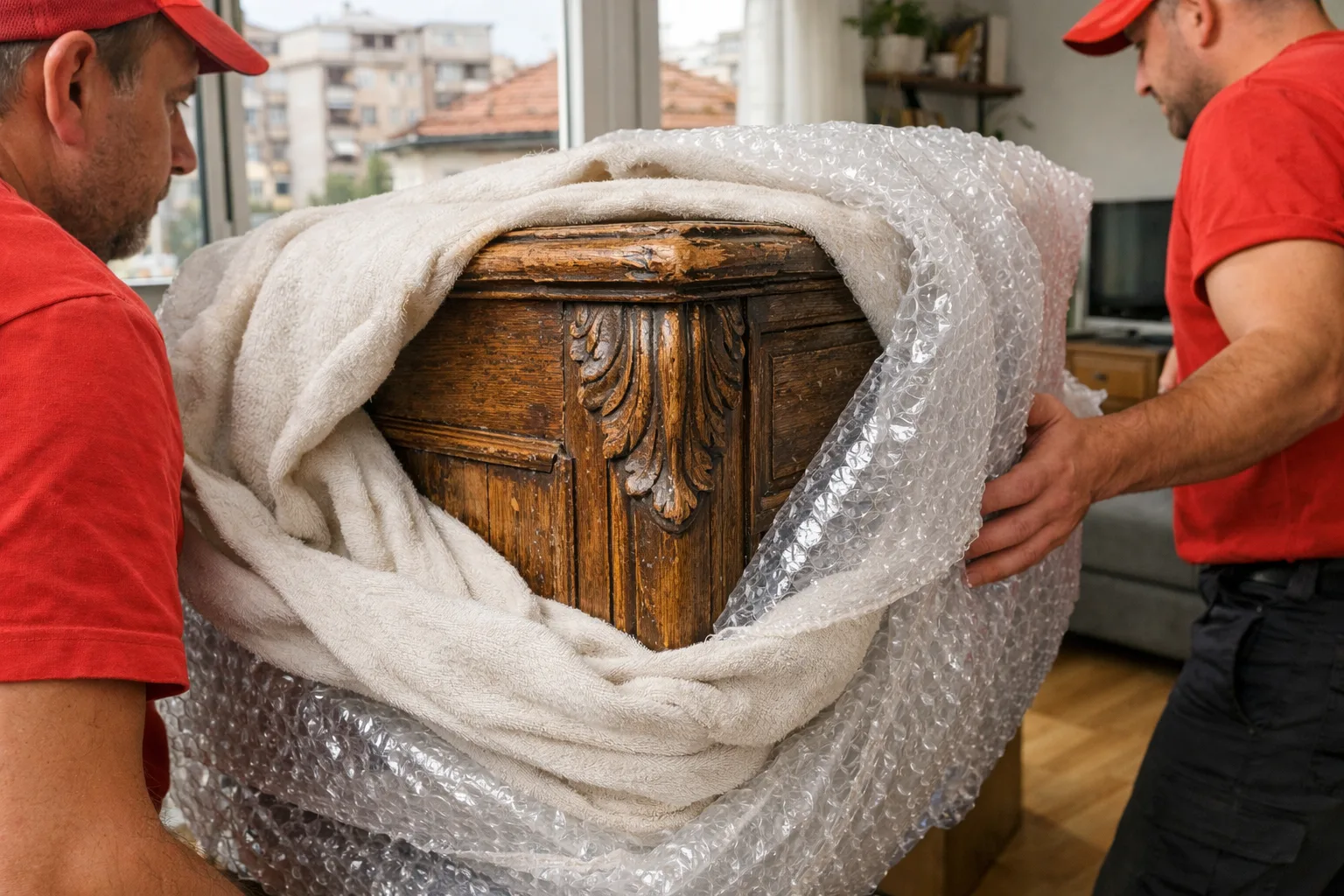
How to pack antique furniture?
How to pack antique furniture?

Enter at least 3 characters.
Packing the storage room for a move is one of the most challenging tasks in the relocation process, as the storage often contains a variety of items of different sizes, weights, and purposes. Without proper preparation and organization, items can easily get damaged, lost, or cause unnecessary stress. In this guide, we will provide you with detailed and practical advice on how to systematically approach packing your storage room—from planning and choosing materials, through specific packing techniques for different types of items, to efficient labeling and storage. This way, you will significantly ease the entire moving process and ensure your belongings arrive at your new address in perfect condition. It is also important to keep in mind that a proper approach to packing the storage room is crucial not only for preserving your items but also for optimizing time and resources during the move. With good organization, you can reduce stress and avoid unnecessary complications that often accompany this process. Below, we will explain each step in detail, offering useful tips and tricks to help you pack your storage quickly, safely, and efficiently.
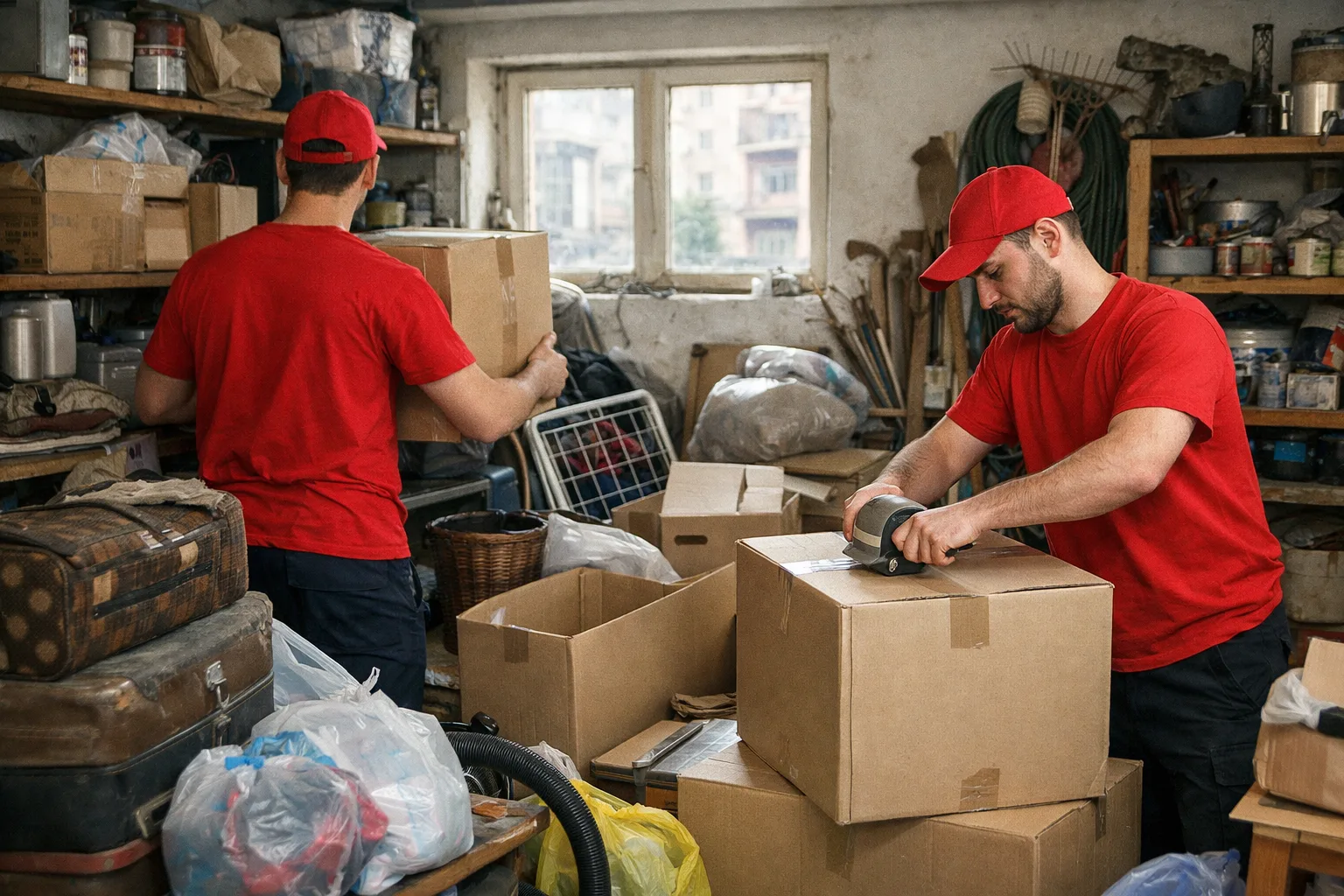
The first step in packing the storage room is a thorough assessment and selection of the items you have. Carefully go through every corner of the storage and create three categories: items you will take with you, those you will donate or sell, and those you will discard. This selection not only reduces the volume of items to pack but also facilitates organization and later arrangement in the new space.
Besides making a list, it is important to assess the condition of the items. Items that are damaged or outdated are better to discard or recycle, which will free up space and reduce unnecessary load. Also, consider whether some items are seasonal and if they need to be packed now or if you can wait with their relocation.
Organizing the workspace for packing is key to efficiency. Prepare a clean and spacious surface where you will stack boxes and sort items. Gather all necessary materials in advance, such as cardboard boxes of various sizes, plastic bags, tape, markers, and protective materials. Also, ensure good lighting and access to power outlets for possible use of electric tools or devices during packing.
To further ease the process, it is recommended to create a packing plan with deadlines and priorities. For example, start with items you rarely use and leave everyday things for last. Also, involving family members or friends can significantly speed up the work and reduce effort.
Don’t forget to keep a record of valuable or sensitive items during selection, which can be useful for insurance or potential claims. This step contributes to better control over the entire process and reduces the possibility of losses.
When selecting boxes, it is important to consider the weight and type of items you will pack. For heavier items like tools and garden equipment, sturdy moving boxes of medium size are recommended, as they can withstand the load without breaking. Large boxes are not advisable for heavy items because they can become impractical to carry and store.
For fragile and delicate items, use smaller boxes and additionally wrap them with protective materials such as bubble wrap, styrofoam, or layers of newspaper. This will reduce the risk of damage during transport and handling. Also, plastic boxes with lids are an excellent choice for items that need protection from moisture and dust, such as electrical appliances or seasonal clothing.
Don't forget quality packing tape and marker pens for sealing and labeling boxes. Use tape with a wide range of resistance to ensure boxes remain closed throughout the entire moving process. Clearly labeling the contents and purpose of boxes will make unpacking and organizing in your new space easier, and if you want to avoid the stress of packing, you can hire a professional packing service for moves.
In addition to standard cardboard boxes, consider using specialized boxes for certain items, such as toolboxes with compartments or boxes for technical equipment with extra protection. These boxes can significantly reduce the risk of damage and facilitate transport.
Also, invest in quality protective materials like bubble wrap, styrofoam blocks, and paper cushions, which will further absorb shocks and protect your belongings. Proper use of these materials can prevent breakage and scratches, especially for delicate items.
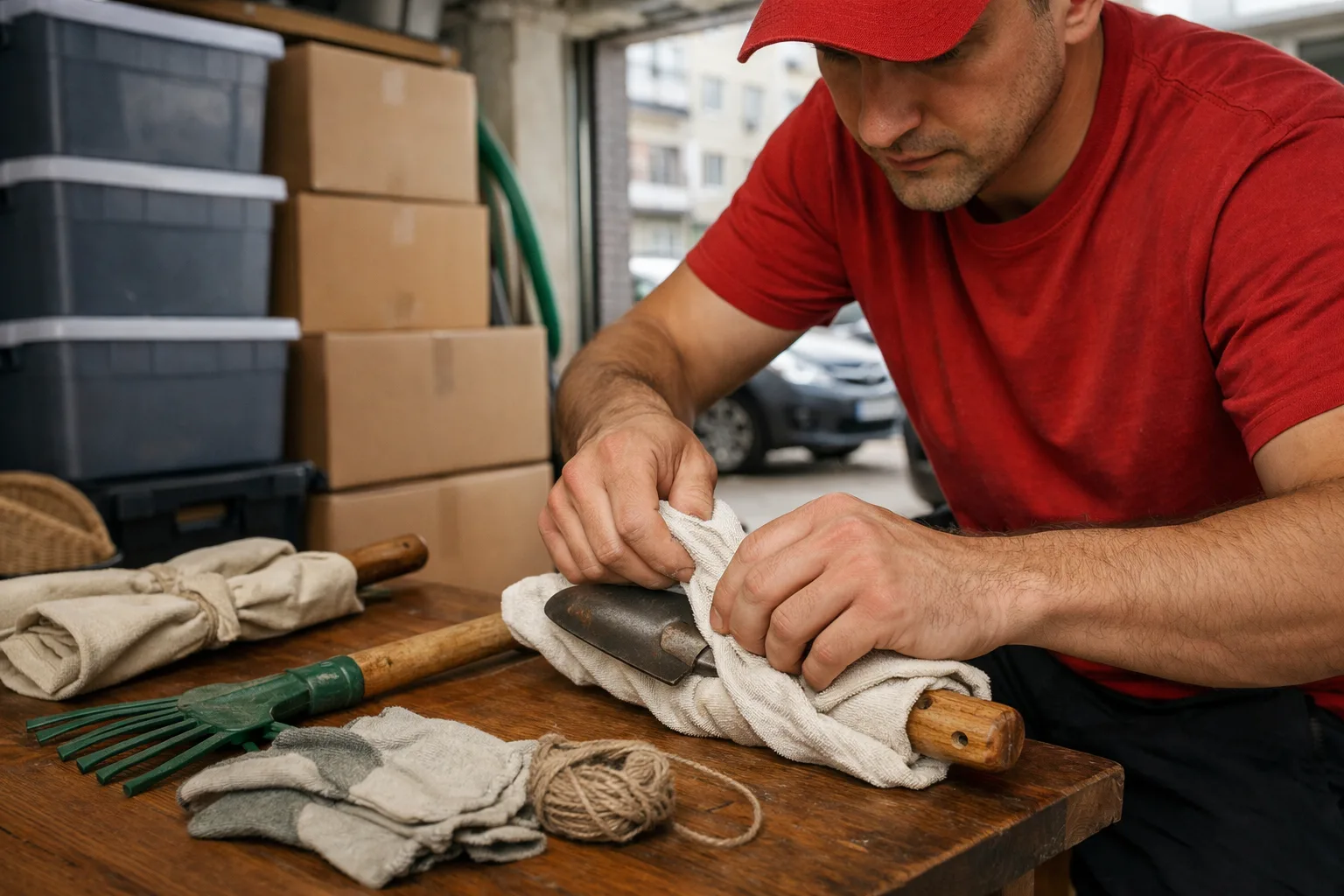
Before packing tools, be sure to clean them of dirt and moisture to prevent corrosion and extend their lifespan. Group small parts such as screws, nails, and nuts into small plastic bags that you can tape to the tool or place in a separate box with clearly labeled contents.
Pack electrical appliances and technical equipment carefully, using original boxes if available, as they are designed to provide optimal protection. If you don't have original boxes, wrap the devices in bubble wrap and place them in sturdy boxes with additional layers of protection to avoid damage during transport.
Pay special attention to cables and sharp parts of tools. Neatly coil cables and secure them with ties or rubber bands, while sharp edges should be wrapped with cloths or special protective covers. Mark heavy tool boxes and avoid placing them on top of other boxes to prevent breaking lighter items.
When packing technical equipment, turn off all devices and remove batteries if possible to prevent leakage and damage. Also, take photos of the devices before disassembly, which can be helpful during reassembly and reconnection.
For tools that can be disassembled, such as drills or saws, take them apart and pack the parts separately, but keep them together in one box with clear labels. This will make unpacking easier and reduce the risk of losing parts.
Garden tools and seasonal items often have irregular shapes and sizes, requiring extra care when packing. Before packing, thoroughly clean and dry them to prevent mold growth and unpleasant odors during storage or transport.
For smaller garden tools, it is recommended to use boxes with compartments or wrap each tool in paper or cloth to prevent mutual damage. Larger items like garden chairs or umbrellas can be protected with plastic covers or bags that will keep them free from dust and moisture.
Be sure to label boxes with garden items clearly with inscriptions such as "Garden" or "Fragile." If you have materials like fertilizer, seeds, or berries, pack them in airtight plastic bags or containers to prevent leakage and spillage during transport.
When packing seasonal clothing or decorations, use vacuum bags that save space and protect against moisture. These bags are especially useful for clothing not used for extended periods, such as winter jackets or summer tents.
Also, consider whether it is necessary to move all seasonal items immediately or if you can temporarily store them at another location. This can significantly reduce the amount of items to transport and make organizing the new space easier.
Before packing food from the storage room, carefully check the expiration dates of all items and discard those that are expired or spoiled. This step is crucial for maintaining hygiene and preventing unpleasant odors during the move.
Pack food in smaller boxes or plastic containers with lids that prevent leakage and damage. Dry goods such as flour, sugar, and pasta should be additionally sealed in plastic bags with closures to protect them from moisture and insects.
It is best to use or gift opened or perishable food items before the move. Clearly label boxes containing food and avoid placing heavy items on top of them to prevent breakage or spillage.
For canned food, check that the cans are not damaged or dented, as this may indicate spoilage. Also, pack food so that it is easily accessible, especially if you plan to use it immediately upon arrival at the new address.
If the move takes longer or occurs during the summer, consider using coolers or refrigerators for transporting perishable food. This will help preserve freshness and prevent spoilage during transit.
Accurate labeling of boxes is essential for efficient unpacking and organization in the new space. Write the exact contents and the room where the box should be placed on each box, for example, "Tools - Garage" or "Garden Supplies - Storage."
Use different colored markers or stickers for various categories of items to visually simplify identification and speed up unpacking. For example, green can indicate garden supplies, blue for electronics, and red for tools.
Clearly mark boxes with fragile or sensitive items with labels such as "Handle with Care" or "Fragile." This will help everyone handling the boxes to be extra cautious and prevent damage during transport and unpacking.
In addition to basic labels, you can use numbers or codes corresponding to your layout plan in the new space. This way, you will quickly know where each box should go and in what order to unpack them.
Also, keep a record of the number of packed boxes and their contents, which can be helpful if you hire a professional moving service or if something is missing after the move.
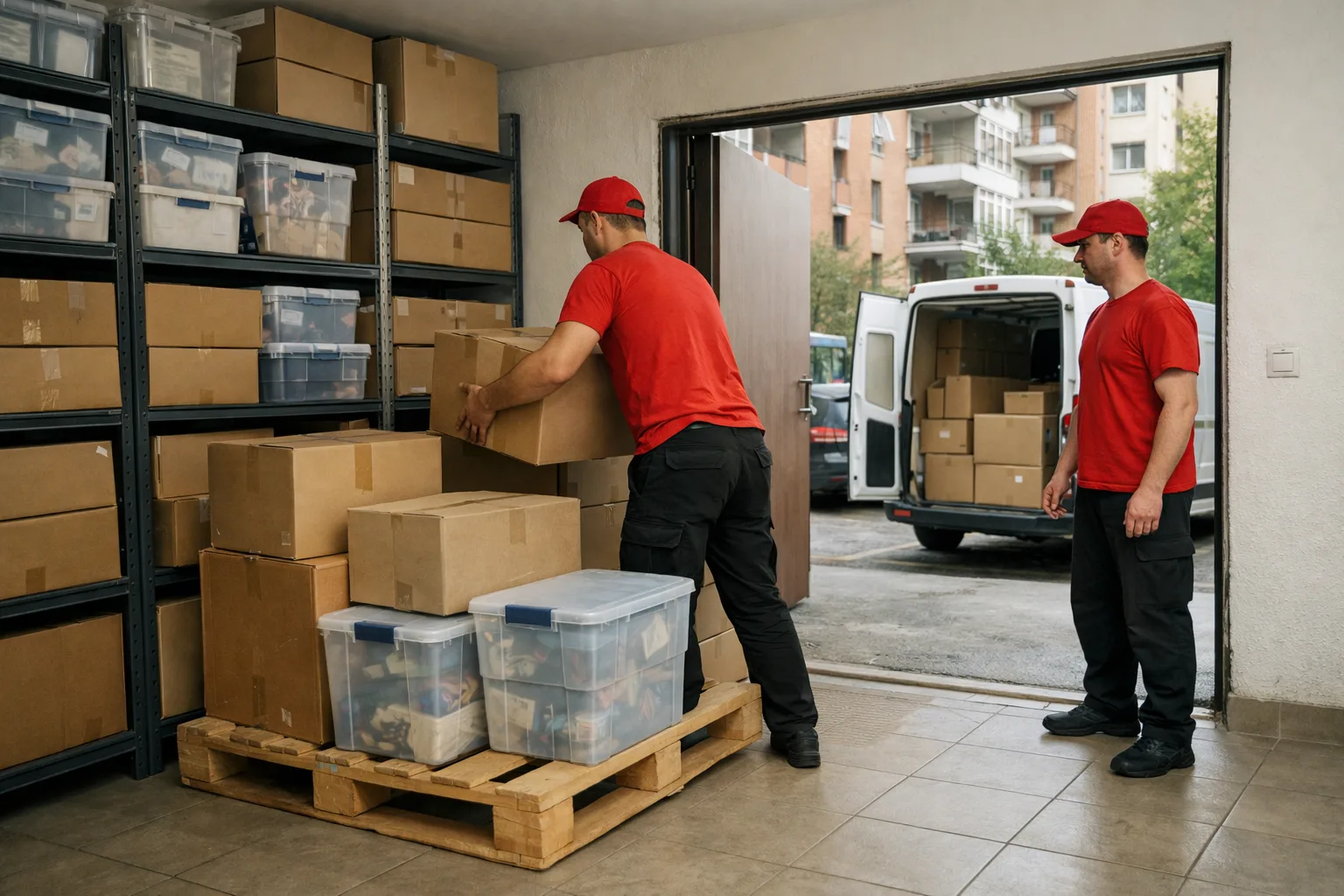
After packing your storage, properly stacking boxes in the moving vehicle or storage space is crucial to preserve your belongings. Heavier boxes should be placed at the bottom, while lighter ones should be stacked on top to prevent breakage and damage.
If you use a storage unit or garage, ensure the space is dry, clean, and well-ventilated to prevent moisture, mold, and insect infestation. Keep boxes with food or sensitive items on pallets or shelves, away from the floor and walls.
Regularly check the condition of boxes and their contents during storage, especially if the storage remains in the facility for an extended period. This way, you can react promptly if you notice moisture, damage, or other issues and prevent losses.
For additional protection, consider using silica gel packets or other moisture-absorbing agents inside boxes, especially if storing electronics or clothing. This can significantly extend the lifespan of your items.
Also, keep a record of the number of packed boxes and their contents, which can be helpful if you hire a professional moving service with workers or if something is missing after the move.
When unpacking your storage in the new space, start with boxes containing the most important and necessary items, such as tools and technical equipment. This will allow you immediate access to essential items and facilitate further organization.
Open boxes carefully and immediately check if the items are undamaged. Remove fragile items first and inspect them thoroughly. If you notice any damage, document it and notify the moving company or insurance provider if you used transport services.
After unpacking, organize your storage or garage so that items are easily accessible and neatly arranged. Use shelves, boxes, and organizers for smaller items to prevent clutter and facilitate future use of the space. Plan the layout so that frequently used items are within reach, while seasonal or rarely used items are placed in less accessible areas.
Also, when unpacking, make a list of items that are damaged or missing, which will help you resolve any issues with insurance or the moving company.
Don't forget to clean the space after unpacking and check that all items are in their place. A well-organized space will make your daily life easier and reduce stress after the move.
Advantages of Professional Packing Before Moving in Belgrade
We will respond to you as soon as possible.
Below we answer the most common questions and dilemmas that arise when packing storage for a move. These answers will help you avoid common mistakes and make the relocation process easier.
Carefully wrap fragile items in bubble wrap or thick newspapers and place them in boxes with an additional layer of protection such as styrofoam or paper towels. Label the boxes as "Fragile" and place them on top of other boxes to prevent damage.
It is recommended to check the expiration dates of food and discard spoiled or nearly expired items. Opened or perishable food is best consumed or gifted before the move to avoid spoilage during transport.
Wrap tools in thick cloths or paper, and put small parts in plastic bags that you can attach to the tools or place in a separate box. Also, label tool boxes as heavy and avoid placing fragile items underneath them.
Use sturdy cardboard boxes or plastic bags for larger garden items. Wrap smaller tools in paper or cloth, and protect larger items with covers or stretch wrap to keep them clean and undamaged.
Use a marker to clearly write the contents and the room for each box. You can also use different colored labels for various categories of items, which will help you quickly find what you need when unpacking.
Cardboard boxes are practical for most items and cost-effective, but for sensitive or damp items, plastic boxes with lids are recommended as they provide better protection against moisture and dust.
Before packing, thoroughly dry and clean all items. Use silica gel packets or moisture absorbers inside the boxes. Also, store boxes in a dry place, away from floors and walls, preferably on pallets or shelves.