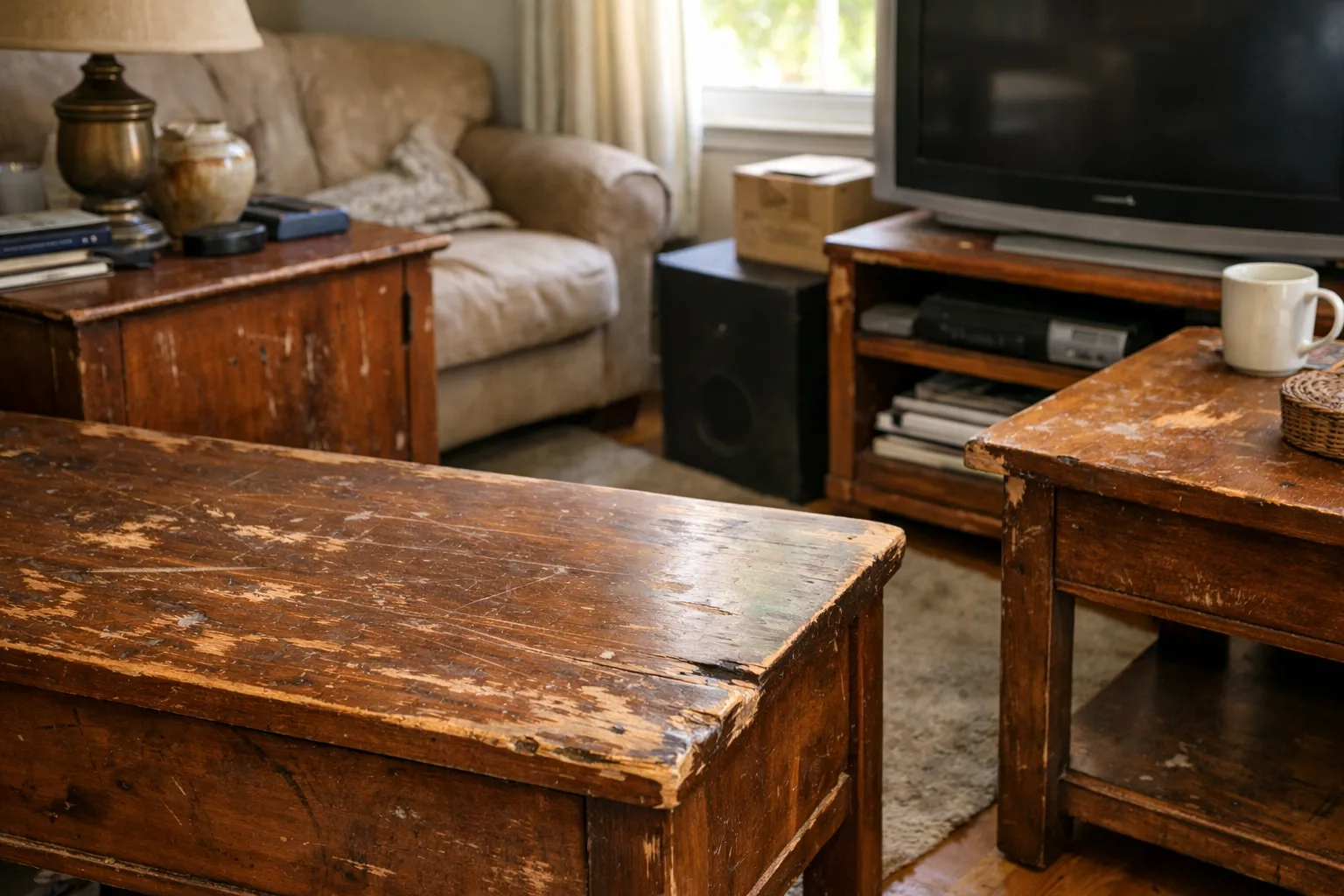
How to pack antique furniture?
How to pack antique furniture?

Enter at least 3 characters.
Moving an entire family house in just seven days may seem like an impossible mission, but with good organization and the right approach, it is entirely achievable. This guide provides detailed advice and steps to help you efficiently pack every corner of your home, avoid stress, and prepare for a fresh start in record time. The key to success lies in timely planning, a systematic approach, and involving all family members, which will allow the moving process to go smoothly and without unnecessary complications. It is also important to remember that thorough preparation and organization are essential to prevent damage to belongings and to save time and energy during packing and transport.
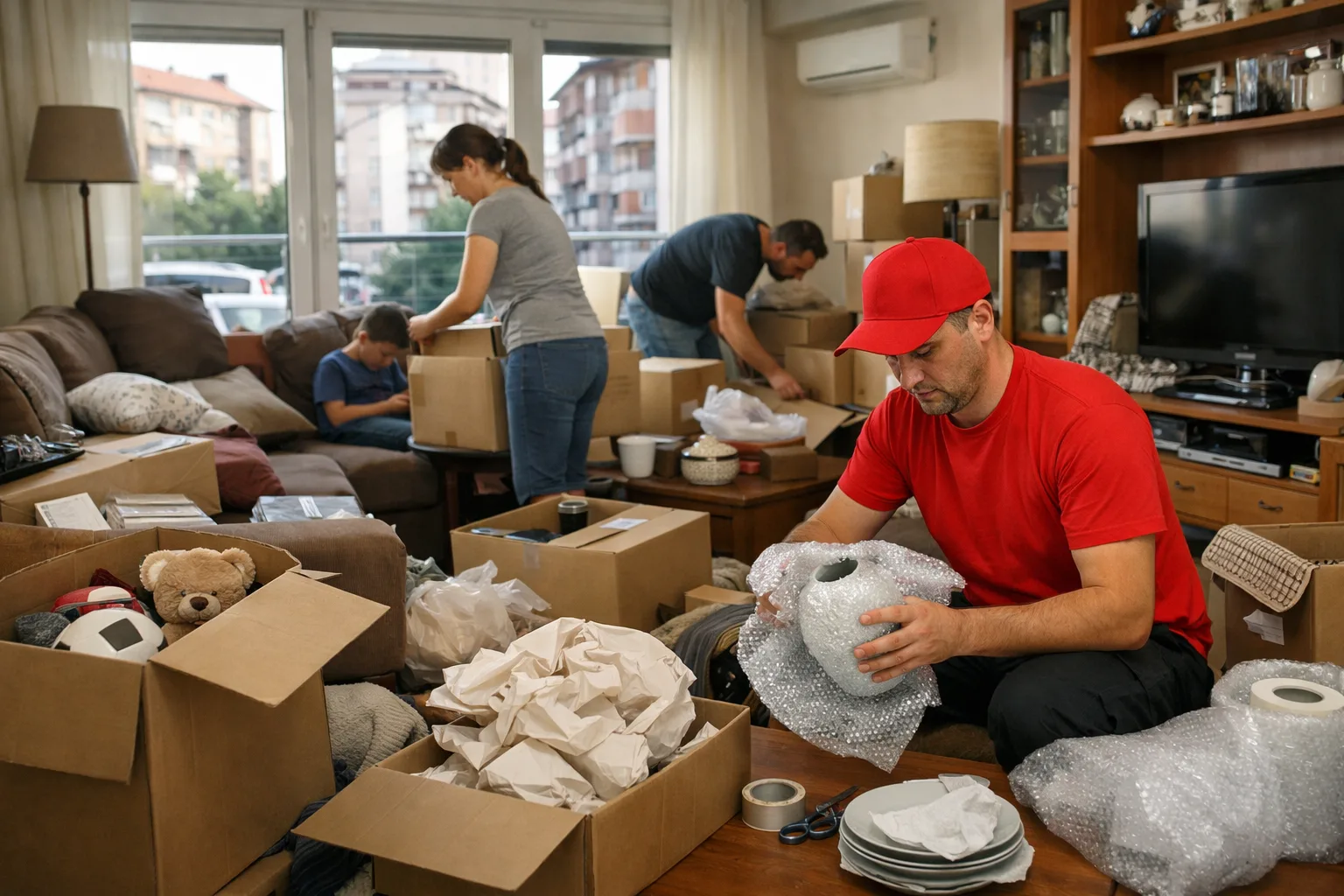
The first step in packing an entire family house in seven days is detailed planning. Consider all rooms and make a list of items to be packed. Start with items that are used the least, such as seasonal clothing or decorations. Create a daily timeline, assigning tasks so that each day you complete a specific part of the house.
It is important to set priorities. Begin with rooms that are not used daily, such as the garage, basement, or guest room. Leave living rooms, kitchen, and bathrooms for last, as you will need these spaces until the move. This way, you avoid unnecessary chaos and maintain continuity in daily activities.
Use a calendar or planner to help track progress. Involve the entire family in planning and task distribution. Clear division of responsibilities and communication significantly speed up the process and reduce stress during packing.
Additionally, it is recommended to create a backup plan for unforeseen situations, such as delays in acquiring materials or sudden obligations. Also, recording progress digitally through organizational apps can help you keep an overview of all activities and respond promptly if anything falls behind.
Don’t forget to schedule time for rest and meals, as intense work without breaks can lead to exhaustion. Involving the whole family in planning not only distributes the workload but also motivates all members to be engaged and responsible for their tasks.
Quality packing materials are key to an efficient and safe move. Obtain enough moving cardboard boxes of various sizes, packing tape, markers for labeling, protective wrap, and bubble wrap for fragile items. For heavier items, use boxes that are sturdier and easier to carry.
Organize materials in one place for easier access during packing. Packing without the right equipment can lead to damage to your belongings and unnecessary time loss. For specific items, such as electronic devices or fragile decorations, use special boxes or additional protection.
Prepare garbage bags so you can immediately discard unnecessary items. Also, provide enough wardrobe bags that can be hung directly inside, saving you time during unpacking. Have basic tools ready for disassembling furniture if needed.
In addition to basic materials, consider using specialized boxes for certain items, like picture or mirror boxes, which offer extra protection and facilitate transport. Also, color-coding boxes can help quickly identify their contents and the room they belong to.
Before you start packing, check the condition of boxes and other materials to avoid using damaged or inadequate packaging. Procuring materials in advance and organizing them properly will significantly contribute to the speed and safety of the entire process.
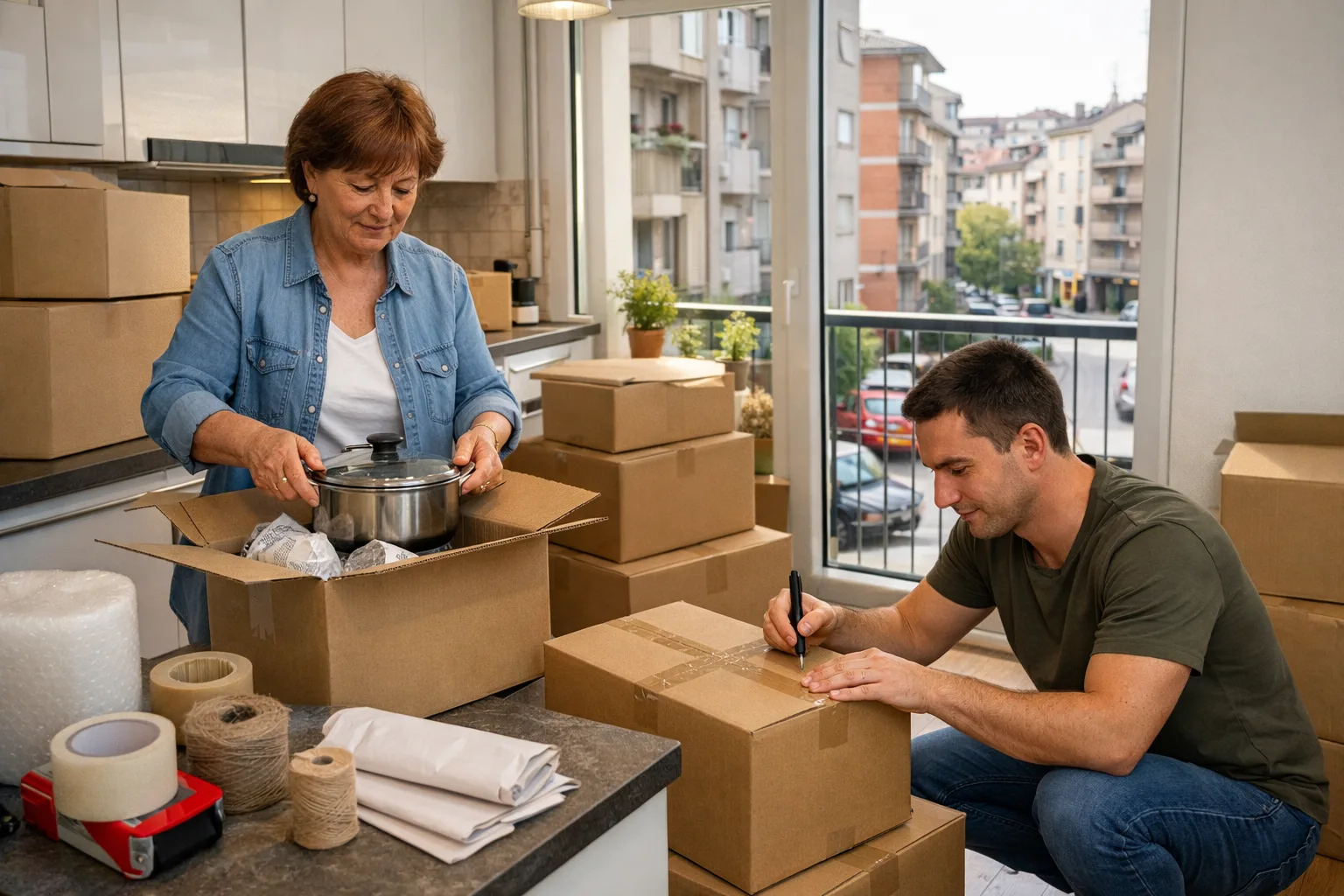
Efficient packing begins with thorough sorting of belongings. Go through each room and separate items into those you will take, donate, sell, or discard. This process reduces the amount of stuff to pack and simplifies organization.
Involve the whole family in this task so everyone participates and finds it easier to part with unnecessary items. Set clear rules, for example, if something hasn’t been used in the past year, you probably don’t need it. Use boxes or bags for sorting and label them clearly.
Pay special attention to documents, medications, and valuables. Keep them separate and always within reach, as you will need them before and after the move. This way, you avoid losing important items and facilitate access in emergencies.
Also, during sorting, consider donating or recycling items you don’t plan to take with you. This not only reduces the volume of belongings but also contributes to a sustainable lifestyle.
Don’t forget to check the expiration dates of food and medications before packing, and properly dispose of or use products nearing their expiry. This approach reduces unnecessary burden and eases organization.
Packing by rooms is the most practical way to stay organized and efficient. Pack each room separately, starting with those used least. Label boxes not only with the room name but also with their contents, which will help during unpacking. If you want the process to be even faster and safer, consider hiring a professional moving packing service.
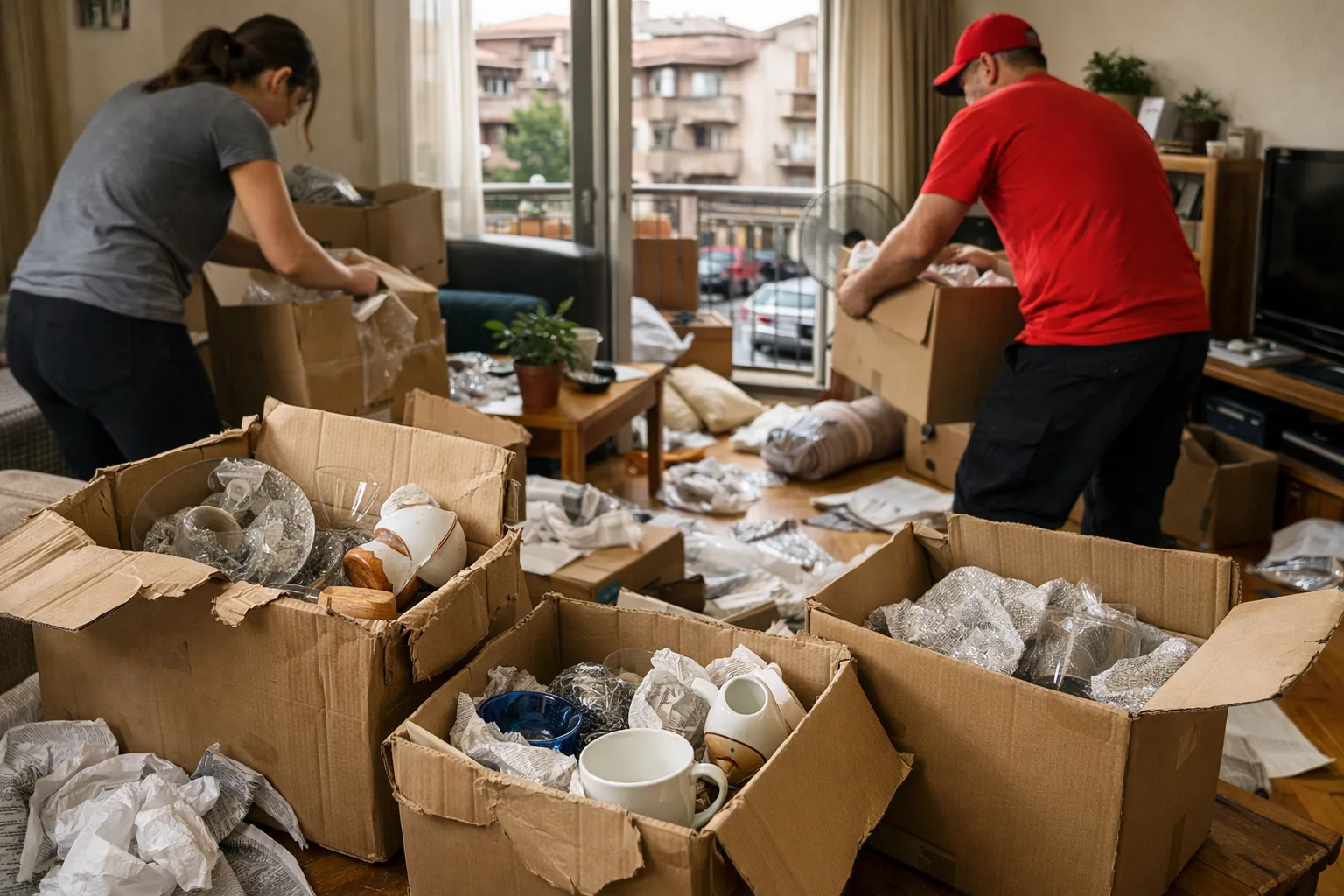
Sort items by type – for example, in the kitchen separate dishes, appliances, and food. In the living room, pack books, decorations, and electronics separately. This facilitates control and reduces the risk of damage. Use bubble wrap for fragile items and cushion them well inside the box.
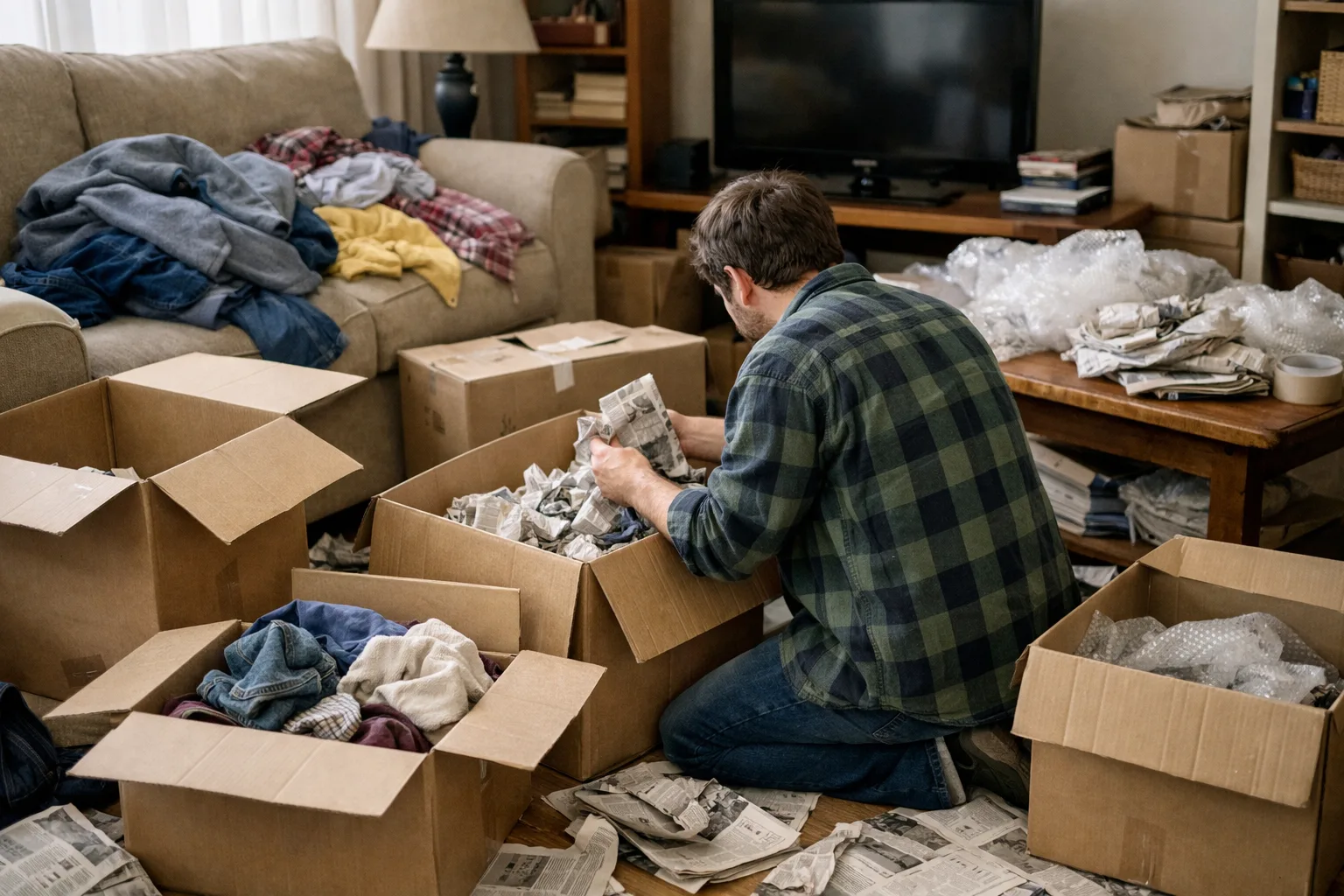
For clothing, use special bags or boxes that save space and keep garments neat. Pack shoes and bedding in separate bags or boxes. A good system of packing by rooms and item types saves time when arranging things in your new home.
When packing, pay attention to the weight of boxes – pack heavier items in smaller boxes to make carrying easier and reduce the risk of injury. Also, use internal dividers or extra wrapping for items that are easily damaged.
Don’t forget to leave space for items you’ll use immediately before the move, and label boxes containing essential supplies for the first day in your new home so you can find them easily.
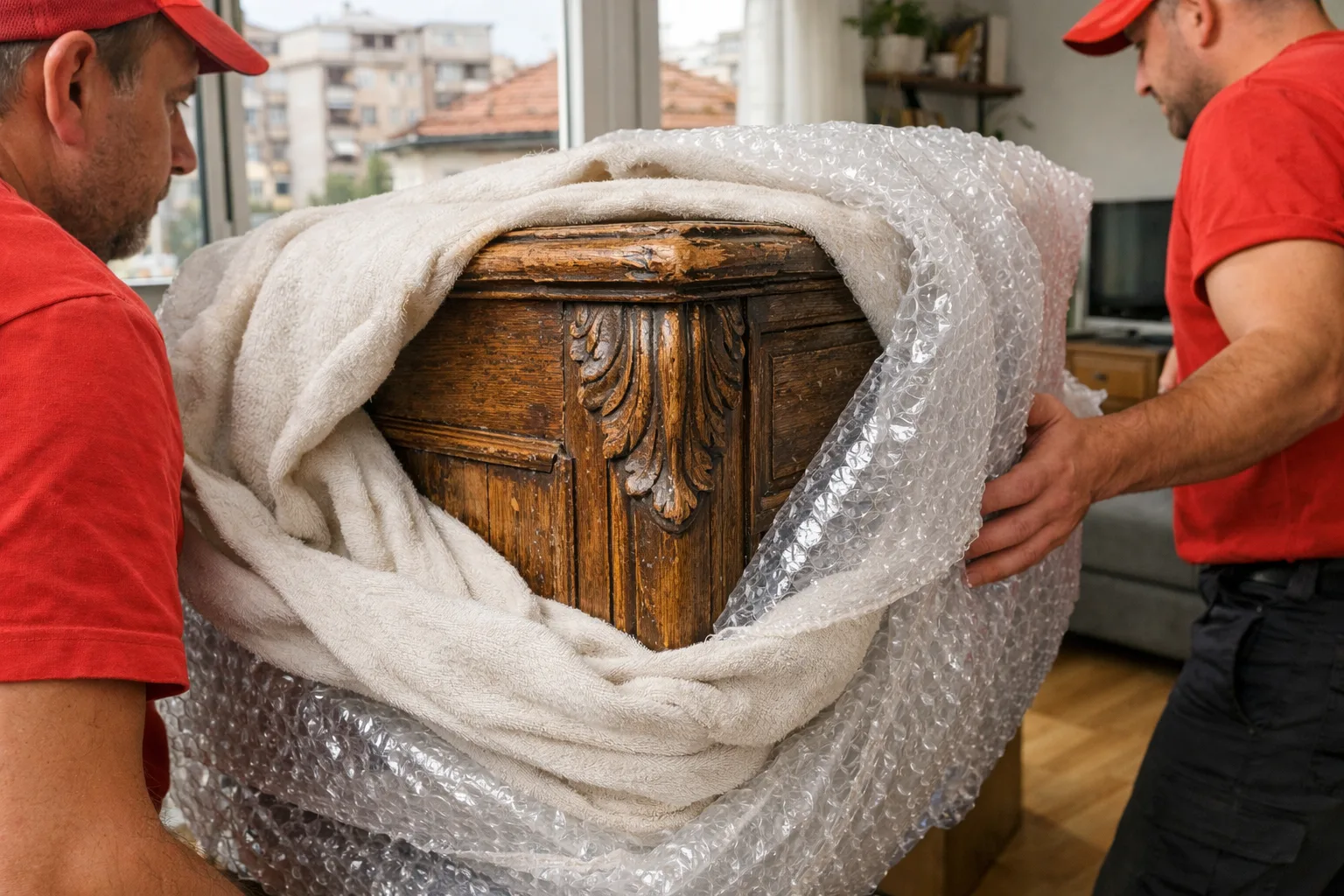
Fragile items require special care when packing. First, wrap them in bubble wrap, newspaper, or clothing that can serve as protection. Be sure to label boxes containing these items with "fragile" and place them on top of other boxes to avoid crushing.
Valuable items, such as jewelry, documents, or electronic devices, keep in a separate bag or box that you will carry yourself to the new home. Never put them in the moving truck unattended to avoid loss or damage.
When packing glass and ceramic items, use dividers or special boxes with compartments. This further reduces the risk of breakage. Also, consider moving insurance that covers damage to valuable items during transport.
For added security, photograph valuable items before packing as proof of their condition, which can be useful in case of claims or insurance. Also, avoid packing valuable items in boxes that will be placed at the bottom or in the middle of the pile.
When packing electronic devices, keep the original boxes and manuals if you have them, as they are designed to provide the best protection. If you don't have the original packaging, use additional layers of protective material and label the boxes as "fragile" or "electronics."
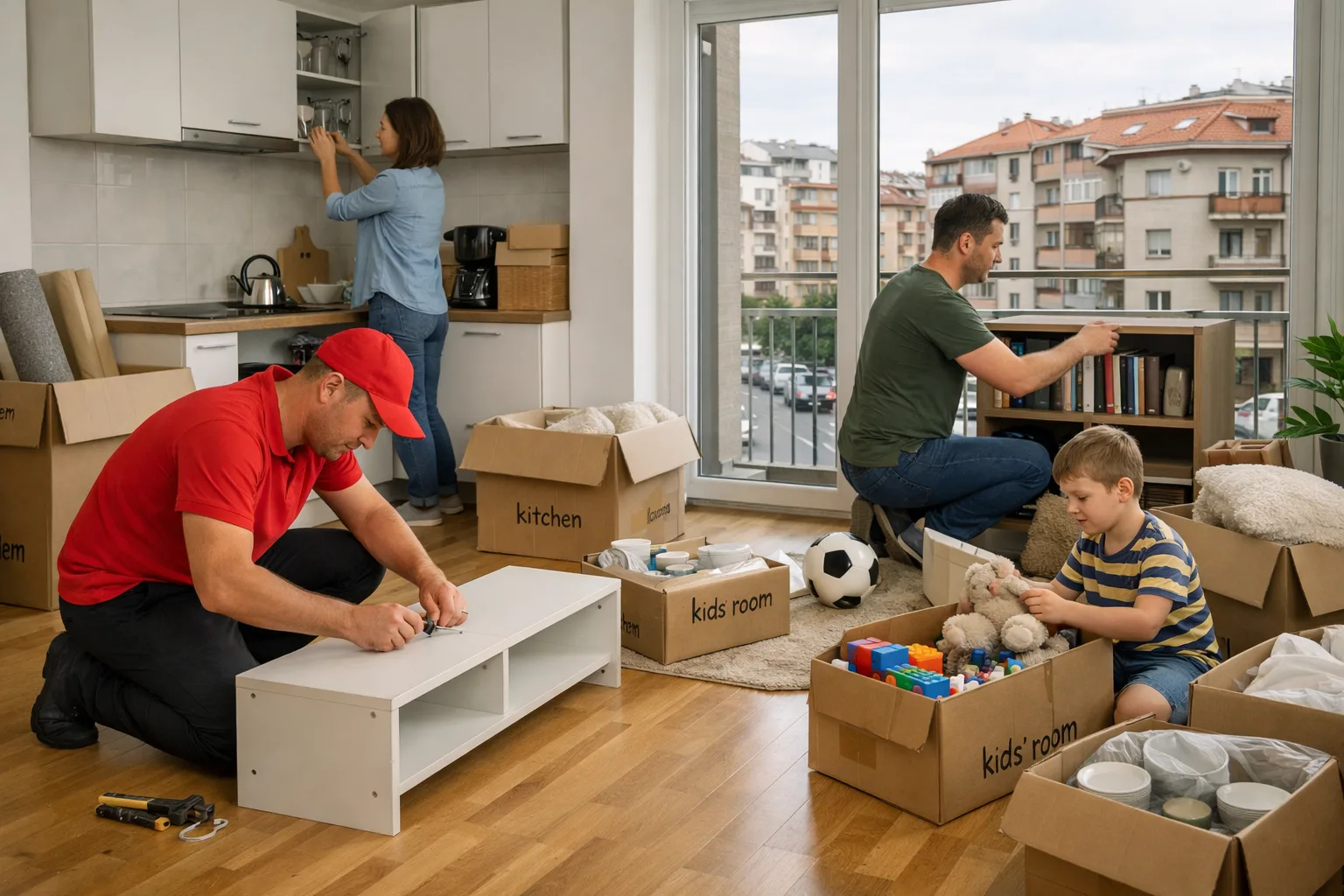
In a move, it is important that all family members are involved and actively participate in packing. Divide tasks according to abilities and available time. For example, children can be engaged in sorting items or labeling boxes.
Communication is key to success. Regularly check how preparations are progressing and whether everyone is satisfied with their tasks. If necessary, reorganize the schedule to avoid stress and overload for individuals.
Motivate family members by emphasizing the positive aspects of moving and working together. Also, plan breaks and small rewards for a job well done, which will increase efficiency and good morale in the team.
If you have young children, involve them in activities suitable for their age, such as packing favorite toys or drawing labels for boxes. This will help them feel useful and reduce anxiety about the change of environment.
Don't forget to thank each family member for their effort and celebrate the successful completion of the packing phase together, which further strengthens family bonds and eases the transition to the new home.
The last days before the move are dedicated to checking and final preparations. Go through the packed boxes and check if they are properly labeled and sealed. Ensure that fragile items are well protected and that there are no unnecessary gaps in the boxes.
Pack a bag with essentials for the first day in the new home, including clothes, toiletries, medications, and documents. This will make the start easier and reduce stress after the move.
Check that all appliances are turned off and that the apartment or house is ready to be handed over to the new owners or closed. This way, you complete the moving process in an organized manner without any remaining issues.
Also, make a list of important contacts for the move, such as the moving company's phone number, neighbors, or friends who can help if needed. This list can be very helpful in the final moments.
Don't forget to check the condition of the apartment or house before leaving, including windows, doors, and installations, to avoid potential problems or additional costs.
Upon arrival at the new home, focus on essential rooms like the kitchen and bathroom to quickly establish a normal daily routine. Arrange furniture before unpacking boxes to have enough space to work.
Use labels on boxes to make unpacking as efficient as possible. Open boxes by priority – first those with essentials, then clothes, and finally decorations and other items.
Organize the space immediately after unpacking to avoid clutter. Use shelves, drawers, and storage boxes to keep things neat and easily accessible. A good start in the new home reduces stress and facilitates adaptation.
Plan your room and furniture layout in advance, which will help you arrange your belongings more efficiently and avoid unnecessary moving. Also, involve the whole family in unpacking so everyone can adapt to the new environment as quickly as possible.
Don't forget to take breaks and reward yourself after successful unpacking, as this process is demanding and can be emotionally draining. An organized and patient approach will help you feel at home quickly.
Advantages of Professional Packing Before Moving in Belgrade
We will respond to you as soon as possible.
Below we address the most common dilemmas and specific issues that arise when quickly packing an entire family home. Each answer provides concrete advice and solutions for a successful move.
The key is planning and delegating tasks. Prepare a detailed schedule and involve family members to help. Pack in intervals, for example in the morning or evening, and use breaks between tasks to sort and prepare items.
First, pack items you rarely use, such as seasonal clothing and decorations. Pack everyday essentials like kitchen utensils, basic clothing, and hygiene products last so you have them within reach until moving day.
Use bubble wrap or clothing to wrap fragile items. Clearly label boxes with "fragile" and fill empty spaces with newspapers or other soft materials to prevent shifting inside the box.
Involve family members and friends to help, or hire a professional moving service that can take over part of the job. Delegating is important to avoid stress and finish on time.
Use vacuum bags for clothes to reduce volume and protect from dust. Pack shoes in separate boxes or bags and use the inside of shoes for small items like socks to save space.
Keep important documents, medications, and valuables in a separate bag or box that you carry yourself. Never put them in shared moving boxes and regularly check their condition throughout the process.
It’s best to combine both approaches – pack by rooms to make unpacking easier, and within each room group items by type. This way you’ll have a good overview and easier access to things after the move.