
Assembly and Disassembly Tips
Why is it important to disassemble furniture before moving?
Why is it important to disassemble furniture before moving?

Enter at least 3 characters.
Packing a double bed can seem challenging due to its size and numerous parts, but with the right plan and organization, the process can be much easier and more efficient. In this guide, we will thoroughly explain how to prepare, disassemble, and pack a double bed, including the frame, mattress, and bedding, along with practical tips for safe transport and storage. Additionally, we will provide useful tricks to preserve the quality of materials during the move and advice on how to avoid common mistakes that can lead to damage or loss of parts. This way, your experience of packing and transporting the bed will be organized, safe, and less stressful. Furthermore, we will explain how to efficiently utilize space during packing and how to protect bed parts from moisture and impacts, which is especially important for long-term storage or long-distance transport. Preparation and careful planning are key to a successful move, and our tips will help you carry out every step with ease and confidence.
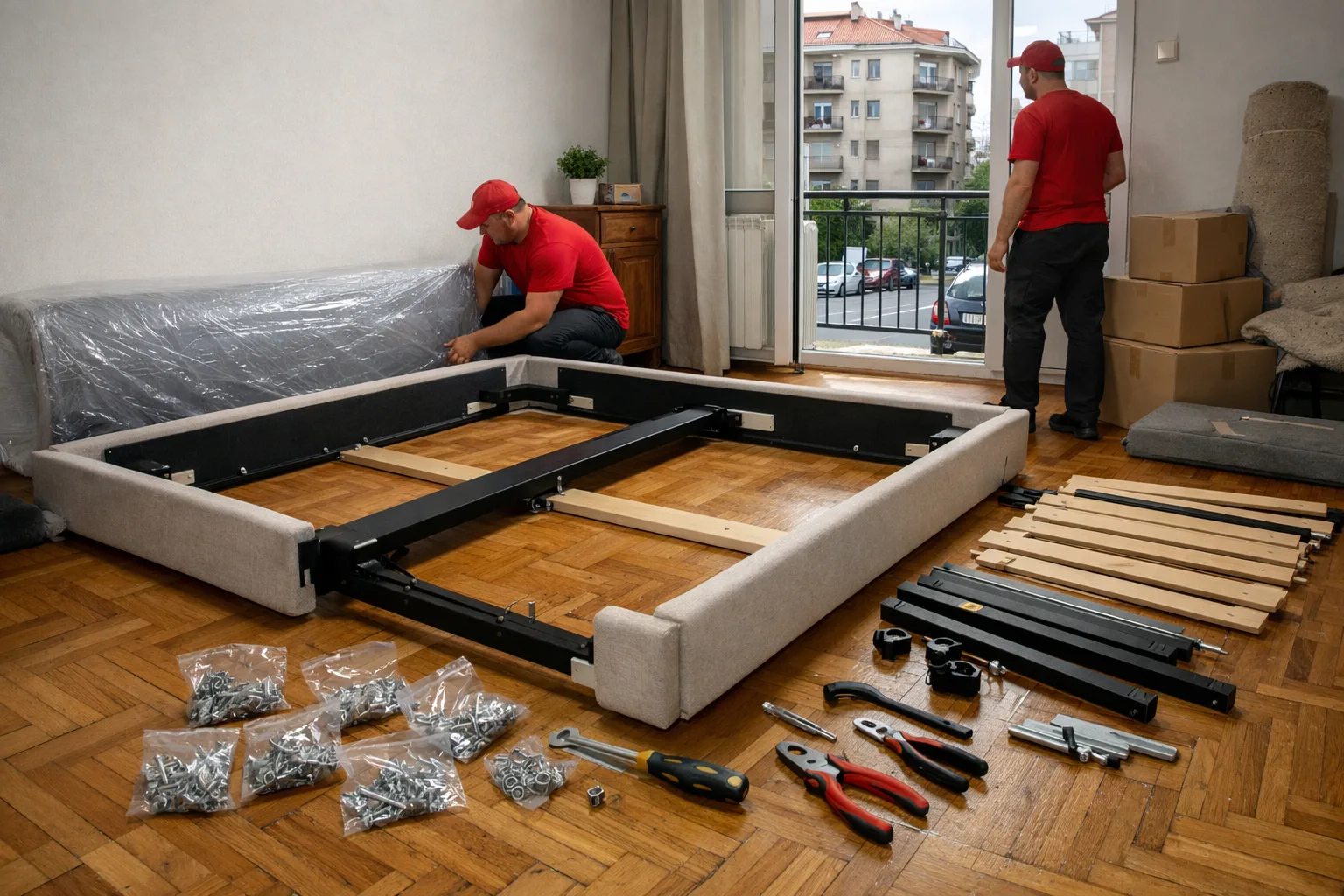
Before you start disassembling the bed, it is important to ensure there is enough space around the bed to work freely. Remove all items from the bed and its surroundings to avoid damage or accidents. Also, check that the floor is clean and level, which will make handling heavy parts easier. Additionally, it is recommended that the area is well-lit so you can clearly see all joints and screws during disassembly.
Prepare the necessary tools, such as a screwdriver, pliers, and rope or straps for securing parts. Also, have appropriate packing materials ready, like protective films, bubble wrap, and cardboard boxes. It is advisable to have a marker for labeling and adhesive tape to attach bags with screws to the corresponding parts. If you have an electric screwdriver, it can significantly speed up the disassembly process, but use it carefully to avoid over-tightening or damaging screws.
Good organization of tools and materials helps the process go faster and safer. Label boxes and bed parts immediately after packing, which will later facilitate assembly and locating parts. It is recommended to make a brief note or diagram of the parts layout to avoid confusion during reassembly. Also, if you have an assistant, communicate clearly about the next steps and divide tasks, which will further increase efficiency and reduce the chance of errors.
First, remove the mattress and bedding from the bed. Pack the mattress separately, using protective film and plastic covers that shield it from dirt and damage. Before packing, check that the mattress is completely dry to prevent mold during storage or transport. If the mattress is older or stained, it is recommended to clean or refresh it thoroughly before packing. If you prefer to leave this part of the move to professionals, you can hire furniture transport services that include careful handling and protection of the mattress.
Next, carefully disassemble the bed frame. Start by removing the headboard and side panels, taking care not to damage the wood or metal parts. Keep screws and smaller parts in bags that you will tape to larger parts or place in labeled boxes. Use magnetic trays or compartmentalized boxes to organize smaller parts. Avoid using excessive force during disassembly to prevent damage to joints or surface materials.
Pay attention to the manufacturer's instructions if available, as different bed models have specific disassembly methods. If unsure, photograph the steps during disassembly to make reassembly easier. Also, write down the disassembly order and any special notes to keep in mind during assembly. These notes can be very helpful if you are moving the bed yourself or plan to reassemble it after a long time.
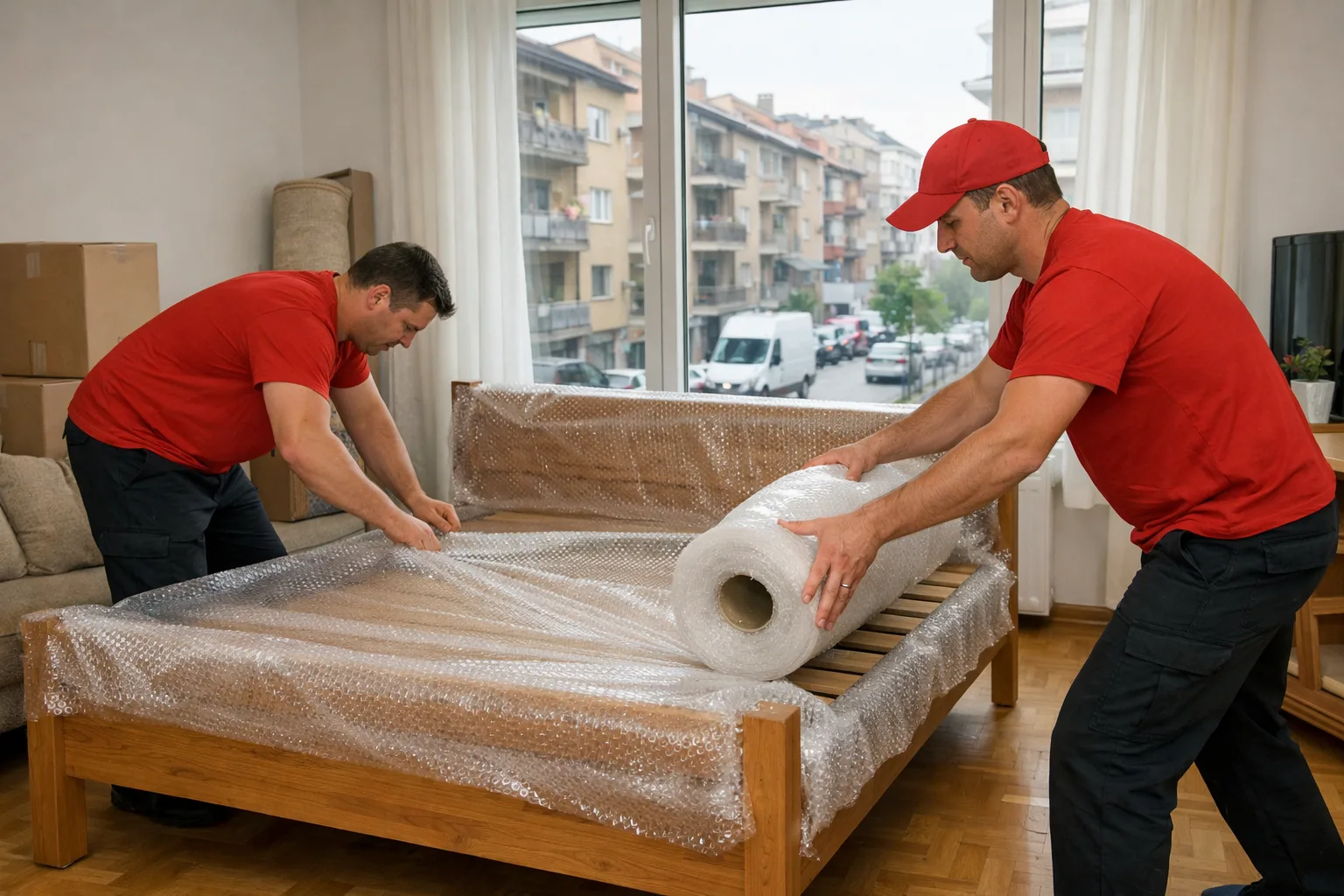
The mattress is one of the most important parts of a double bed that needs proper protection. Before packing, vacuum and freshen it to remove dust and any odors. If possible, air it out for several hours before packing. Also, check for any damage or stains that should be cleaned before packing.
Use plastic covers or special mattress bags that are waterproof and dust-resistant. If you don't have a special cover, you can use thick plastic wrap and protective tape to secure it. Make sure the wrap is tightly sealed with no holes where moisture could enter. For extra protection, you can also wrap the mattress in bubble wrap, especially if the transport is long or there is a risk of damage.
Pack bedding in separate bags or boxes, especially if it is clean and folded. Also, label the boxes with bedding so you can easily find them upon arrival at the new location. It is advisable to pack bedding just before the move to keep it fresh and clean. If the move takes longer, consider using vacuum bags that save space and protect fabrics from dust and moisture.
The bed frame can be made of wood, metal, or a combination of materials. Each requires special care during packing to prevent damage. Before packing, check that all parts are dry and free of damage that could worsen during transport. If you notice loose joints, tighten them before packing.
Wrap wooden parts with bubble wrap or old blankets, especially corners and edges, to avoid scratches and impacts during transport. For additional protection, you can use cardboard corners or special furniture protective tapes. Also, if the frame is heavy, consider using handles or straps for easier carrying and handling.
You can protect metal parts with a thin layer of cotton fabric or wrap, but be careful to avoid scratches that could cause rust. Be sure to clearly label all parts before packing. Also, check that all screws and connectors are tightly fastened to avoid losing them. If possible, coat metal parts with anti-corrosion protection, especially if they will be exposed to moisture during transport or storage.
When disassembling a double bed, it is important to neatly organize and label every part and screw. Use small plastic bags or boxes for screws and connectors, and attach them to the corresponding parts or keep them together. This will save you time and reduce stress during reassembly. You can also use different colored markers or stickers for additional visual identification of parts.
Make a list of parts and label them with numbers or letters corresponding to their place on the bed. This will greatly facilitate reassembly and reduce the chance of losing important elements. You can also use digital note apps or photos to further organize the process. It is recommended to save the list and photos on your phone or computer, as well as to make a printed version for easier access during assembly.
If you took photos during disassembly, use them as a visual aid during assembly. Also, write down special notes about the order and direction of placing parts. These notes can be valuable even if you plan to assemble the bed after a long time. Additionally, if you have a more complex bed model, consider recording a short video during disassembly for an even better reference.
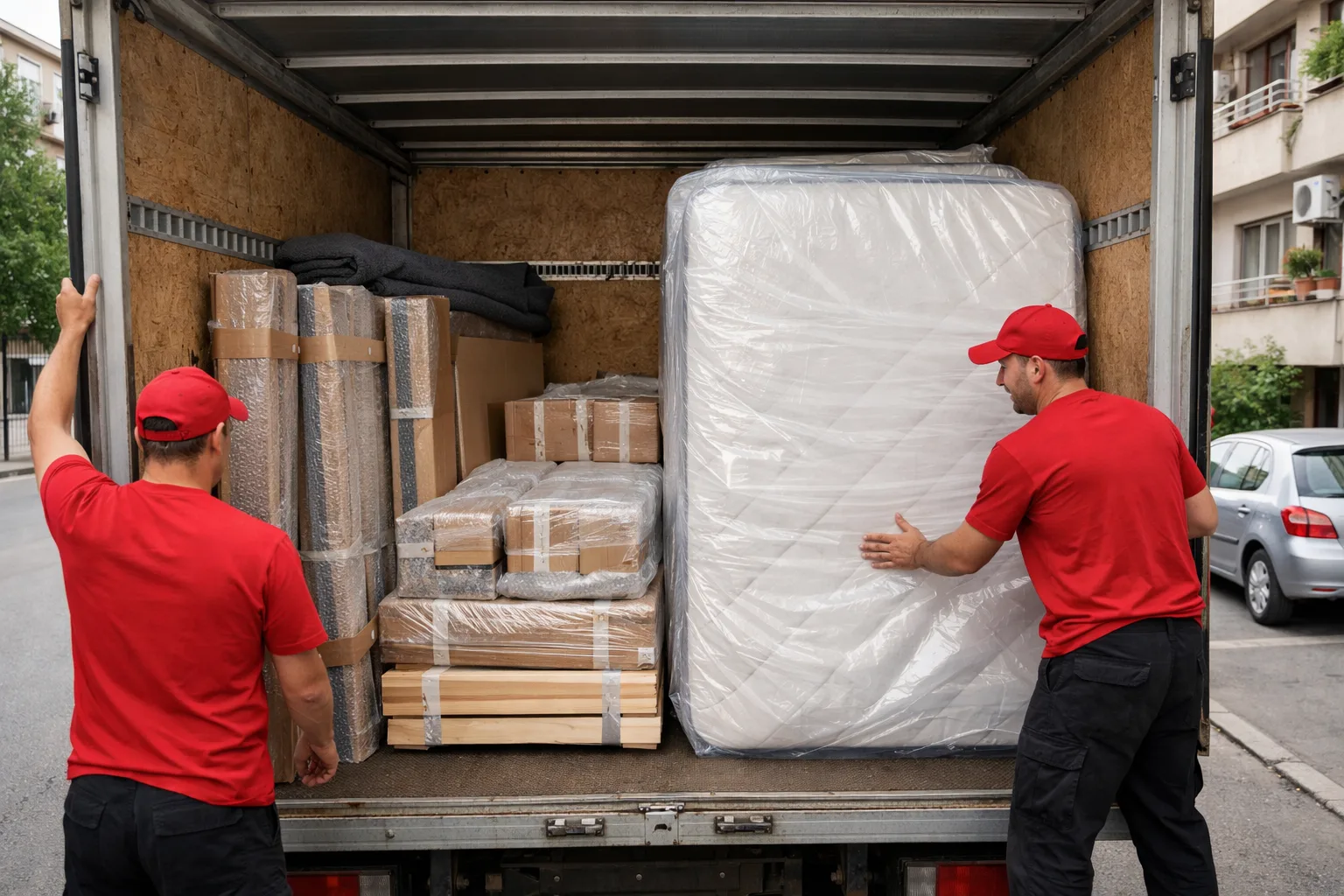
When loading parts of a double bed into a vehicle, place heavier and larger parts at the bottom, and lighter and more delicate parts on top. This reduces the risk of damage during the ride. Also, distribute the weight evenly to avoid uneven vehicle loading. If you are driving alone, check that all parts are securely fastened before departure.
Use straps or tie-downs to secure parts and prevent movement. Be careful that the pressure from the straps does not damage the materials. It is recommended to use special straps with protective pads for delicate parts. Also, check that the straps are properly tightened and there is no risk of slipping during transport.
If possible, rent a vehicle with enough space or hire a professional moving team with workers experienced in transporting large furniture pieces. Professionals often have additional equipment for protecting and properly securing furniture during transport. They can also assist with carrying and placing the bed at the new location, which can be very helpful if you don't have enough people or experience.
If you do not plan to assemble the bed immediately at the new location, ensure a dry and protected place for storing the parts. Moisture and dust can damage wood and fabrics. Ideally, the space should be well ventilated and protected from direct sunlight. Also, avoid rooms with large temperature fluctuations that can affect the materials.
Store bed parts in a horizontal position, especially wooden boards, to avoid bending or deformation. Place them on a breathable surface such as a wooden pallet or old carpet. Avoid direct contact with concrete floors that can retain moisture. If possible, cover the parts with protective cloths or breathable wrap that allows air circulation.
Regularly check the condition of the parts during storage and, if necessary, provide additional protection or cleaning, especially if the storage period is extended. Periodically verify that the parts are dry and free from damage or insects. If you notice any changes, act promptly to prevent permanent damage.
Plan your packing several days in advance and avoid leaving disassembly to the last minute. A good schedule and timeline reduce stress and mistakes. Also, involve family members or friends in the process to speed up the work and reduce effort. Working together can make the process both more enjoyable and less tiring.
Use quality packing materials and do not rush when disassembling and packing. Attention to detail ensures the safety of the bed parts. Investing in good protection can prevent additional costs due to damage or loss of parts. Also, regularly check that the parts are well protected during packing and transport.
If you are unsure of your abilities, consider hiring professional packing services for moves who know how to safely and efficiently pack and transport a double bed. This will save you time and reduce the risk of damage, while also providing extra security throughout the moving process. Professional services often include insurance, which can be an additional advantage.
Why is it important to disassemble furniture before moving?

How to assemble furniture after moving?

7 reasons not to assemble furniture yourself

How to assemble furniture after moving abroad?
We will respond to you as soon as possible.
Below we answer the most common questions related to packing a double bed during a move, helping you resolve specific doubts and avoid problems.
The mattress should be carefully cleaned, vacuumed, and protected with a plastic cover or a special mattress bag. Be sure to remove moisture before packing and use bubble wrap or thicker plastic to avoid damage and dirt during transport.
Although not always mandatory, disassembling the bed frame significantly facilitates transport and reduces the risk of damage. It also allows for more efficient packing and saves space in the moving vehicle.
It is recommended to place screws and connecting parts in small plastic bags or boxes that you can tape to the corresponding frame parts or keep together in a clearly labeled box. This prevents loss and makes reassembly easier.
For wooden parts, it is best to use bubble wrap, old fabric, or thick blankets to protect corners and edges. Also, be sure to avoid direct exposure to moisture and impacts during transport.
Pack bedding and pillows in separate bags or boxes that are clearly labeled. It is recommended that the bedding be clean and folded so it remains neat and ready for use after the move.
Moving professionals have the experience and equipment needed for safe disassembly, packing, and transport of the bed. If you lack time or experience, hiring experts may be the best option for a safe move.
Secure all parts with belts or straps, wrap delicate parts with protective materials, and carefully arrange the parts in the vehicle. Drive carefully to avoid sudden shocks or shifting of the parts.