
Assembly and Disassembly Tips
Why is it important to disassemble furniture before moving?
Why is it important to disassemble furniture before moving?

Enter at least 3 characters.
Moving abroad brings many challenges, and assembling furniture upon arrival at your new home is one of them. Whether you brought foldable furniture or purchased new pieces, proper organization and understanding of the process are key to a quick and efficient start to life at your new address. This guide will provide you with detailed advice on how to assemble furniture easily and stress-free, even if you're not a handyman. Besides the basic steps, it's important to understand how to prepare mentally and physically for this task, as a good plan and patience often make the difference between success and frustration. Additionally, in this text, you will learn how to avoid common mistakes and how to make the most of available resources, including digital tools and user communities. Preparing to assemble furniture may seem like a complicated task, but with the right approach and organization, it can become a simple and even satisfying process. It's important to approach each step with clarity and patience, as this will significantly contribute to the quality and durability of your furniture. Below you will find detailed tips to help you avoid stress and unnecessary mistakes, and to enjoy your new space from the very beginning.

Before you start assembling furniture, it’s important to prepare the space. Choose a clean, flat, and sufficiently spacious room where you will work, so you can comfortably lay out all the furniture parts. Ensure good lighting and ventilation, as you may spend several hours on this process. A well-chosen workspace allows you to work without interruptions and reduces the risk of damaging the furniture or injuring yourself.
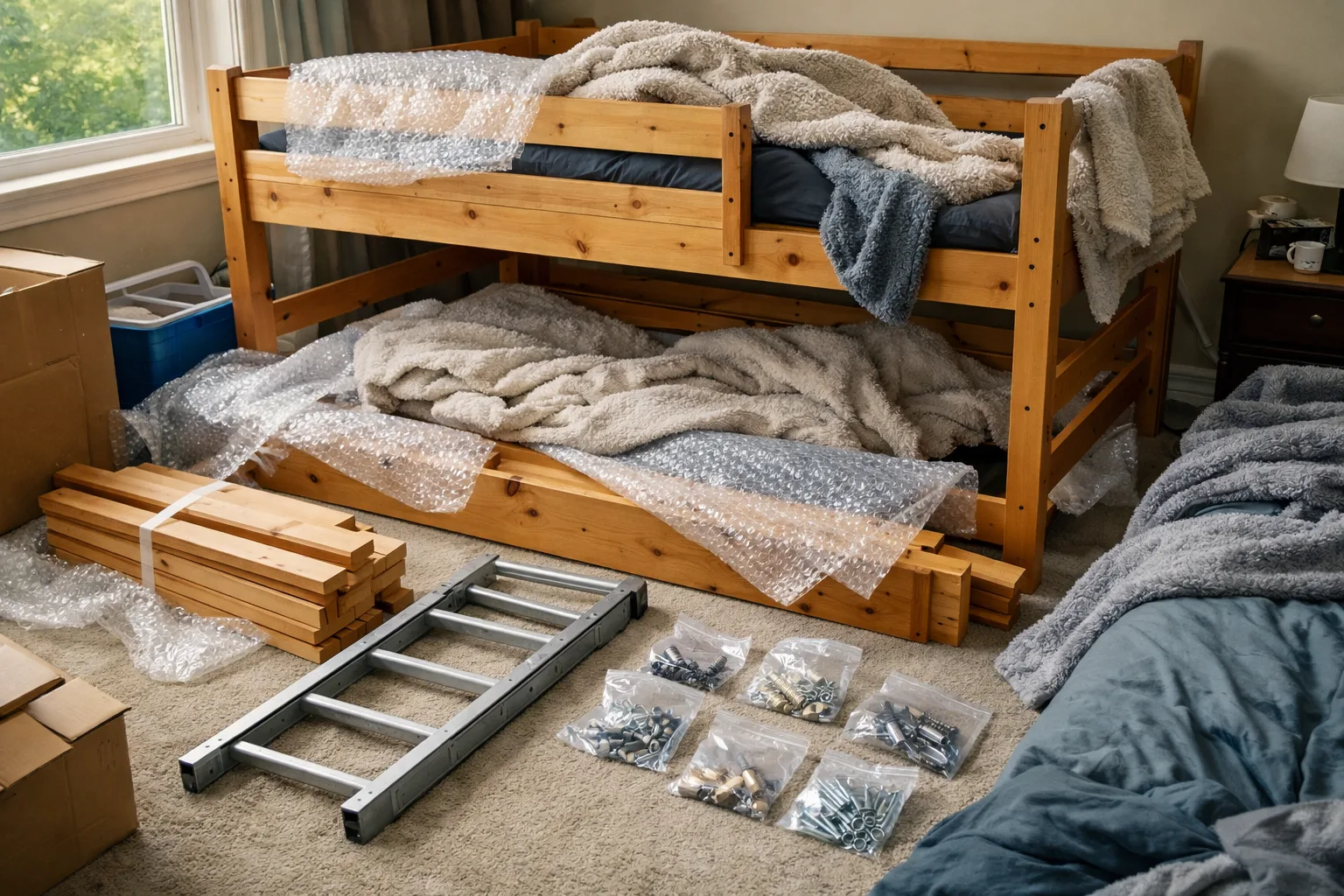
Remove all unnecessary items from the room to avoid damaging the furniture or causing injuries during assembly. Also, place protective coverings on the floor, such as old blankets or cardboard sheets, to prevent scratches or floor damage. These coverings can also help prevent parts from slipping during work, increasing safety and efficiency.
Before you begin, inspect all furniture parts and check that you have all the necessary tools and instructions. If anything is missing or unclear, contact the seller or check online resources for additional explanations. It is also recommended to prepare a box or container for small parts in advance to keep them in one place and prevent losing them during work.
Additionally, consider setting up a work table or low stand where you can work standing or sitting, which can reduce strain and fatigue. If possible, provide a chair with back support, as this will help you maintain good posture during extended work. Also, check if you have enough space to store assembled parts so you can easily access them during further steps.
Don’t forget to prepare a space for disposing of packaging and waste generated during assembly. An organized area for trash and recycling will help you keep the workspace tidy and safe, contributing to efficiency and reducing the risk of injuries.
Carefully arrange all furniture parts on the floor by groups – for example, separate all screws, boards, and metal elements into distinct groups. This will help you find the necessary parts faster during assembly and avoid wasting time. Organizing parts in advance reduces stress and allows you to focus on each step without unnecessary interruptions.
Prepare the basic tools you will need, such as a screwdriver (preferably a set with various bits), hammer, pliers, measuring tape, and, if necessary, an electric screwdriver. If you don’t have some of these tools, consider buying or borrowing them, as they will save you a lot of time and effort. Also, keep extra batteries or extension cords for electric tools handy to avoid interruptions during work.
Carefully study the assembly instructions before starting work. They often contain useful tips and illustrations explaining the order of steps and how to fasten parts. If the instructions are in a foreign language, look for translations or video tutorials that can help. It’s also useful to take brief notes or photos during the process, which can assist if you need to reassemble or disassemble later.
In addition to basic tools, it is recommended to have auxiliary items on hand, such as rubber mallets for gently aligning parts and adhesive tapes for temporarily fixing parts during assembly. Also, compartment organizers can be very helpful for keeping small parts in one place and preventing them from mixing.
Don't forget to check that all tools are in proper condition before starting work. Sharp screwdrivers and well-lubricated mechanisms will make the job easier and reduce the risk of damaging screws or furniture parts. Regular tool maintenance contributes to efficiency and safety during assembly.
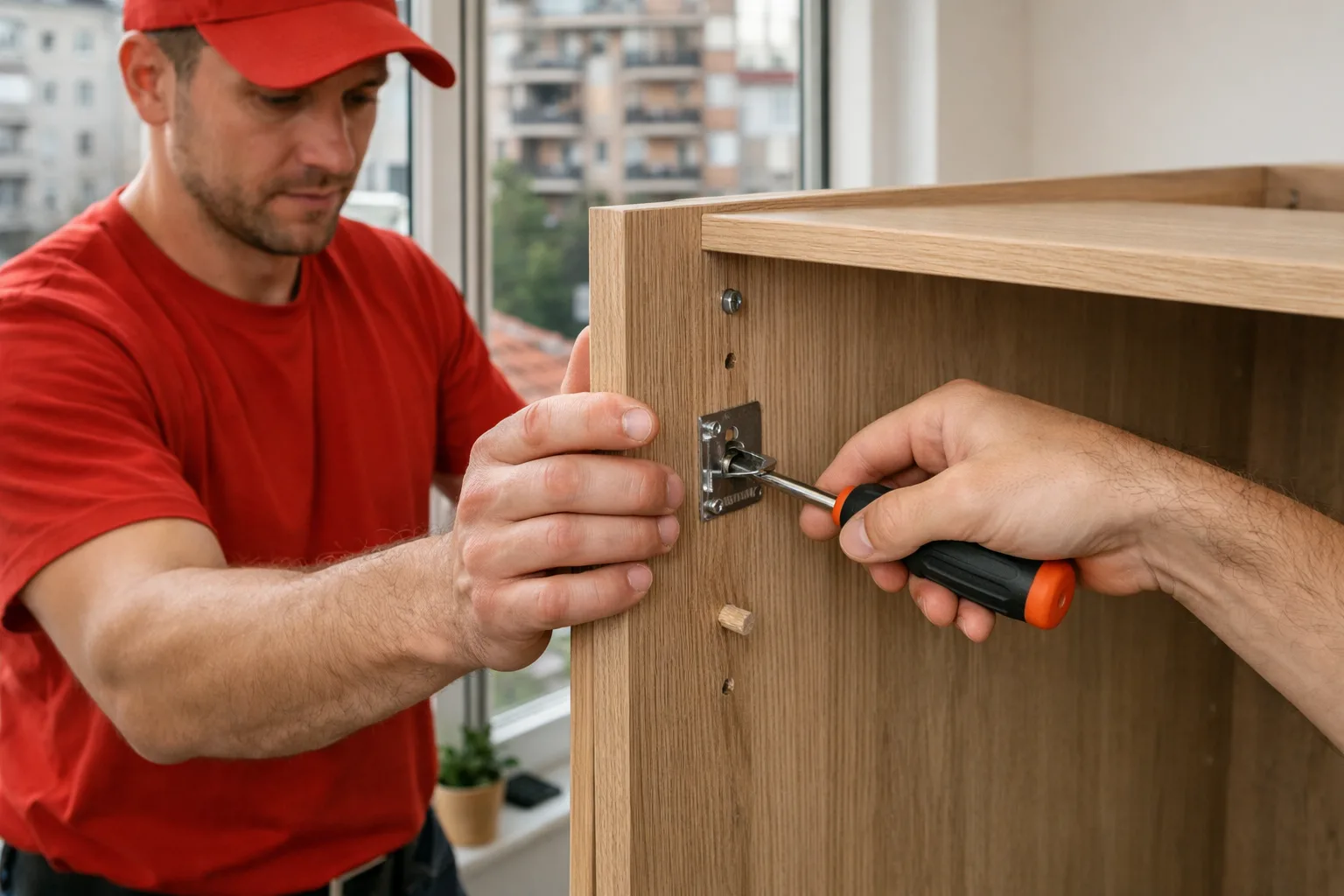
Start with the base or the most important part of the furniture, for example, the bed frame or the wardrobe base. These parts are crucial for the stability of the entire structure and require careful assembly. Properly setting the base ensures that the rest of the furniture will be sturdy and durable.
Use a measuring tape to precisely align parts before securing them. Do not overtighten screws before verifying that everything is correctly positioned, as excessive tightening can damage the material or complicate further assembly. Also, periodically check the angles and straightness of the structure to avoid deformations.
If you have an assistant, take the opportunity to jointly verify the correctness of each step. Two people can more easily hold parts in place and prevent potential damage during assembly. Additionally, working together can speed up the process and make it more enjoyable, especially with larger and heavier furniture pieces.
It is also recommended to use temporary joining methods during the initial steps, such as lightly screwing in screws or using clamps, so you can easily make adjustments before final tightening. This approach reduces the risk of mistakes and allows you to adjust the position of parts before permanently joining them.
Don't forget to regularly consult the instructions during each step. It often happens that some details differ from expectations, so it is important to follow the recommended order and assembly method to avoid extra work and disassembly.
Wear protective gloves to avoid cuts or blisters from sharp edges and tools. Also, wear comfortable clothing that won't restrict your movements. Preparing appropriate clothing and protective gear reduces the risk of injuries and allows you to focus on the task.
Work carefully and don't rush, especially when using power tools. Ensure cables are neatly arranged to prevent tripping and injuries. Also, take regular breaks to avoid fatigue, which can lead to mistakes and accidents.
If you have small children or pets, keep them away from the furniture assembly area to prevent accidents and protect furniture parts from damage. Consider organizing the space to be safe for other household members during the work.
In addition to basic measures, it is recommended to have a first aid kit on hand for minor injuries such as cuts or scratches. Also, pay attention to the proper use of tools, especially those with sharp or rotating parts, to avoid more serious injuries.
Take care of ergonomics during work – change your body position, use a standing mat if needed, and avoid prolonged bending or stretching. Proper ergonomics reduces the risk of back and joint pain, which is especially important if you plan to work for an extended period.
Sometimes parts may not fit in practice as shown in the instructions. In that case, check whether you used the correct screws and if the parts are oriented properly. Careful comparison with the instructions and additional checks can prevent further mistakes.
If you are missing some screws or special parts, try to replace them with similar ones from a local hardware store or order original parts from the manufacturer. Also, keep all original packages and parts until assembly is complete, as this will help in case of complaints or replacements.
If you accidentally overtightened a screw and damaged the thread, do not try to force the next steps. In such situations, you can use plastic or metal thread repair inserts or consult a specialist. Timely resolution of such issues prevents further damage and extends the furniture's lifespan.
Also, if you notice that some furniture parts wobble or don't fit perfectly, check whether all screws and connectors are properly placed and tightened. Sometimes a slight adjustment of parts or using additional washers for stabilization is necessary.
If you encounter problems not covered in the instructions, don't hesitate to seek help on forums or user communities. Others' experiences can be valuable and help you quickly resolve unexpected situations.
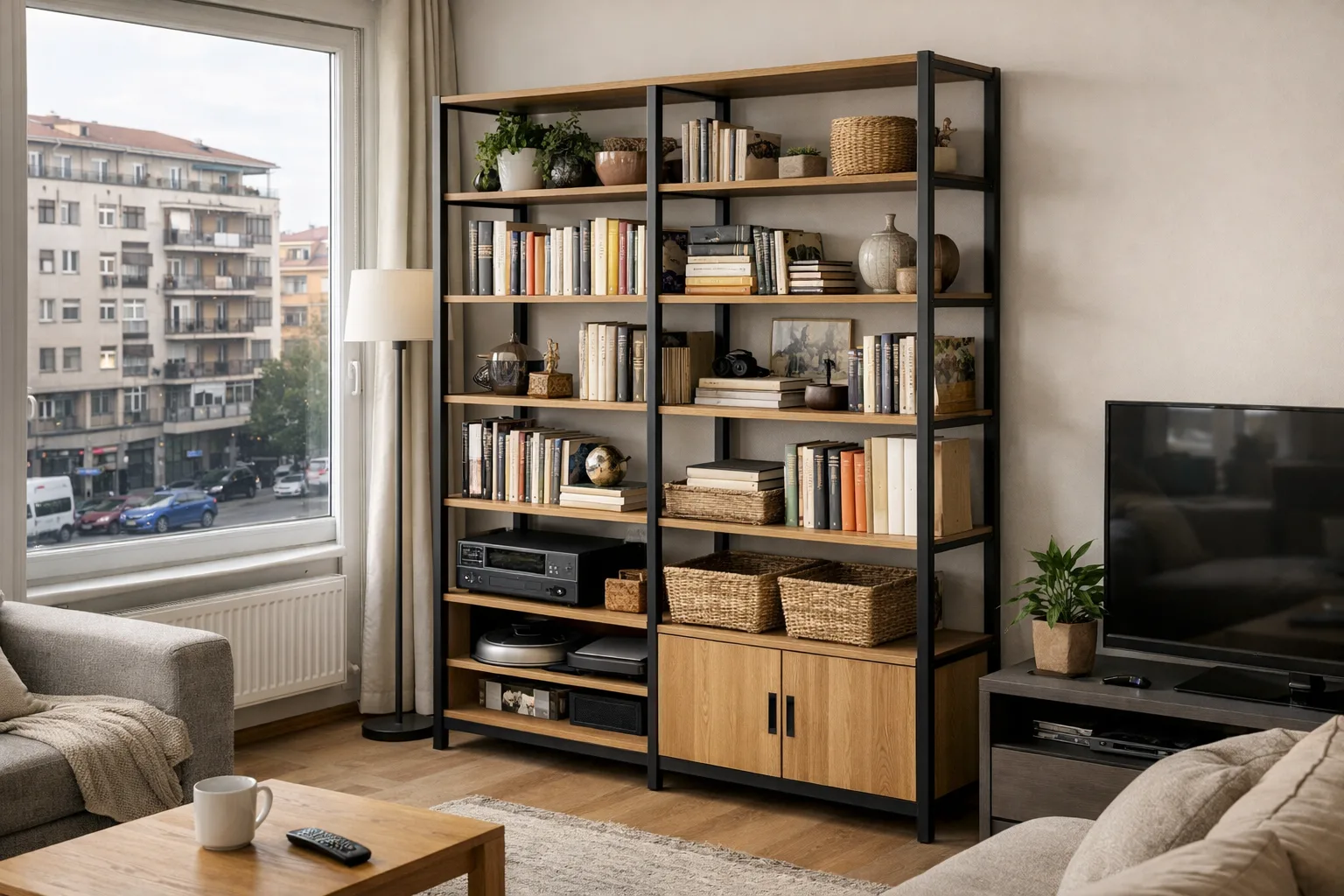
Read the instructions carefully and follow them step by step, without skipping any part. Often, the assembly order is important to prevent mistakes and damage. A good understanding of each step reduces the likelihood of needing to disassemble and reassemble.
Illustrations in the instructions often show the exact position and orientation of parts, which can be very helpful if the descriptions are unclear or in a foreign language. Use them as visual support and compare with the actual parts during the process.
If the instructions are unavailable or incomplete, look for online video tutorials or forums where other users share their experiences and tips for the same furniture model. Actively using these resources can help you solve specific problems and speed up the assembly process.
It is also recommended to take photos or short videos of each step during the process. This can be useful if you need to disassemble the furniture later or want to share your experience with others. Digital documentation makes it easier to track and return to previous steps.
If you find any step unclear, do not hesitate to contact the manufacturer or seller for additional information. Many brands offer technical support via phone or email, which can be very helpful in resolving doubts.
If the furniture consists of many parts or is particularly complex, hiring a professional for furniture assembly can save you time and stress. Experts have the experience and tools to enable fast and precise assembly.
Check the furniture’s stability by gently rocking or pressing it. If it moves or creaks, locate the problematic joints and tighten them further. Also, check that all moving parts, such as drawers or doors, are properly installed and function smoothly.
In some cases, especially with expensive or specialized furniture, professional assembly can prevent damage that might occur from unsuccessful attempts to assemble it yourself. Additionally, experts often provide a warranty on their work, which further increases purchase security.
It is recommended to let the furniture rest for a few hours after assembly before using it intensively. This allows the materials to stabilize and reduces the risk of damage from initial stresses.
If you are unsure whether to assemble the furniture yourself or hire a professional, consider your time, availability of tools, and personal skills. Sometimes investing in professional furniture assembly services can be a more cost-effective and less stressful solution.
If the furniture consists of many parts or is particularly complex, hiring a professional can save you time and stress. Experts have the experience and tools to enable fast and precise assembly.
Also, if you lack basic tools or assembly experience, a professional will ensure everything is properly and safely installed. This is especially important for heavier or technically demanding furniture pieces.
In some cases, especially with expensive or specialized furniture, professional assembly can prevent damage that might occur from unsuccessful attempts to assemble it yourself. Additionally, experts often provide a warranty on their work, which further increases purchase security.
Before hiring a professional, it is recommended to clearly define the scope of work and check the references or recommendations of the craftsman. Choosing the right professional can significantly contribute to the quality and speed of assembly, as well as your satisfaction.
If you are unsure whether to assemble the furniture yourself or hire a professional, consider your time, availability of tools, and personal skills. Sometimes investing in professional services can be a more cost-effective and less stressful solution.
Why is it important to disassemble furniture before moving?

How to assemble furniture after moving?

7 reasons not to assemble furniture yourself
We will respond to you as soon as possible.
Below we address the most common dilemmas and issues faced by those assembling furniture upon arriving at a new home abroad.
Before starting assembly, carefully check the contents of the package and compare them with the parts list in the instructions. If anything is missing, contact the seller or furniture manufacturer for a replacement.
Basic tools include a screwdriver with various bits, a hammer, pliers, a measuring tape, and if possible, an electric screwdriver. These tools make the process easier and faster.
Check if you have correctly identified the parts and used the appropriate screws. If the problem persists, consult the seller or look for online tutorials for the same model.
Use protective coverings such as cardboard sheets or old blankets at the assembly site to prevent scratches or damage to the floor and furniture parts.
If you have experience and the necessary tools, you can assemble the furniture yourself. However, for complex or valuable pieces, professional assembly is safer and often more efficient.
Gently move or rock the furniture to check for wobbling or creaking joints. If you notice issues, tighten screws and joints further.
The time depends on the complexity of the furniture and your experience, but assembling an average wardrobe or bed typically takes between one and three hours.