
Assembly and Disassembly Tips
Why is it important to disassemble furniture before moving?
Why is it important to disassemble furniture before moving?

Enter at least 3 characters.
Assembling furniture after moving is one of the key steps in adapting to a new space. Although it may seem like a simple task, it often turns out to be a challenge that requires careful planning and organization. Whether you are an experienced handyman or tackling this for the first time, proper preparation and a systematic approach can significantly ease the entire process. In this guide, we will provide you with detailed advice and practical steps to help you assemble furniture quickly, efficiently, and without unnecessary stress. You will learn how to prepare the space, organize your tools, correctly read the instructions, and avoid common mistakes, enabling your new home to become functional and comfortable as soon as possible.

Preparing an adequate space for furniture assembly is the first and one of the most important steps. Choose a room that is spacious enough and well-lit, as this will allow you to clearly see all parts and instructions. If possible, work in a room with a flat floor to avoid stability issues with the furniture during assembly.
It is recommended that the space be clean and organized, free of unnecessary items that could interfere with work or cause loss of small parts. Place a work surface, such as a soft mat, cardboard, or an old blanket, to protect the floor and furniture parts from scratches and damage. This is especially important for furniture made of lacquered wood or delicate materials. If you need a professional furniture assembly service, you can hire experts who will complete the job quickly and safely.
Also, ensure access to electrical outlets if you are using power tools. Organize all necessary tools and screws in one place, using small boxes or sorting containers, which will help you avoid wasting time searching for needed components during work. This way, everything will be within reach and the risk of losing parts will be minimized.
Additionally, consider ventilation of the space, especially if you use glue or other chemical products during assembly. Good airflow contributes to a safer and more pleasant working environment. If you have an assistant, arrange the workflow and storage areas for parts so the process runs smoothly and without obstacles.
The assembly instructions are your most important guide during furniture assembly. Before starting any work, read each step thoroughly and familiarize yourself with all included parts. Pay special attention to the assembly order, as skipping steps can lead to problems later on.
If the instructions are unclear or lack illustrations, do not hesitate to seek additional sources of information. The internet is rich with video tutorials and forums where users share their experiences and tips for assembling the same or similar furniture models. These resources can be very helpful, especially if you encounter complicated parts or unclear instructions.
It is important not to improvise or change the order of steps without understanding the consequences. Improper assembly can lead to furniture instability, part damage, or even injuries. Patiently follow every detail and check that all parts are correctly placed before moving on to the next step.
Also, record or photograph each completed step, which can be useful if you need to disassemble the furniture or review the process again. This practice facilitates tracking and reduces the chance of errors during more complex assemblies.
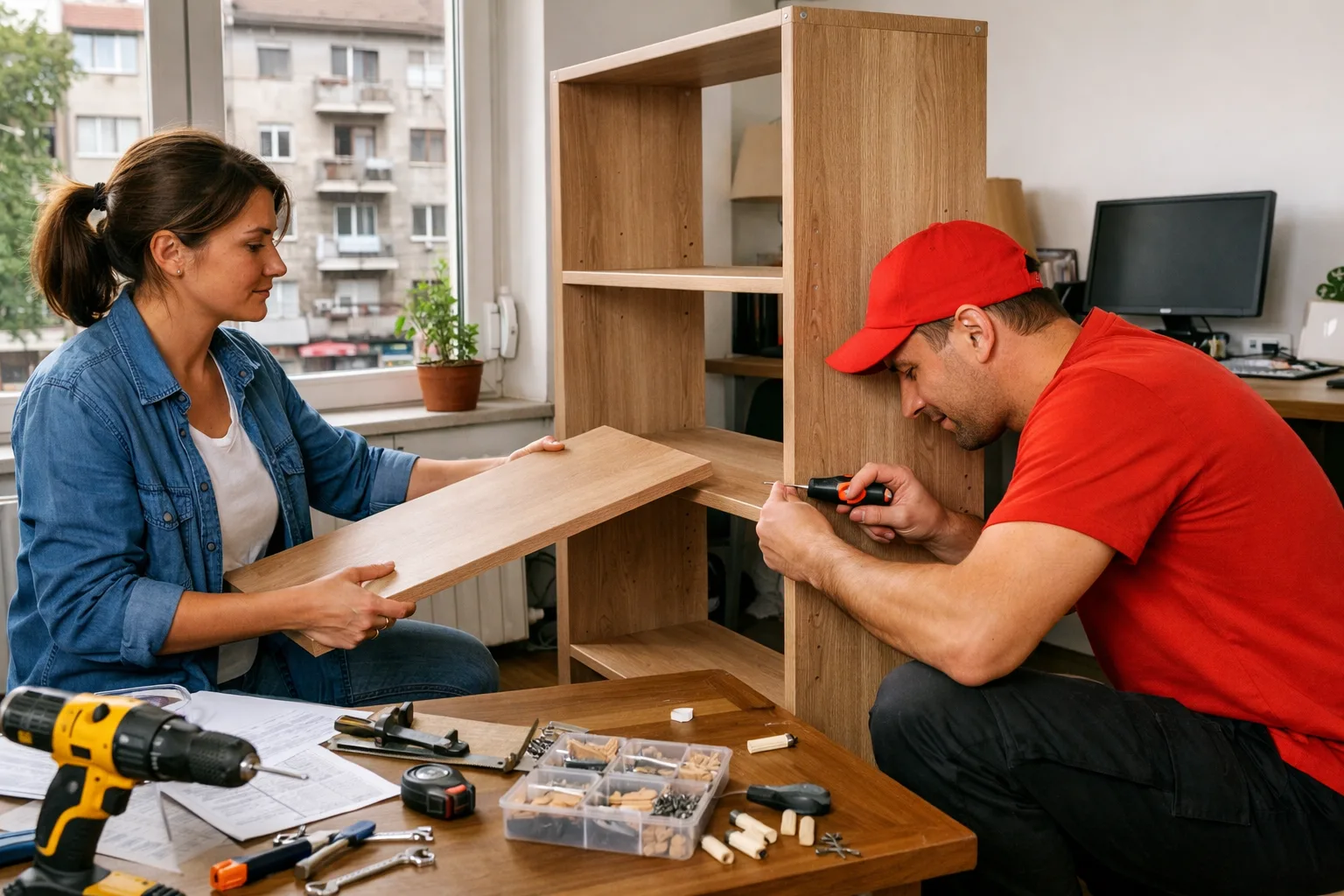
Proper preparation of tools significantly contributes to the efficiency and quality of furniture assembly. You will most often need basic tools such as screwdrivers (Phillips and flathead), pliers, hammer, measuring tape, level, and possibly an electric screwdriver for faster screwing. Before starting work, check that all tools are functional and ready for use.
Organize your tools so they are easily accessible throughout the process. Ideally, place them on a workbench or in a box next to the assembly area to avoid unnecessary searching and interruptions. Also, keep spare batteries for electric tools at hand so you don’t have to stop working due to dead batteries.
If you don’t have a specific tool, consider borrowing from a friend or purchasing one at a local hardware store. Avoid using improvised or inadequate tools, as this can cause damage to the furniture or injuries. For example, using an oversized screwdriver can damage the screw head, while an inappropriate hammer can damage the furniture surface.
Also, have additional supplies on hand such as wood glue, masking tape, or protective gloves, which can be useful at certain stages of assembly. Preparing everything in advance contributes to uninterrupted and safe work.
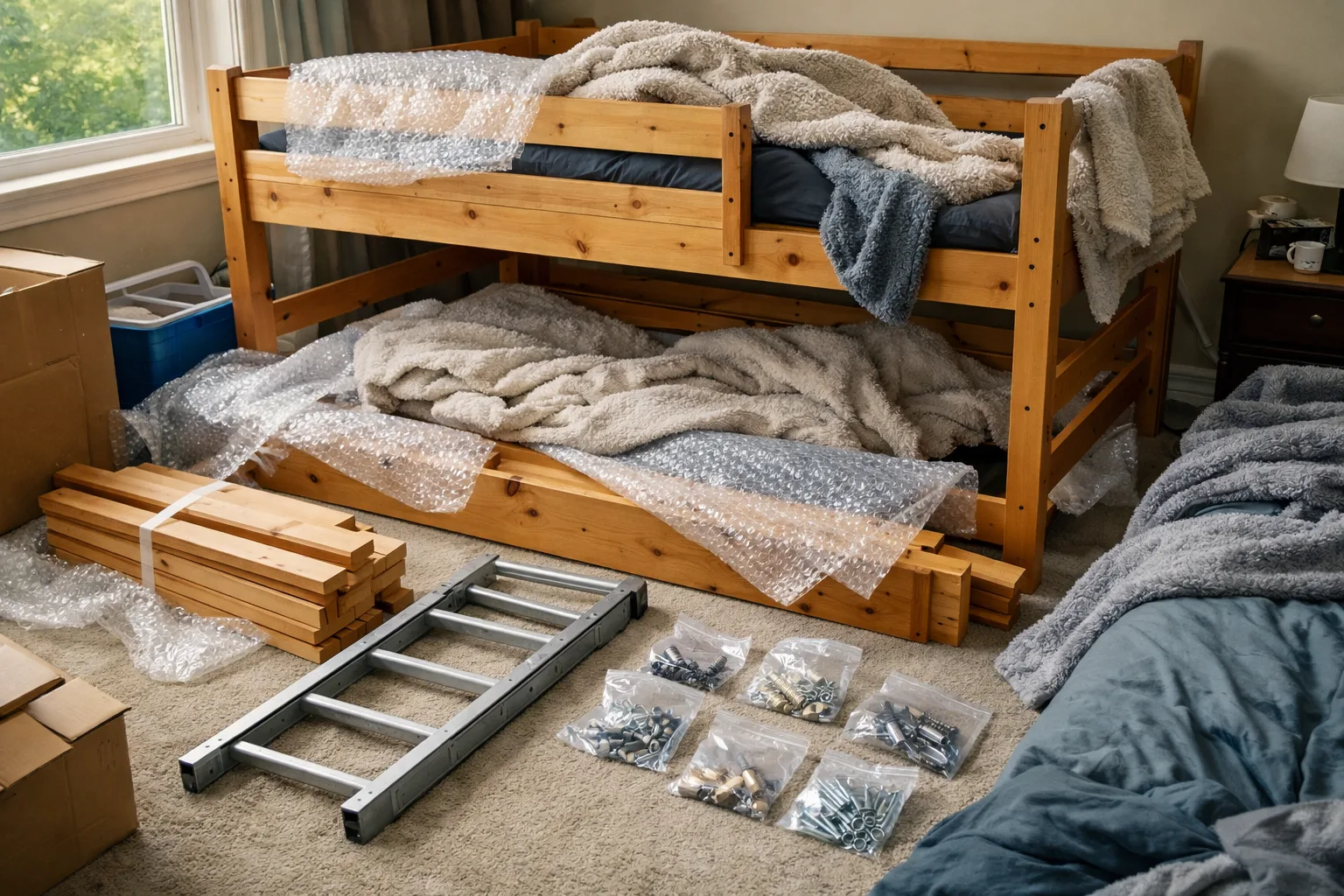
Sorting and inspecting parts before starting assembly is a crucial step that can save a lot of time and frustration. Begin by unpacking all components and arranging them by size, shape, and function. This will allow you to easily find the necessary parts during work.
Carefully inspect each furniture part for damage, scratches, or irregularities. If you notice any missing or damaged parts, immediately contact the seller or manufacturer to resolve the issue before continuing with assembly. This is important to avoid unnecessary disassembly and reassembly.
Pay special attention to smaller parts such as screws, dowels, metal brackets, and other connectors. Count them and sort them by type into small boxes or containers. This organization reduces the risk of loss and makes finding parts during assembly easier.
Also, label parts that are similar or have a specific orientation, for example with stickers or markers, to avoid mistakes during assembly. This additional organization can significantly speed up the process and increase accuracy.
One of the most effective tricks is not to tighten screws fully right away. First, lightly place them in position, leaving room for adjusting the parts. After connecting all components and checking their position, only then tighten the screws firmly. This technique allows for more precise alignment and reduces the risk of damage.
Use a measuring tape and level to check if the furniture parts are properly aligned and stable. This is especially important for shelves, wardrobes, and tables, where improper alignment can affect functionality and durability. Regular checks during assembly can prevent later problems.
If you have help, distribute tasks to make the process faster and more efficient. One person can hold parts in place while the other screws in the screws, reducing the chance of errors and damage. Also, working together can make assembly more enjoyable and less stressful.
Another useful tip is to use rubber or plastic pads under parts being assembled to protect the floor and furniture surfaces from scratches. Also, if working with lacquered wood furniture, use soft cloths or gloves to avoid fingerprints and damage.
Finally, if you notice a part doesn’t fit easily, don’t force it. Check if you have correctly identified the part and followed the instructions. Sometimes a slight adjustment or checking the orientation of parts is needed for everything to fit perfectly.
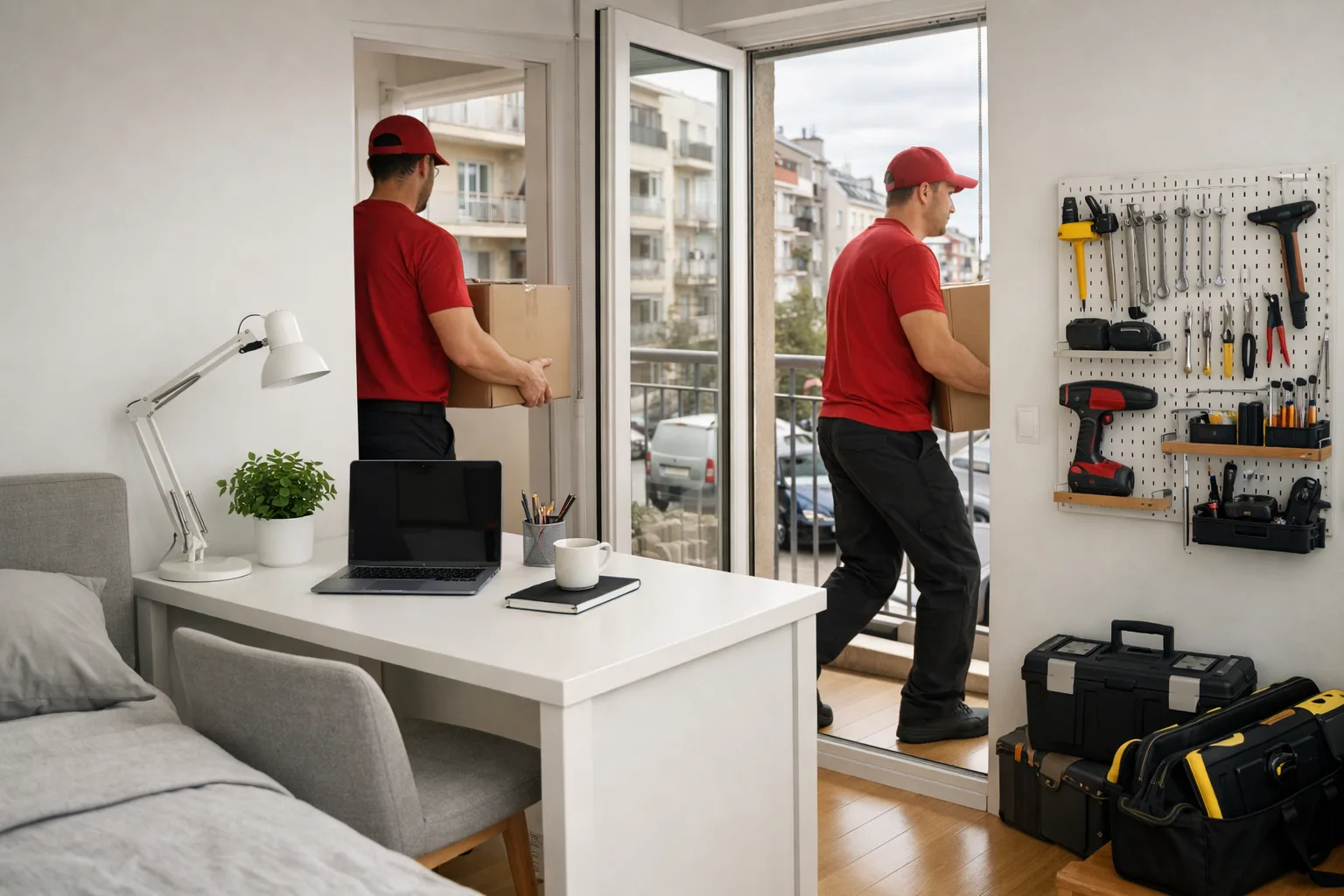
One of the most common mistakes is skipping steps in the instructions or incorrectly assembling parts. Always carefully check the order and whether the parts fit before connecting them. If you are unsure, refer back to the instructions or seek additional information before proceeding.
Over-tightening screws immediately can cause material damage, especially with particleboard or MDF furniture, which is prone to cracking. Therefore, it is important to first insert screws loosely and then gradually tighten them. This technique reduces the risk of breakage and extends the furniture's lifespan.
Pay attention to the orientation of the parts. It often happens that a shelf or side panel is positioned incorrectly, which can complicate further assembly or use of the furniture. Before connecting parts, check the markings and compare them with the instructions to avoid this mistake.
Also, avoid working in a rush or under pressure. Furniture assembly requires patience and precision. If you feel tired or frustrated, take a break and continue later. This way, you will reduce the chance of errors and damage.
Finally, remember to regularly check the stability and tightness of joints during assembly. If you notice that a part is not properly secured, fix it immediately before continuing.
After successfully assembling the furniture, it is important to thoroughly clean it from dust, sawdust, and material residues generated during assembly. Use a soft cloth or sponge and appropriate cleaning agents suitable for the furniture material, whether wood, metal, or upholstered parts.
Check the furniture's stability by gently moving it and listening for any creaking, wobbling, or other irregularities. If you notice any issues, tighten screws further or adjust the joints. This is crucial for the safety and durability of the furniture.
Neatly store tools and packaging remnants. Maintaining order in the space not only contributes to a better appearance but also facilitates future repairs or disassembly of the furniture. Consider recycling or properly disposing of packaging materials to help protect the environment.
Also, if necessary, place protective pads under the furniture to protect floors from scratches and damage. This is especially important for heavy pieces or those that are frequently moved.
Finally, take a photo of the assembled furniture and keep the instructions and spare parts in a safe place. This will be useful in case of future repairs or apartment moves.
To ensure your assembled furniture lasts long and retains its appearance, regularly check the tightness of screws and joints. Over time, they may loosen due to use or movement, so it is advisable to tighten them periodically.
Use appropriate care products for wooden, metal, or upholstered furniture. For example, special waxes or oils are recommended for wood to protect the surface and restore shine, while upholstery cleaners and fabric protectors are used for upholstered furniture.
Avoid direct exposure of furniture to sunlight and moisture, as this can cause color fading, deformation, or material damage. Place furniture in areas with stable environmental conditions and use curtains or blinds to protect against strong light.
If you plan future moves, label key parts and keep the assembly instructions. This will significantly ease disassembly and reassembly, reducing stress and the time needed to adapt to a new space.
Regular maintenance and careful handling of furniture extend its lifespan and make your home a more pleasant and functional living space.
Why is it important to disassemble furniture before moving?
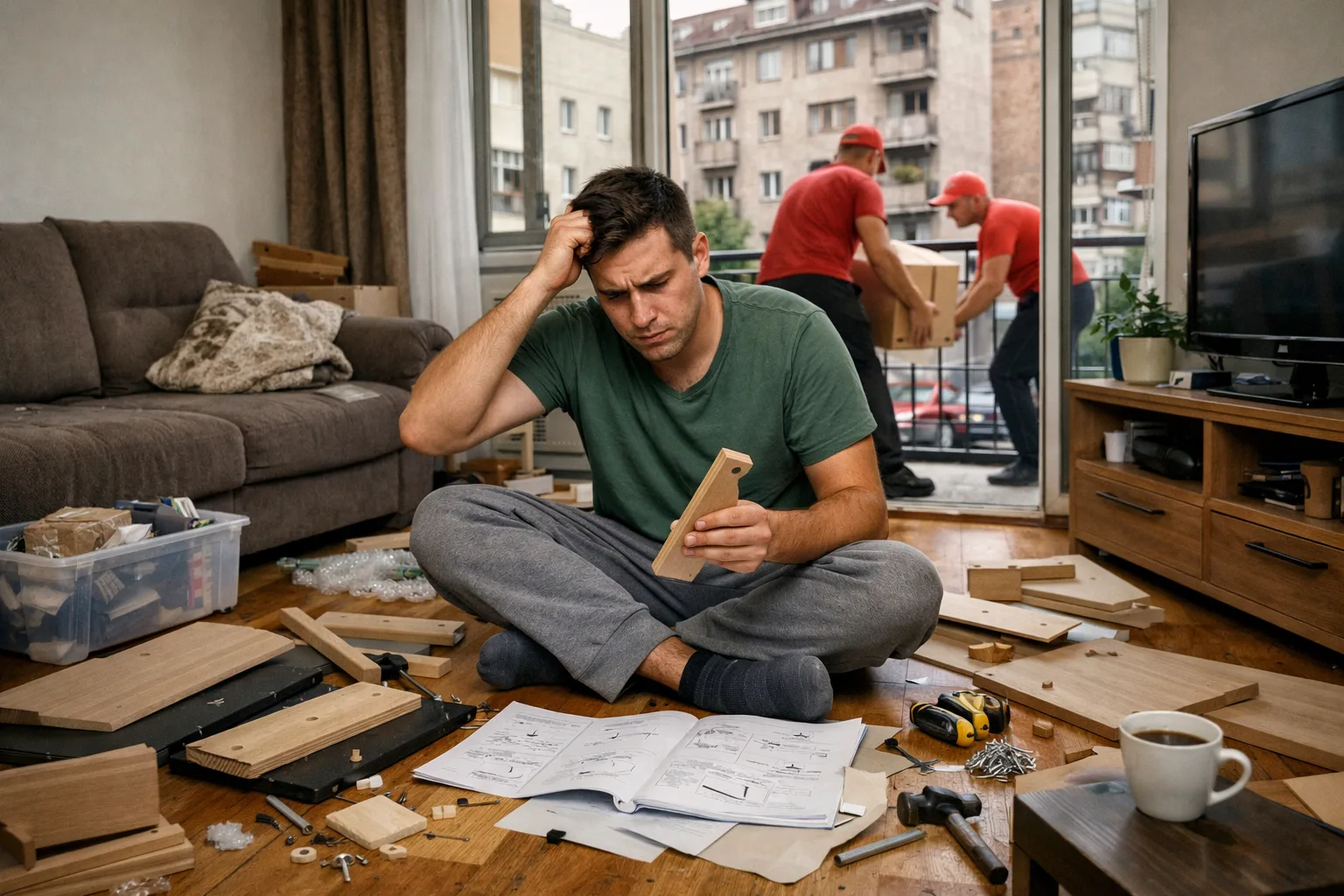
7 reasons not to assemble furniture yourself
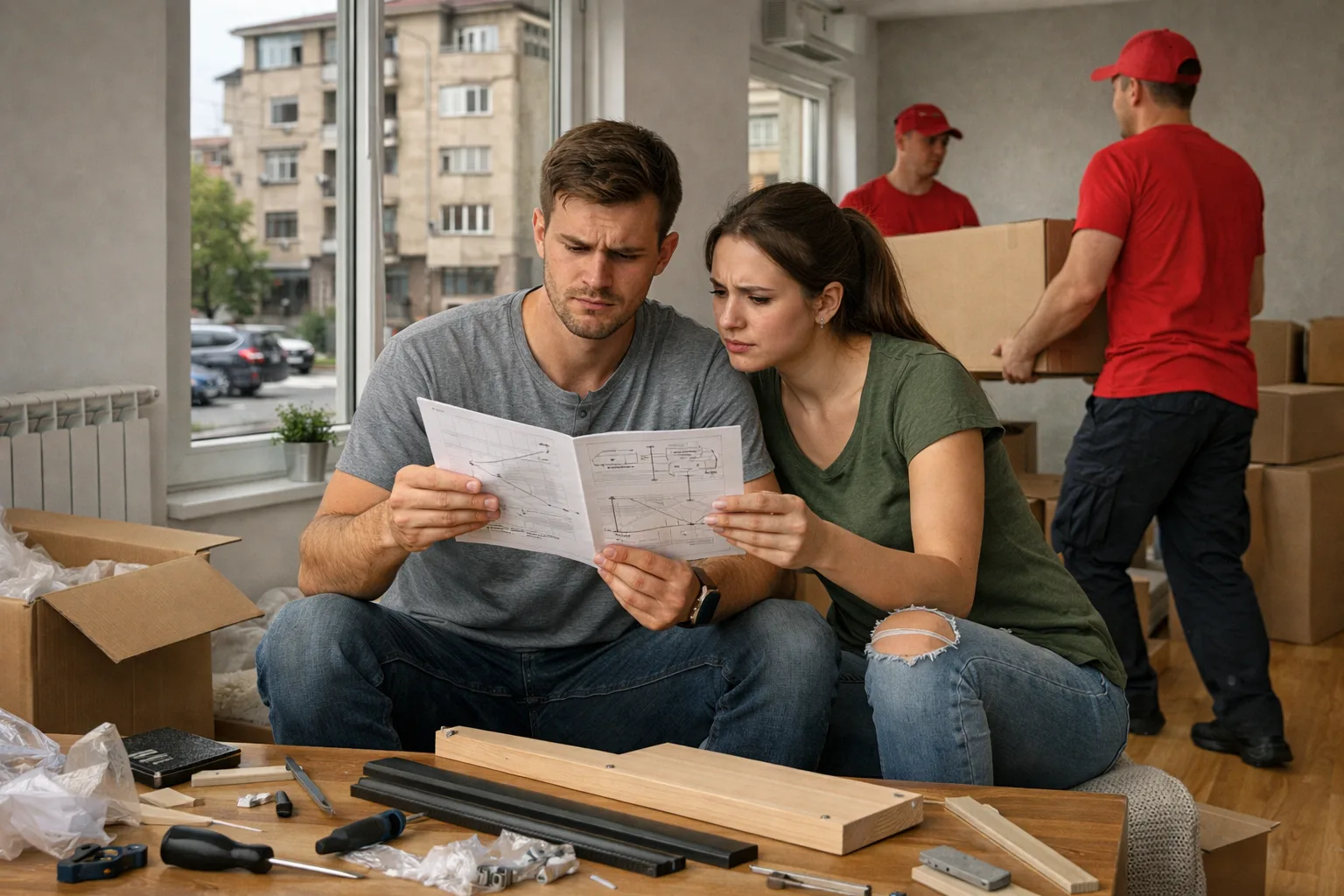
How to assemble furniture after moving abroad?
We will respond to you as soon as possible.
Below are answers to the most common doubts and problems people encounter when assembling furniture after a move.
If you notice that some parts are missing, first check the boxes and the area where you unpacked the furniture. Small parts often get lost in the packaging. If you cannot find them, contact the seller or the furniture manufacturer who can send replacement parts.
Most commonly, screwdrivers (both Phillips and flathead), pliers, a hammer, and a measuring tape are needed. An electric screwdriver can significantly speed up the job, but it should be used carefully to avoid overtightening and damaging the material.
Use appropriate tools and avoid overtightening screws right at the start. Also, work on soft surfaces to protect the furniture’s surfaces from scratches and be careful not to hit parts too hard with the hammer.
Look for video tutorials for the same or similar furniture model online. You can also contact the manufacturer for additional instructions or ask experienced friends for help.
The time depends on the complexity of the furniture and your experience, but for a simple table or shelf, it can take from 30 minutes to an hour. More complex pieces, like wardrobes with many parts, may require several hours.
Having another person’s help can significantly speed up and ease the process, especially with large or heavy pieces. One person can hold parts in place while the other tightens screws, reducing the chance of mistakes.
After assembly, check stability by gently moving it. If it wobbles or creaks, check and tighten the screws further. Also, inspect whether all parts are properly aligned and there are no visible damages.