Tips for International Moves
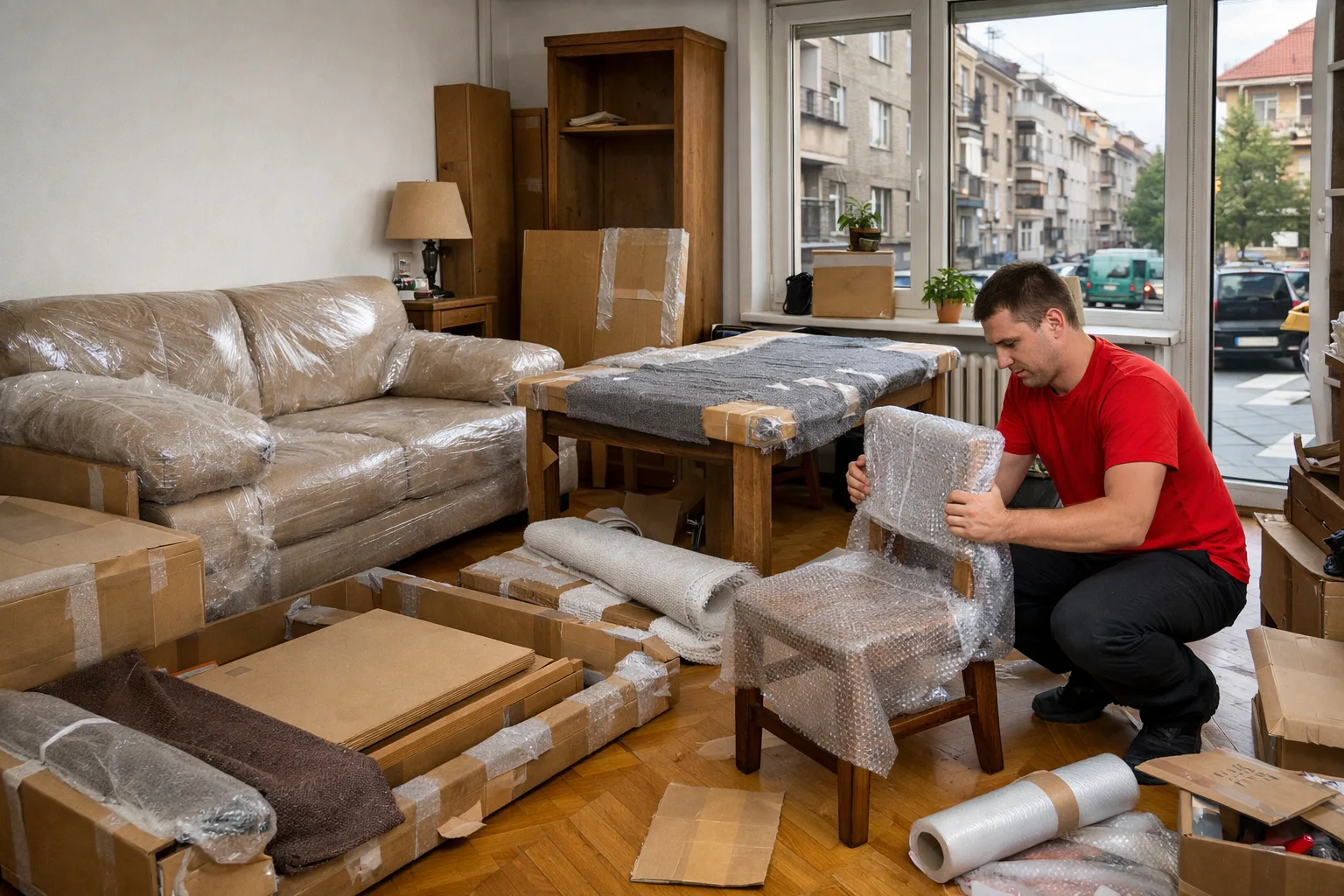
How to Pack Furniture for a Move to Germany?
How to Pack Furniture for a Move to Germany?

Enter at least 3 characters.
Moving to Germany with children is a complex process that requires thorough preparation and adjustment to ensure a stable and safe start to your new life. Beyond the basic administrative steps, it is important to understand the specifics of German society, the education system, and healthcare, as well as how to support your children through this major life transition. This guide provides comprehensive advice and practical information to help you face all the challenges of relocating with children to Germany with confidence and assurance.

The first and most important step is gathering and verifying all necessary documents for the entire family, especially when children are involved. This includes passports, visas, residence permits, as well as certificates of schooling and health status. Special attention should be given to proper documentation regarding custody and consents if children are traveling with only one parent. In some cases, additional consent from the other parent or guardian may be required, so it is essential to check this in advance to avoid complications at the border.
If you plan to stay long-term or permanently, it is necessary to apply for the appropriate residence and work permits. German authorities require precise and complete paperwork, so it is advisable to consult the official websites of the German embassy or consulate in your country. Also, keep in mind that the permit process can take time, so it is important to start preparations early and monitor all deadlines.
It is also important to have translated and certified documents, including birth certificates, health records, and vaccination certificates. Professional translators and sworn interpreters are often needed to ensure all documents are accepted in Germany. It is recommended that translations be done into German and certified with a sworn translator's stamp, as only then do the documents have legal validity in German institutions.
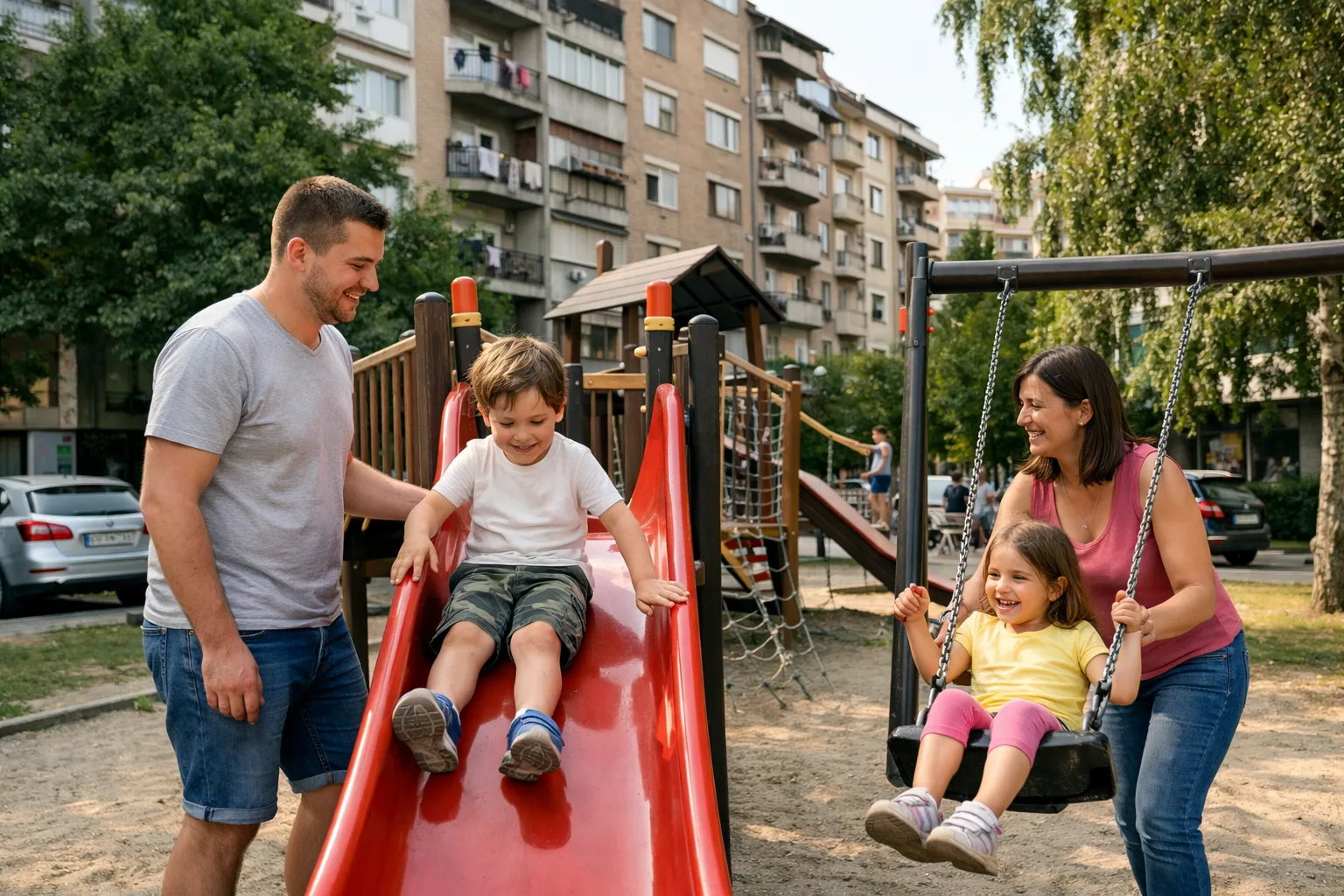
When moving with children, the choice of an apartment or house should be tailored to the family's needs, including proximity to schools, parks, and healthcare facilities. It is beneficial for the accommodation to be in a quiet neighborhood with accessible amenities for children, which will help your children adjust more easily to the new environment. Also, pay attention to the safety of the area, traffic congestion, and availability of green spaces for play and recreation.
In Germany, the most popular types of accommodation for families are multi-room apartments or single-story houses that provide extra space for play and study. It is advisable to use specialized real estate agencies experienced with international clients who can assist with negotiations and contract arrangements. Also, check whether the apartment or house includes basic household appliances and if the property is energy-efficient, which can significantly affect monthly costs.
Check the living conditions, such as building security, availability of public transport, and utility costs. Planning your accommodation budget in advance will help you avoid unexpected financial difficulties during your adjustment period in the new country. In some cities, like Munich or Hamburg, apartment prices can be significantly higher, so it is important to research the real estate market and consider options in surrounding neighborhoods that are often more affordable and family-oriented.
The educational system in Germany has several levels and types of schools, so it is crucial to inform yourself about the options available for your children. Children typically enroll in primary school (Grundschule) from the age of six, and there are also international schools that may be more suitable for children who do not speak German. Additionally, some federal states offer special programs for children with special educational needs or for gifted students.
Contacting school authorities or local education centers in advance is necessary to learn about enrollment procedures, required documentation, and possible language preparations. Some schools offer special programs for children from abroad to facilitate their learning of the German language and integration. In some cases, children may attend preparatory courses or integration classes before the official start of lessons.
Considering additional activities and extracurricular programs is also important, as they help children make new friends and adapt better. Taking into account your children's preferences and needs will help make their educational journey as pleasant and successful as possible. Many schools offer sports clubs, music workshops, and creative workshops that can contribute to talent development and socialization.
Healthcare is one of the key factors for families moving abroad. In Germany, health insurance is mandatory, and there are public and private options that should be carefully considered to ensure adequate care for all children. Public health insurance (gesetzliche Krankenversicherung) covers a wide range of services, while private insurance may offer additional benefits but also higher costs.
Registration in the healthcare system is usually done through enrollment with a health insurance provider (Krankenkasse) immediately upon arrival. Children are often covered under their parents' insurance, but it is advisable to check in detail which services are included, especially for specialist examinations and emergencies. It is also important to have contact information for local pediatricians and emergency services.
It is important to have translated and accessible medical records and vaccination certificates. Adopting habits of regular check-ups and preventive measures will help keep your children healthy and give you peace of mind during the adjustment period. The German healthcare system emphasizes prevention, so it is recommended to regularly follow the recommended vaccinations and preventive examinations for children.
Integrating children into a new culture can be challenging but is very important for their development and sense of belonging. It is necessary to support them through open dialogue about new customs, language, and the school environment, as well as through activities that encourage socializing with peers. Understanding and accepting diversity helps children develop empathy and social skills.
Participation in local sports, artistic, or social programs can contribute to faster making of friends and a sense of security. Parents should be active in school and community events to better understand and support their children during the adjustment period. It is also important to monitor children's emotional state and seek professional help or counseling if needed.
It is important to nurture and maintain connections with your own culture and language at home, as this provides emotional stability and helps children maintain their identity while learning new social norms. Preserving the mother tongue and traditions can be the foundation for successful bilingual integration and the development of children's self-confidence.
Knowing the legal rights of children in Germany is extremely important for parents moving with children. Germany has strict laws protecting children's rights, including the right to education, healthcare, and social support. There are also specific laws concerning the protection of children from violence and neglect.
Parents should be familiar with procedures for obtaining residence permits, as well as rights to work and social benefits that can ease adjustment and financial burden. In cases of family separation or other complications, legal assistance and counseling are available through various institutions and organizations. It is important to know where and how to seek help in case of problems or misunderstandings.
It is important to know that children have the right to be involved in decisions concerning their lives, according to their age and maturity. Understanding these rights helps protect children's interests and ensures their well-being in the new country. Parents should encourage open communication with their children and respect their feelings and opinions during the adjustment process.
Moving with children requires extra attention regarding organization and scheduling. It is advisable to plan the move in stages, especially when children are young, to reduce stress and allow for adjustment during the process. Involving children in the preparation can help them feel safer and more included throughout the process.
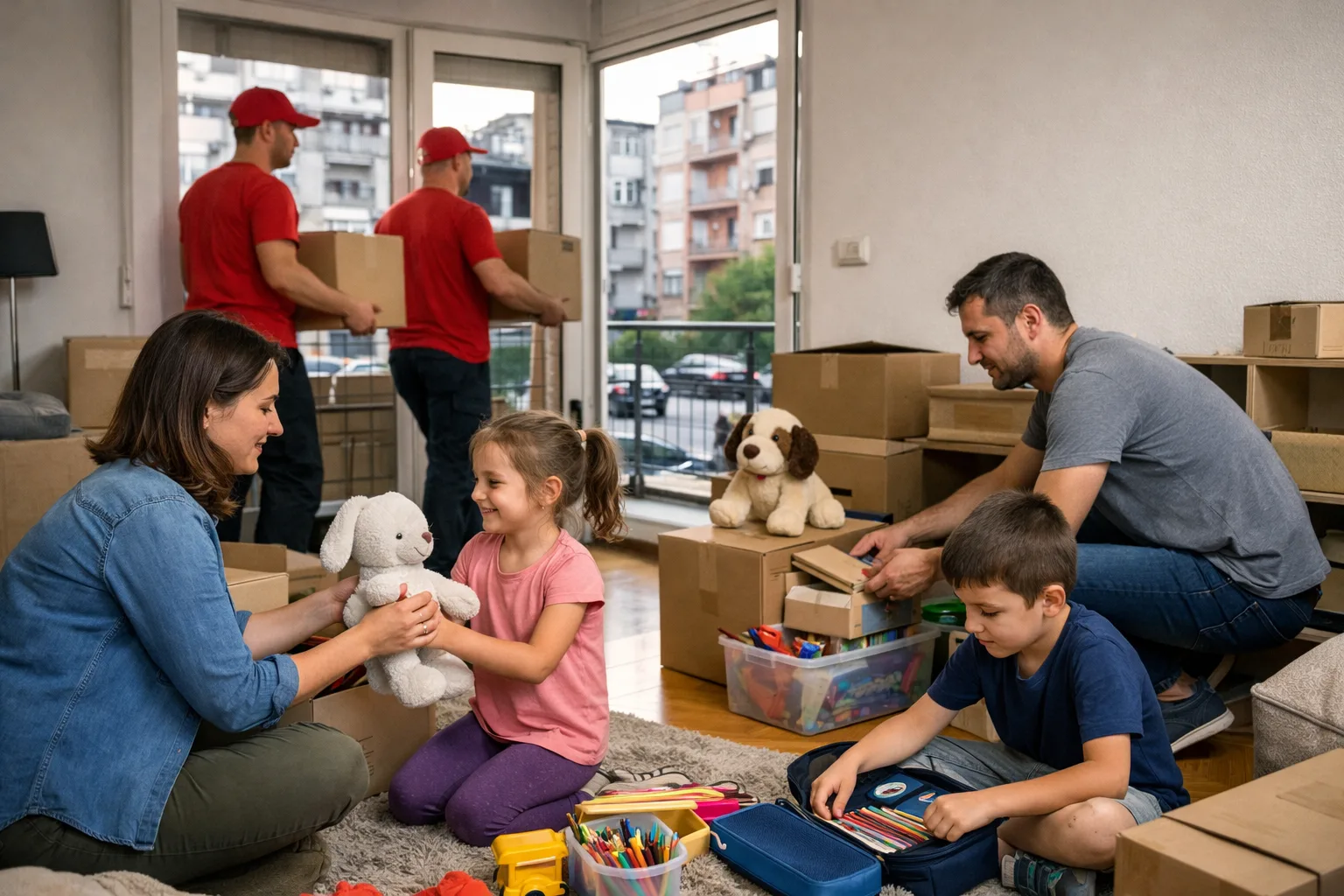
Hiring a professional moving company experienced in international relocations and families can significantly ease the transport of belongings and coordination. If you need a reliable international move, it is important to inform the chosen agency about specific needs, such as transporting children's equipment and toys that provide security for children during the move. Also, check if the moving company offers packing and unpacking services, which can save time and reduce stress.
It is necessary to plan travel time and rest, as well as prepare children for the change through conversations and games. Preparing a package with essential items for children that will be easily accessible during the journey can greatly contribute to their comfort and safety. Including favorite toys, snacks, and books can help reduce anxiety during the trip.
Moving to Germany with children requires careful financial planning because living costs may differ from those in the home country. It is necessary to create a detailed budget that includes housing, schooling, healthcare expenses, and daily needs. Additionally, transportation, food, clothing, and leisure activities for children should be considered.
Germany offers various forms of financial assistance for families with children, such as parental allowance (Elterngeld), child benefit (Kindergeld), and social benefits. Learning about the rights and conditions for obtaining these funds can be very helpful in reducing financial burdens. It is recommended to contact local social welfare offices or immigrant counseling centers for detailed information and application assistance.
Planning expenses in advance, including unforeseen situations, allows for a safer start in the new country. Also, consulting with financial advisors or local organizations that assist migrants can significantly ease adaptation and integration. Monitoring monthly expenses and adjusting the budget according to changes will help maintain financial stability.
How to Pack Furniture for a Move to Germany?
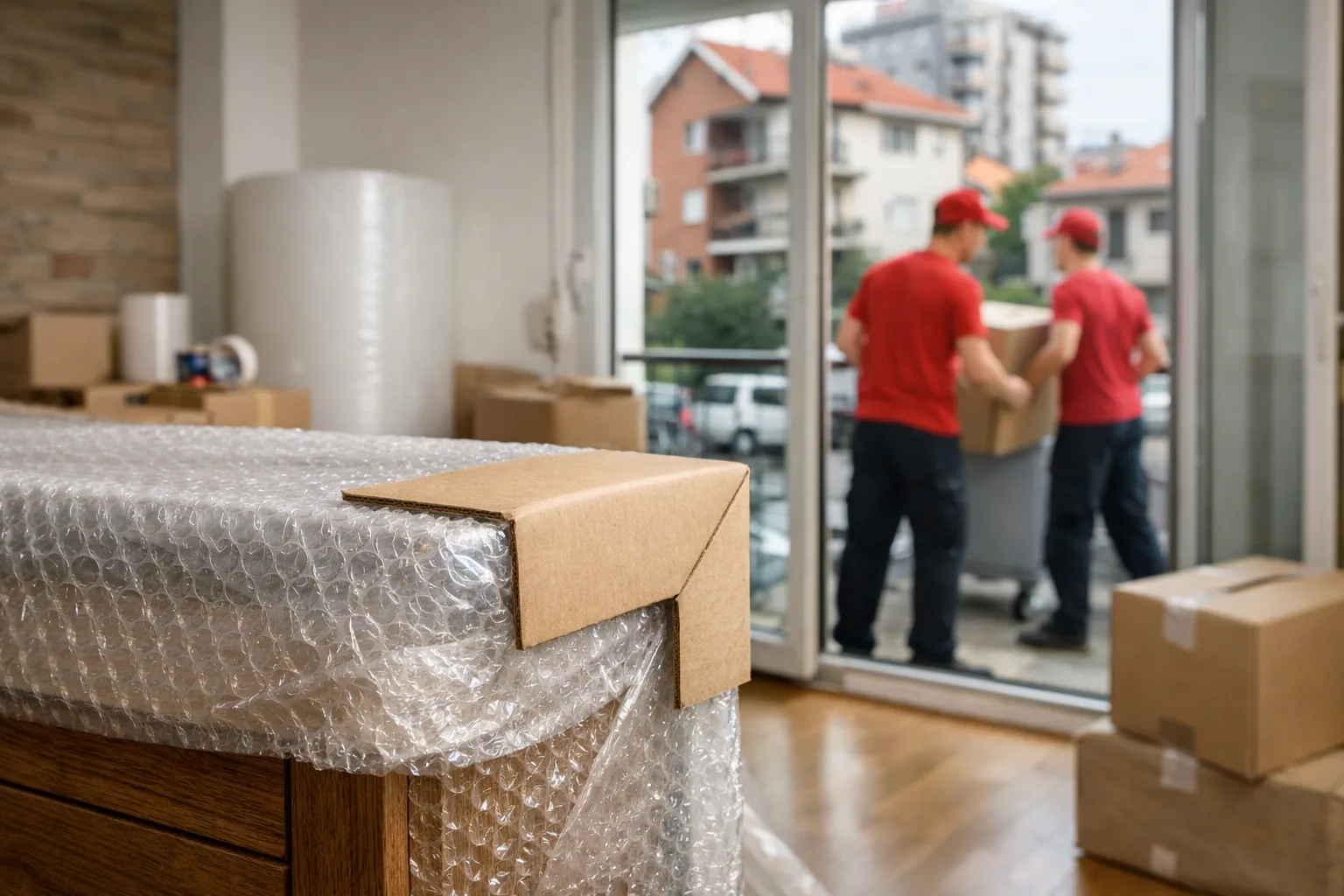
How to Move Furniture from Abroad to Serbia

Common Mistakes Made During International Moves

How to Save Money on an International Move?
We will respond to you as soon as possible.
Below are answers to the most common questions parents ask when planning a move to Germany with children. These tips help clarify key aspects and facilitate the relocation process.
The most important documents include valid passports, visas or residence permits, birth certificates, vaccination records, and health cards. Also, if children travel with only one parent, consent or guardianship documents are required.
For enrollment, it is necessary to contact the local school board or directly the school where you want your child to attend classes. Documentation of previous schooling and a health card are required. Some schools also offer programs for children who do not speak German.
Yes, health insurance is mandatory for all residents of Germany, including children. Children are usually insured through their parents, and the insurance covers regular check-ups, vaccinations, and emergencies.
It is important to talk to children about the new culture, involve them in social and sports activities, and maintain communication in their native language at home. Also, parents should be active in the community and school events.
Families with children may be entitled to parental allowance (Elterngeld), child benefit (Kindergeld), and other social benefits depending on income and residence status.
Plan the move in stages, provide essential items for children during the journey, involve them in preparations, and talk about the changes. Hiring professional moving services experienced in international relocations can help with organization.
It is recommended to attend a German language course before moving and to utilize integration programs in Germany. For children, there are schools and courses that help with language learning and adaptation.