Tips for International Moves
How to Pack Furniture for a Move to Germany?
How to Pack Furniture for a Move to Germany?

Enter at least 3 characters.
Moving from Germany to Serbia with children is a complex and demanding process that requires careful planning, organization, and adjustment to a new living environment. This guide provides detailed advice and steps to help you prepare for an international move as smoothly and successfully as possible, taking into account the needs of the entire family, especially the children. In addition to basic information, we will focus on practical aspects that will ease your transition, as well as tips for successfully integrating your children into the new environment. Our goal is to provide you with a comprehensive overview of the process to help you avoid stress and unforeseen problems during the move.
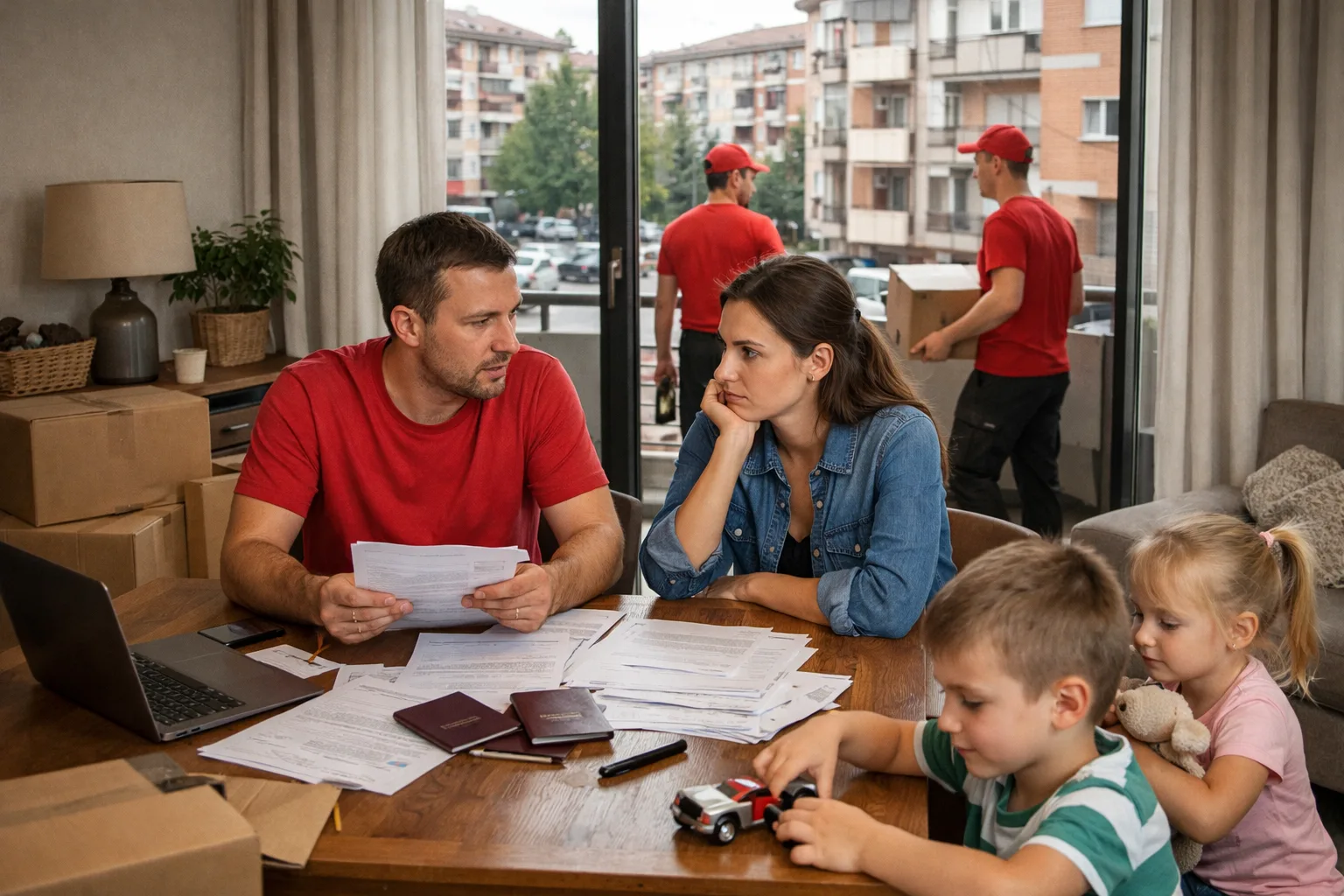
The first step in organizing a move from Germany to Serbia with children is detailed planning. Start by creating a timeline that includes all important deadlines, as well as necessary administrative and logistical activities. This is crucial to avoid stress and unforeseen complications at the last minute. It is recommended to begin planning at least three to six months before the planned moving date.
Consider all aspects of life in Serbia: schooling, healthcare, housing conditions, and helping children adjust to the new environment. Involve the entire family in the planning process to take into account their wishes and needs, which facilitates adaptation. Talk to your children about the upcoming changes and include them in decision-making wherever possible, so they feel more secure and prepared.
Make a list of required documents, contracts, and permits that need to be obtained. Since moving with children requires extra attention, be sure to check the rules regarding the transfer of health and school records between Germany and Serbia. Also, make an inventory of items you will take with you, as well as those you will sell or donate, to reduce luggage volume and ease transportation.
When moving from Germany to Serbia, it is important to secure valid passports for all children and adult family members. Also, check whether you need a visa or other permits depending on your current residency status in Germany. It is recommended to contact the Serbian embassy or consulate in Germany for the latest information and procedures.
For children, it is necessary to obtain enrollment certificates for school or kindergarten in Serbia, as well as translations and notarization of school documents. This will ensure continuity of education and facilitate administrative procedures during enrollment. Document translations should be official, and it is advisable to engage an authorized court interpreter.
Do not forget to obtain international health cards and vaccination certificates for the children. This is extremely important for accessing healthcare in Serbia and for enrollment in educational institutions. Also, check if additional medical certificates or specialist reports are required, especially if the children have chronic health conditions.
Before relocating, research the education system in Serbia and the available schools in the area where you plan to live. There are public and private schools, as well as international schools that may be of interest to children accustomed to the German education system. Information about schools can be found on the official websites of local education authorities or by contacting schools directly.
Pay attention to language barriers and the availability of additional support for children who do not speak Serbian. Some schools offer extra Serbian language classes or tailored programs for students from abroad. Also, inquire about options for individual counseling and adaptation support, which can be very helpful for children during the first months.
Enrolling a child in school requires filling out certain forms and submitting documents, so it is important to prepare everything in advance. Also, discuss with school staff the possibilities for children to participate in extracurricular activities to help them integrate more easily into the new environment. Joining sports, arts, or other clubs can significantly contribute to the child's socialization and development.
Moving with children can be emotionally challenging. It is important to talk with children about the changes they will face, listen to their concerns, and encourage them to express their feelings. This helps reduce stress and anxiety. Using stories, drawings, or games can help children better understand what to expect.
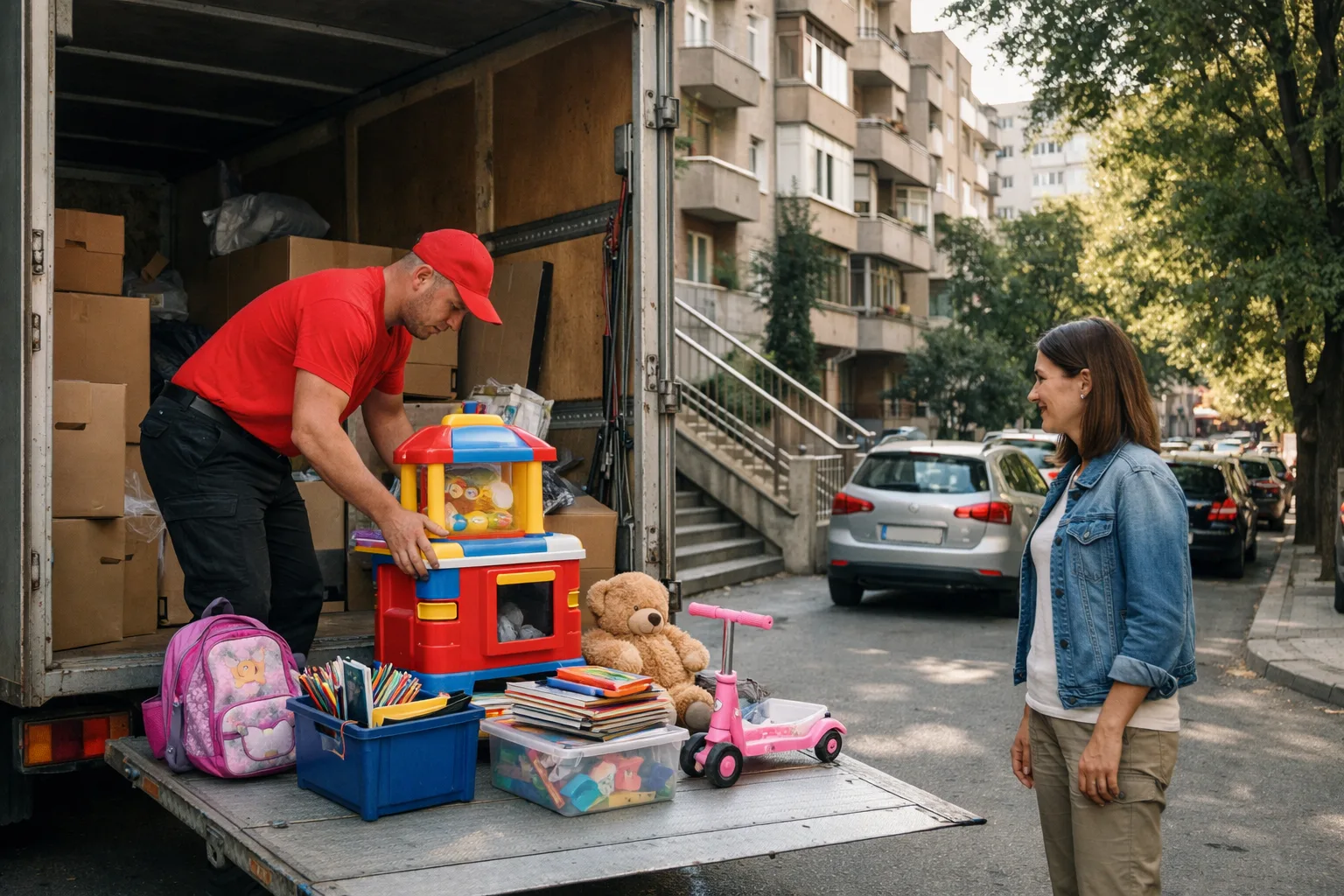
Involve children in the moving preparation process, such as choosing toys or items they want to bring. This gives them a sense of control and security in this new phase of life. Also, talk about the positive aspects of moving, such as new friendships and adventures, to help them develop a positive attitude.
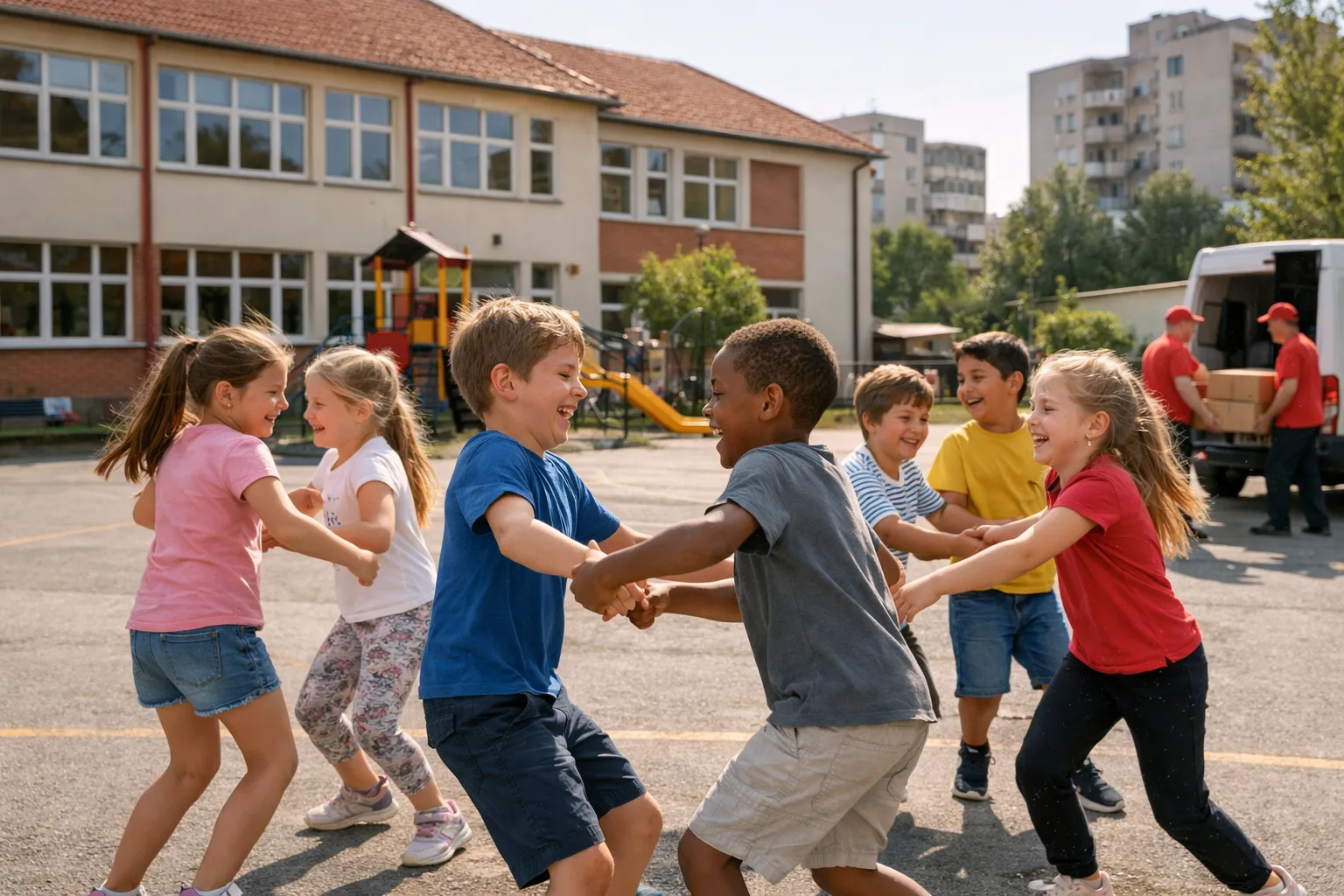
Upon arrival in Serbia, plan activities that will help children get to know their new surroundings, make friends, and feel accepted. This could include enrolling in sports clubs, workshops, or gatherings with neighborhood children. Also, monitor their emotional state and seek support from a school counselor or psychologist if needed.
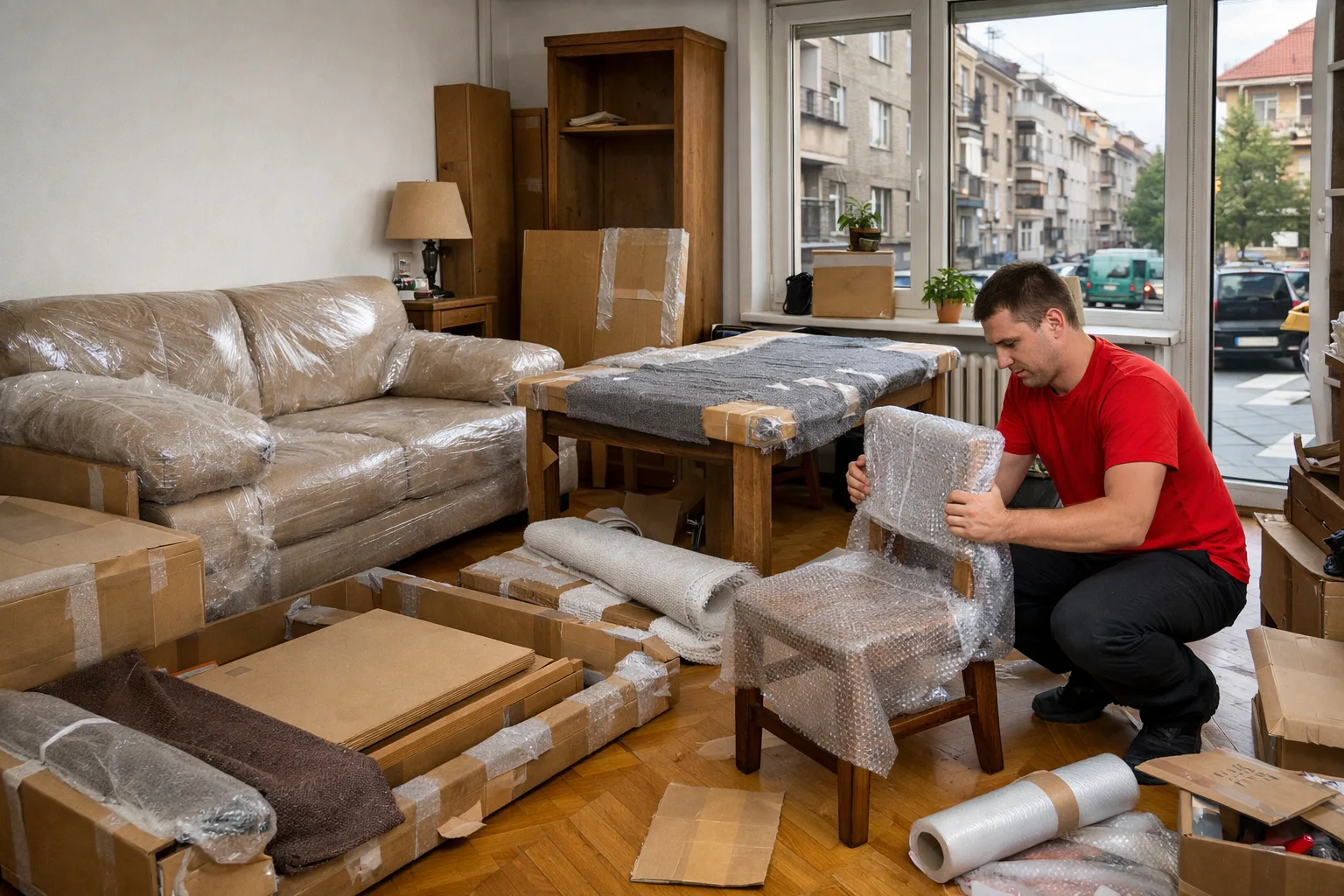
Choosing a reliable moving company with experience in international relocations is very important. Pay attention to services that include packing for moves, transport and customs clearance, as well as the option to insure belongings. It is recommended to seek recommendations and read reviews before making a decision.
Prepare children's personal belongings in a special way – be sure to bring enough clothing, toys, and necessary medical supplies for the journey and the first days after arrival. Pack a bag with essential items that will be easily accessible during travel, including snacks, water, and the children's favorite items. For transporting larger quantities of belongings from abroad, it is recommended to hire a professional service such as moves from Germany to Serbia.
Plan the trip to be as comfortable as possible for the children. If traveling by plane, inform yourself about the airline's rules regarding the transport of children and luggage. If traveling by car, take frequent breaks and provide enough food and water. Also, consider fun activities and toys that can help make the journey stress-free.
Before moving, secure adequate accommodation for the family. If possible, visit Serbia before relocating to thoroughly inspect the apartment or house, check safety and the neighborhood, as well as access to schools and other important institutions. Also, check conditions for children, such as the availability of playgrounds and parks nearby.
When choosing an apartment or house, pay attention to location, transport accessibility, neighborhood safety, and proximity to schools and kindergartens. These factors significantly affect the quality of life for children and the whole family. Consider neighbor relations and opportunities for social interaction, which can help children adapt more easily.
After moving in, adapt the space to the children's needs – provide a safe and comfortable place for play and learning. Involving children in decorating and organizing their room can help them feel at home faster. Also, consider installing safety measures in the home, such as window guards and outlet covers, especially if the children are younger.
Check which healthcare services are available in your new place of residence and how to access healthcare rights for returnees from abroad. Children should be registered in the local healthcare system as soon as possible after arrival. Find out about the nearest health centers and pediatricians.
Consider the option of additional private health insurance, especially for specific health needs of children or if you plan to use private clinic services. Private insurance can provide faster access to specialist consultations and additional therapies.
Regularly monitor and update children's health records, including vaccinations according to the Serbian vaccination schedule. Visit a pediatrician for check-ups and to receive all necessary advice for children's health in the new environment. Also, inform yourself about the availability of emergency medical services and pharmacies near your home.
Encourage children to participate in local activities such as sports clubs, art workshops, or school events. This is an effective way to make new friends and develop a sense of belonging. Additionally, involvement in community activities can help in learning the Serbian language and local customs.
Maintain contacts with other families who have gone through a similar process or with local returnee communities. Sharing experiences can be valuable support for the entire family. Joining parent groups or communities on social networks can facilitate finding useful information and friends.
Be patient and give children time to adjust to the new environment. Occasionally talk about their feelings and needs to help them overcome difficulties and successfully integrate into society. If you notice prolonged difficulties, consider consulting a school psychologist or a child psychology specialist.
How to Pack Furniture for a Move to Germany?
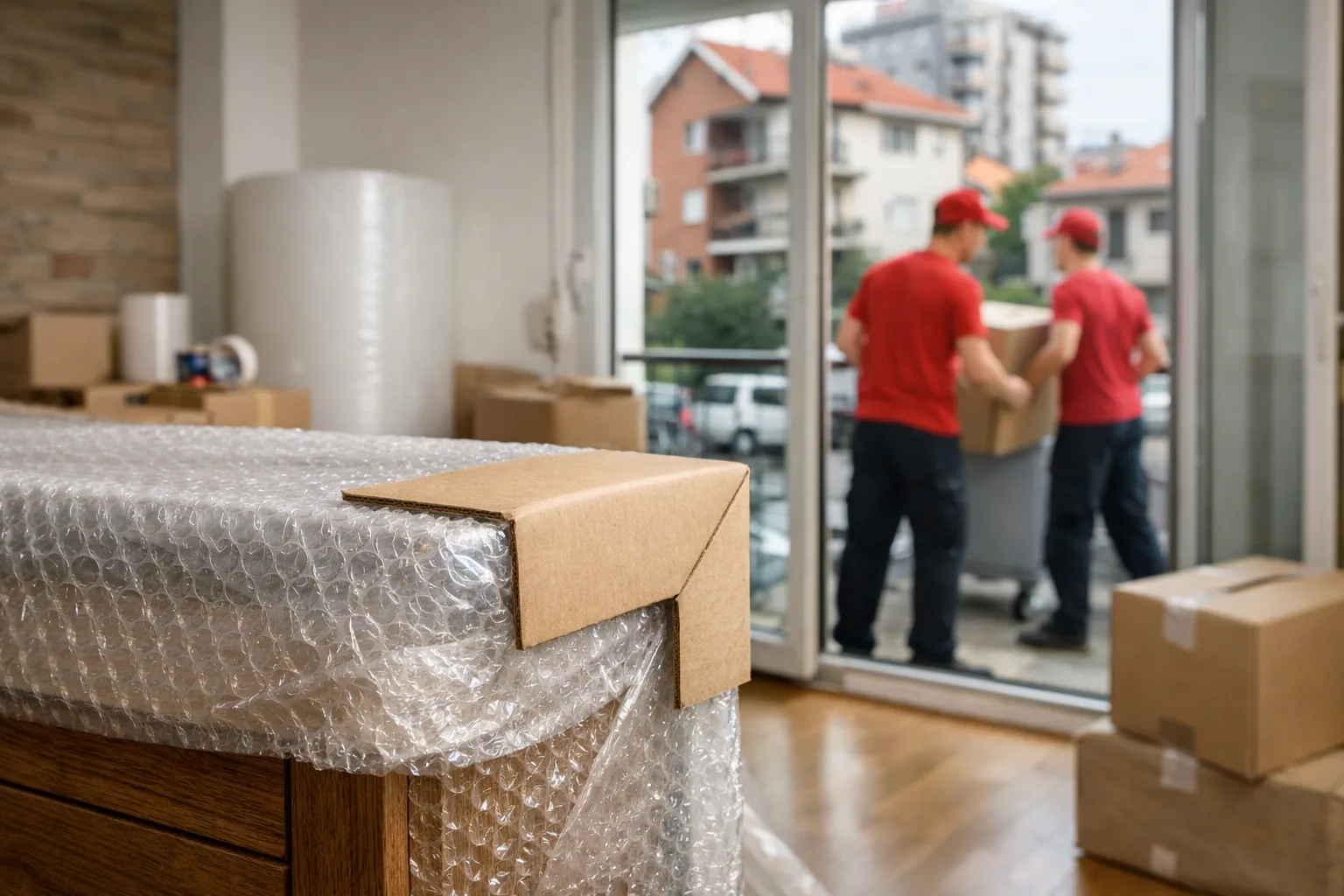
How to Move Furniture from Abroad to Serbia
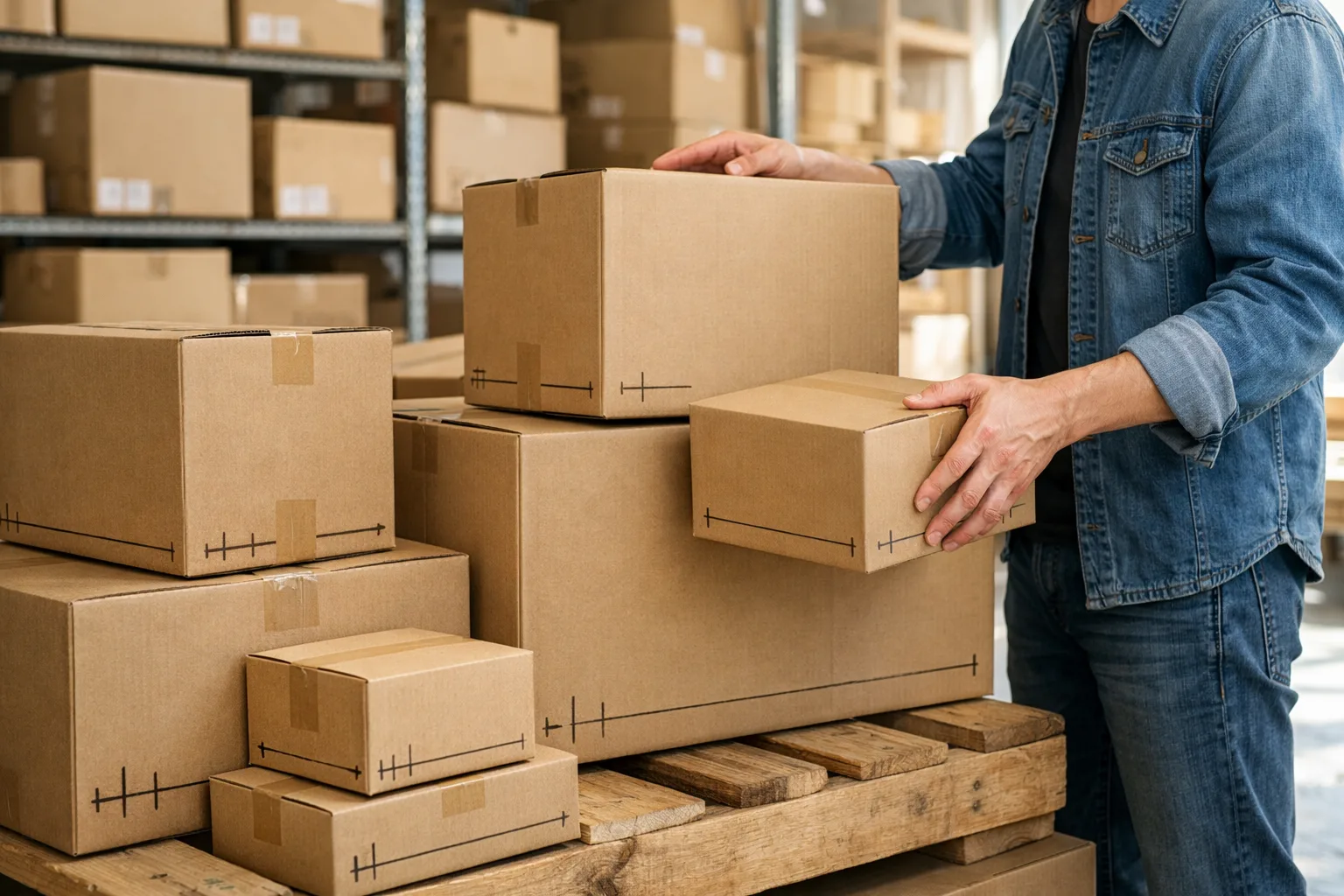
Common Mistakes Made During International Moves
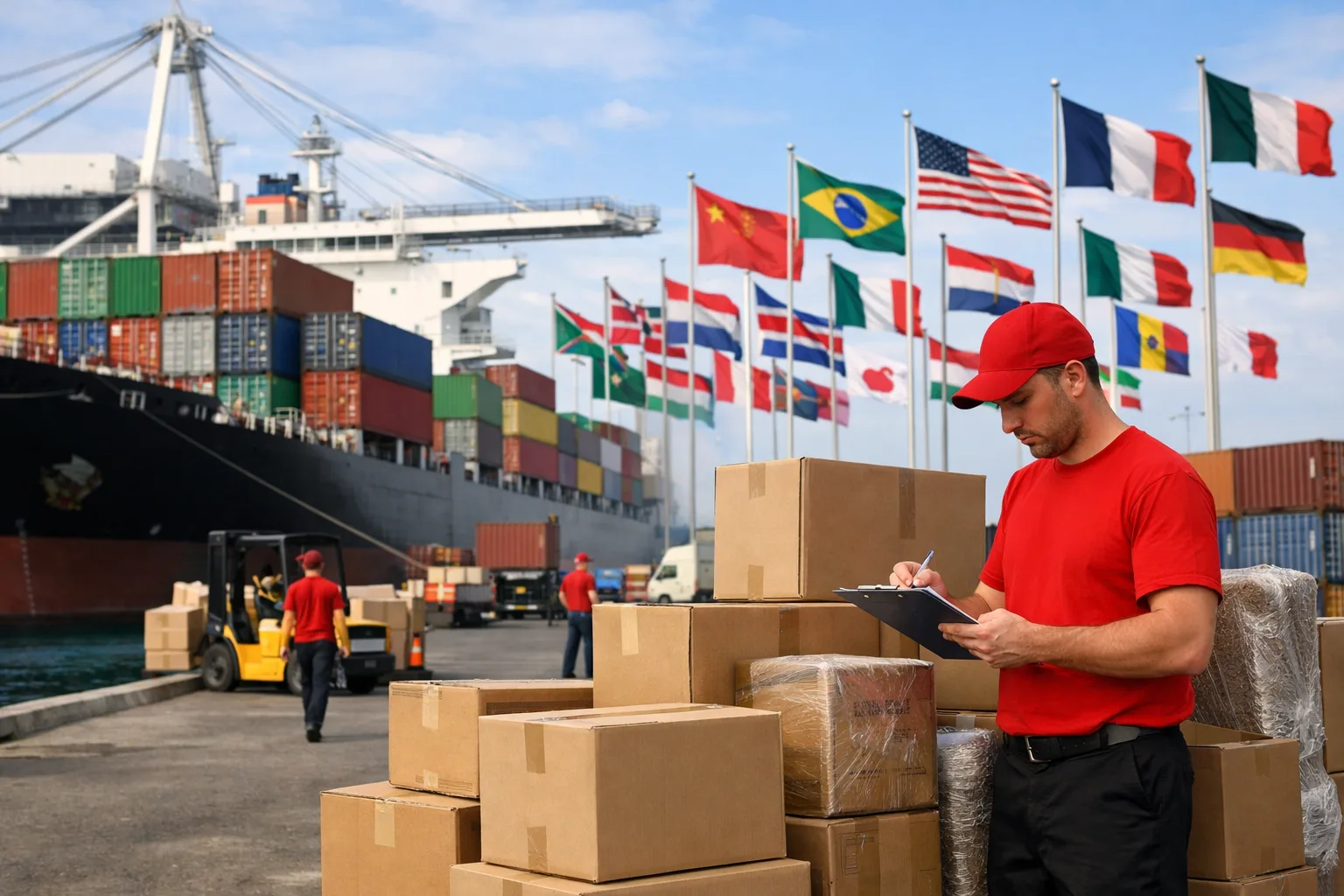
How to Save Money on an International Move?
We will respond to you as soon as possible.
We provide answers to the most common dilemmas and issues parents face when relocating with children from Germany to Serbia.
For school enrollment, birth certificates, previous school reports translated into Serbian and certified, as well as proof of residence are required. It is recommended to contact the school in advance to obtain an exact list of necessary documents.
It is important to openly discuss the changes with children, involve them in packing and decision-making, and ensure they have the opportunity to express their feelings. Upon arrival in Serbia, provide support through social activities and regular conversations.
Although basic health services are available through the state system, additional private insurance can be useful for faster access to specialist services or if you have specific health needs.
Look for companies experienced in international relocations, check reviews, and seek recommendations. It is important that they offer comprehensive services from packing to customs clearance, as well as the option to insure your belongings during transport.
Plan the trip to be as comfortable as possible – choose direct flights if possible, take more frequent breaks during car rides, bring enough food, water, and children's favorite toys to help them feel safe and occupied.
Look for schools that offer additional Serbian language classes or support programs for children from abroad. You can also hire private language lessons to help the child learn communication faster and integrate more easily.
Encourage them to participate in extracurricular activities, sports clubs, and play with neighborhood children. Organize gatherings with peers and be active in the local community to facilitate their socialization.