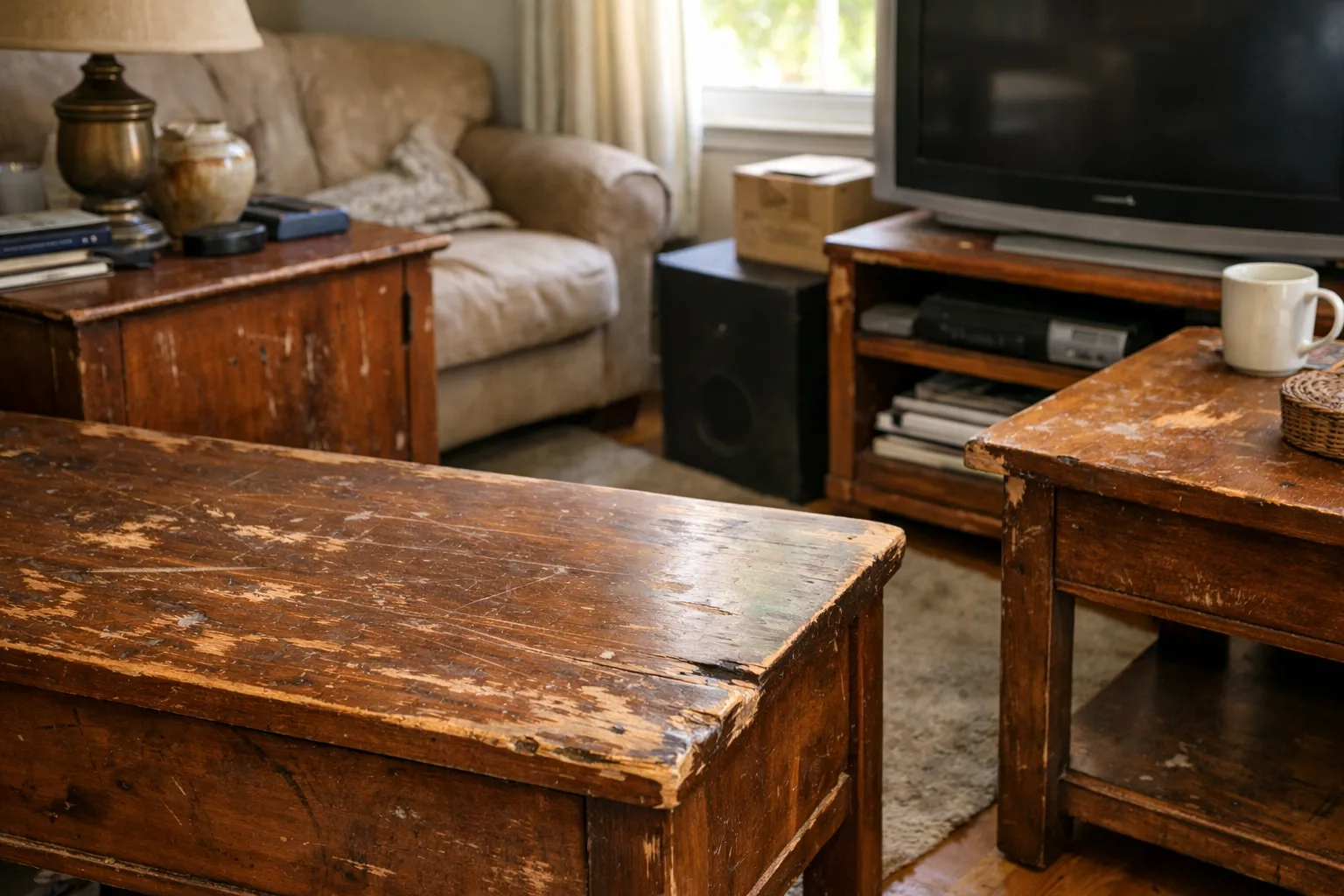
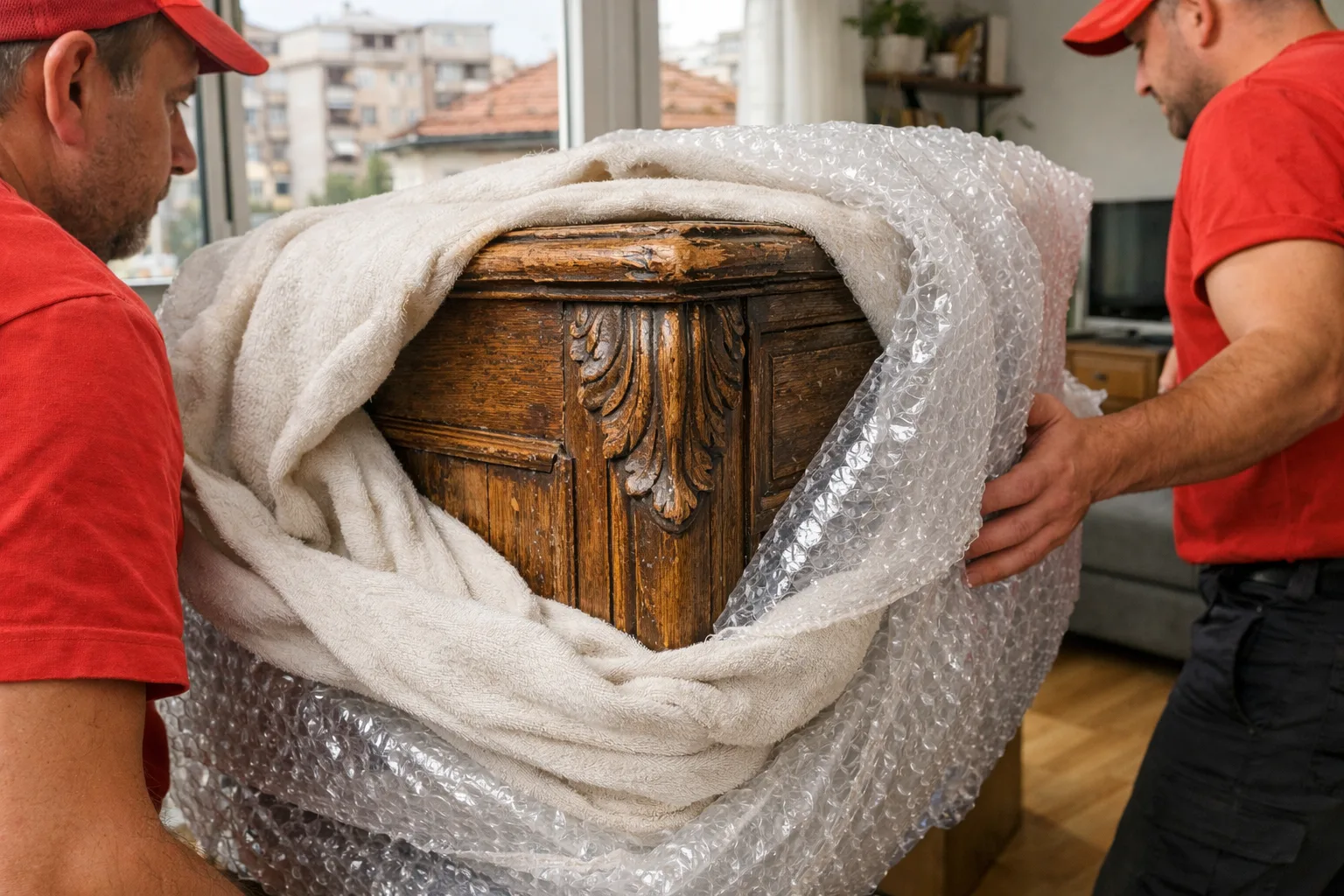
How to pack antique furniture?
How to pack antique furniture?

Enter at least 3 characters.
Moving fragile items is one of the biggest challenges when packing and transporting. Whether you are moving family heirlooms, glassware, or electronic equipment, proper preparation and packing are key to preserving the integrity of these items. In this guide, you will find detailed advice on how to safely pack, protect, and transport fragile items, minimizing the risk of damage during your move. In addition to basic techniques, we will focus on practical steps and recommendations to help you organize the moving process in the most efficient way, including tips for labeling packages and proper handling during loading and unloading.
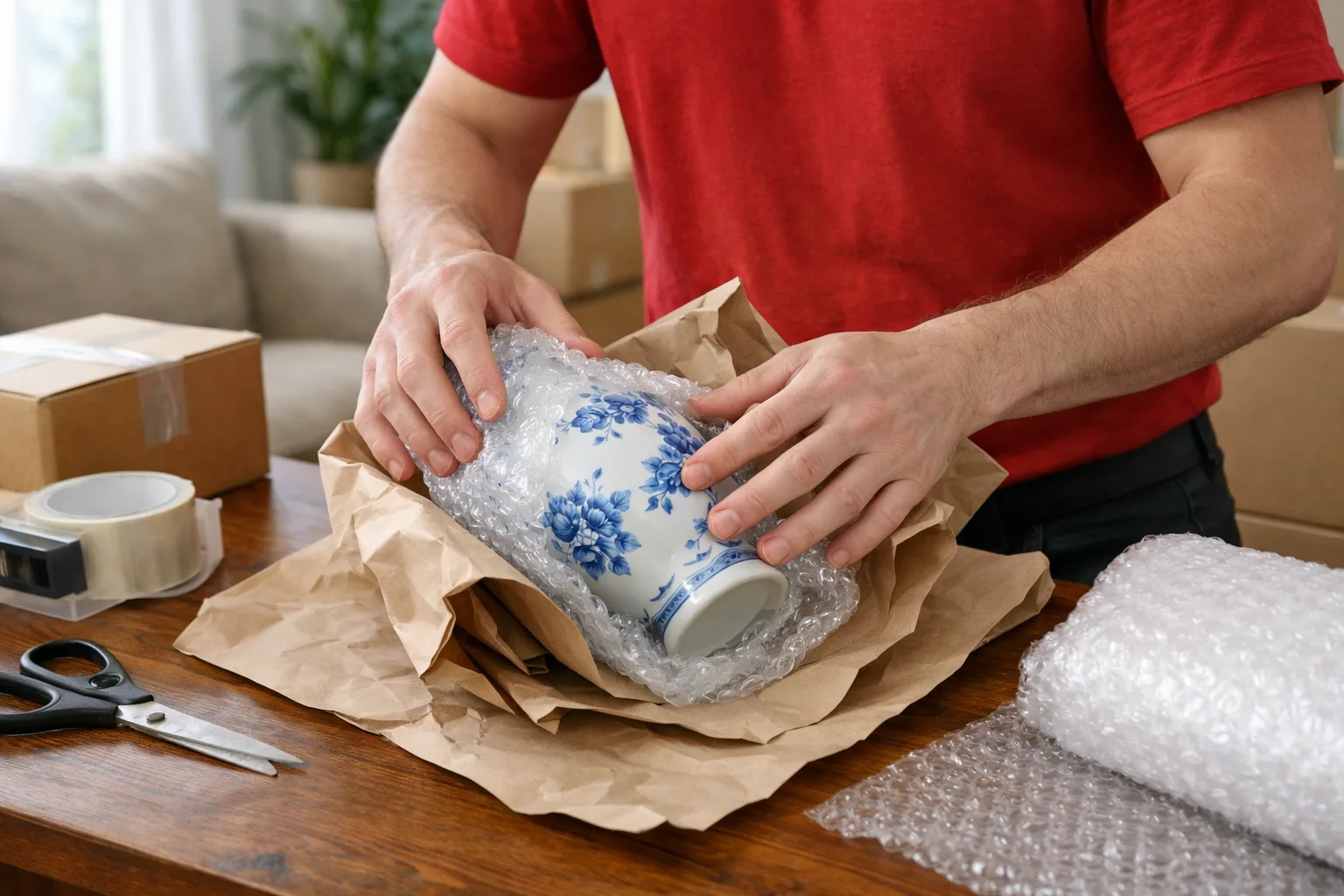
The first step in moving fragile items is securing quality packing materials. You need to acquire sturdy moving boxes, preferably with additional dividers, as well as bubble wrap, wrapping paper, and adhesive tape. Bubble wrap is extremely effective for shock absorption, while wrapping paper provides extra protection and prevents scratches. It is also recommended to use special packaging such as styrofoam cushions or foam inserts that easily conform to the shape of the items.
It is important that the boxes are sturdy and undamaged, as weak boxes can give way under weight or impact. Boxes with dividers are especially useful for smaller items like glasses or plates, as they keep each item separate and prevent them from hitting each other. When purchasing boxes, pay attention to their size – boxes that are too large may allow items to shift, while boxes that are too small may press on the contents and increase the risk of breakage.
Additionally, for extra protection, you can use styrofoam or special corner protectors. Prepare a marker for labeling packages clearly to indicate that they contain fragile items. It is recommended that every box with fragile items be labeled on the side and top, with additional markings such as arrows indicating the handling direction. This way, everyone handling the packages will be aware of the need for caution.
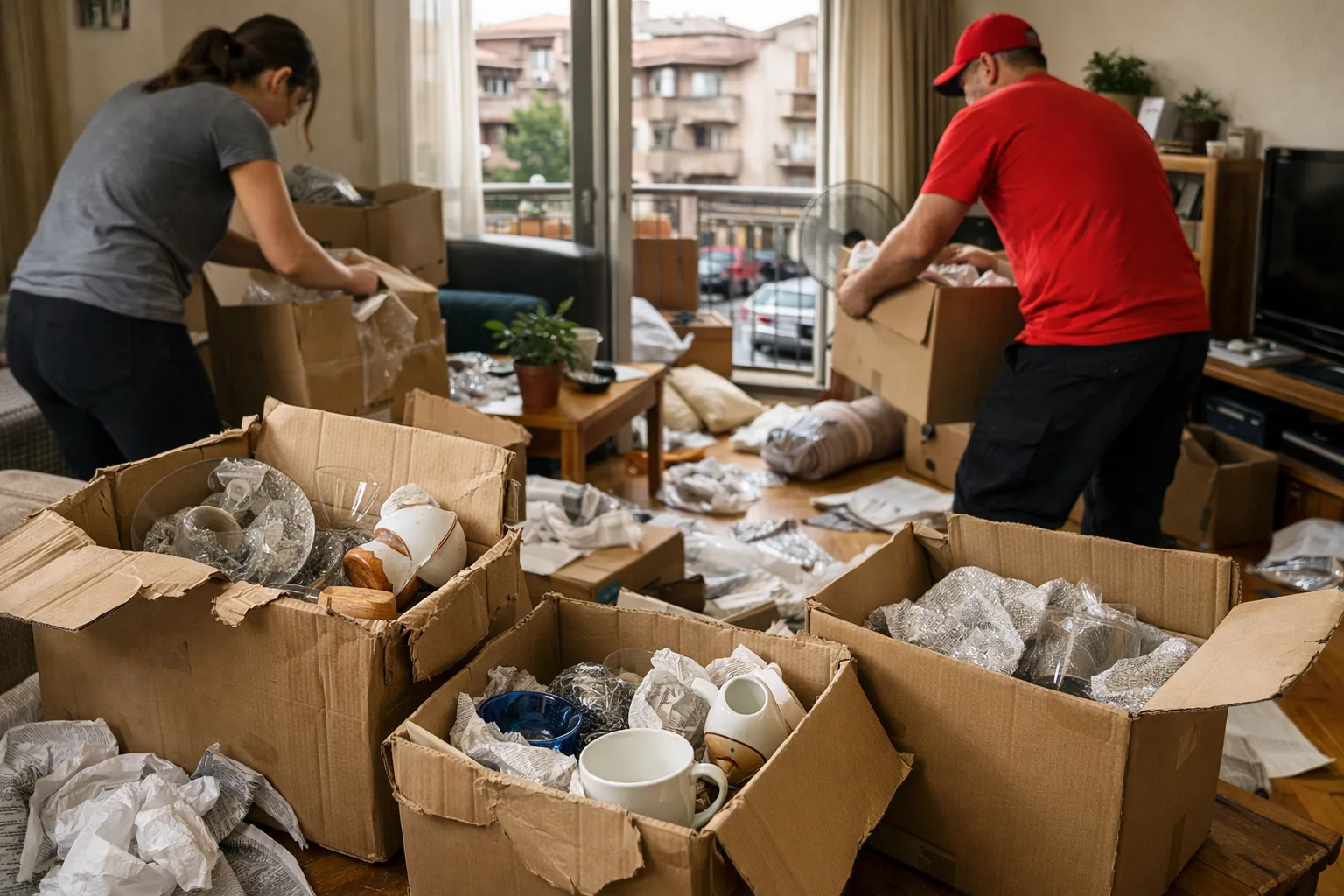
Glass items such as glasses, vases, and plates require special attention. Each item should be individually wrapped in bubble wrap or wrapping paper, paying special attention to edges and handles, which are the most vulnerable. Before wrapping, make sure the items are clean and dry, as moisture can reduce the effectiveness of the protective material.
When packing plates, it is best to place them upright, vertically, and insert layers of paper or thin cardboard dividers between them. This prevents slipping and breaking during transport. Also, if you have many plates, consider using specialized boxes with dividers designed specifically for this type of item.
The box used for packing glass items should be labeled as fragile and packed so that it cannot move inside the moving truck or vehicle. It is also recommended that such boxes be placed on top or in areas where they will not be subjected to excessive pressure. When loading into the vehicle, be sure to secure the boxes with straps or nets to prevent movement during transit. If you want to avoid risk, you can hire professionals for moving packing, who will ensure proper protection and transport of your fragile items.
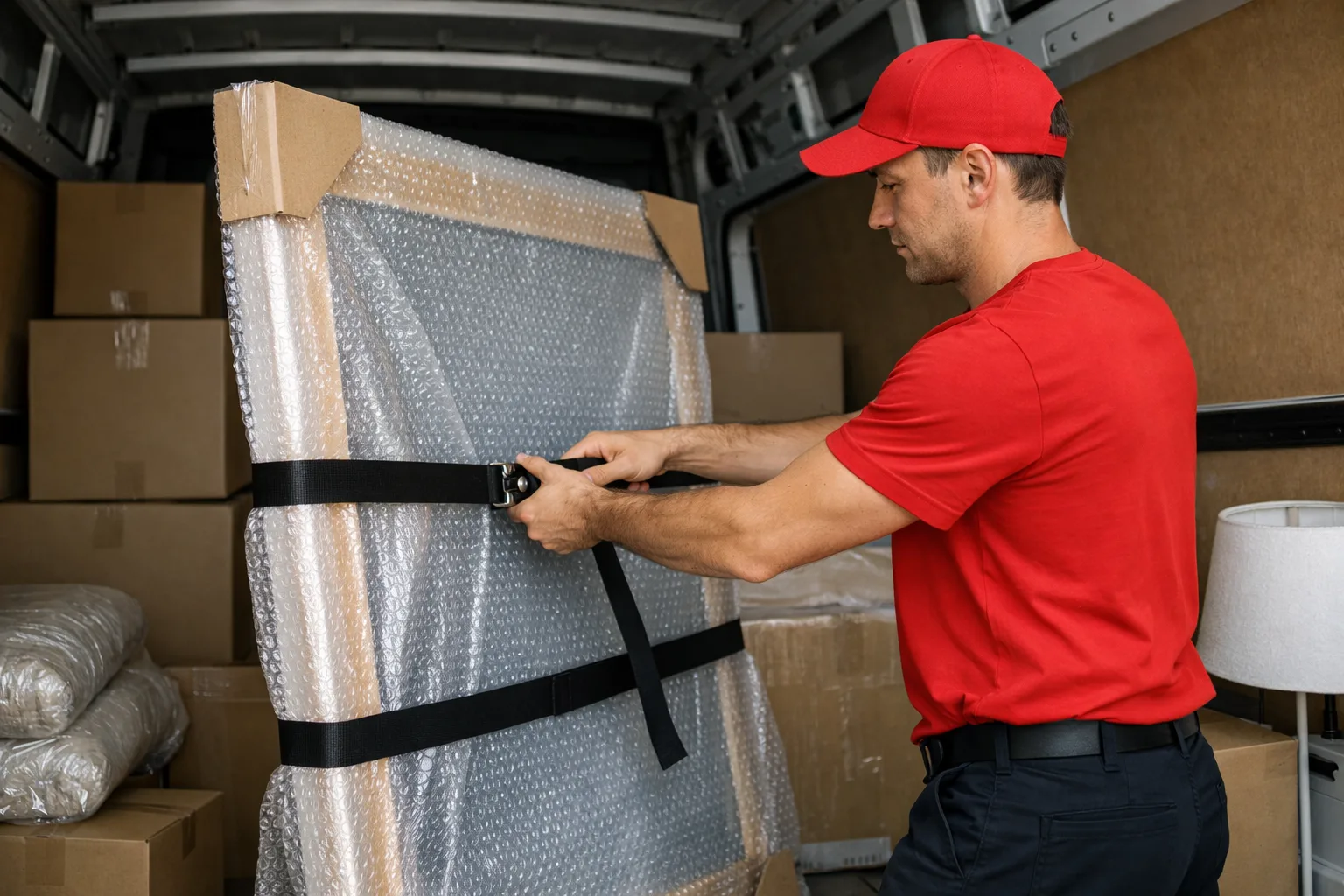
Ceramic and porcelain items are very fragile and easily break if not properly protected. Each piece should be carefully wrapped individually in wrapping paper or bubble wrap, leaving no empty space inside the packaging. It is recommended to use multilayer materials for additional cushioning, especially for thinner and more delicate pieces.
When packing in boxes, it is advisable to place layers of styrofoam or special inserts between individual items to prevent movement and impacts. You can also use packing paper that easily conforms to the shape of the item, further reducing the risk of breakage.
The box should be sturdy enough and marked as fragile, preferably smaller in size to avoid overloading and compromising the contents. For heavier items, always use boxes with reinforced bottoms and additional protective layers. When stacking boxes in the vehicle, place them in stable positions to prevent tipping over.
Electronic devices, including TVs, computers, and audio equipment, require special care due to sensitive components. Before packing, remove all extra cables, batteries, and parts that may move. Pack these parts separately and clearly label them for easy identification during unpacking.
Use original boxes if available, as they are designed to protect the devices. If not, ensure the devices are well wrapped in bubble wrap and placed in sturdy boxes with additional cushioning. Pay special attention to screens and delicate surfaces, which should be further protected with special cushions or foam inserts.
Be sure to mark the box as fragile and note the electronic contents so the moving team handles it with extra care. Also, avoid placing heavy items on boxes containing electronics. During loading, ensure these boxes are positioned where they won’t be subjected to pressure or vibrations, as this can damage internal components. If you are unsure how to safely transport your equipment, we recommend hiring moving services with workers experienced in handling sensitive devices.
Pictures and frames are especially fragile due to glass surfaces and thin frames. Before packing, remove frames from the wall and clean off dust. If the frames are very old or valuable, consider consulting a restoration expert before moving.
To protect the glass, use adhesive tape in an 'X' shape over the glass surface to prevent shattering if it breaks. Then wrap the picture in bubble wrap or special picture paper. You can also use cardboard corners for additional frame protection.
Use special picture boxes or cartons with extra layers of paper and styrofoam for packing. Boxes should be clearly marked as fragile and indicate the front side for proper handling. When loading into the vehicle, pictures should be placed upright and secured to prevent movement.
Mirrors and glass doors are among the most demanding to pack due to their size and fragility. First, carefully clean them and check for any existing cracks or damage. If present, mark them to avoid further damage during transport.
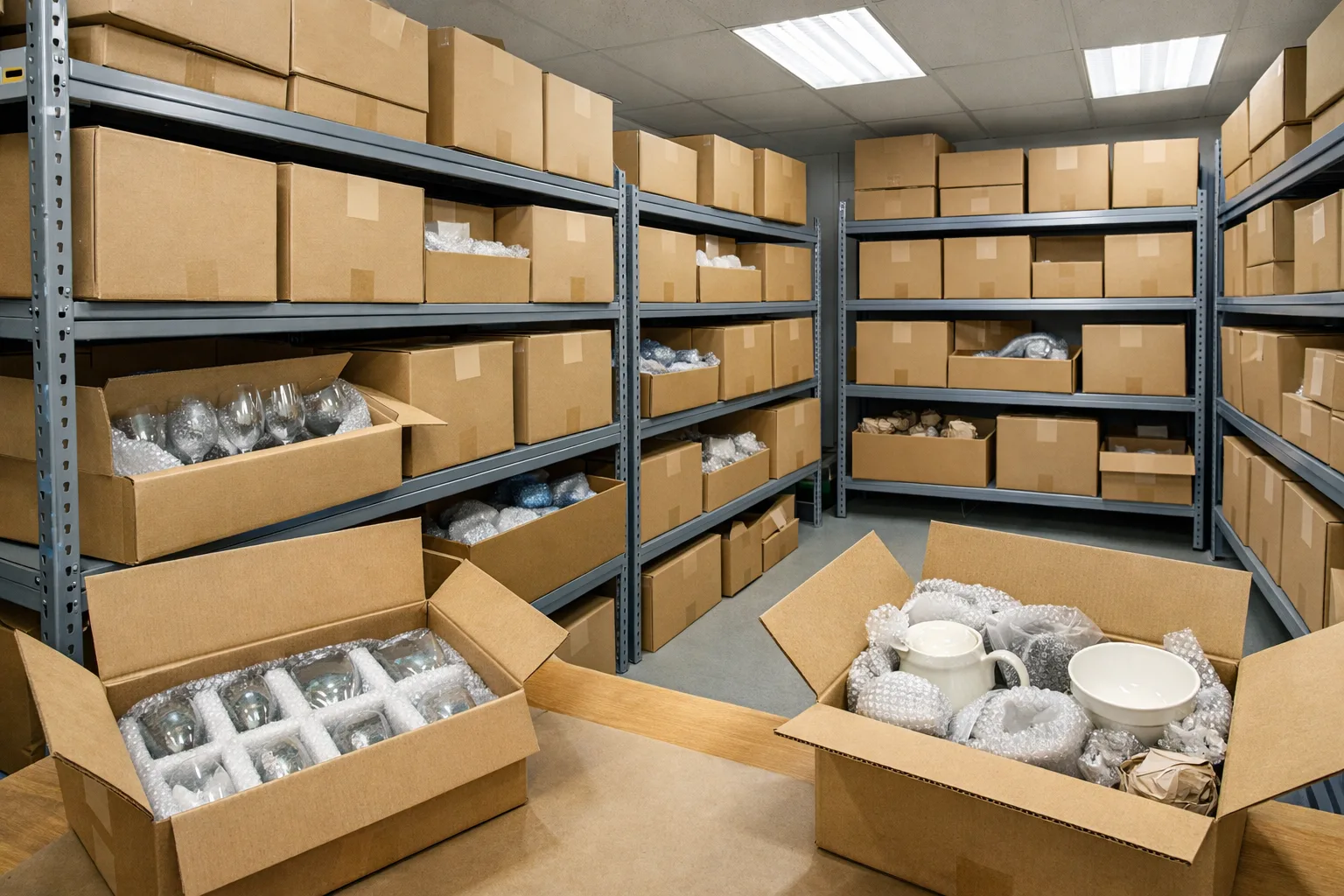
Use special bubble wrap for large surfaces, then reinforce edges with cardboard or styrofoam. For larger mirrors, professional carriers or transport frames are recommended to protect against movement and impacts. These frames allow secure placement and facilitate handling during loading and unloading.
Boxes or wraps must be clearly marked as fragile, and mirrors should be transported upright and secured to prevent movement during transit. If possible, use vehicles with air conditioning to avoid sudden temperature changes that can affect glass surfaces.
The arrangement of boxes in the vehicle plays a key role in preserving fragile items. Boxes with fragile contents should be placed where they won’t be exposed to heavy pressure or possible impacts. Ideally, they should be on top or in specially designated compartments for fragile items.
It is ideal to place those boxes on top of others or in separate zones that are protected. Also, it is important to leave enough space between boxes for cushioning and to prevent shifting during transport. Use pillows, blankets, or additional materials to fill gaps between packages.
When loading, ensure that boxes are arranged stably and secured to prevent tipping or sliding. Additional straps or nets can help secure the packages. Also, inform the driver and moving team about the location of fragile boxes to avoid sudden movements and impacts during transport.
Upon arrival at the new address, it is important to carefully unpack boxes containing fragile items. It is recommended to unpack these boxes first to check for any damage during transport. This way, you can also immediately organize items in safe places.
Open boxes slowly, removing protective materials and inspecting each item individually. If you notice any damage, document it immediately with photos and contact the company if you used moving services. Keep the original packaging and packing materials in case a claim is necessary.
After unpacking, carefully place items in a safe location and check if additional securing or repairs are needed. Also, organize the space so that fragile items are not placed where they can easily fall or be hit. Consider placing protective cushions on shelves or using holders for extra stability.
Advantages of Professional Packing Before Moving in Belgrade
We will respond to you as soon as possible.
Below are answers to the most common questions that arise when packing and transporting fragile items. These answers will help you further secure your valuable belongings during the move.
A box for fragile items should be made of double or multi-layer cardboard, without damage or deformities. The box should withstand the weight of the items and the pressure of other boxes during transport. Test it with gentle pressure and check stability before packing.
Both materials have their advantages. Bubble wrap provides better shock protection because of its air cushions, while wrapping paper prevents scratches and offers additional protection. The best approach is to combine both: first wrap the item with paper, then with bubble wrap.
To prevent shifting, fill gaps inside the box with styrofoam, crumpled paper, or special packing cushions. Items should be firmly secured but not overly compressed to avoid damage from pressure.
It is mandatory to label all boxes containing fragile items with a clearly visible "Fragile" sign or similar. Also, write "This Side Up" to indicate the correct orientation of the package. This alerts the moving team to handle those boxes carefully.
Large mirrors should be packed in special covers and reinforced at the edges with styrofoam or cardboard. During transport, place mirrors upright and secure them so they cannot move or tip over. If possible, hire professionals to handle large and delicate items.
First, photograph the damage and keep all packaging and materials. If you used a professional moving service, notify them immediately about the issue. If you have insurance, contact the insurance company for the claims process.
Packing fragile items requires time and precision, so it's best to start a few days before the planned move. This allows for careful wrapping, proper box stacking, and the possibility of acquiring additional materials without rush or stress.