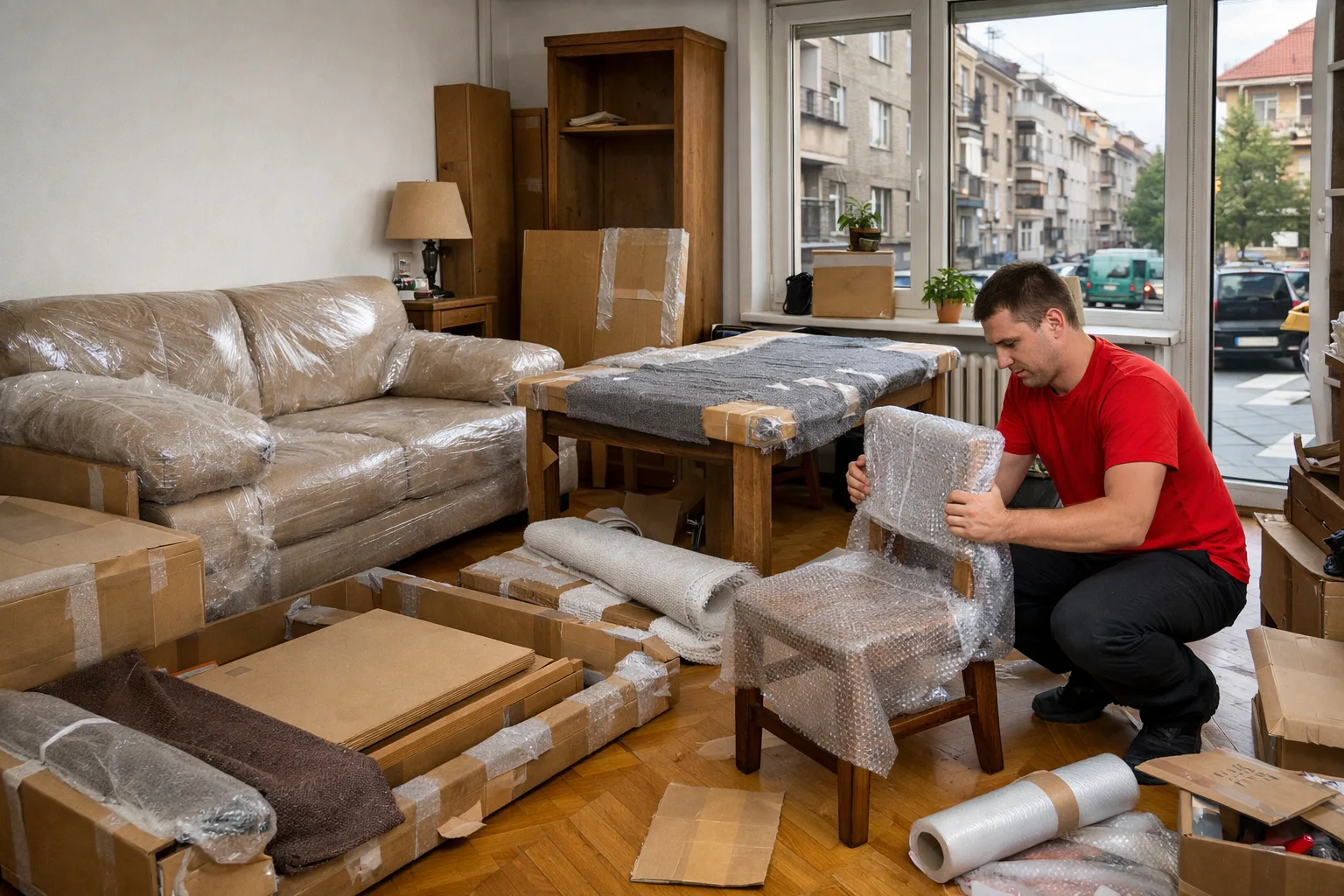
Tips for International Moves
How to Pack Furniture for a Move to Germany?
How to Pack Furniture for a Move to Germany?

Enter at least 3 characters.
Moving abroad is one of the most significant life steps, bringing numerous challenges as well as opportunities for personal and professional growth. Although it may seem like a complex and costly process, with the right approach and thorough preparation, it is possible to significantly reduce expenses and stress. In this guide, we will provide practical advice to help you organize your move efficiently and economically. You will learn how to plan your budget, choose the most affordable way to transport your belongings, prepare all necessary documentation, find affordable accommodation, and utilize local and international support networks. Regardless of the reason for your move—whether for work, studies, or personal reasons—our tips will enable you to prepare for a new beginning with minimal financial and logistical obstacles, making it easier to adapt to your new environment.

Detailed planning and creating a realistic budget are the foundation of a successful and economical move abroad. Before starting the process, it is important to make a comprehensive list of all potential expenses, including plane tickets, accommodation, transportation of belongings, administrative fees, as well as costs related to health insurance and possible deposits for housing. Don’t forget to include funds for unforeseen situations, as additional expenses often arise during the move that are difficult to predict in advance.
Besides the financial aspect, developing a clear timeline is crucial for successful organization. The earlier you start preparing, the more time you will have to research and compare different options, find better deals, and avoid urgent and costly decisions. For example, purchasing plane tickets several months in advance can bring significant savings, while delaying may result in higher prices and fewer choices.
Budgeting also involves realistically assessing your financial capabilities and being ready to compromise in certain areas. Don’t rely solely on one option for transport or accommodation—explore various alternatives and consult with people who have already gone through the moving process. This way, you can find creative solutions that help you save money while maintaining quality and safety during your move.
Transporting personal belongings often represents one of the largest expenses when moving, but careful planning and selecting what to bring can significantly reduce these costs. Before you start packing, make a detailed list of items you truly need, and sell, donate, or recycle the rest. This reduces the volume of items to transport, which directly affects the price.
When choosing the method of transport, it is important to understand the pros and cons of each option. Sea freight is the most economical for large quantities of items but can take several weeks, while air freight is the fastest but also the most expensive. Combining different methods, such as sending larger items by sea and personal belongings in carry-on luggage by plane, can be an optimal solution that saves both time and money.
Consulting specialized moving companies experienced in international transport can help you find the most affordable options. For example, if you want a reliable and cost-effective service, consider international moves that include group shipments or container sharing, which is significantly cheaper than individual shipping. Also, check if there are discounts or special rates for students, employees in certain sectors, or members of specific organizations, as this can further reduce costs.
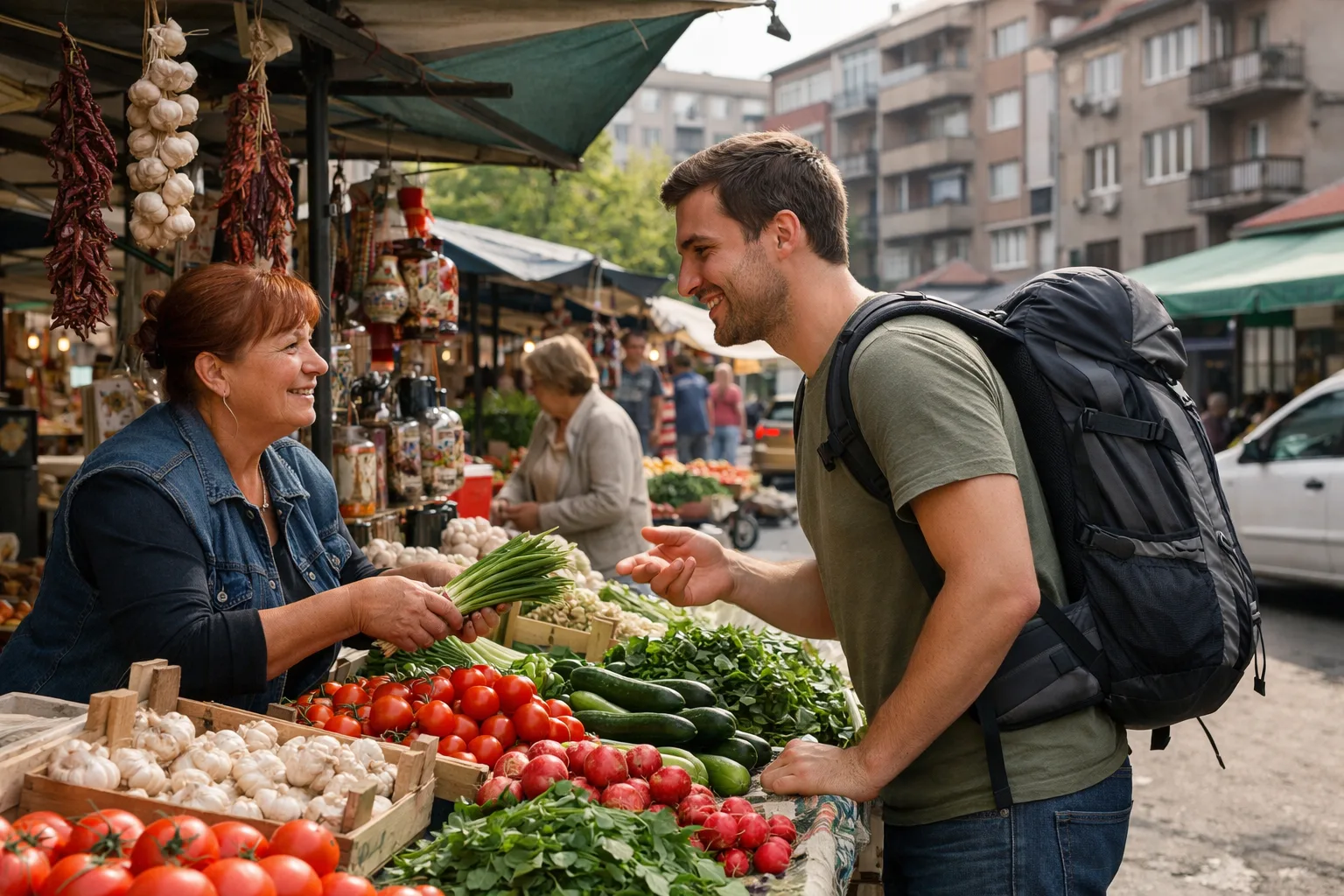
Preparing and organizing the necessary documentation is crucial for a smooth relocation and to avoid additional costs or complications. Before you start, thoroughly research visa requirements, work and residence permits, as well as customs regulations of the country you are moving to. Each country has specific procedures and requirements, so it is important to be fully informed to avoid issues at the border or during residence registration.
Take advantage of free or affordable advisory services offered by embassies, consular offices, and non-governmental organizations. These institutions often provide up-to-date information and can assist you in correctly filling out the required forms, which can speed up the process and reduce the risk of application rejection or extra costs.
It is wise to make digital copies of all important documents and keep them in a secure place, as well as have physical copies on hand during travel. Also, explore options for electronic submission of applications, as this can be faster, simpler, and cheaper compared to in-person visits to institutions. Regularly check document expiration dates and renew them on time to avoid problems after relocation.
Accommodation is one of the largest monthly expenses after moving, so it is important to approach it carefully and thoughtfully. Before committing to a lease, thoroughly research the real estate market in the country and city you are moving to. Look for more affordable options such as sharing an apartment with roommates, student dormitories, or accommodation in less central parts of the city, which often offer lower prices.
Use local online platforms, social networks, and forums where you can contact property owners directly, avoiding brokerage fees that can significantly increase costs. Be prepared to compromise on location, size, or accommodation standards to find an option that fits your budget and needs.
Additionally, talk to people who already live in the country and ask for their recommendations. A network of acquaintances can often be a source of safer and more affordable accommodation options not advertised online. Also, check if there are subsidized housing programs aimed at newcomers or specific categories such as students or workers, as these can significantly reduce housing costs.
Support networks play a key role in facilitating the relocation and adaptation process in a new country, as well as in reducing costs. Join social media groups that gather expatriates from your country or region – there you can find useful advice, service recommendations, and even offers for free or affordable help with moving and accommodation.
Local non-governmental organizations often offer free language courses, legal assistance, counseling, and other forms of support for new immigrants. Utilizing these resources can help you learn the language faster, understand local laws and customs, saving you money and time during adaptation.
Also, explore international exchange programs, scholarships, and volunteer initiatives that often include assistance with accommodation, transportation, and other expenses. Actively engaging in the community and networking can open doors to additional opportunities and reduce feelings of isolation, which is important for successful integration into the new environment.
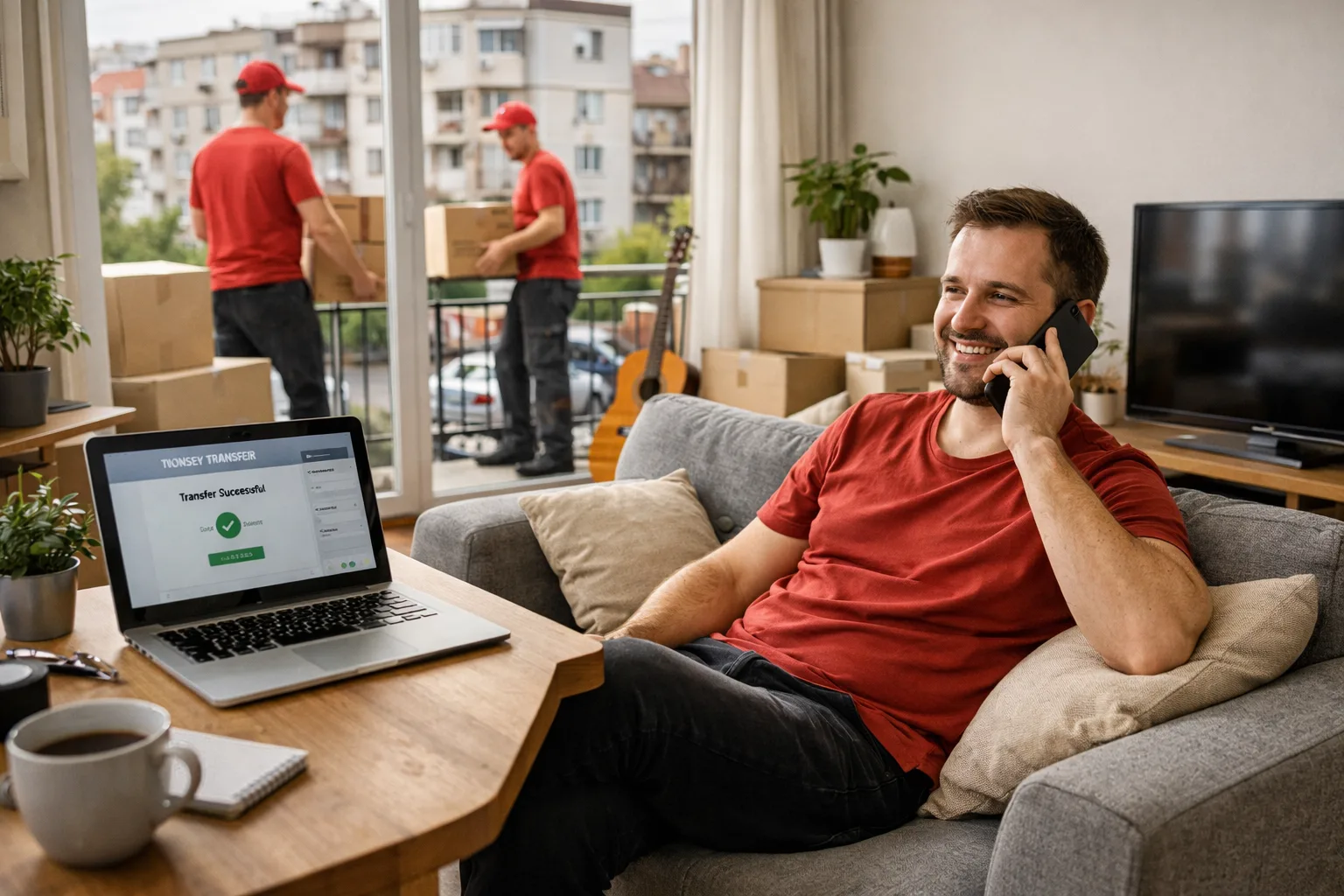
Smart packing is a key factor in saving money on airline fees and easing the transport of belongings. If you want extra security and efficiency, you can use professional moving packing, and it is also recommended to use specialized moving boxes that save space, such as vacuum bags for clothes, which allow you to maximize luggage space. Sort items by importance and weight, making sure not to exceed the allowed weight for carry-on and checked baggage according to airline regulations.
Avoid unnecessary items and focus on clothing and equipment that are easy to mix and maintain. For example, instead of bringing several heavy winter coats, choose one quality coat that can withstand various weather conditions. Also, consider seasonal needs and plan packing according to the destination's climate.
Consider buying basic items at the new location, especially if they are heavy or expensive to transport. For example, kitchen appliances, bedding, or furniture are often more affordable and practical to purchase locally. Before traveling, thoroughly check airline rules regarding luggage dimensions and weight to avoid extra fines and unforeseen costs.
Transferring money abroad can be a significant expense if you do not choose the right service. Traditional banks often have high fees and unfavorable exchange rates, so it is important to research and use alternative services for international money transfers.
Popular services such as Wise (TransferWise), Revolut, PayPal, and others offer transparent fees and competitive exchange rates, which can significantly reduce the cost of sending money. Register on multiple platforms and compare fees and terms before making larger transfers.
Additionally, pay attention to the security and speed of transfers. Some services offer free transfers above a certain amount or promotional offers for new users, which can provide extra savings. Plan transfers in advance to avoid urgent and more expensive options, and regularly monitor exchange rates and fees to choose the most favorable time to send money.
Quick adaptation in a new country and finding additional sources of income can greatly help cover relocation costs and ease financial stability. Consider freelance jobs, remote work, or part-time engagements while searching for a permanent job, as this can be a flexible way to earn while adjusting to the new environment.
Familiarize yourself with local labor laws and required permits to avoid legal issues and ensure your work is legal. Also, learning the host country's language is crucial, as it will increase your chances of getting a job and facilitate daily communication and integration.
Take advantage of local courses, workshops, and volunteer activities as opportunities to acquire new skills, meet people, and build a network. Active community involvement can open doors to additional earning opportunities and contribute to a faster sense of belonging, which is key to a successful start in a new country.
How to Pack Furniture for a Move to Germany?
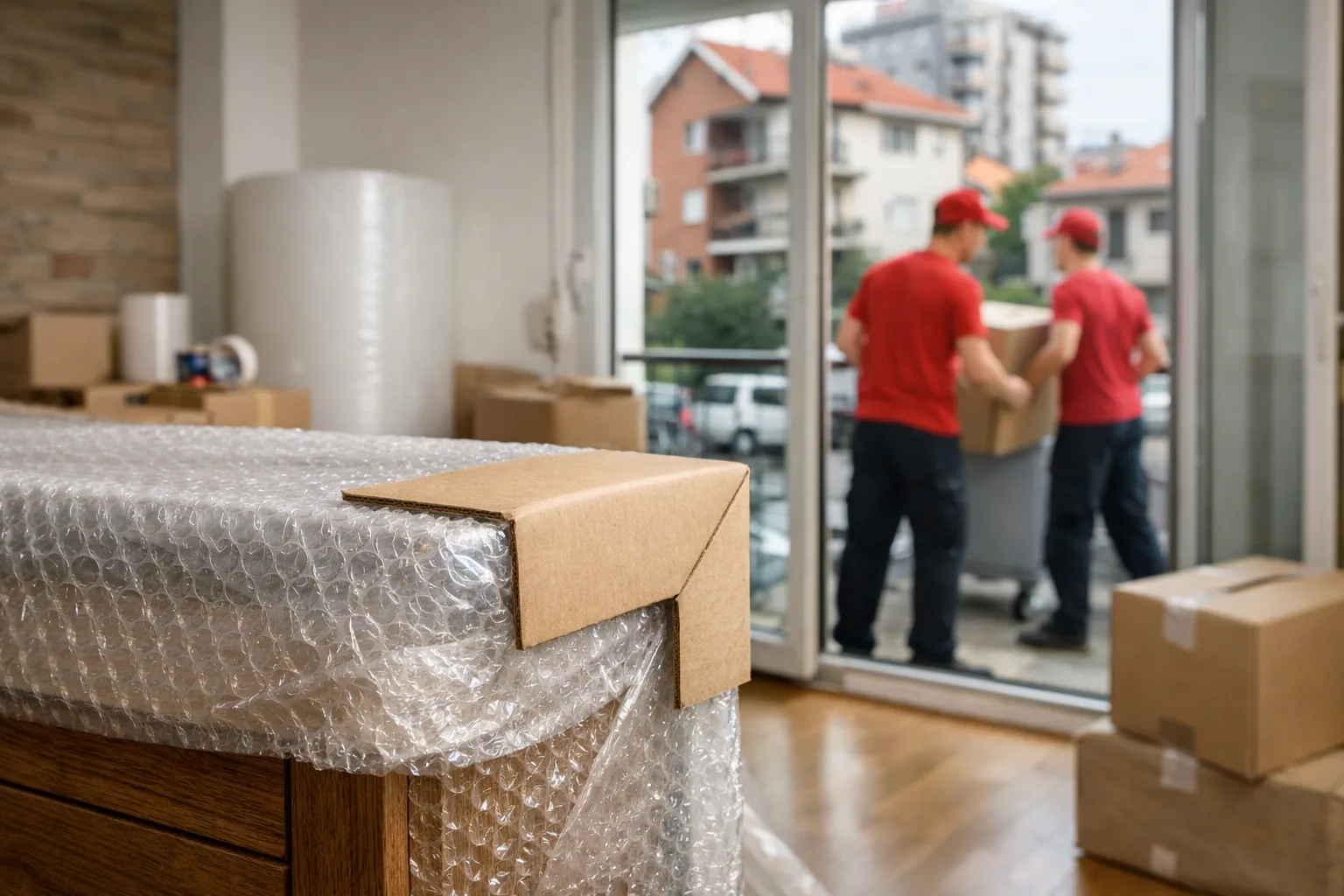
How to Move Furniture from Abroad to Serbia
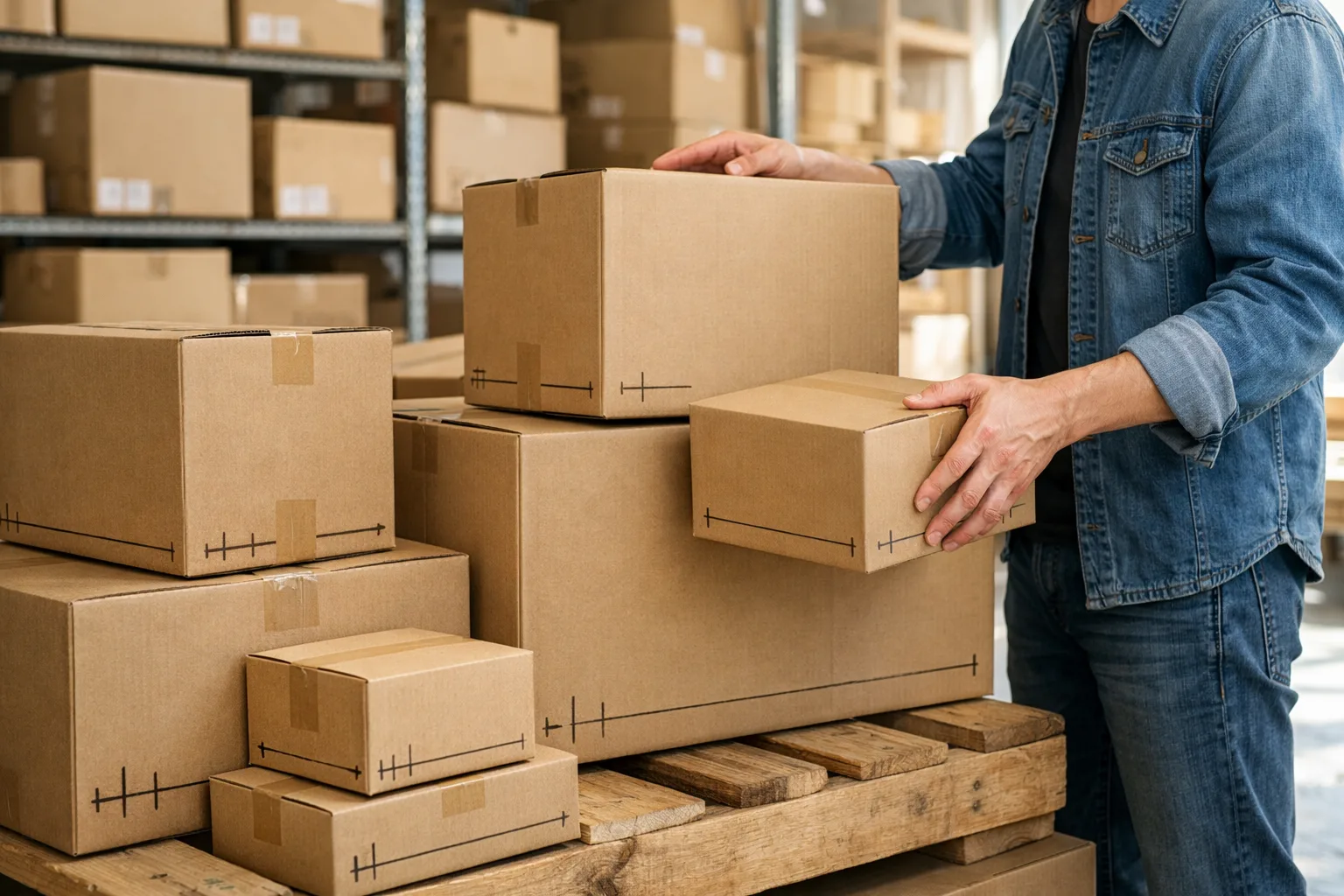
Common Mistakes Made During International Moves
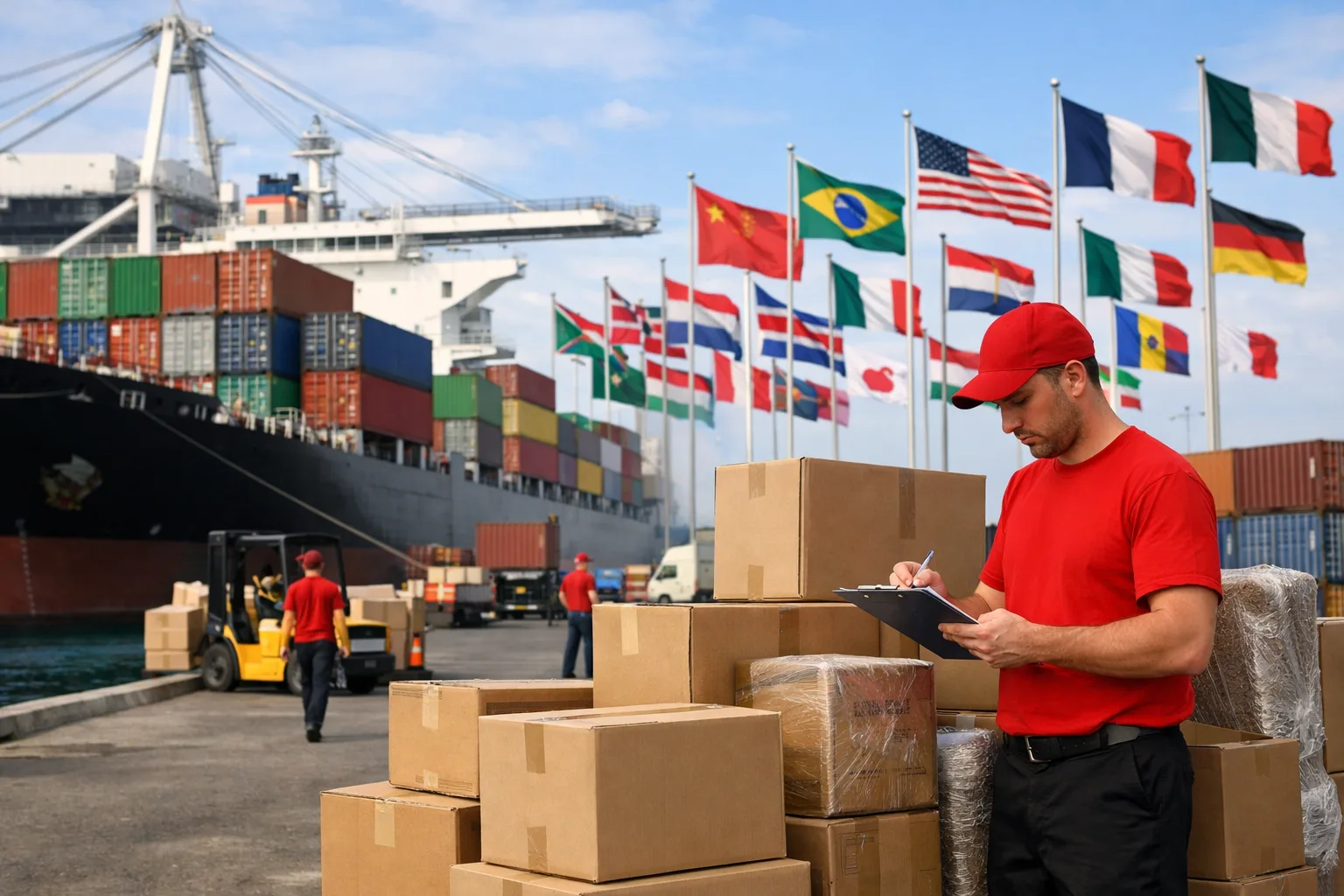
How to Save Money on an International Move?
We will respond to you as soon as possible.
Below we answer the most common dilemmas and specific issues faced by people planning an affordable relocation abroad. From legal documentation to transport logistics – find useful information for your plans.
Buying plane tickets several months in advance, being flexible with travel dates, and using price comparison websites can significantly reduce costs. Also, consider flights with layovers as they are often cheaper than direct flights.
The cheapest method is usually sea freight, especially if you have a large volume of items and it’s not urgent. For smaller quantities and urgent items, combining air and road-mixed transport can be optimal.
Organizing it yourself can be cheaper but requires a lot of time and experience. Moving companies experienced in international relocations can offer affordable packages and solutions, especially if they provide group shipments.
Use local classifieds, social networks, and forums where you can find direct offers without intermediaries. Sharing an apartment or student housing are often the most affordable options. Also, seek recommendations from people already living in the country.
Thoroughly research visa and work requirements of the host country, use official sources and free embassy consultations. Keep digital copies of all documents and check deadlines for submitting applications.
Services like Wise, Revolut, and PayPal offer favorable fees and good exchange rates. Bank transfers are often more expensive. Compare options and plan transfers in advance to avoid urgent and costly payments.
Join local employment groups on social media, learn the local language, and register on freelance platforms. Also, explore volunteering opportunities that can serve as a stepping stone to permanent employment.