Tips for International Moves
How to Pack Furniture for a Move to Germany?
How to Pack Furniture for a Move to Germany?

Enter at least 3 characters.
Relocating a company from Germany to Belgrade is a complex process that requires careful planning and organization. Using a van as a means of transport can be an efficient choice for small to medium-sized companies, but it involves numerous logistical and administrative challenges. In this guide, we will thoroughly explain how to successfully organize a company move by van, from preparation to final steps, with practical advice and concrete examples. Besides the basic steps, we will focus on the specifics of international transport, customs procedures, and legal aspects that are crucial for a smooth transition of the company from one country to another. Finally, we will provide tips on how to reduce costs and risks throughout the process, ensuring the move goes smoothly and without unforeseen problems.

The first and most important step in moving a company by van from Germany to Belgrade is detailed planning. It is necessary to make a list of all items to be relocated, including office furniture, technical equipment, documentation, and goods. This helps to get a clear picture of the scope of work and the required van size. It is advisable to regularly update the list and mark priorities, i.e., which items should be moved first and which can wait.
It is also important to set a timeframe for the move. The choice of date should be coordinated with business obligations to minimize disruption to company operations. Considering weather conditions and possible traffic congestion, a flexible planning approach is recommended. Ideally, plan the move outside peak hours, for example, during weekday mornings or periods with lighter traffic, to avoid delays.
Don't forget to prepare all necessary permits for transporting goods across the border. This includes customs documentation and any certificates, which may require cooperation with experts or a moving company specialized in moves from Germany to Serbia. Also, check if there are specific requirements for certain types of equipment or goods, such as electronic devices or chemicals, as they may require additional documentation or special transport conditions.
Choosing the right van depends on the amount of equipment and furniture you plan to move. For smaller companies or offices, vans with a volume of 8 to 12 cubic meters may be sufficient, while larger companies might require bigger vehicles or even a van with a trailer. When estimating volume, also consider extra space for protective materials and packing.
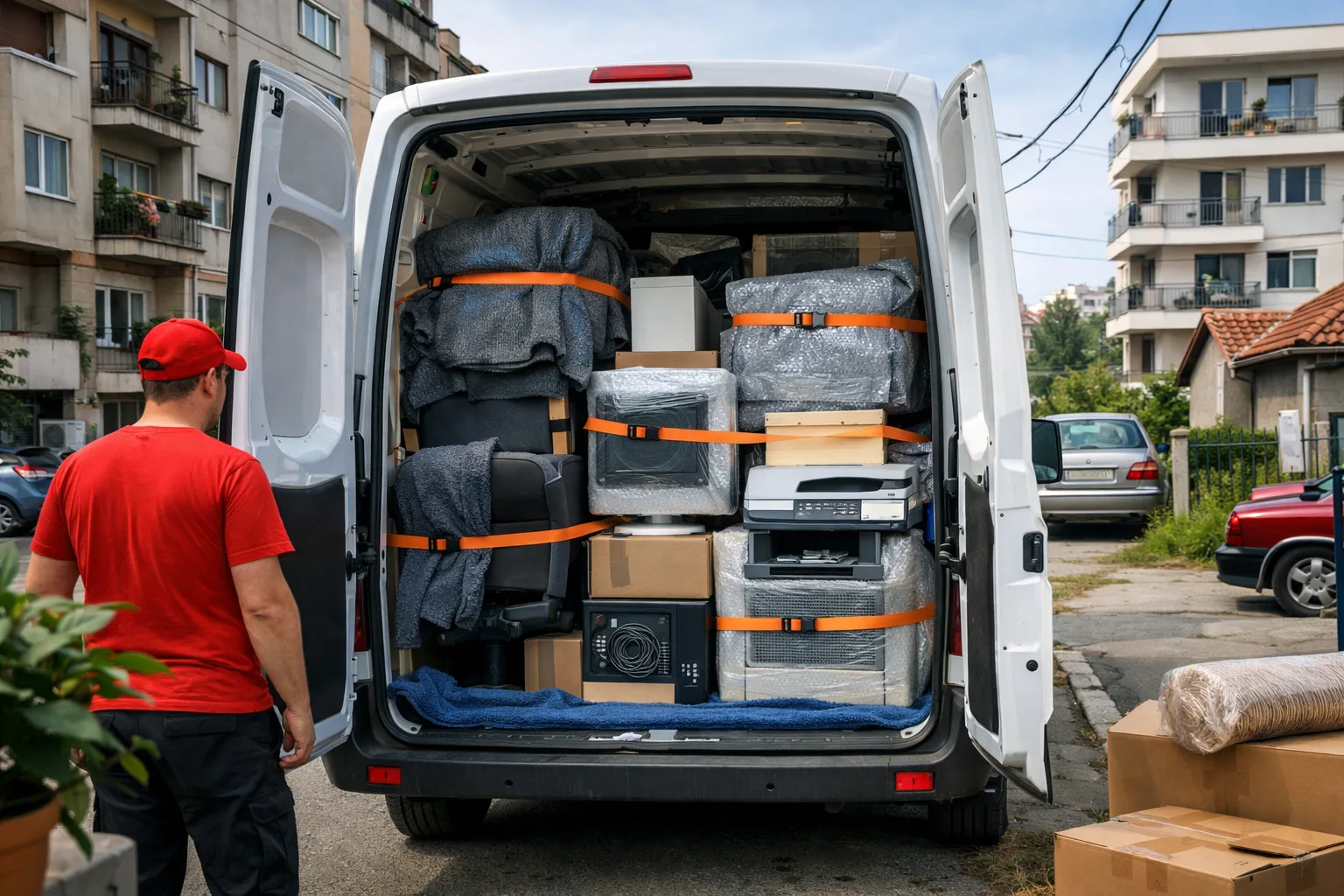
It is essential that the van has a good cargo securing system to prevent shifting and damage to equipment during transit. Also, check if the vehicle meets all technical requirements for international transport, including technical inspection and appropriate insurance. The vehicle should be in good condition, with regularly serviced mechanics and tires, to avoid unplanned stops during the journey.
If you are unsure which van is best for your move, consult professional moving services experienced in international relocations. They can also offer additional services such as packing for moves, loading, and customs brokerage. Additionally, some companies offer real-time vehicle tracking, which can be useful for monitoring the move's progress and timely response in case of issues.
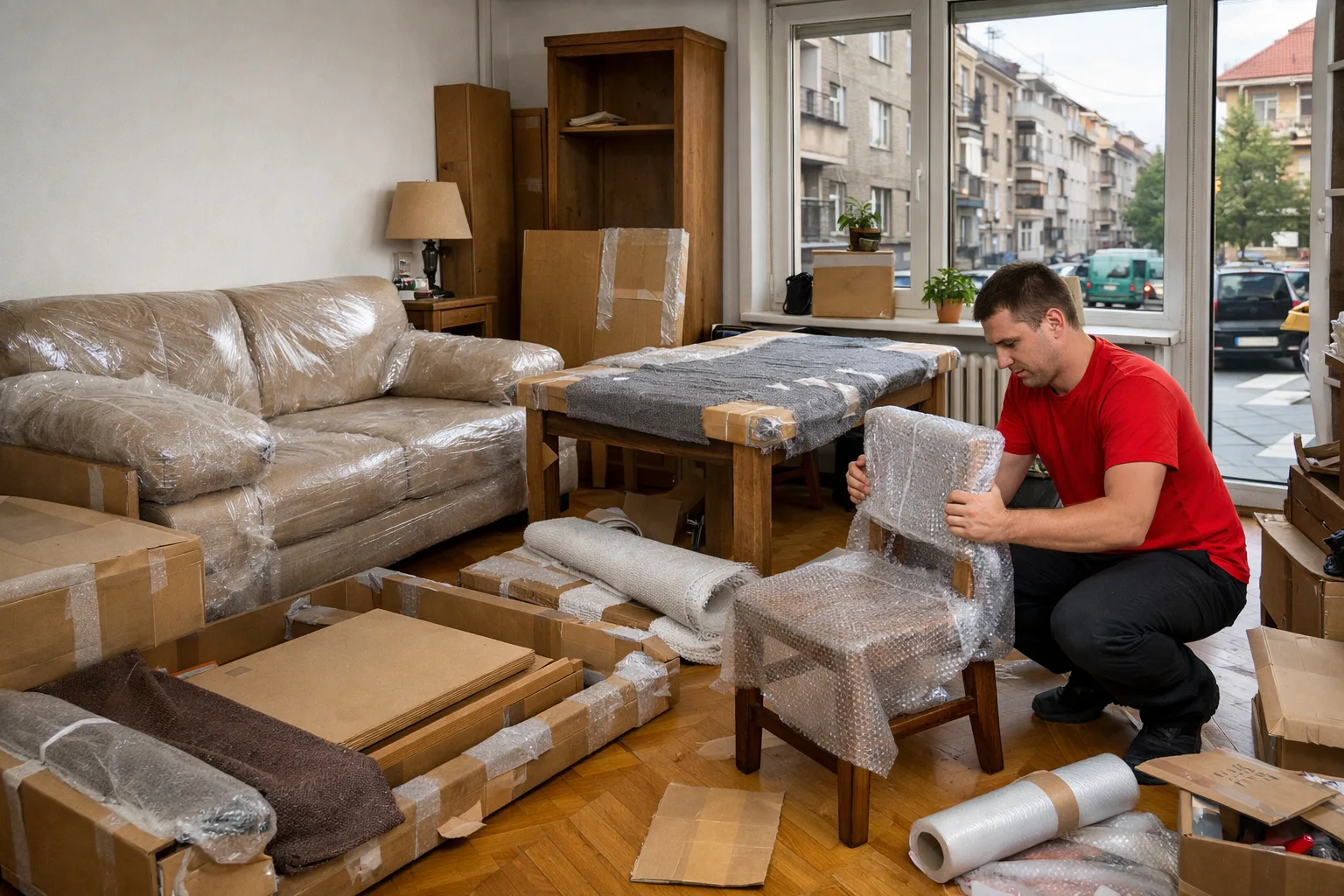
Packing is a crucial part of the move that directly affects the safety of equipment during transport. It is recommended to use specialized materials such as bubble wrap, foam padding, and sturdy cardboard boxes for fragile items. Additionally, it is important that each package is clearly labeled with its contents and handling instructions, which facilitates unpacking and reduces the risk of damage.
Electronic and technical equipment should be specially protected. It is recommended to disconnect cables from computers, monitors, and other devices, packing individual parts separately and labeling them. If possible, use original boxes for transport, as they are designed to provide the best protection. Also, consider insuring valuable equipment during transport.
Furniture that can be disassembled should be taken apart and packed separately to reduce the risk of damage. Heavy items such as metal drawers or shelves should be placed at the bottom of the van for stability during transport. It is recommended to use protective blankets or covers for furniture to prevent scratches and damage during loading and driving.
Van transport from Germany to Belgrade involves crossing the border between the EU and Serbia, which requires compliance with customs procedures. All necessary documents must be prepared, including invoices, transport lists, and customs declarations. It is recommended to prepare the documentation in advance and ensure it is complete to avoid delays at the border.
Customs inspection may require cargo examination, so it is advisable that everything is properly labeled and that you have access to documentation during the inspection. Also, check if there are special regulations for certain goods you are transporting, such as restrictions on specific products or equipment. Stay informed about current customs regulations and any changes that may affect transport.
Cooperating with customs agents or companies experienced in international relocations can significantly speed up the entire process and reduce the risk of delays at the border. They can assist in preparing all necessary paperwork and permits, as well as resolving any issues during the customs procedure. Also, consider using electronic customs clearance systems to further accelerate the process.
Efficiently organized loading of the van saves time and reduces the risk of equipment damage. Items should be stacked so that heavier and larger pieces are at the bottom, with lighter and more fragile ones on top. The use of straps and other securing devices is mandatory to stabilize the cargo during transit and prevent shifting.
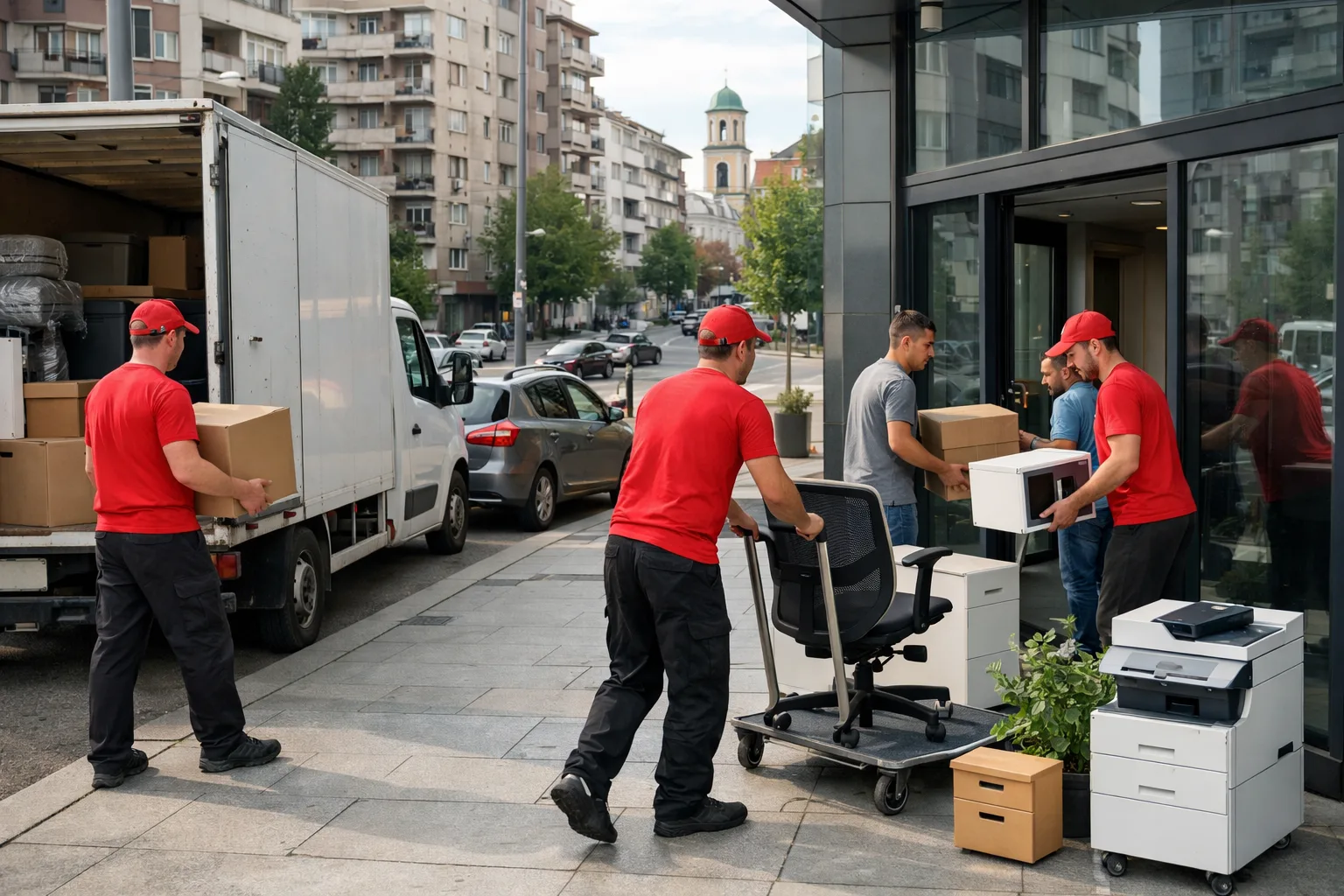
Unloading in Belgrade should be arranged in advance, especially if it involves business premises with limited access or special working conditions. It is beneficial to have a team familiar with the company layout to quickly place items in their designated spots and avoid unnecessary mistakes or damage.
If you hire a professional moving team, check whether they provide assistance with loading and unloading. Their experience can be invaluable for protecting property and precisely arranging items. Also, consider hiring additional labor if the volume of items is large or if special handling of equipment is required.
Relocating a company to another country involves legal and tax obligations. It is important to familiarize yourself with the laws of both countries regarding company registration, tax obligations, and possible relocation incentives. This includes understanding rules on VAT, corporate tax, and other relevant taxes.
In Serbia, it is necessary to register the company or entrepreneur according to local regulations, which may include changing the registered office, tax number, and other administrative steps. These procedures can be challenging without legal assistance, so it is advisable to engage a lawyer or consultant specialized in business law and tax regulations.
Consultations with tax advisors and lawyers experienced in international relocations and business operations are recommended to avoid inconveniences and additional costs. Also, monitor possible legislative changes that may affect business operations, as well as opportunities for subsidies or tax relief when relocating a company.
During the move, it is essential to ensure business continuity as much as possible. Before the move, inform clients and partners about the address change and any potential interruptions in operations, using various communication channels such as email, social media, and the official website.
Plan for key employees to be involved in the moving process, with clearly defined tasks and schedules. This can help reduce stress and confusion during the process and ensure that all aspects of the move are covered, from packing to reestablishing workstations.
After relocating, it is important to promptly address technical and organizational challenges, such as installing computer equipment, telephone lines, and other business systems. A well-organized team can restore the company to full operational capacity in a short time, and it is also recommended to establish backup plans for unforeseen situations.
One of the main challenges when moving a company by van is controlling costs. Smart planning, such as creating a detailed inventory and estimating the required space, can prevent unnecessary expenses for renting a larger vehicle or additional services. Additionally, booking the van in advance can lead to significant savings.
Risks such as equipment damage or transport delays can be minimized by hiring experienced professionals and using high-quality packing materials. It is also recommended to insure the cargo during transport, which can cover potential damages and provide extra security.
Combining your own resources with moving company services can be a cost-effective solution. For example, you can pack and prepare the equipment yourself, while professionals handle transport and customs procedures. This approach allows better cost control while benefiting from the expertise of professionals for key parts of the process.
How to Pack Furniture for a Move to Germany?

How to Move Furniture from Abroad to Serbia

Common Mistakes Made During International Moves

How to Save Money on an International Move?
We will respond to you as soon as possible.
Below we answer specific concerns that arise when organizing a company move by van from Germany to Belgrade, providing practical and precise information.
The most important permits include customs declarations, certificates of origin, as well as documentation for vehicle and cargo insurance. It is also important to check if special approvals or certificates are required for certain goods.
The choice of van depends on the quantity and type of items you are moving. It is recommended to make a detailed assessment of the volume and weight of the cargo and consult with experts or a moving company to suggest the appropriate vehicle.
It is not mandatory, but professionals can significantly ease the process, especially regarding packing, loading, customs procedures, and legal aspects. This can reduce the risk of damage and delays.
Customs control involves reviewing documentation and cargo. Items must be clearly declared, and documents ready for inspection. Cooperation with a customs agent can speed up the process and help resolve potential issues.
For sensitive or technically demanding equipment, it is recommended to use specialized packing materials and possibly hire experts to oversee loading and transport. It is also important to clearly label such items and document their condition before the move.
Plan the move during periods of lower business activity, inform clients about changes, and involve key employees in coordinating the process. Also, provide backup options such as working from home or temporary office spaces.
Detailed planning, using your own packing resources, hiring local moving companies, and insuring the cargo can reduce overall costs. Avoid unnecessary services and choose the optimal moving time to avoid extra fees and congestion.