How to pack antique furniture?
How to pack antique furniture?

Enter at least 3 characters.
Moving to a new home represents a significant life change that can evoke various emotions in all family members, especially children. Involving children in the packing process not only helps them better adapt to the new situation but also develops their organizational skills, sense of responsibility, and togetherness. When children actively participate in moving preparations, they get the chance to express their feelings, learn new skills, and feel like an important part of the family. This guide provides detailed and practical advice on how to make the packing process as pleasant and stress-free as possible for children, and consequently for the entire family, especially in the context of moving to a dynamic city like Belgrade.
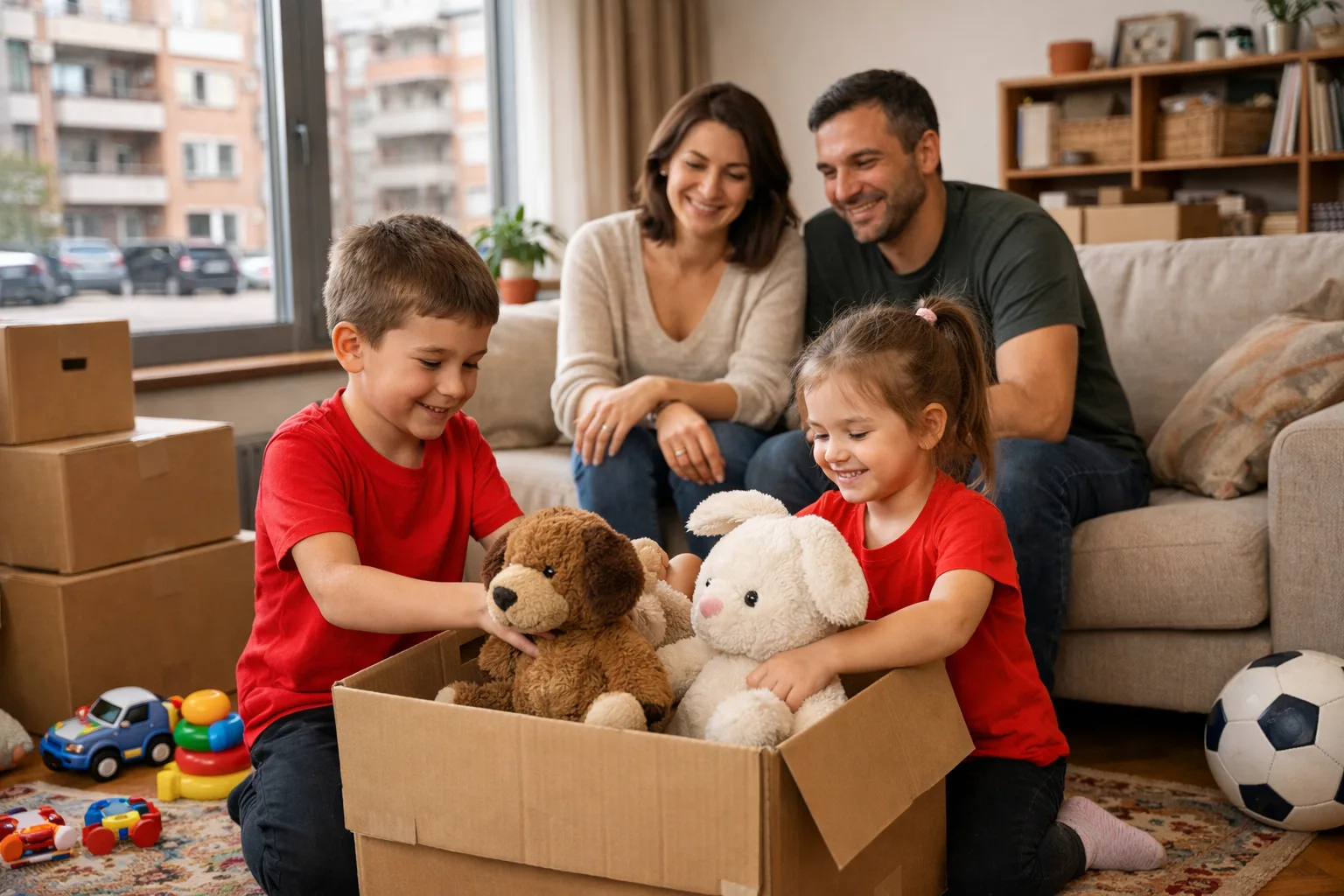
Involving children in the packing process gives them a sense of control over the situation, which is crucial for reducing the anxiety that often accompanies moving. When children understand what is happening and actively participate, they more easily accept changes and feel safer in the new environment.
Besides emotional benefits, packing together develops practical skills in children. They learn how to organize their belongings, plan the packing order, and take care of their items—skills that will be useful in other life situations as well.
Working together on packing strengthens family bonds because it provides an opportunity for quality time spent together. During these activities, children and parents can talk, exchange ideas, and support each other, contributing to a positive atmosphere and reducing moving-related stress.
Involving children in packing also encourages the development of their independence and responsibility. When children have tasks suited to their age, they feel useful and motivated to contribute, which positively affects their self-esteem.
Finally, when children participate in packing, they adapt more easily to the new home because they already feel part of the process and know their belongings have been carefully packed and transported, easing the emotional transition to the new environment.
Open and honest conversations with children before packing begins are key to their emotional preparation. Explain the reasons for the move in a way appropriate to their age, highlighting positive aspects such as a new school, parks, or friends they will meet.
Use vivid examples and stories to help them grasp the idea of a new home and life in Belgrade. For example, you can look at photos of the new neighborhood together or explore interesting places they will visit.
It is important to ask questions during the conversation and actively listen to their feelings and concerns. Encourage them to express their fears and expectations, as this will help them feel understood and supported.
The conversation can also include joint packing planning, where children can suggest how to organize their belongings or what they want to take with them, further increasing their involvement and sense of control.
If children express negative emotions, do not minimize them; instead, acknowledge them and offer concrete ways to overcome stress, such as shared activities or playtime after packing.
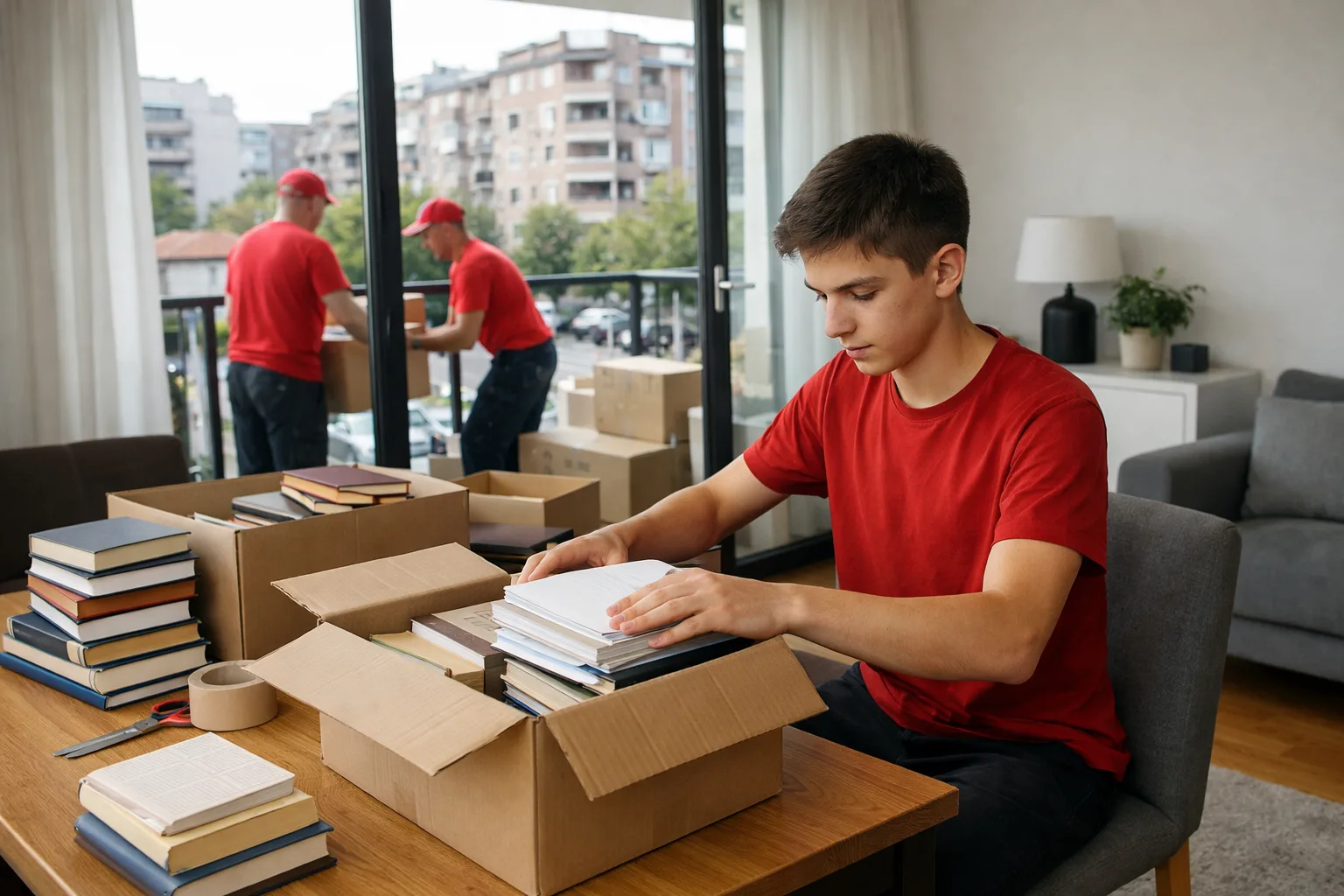
When assigning tasks, it is important to consider the child's age and abilities to avoid overload and frustration. Younger children can have simpler tasks, such as packing their favorite toys or clothes.
Older children can take on more responsible tasks, like labeling boxes, sorting books, or carrying lighter items. This way, they develop a sense of responsibility and independence.
Providing clear and simple instructions helps children understand what is expected of them and complete tasks with satisfaction. For example, you can give them a list of items to pack or show them how to properly fold clothes.
Involving children in planning the packing schedule can further motivate them, as they will know when and what to do, and you will be able to monitor their progress and provide support as needed.
It is important to praise every effort and success, regardless of the task size, because positive feedback encourages further engagement and boosts self-confidence.
To make the packing process more interesting and less stressful, include games and creative tasks that will motivate and entertain the children. For example, you can organize a competition for quick and neat packing of certain items.
Educational activities like making a list of items to be packed help children develop organizational and cognitive skills while teaching them planning and task tracking.
Drawing a plan of the new apartment or room in Belgrade can be a great way for children to visualize their new space and think about how they will arrange their corner, increasing their involvement and enthusiasm.
You can also use creative materials such as stickers, markers, and decorative paper for labeling boxes, giving children the opportunity to express their creativity and make packing more fun.
Regular breaks for play or short activities during packing help children maintain concentration and energy while reducing the chance of fatigue and frustration.
Prepare a special and organized packing corner where children will have all necessary materials within reach. This can be a table or part of a room equipped with boxes, markers, tape, and stickers.
It is important that the space is safe and child-friendly, without sharp, fragile, or heavy objects nearby to avoid injuries and accidents during packing.
Organize materials so that children can easily find what they need, increasing their independence and efficiency in working.
Occasionally take short breaks so that children can move around, stretch, and rest, as sitting and concentrating for too long can lead to fatigue and loss of motivation.
If possible, play music or favorite audio stories during packing to create a pleasant atmosphere and further motivate children to participate in the process.
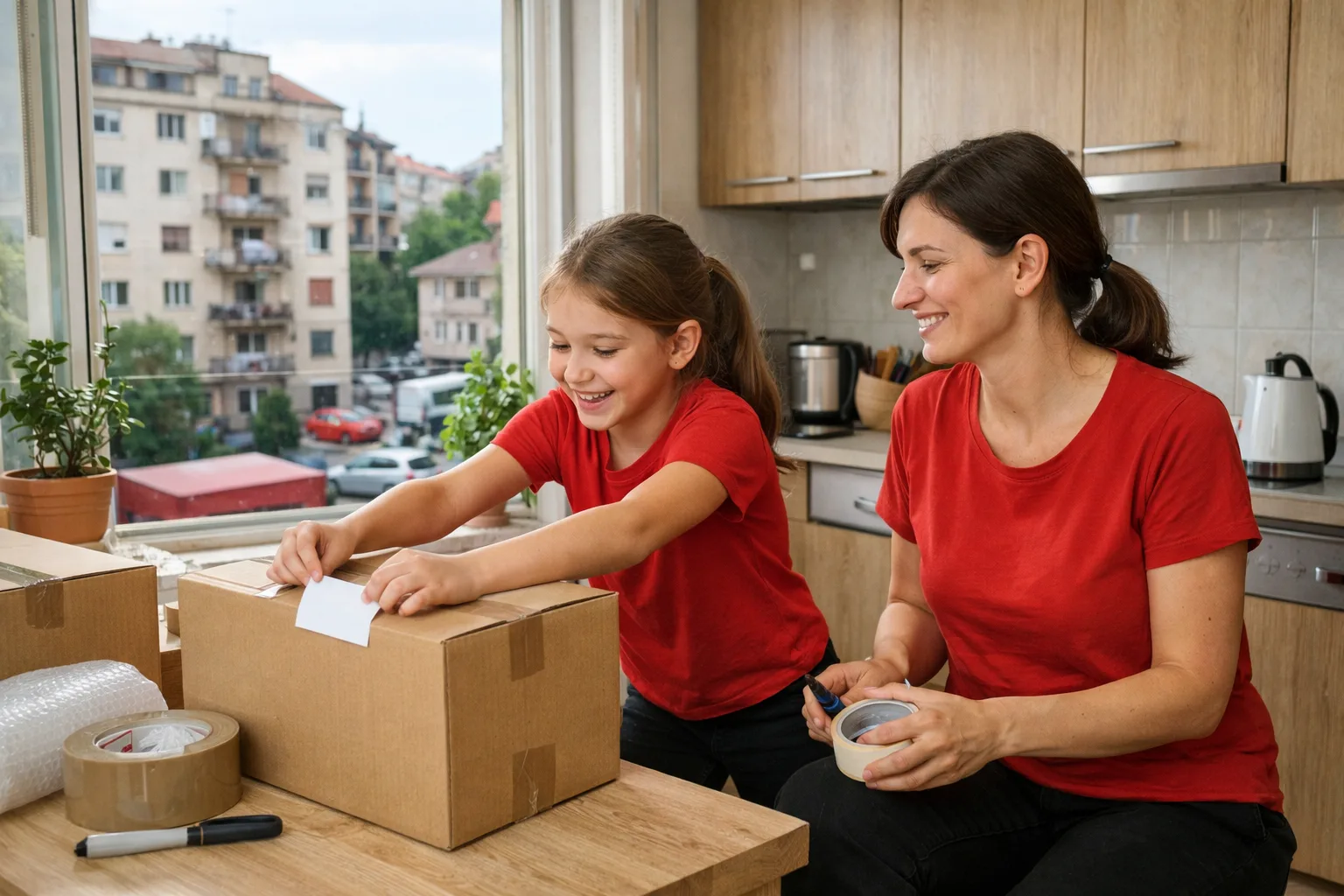
Give children the opportunity to decide how to pack their belongings themselves, which helps them develop independence and a sense of control over the situation. For example, they can choose which toys to pack first or how to organize their clothes.
Encourage them to label boxes with their names or drawings, giving them a sense of ownership and responsibility for their things.
It is important for parents to be supportive and praise the effort and creativity of children, as positive feedback motivates them to be more engaged and responsible.
Involving children in decision-making related to the move, such as choosing a room or arranging furniture, further strengthens their independence and sense of belonging to the new home.
By encouraging responsibility through packing, children learn important life lessons about organization, planning, and caring for their belongings, which will benefit them in the future.
Resistance and stress in children are common reactions to changes like moving, so it is important to recognize and understand their emotions. Provide them with security and support through open dialogue and patience.
Talk to children about their feelings and offer concrete ways to overcome stress, such as drawing, journaling, or playing relaxing games together.
Involving children in activities they enjoy and find fulfilling can help reduce anxiety and increase their sense of control over the situation.
If you notice that a child is having more significant difficulties adjusting, do not hesitate to seek help from professionals such as psychologists or educators who can provide additional support.
Also, involving extended family and friends in the process can help children feel loved and supported, easing their emotional adaptation to the new home.
Belgrade is a city with specific challenges, such as heavy traffic and often limited apartment space, which requires careful packing planning. If you want to make the process easier for yourself, you can hire professionals for moving packing, while involving children in smaller tasks to keep them motivated.
Use moving boxes with labels and pictures that will help children more easily recognize their belongings and facilitate unpacking in the new home. For example, stickers with images of favorite toys or clothes can be very helpful for younger children.
Pay attention to safety during packing – keep sharp, heavy, and fragile items out of children's reach and explain the rules of behavior to avoid accidents.
If possible, organize packing in a space that is not the everyday living area, so as not to disrupt the family's daily routine and to allow children to feel as normal as possible during the process.
Finally, don't forget to set aside time for shared activities and rest after packing, as this will help children relax and positively connect with their new beginning in Belgrade.
Advantages of Professional Packing Before Moving in Belgrade
We will respond to you as soon as possible.
Below we answer the most common questions from parents who want to involve their children in the packing process during a move, focusing on practical advice and overcoming challenges.
Motivation can come through games and rewards. Create fun challenges or competitions, for example, who can pack a certain number of items faster. Praise and small rewards, like a shared treat after work, also help keep children engaged.
It's important to involve children in deciding which toys to take and how to pack them. Allow them to choose their favorite toys to have on hand upon arrival at the new home. Also, explain that the toys are not lost but temporarily packed for a new beginning.
Younger children can pack light and non-breakable items like clothes or stuffed animals, but parents must constantly supervise the process to prevent accidents. Avoid letting children handle sharp objects or heavy boxes.
Organize breaks for play and rest, allow them to express their feelings, and provide reassurance through conversation. Also, involving them in packing gives them a sense of control and belonging, which reduces stress.
Teenagers can take on more complex tasks such as labeling boxes, packing books, organizing documents, or coordinating moving plans. It's important to give clear instructions and acknowledge their effort.
Include children in unpacking their belongings by letting them unpack their own boxes and place items where they belong. This helps them adapt faster and feel part of the new home. Plan unpacking in stages and provide help when needed.
Always keep sharp and heavy objects out of children's reach. Use non-toxic packing materials and explain the rules of behavior during packing. Also, supervise children to prevent accidents and ensure safety throughout the process.