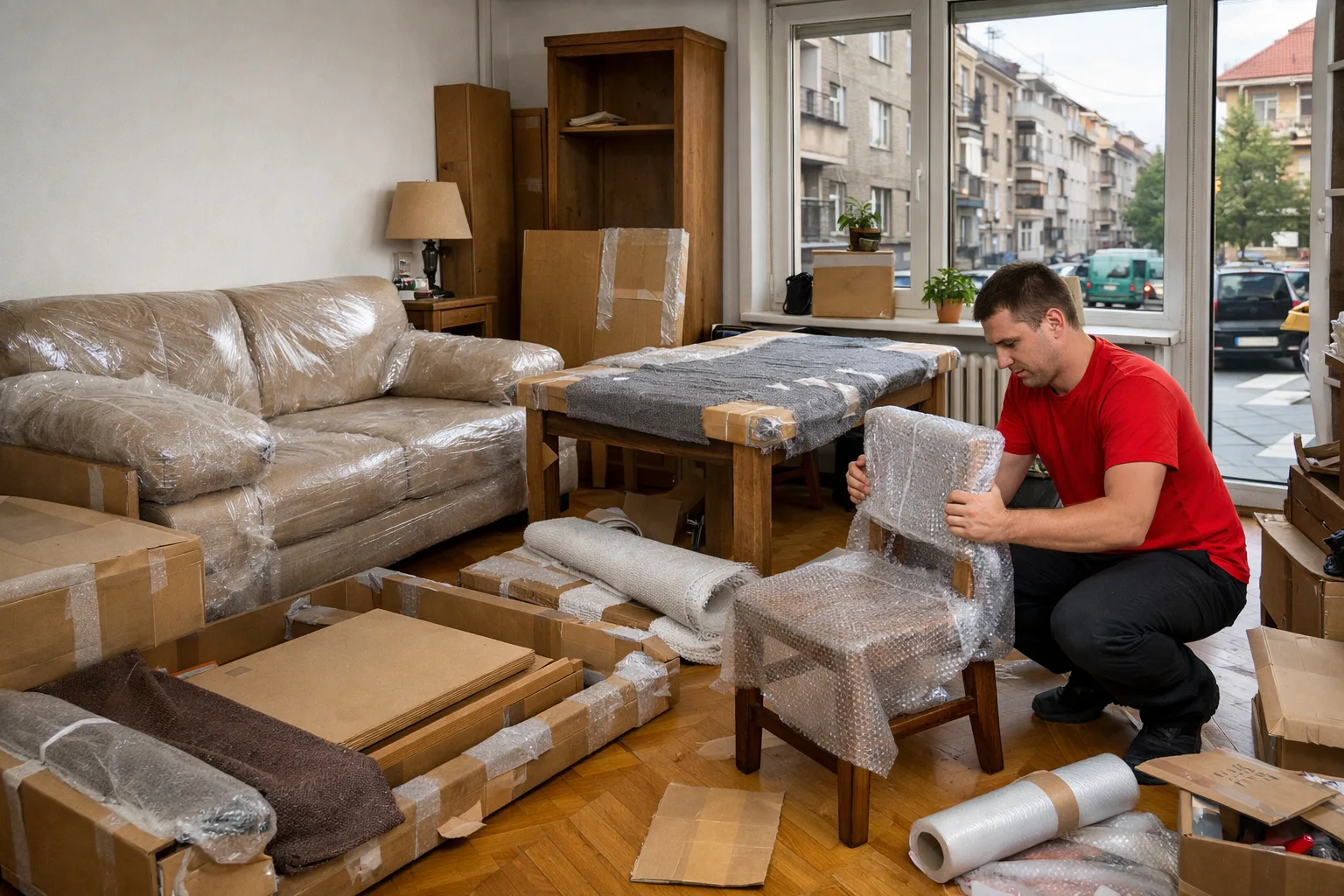
Tips for International Moves
How to Pack Furniture for a Move to Germany?
How to Pack Furniture for a Move to Germany?

Enter at least 3 characters.
Choosing an apartment remotely is a challenge that requires careful planning and thorough preparation, especially when it comes to international relocation. Without the opportunity to view the property in person, it is important to rely on reliable sources of information, technology, and the right approach to make a good decision. This guide will provide you with practical advice on how to efficiently and safely select an apartment remotely and avoid common pitfalls. In addition to the basic steps, it is important to understand the specifics of the local real estate market, as well as the legal and logistical aspects that can significantly impact the success of your move. We also recommend familiarizing yourself with the cultural differences and customs of the country you are moving to, as this can help establish better relationships with agents and landlords, as well as in everyday life at your new location.
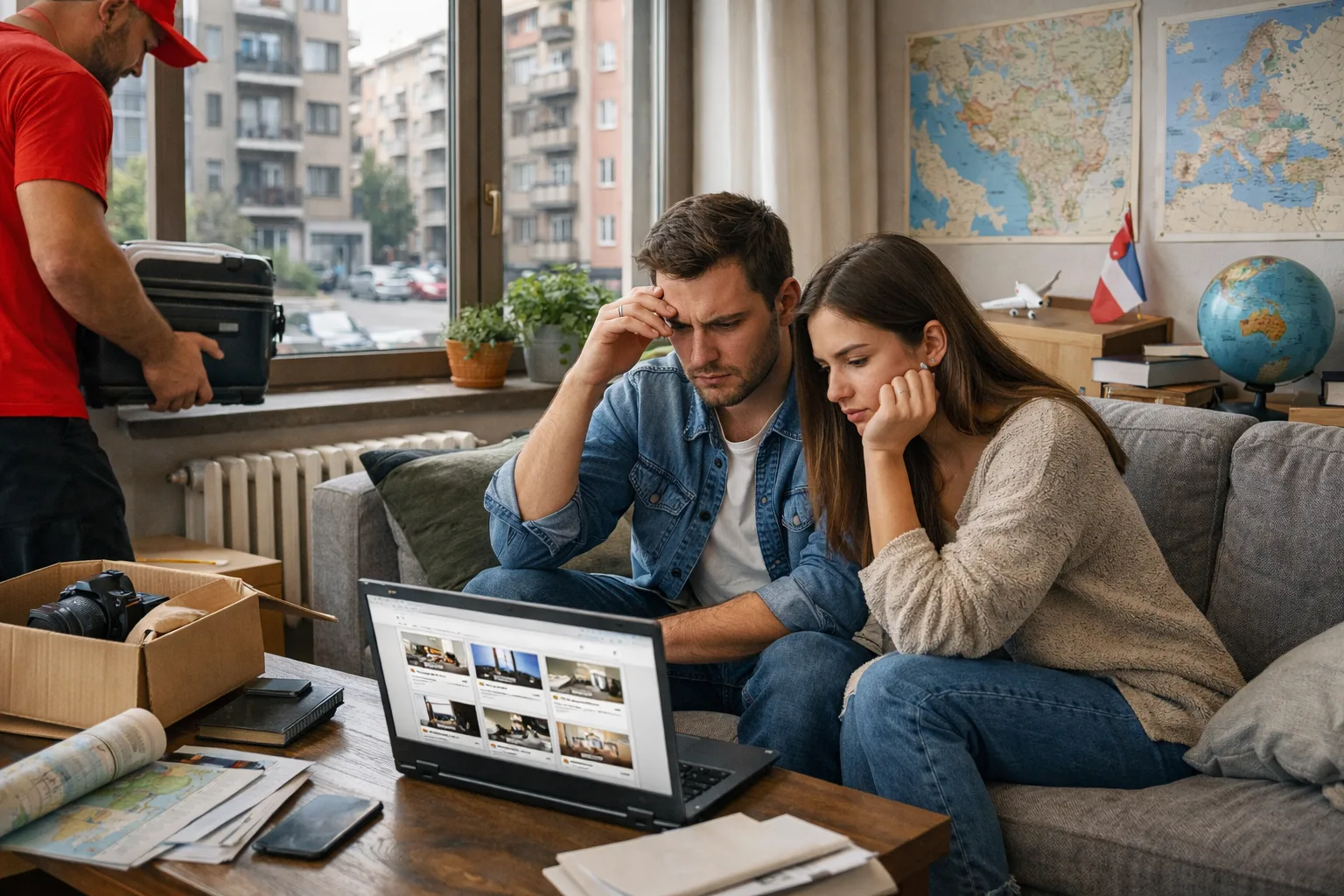
The first step in choosing an apartment remotely is clearly defining your needs and priorities. Consider the apartment size, number of rooms, location relative to work, school, or other important amenities. It is also important to know which utilities and nearby facilities are essential for you, as well as whether you prefer a quiet or busy area. Considering the availability of public transportation and proximity to healthcare facilities can further ease daily life.
Defining your budget is a key part of this process. Take into account not only the monthly rent but also additional costs such as deposits, utility bills, maintenance, and any shared fees. Precisely setting your financial limits will help you narrow down your options and focus on realistic choices. Also, keep in mind possible currency exchange fluctuations if you are moving abroad, as this can affect overall expenses.
When setting priorities, be prepared to compromise because choosing an apartment remotely may require flexibility. For example, you might need to select a smaller apartment or one in a different neighborhood to stay within budget while still meeting basic requirements. Consider long-term needs and possibilities for expansion, as well as the potential property value if you plan to buy instead of rent.
Thorough research of the real estate market in the city or country you are moving to is crucial for successfully selecting an apartment remotely. Use reputable online real estate platforms that offer detailed descriptions, photos, and video tours, as well as verified contacts of agents and landlords. Pay attention to current price trends and apartment availability in desired parts of the city.
Besides websites, it is useful to consult local social media groups, forums, and recommendations from acquaintances or colleagues who have already experienced international relocation. Such information often reveals useful details about neighborhoods, safety, and local services. You can also learn about hidden costs or specifics not highlighted in listings.
It is important to verify and compare information obtained online through multiple sources. Be cautious of offers that seem too good to be true and always seek additional proof or confirmation from local agencies or trusted individuals. Also, check whether listings are up to date and if the property actually exists, as there are cases of fake listings that can lead to loss of money or time.
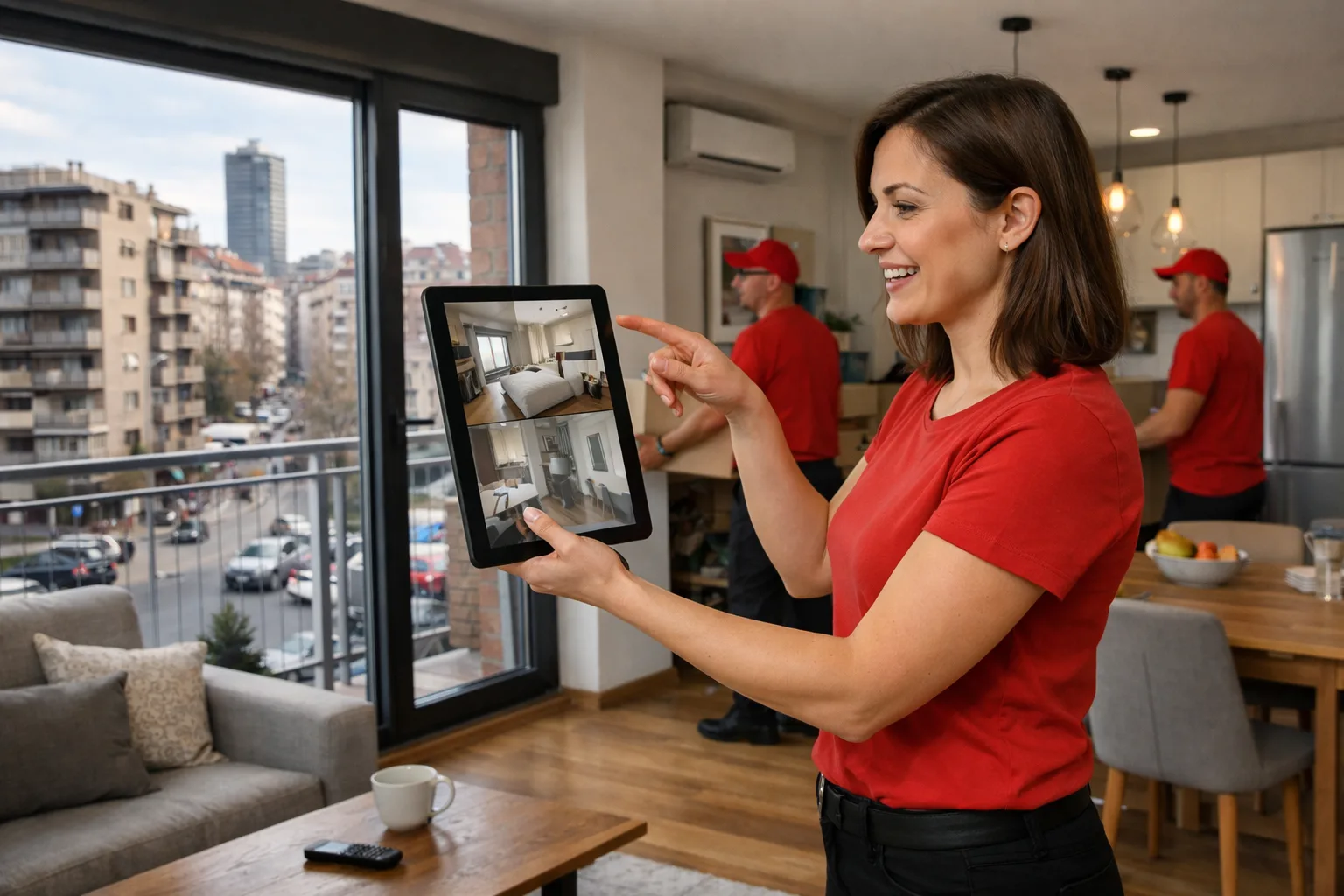
Virtual tours are an indispensable tool today for choosing an apartment remotely. Many agencies and owners offer 3D tours, video recordings, and live video calls through which you can thoroughly view the space and ask questions in real time. These technologies allow you to gain a better impression of the layout and condition of the property than traditional photos can provide.
During a virtual tour, pay attention to the apartment's condition, room layout, lighting, and any visible flaws. Request additional photos or videos if something is unclear or if you want to check specific parts of the apartment, such as the bathroom or kitchen. Also, verify whether the shown rooms are furnished and if there is visibility of the surrounding environment, which can help in assessing the location.
For a technical inspection, you can hire a local professional or someone you know in that country to conduct a property check and confirm that everything is in order. This is especially important if you are not familiar with local laws and housing standards. A professional inspection may include checking installations, heating, ventilation, and other technical aspects that are not easily visible remotely.
Legal aspects are crucial when selecting an apartment remotely, especially abroad. Before signing any contract, thoroughly review the rental terms and verify that they comply with local laws. If necessary, hire a lawyer familiar with the legal system of that country. This can help avoid issues with unclear clauses or unfair conditions.
Pay special attention to the contract duration, termination conditions, maintenance obligations, as well as what exactly is paid as a deposit and whether its refund is possible. Avoid advance payments without a signed valid contract or without secure proof of ownership or the right to rent out the apartment. Also, check if the contract contains clauses about potential repairs and who is responsible for them.
If communication with the owner or agency is hindered by a language barrier, hire a translator or use professional translation services to ensure you understand all clauses and obligations. Clear communication can prevent misunderstandings and potential legal problems in the future.
Trust is essential when buying or renting an apartment remotely. Choose professional and verified agencies or agents with good reputations and references. Look for reviews and ratings from previous clients to gain better insight into their work. Also, verify whether the agencies are registered and operate legally in the country where you are searching for property.
Be transparent in communication and ask detailed questions about the apartment, surroundings, and rental conditions. A good agent will be willing to provide all relevant information, additional photos, and even connect you with previous tenants if possible. This approach can help build additional security and trust.
Never engage in transactions with unknown individuals who refuse to provide clear information or pressure you into a quick decision. If you feel something is wrong, look for another apartment or agent. Always keep in mind that your safety and satisfaction come first, so do not rush your decisions.

Once you have chosen an apartment, it’s time to plan the logistics of the international move itself. Include a reliable moving company experienced in international relocations that can assist you with customs documentation and deadlines. It is advisable to obtain several offers and compare services and prices before making a final choice.
Pay attention to the time gap between the day you leave your old address and when you can enter the new apartment. In some cases, temporary storage of belongings may be necessary, so include this in your planning and budget. Also, plan the transport of personal items and furniture, considering regulations on bringing certain goods into the new country.
Arrange all necessary permits and documents for crossing the border, and notify local authorities at your new location if legally required. Prepare for possible delays and unforeseen situations. Good preparation and flexibility can significantly reduce stress during the move.
Secure communication and payment are vital when selecting an apartment remotely. Use trusted communication channels such as official emails, video calls, and messaging apps with encryption. Avoid sharing personal information over insecure or public networks.
When it comes to payment, avoid cash payments or transferring money through insecure services. Use trusted and legal methods such as bank transfers or payment platforms that offer buyer protection. Also, check if there is a possibility of a refund in case of problems or fraud.
Before making any payment, verify the identity of the person or company you are sending money to and request a signed contract. Keep all evidence of transactions and communication in case of disputes. Regularly make copies of all important documents and message exchanges.
Even if you have chosen an apartment remotely, a personal inspection after arrival is an essential step. Prepare to thoroughly inspect the apartment, check if everything matches the description and contract, and document any defects or damages. This inspection can help you avoid misunderstandings and additional costs.
Be sure to create a report or take photos upon entering the apartment that will serve as proof that you are not responsible for existing issues. This is important for the return of the deposit and future communication with the owner or agency. It is recommended that the report be signed by both parties to have legal validity.
If you notice irregularities or problems, report them immediately and agree on a way to resolve them. A good relationship with the owner or agent after arrival can greatly facilitate your stay and the resolution of everyday issues. Also, have a plan ready for emergencies, such as breakdowns or unforeseen repairs, so you can respond quickly.
How to Pack Furniture for a Move to Germany?
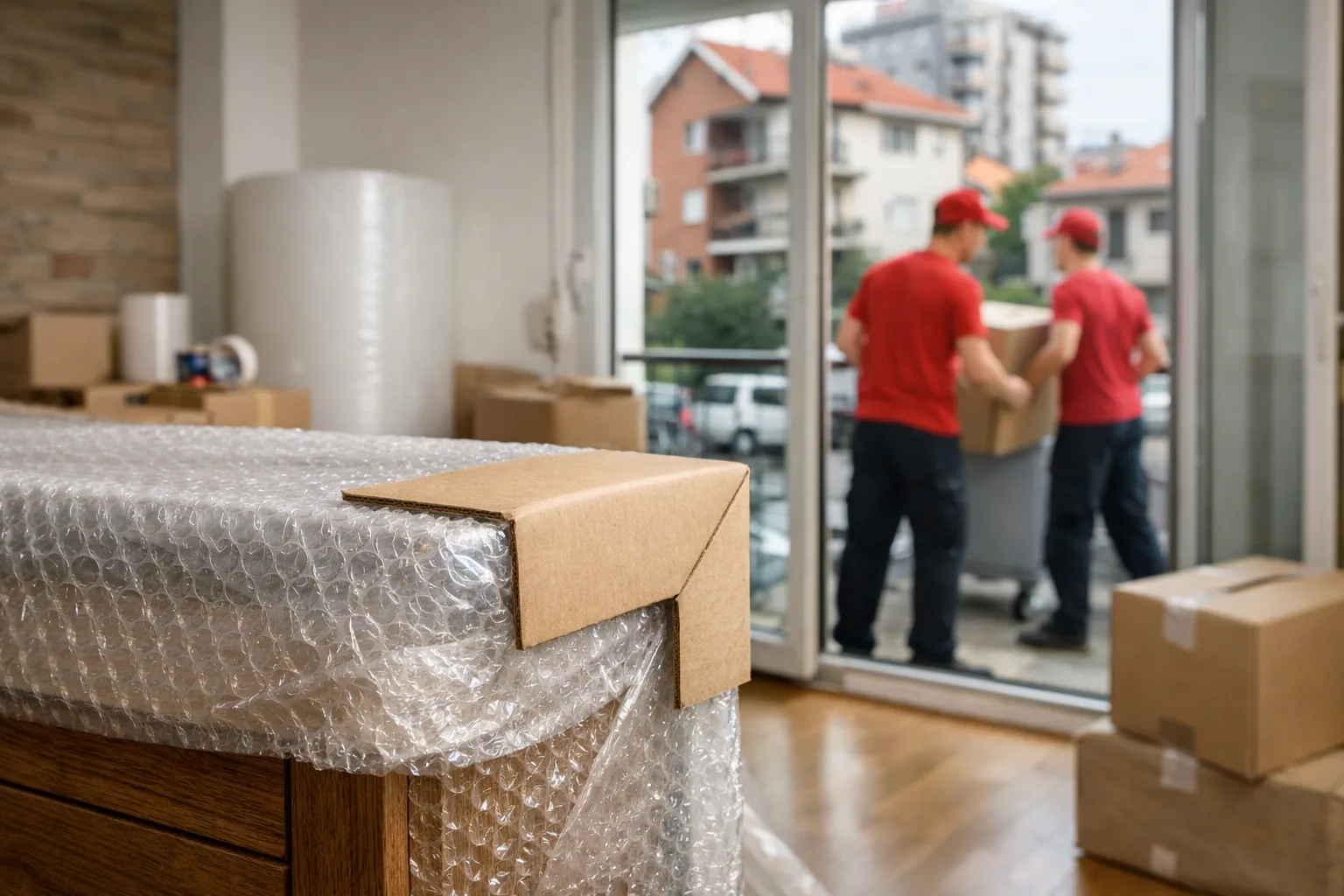
How to Move Furniture from Abroad to Serbia

Common Mistakes Made During International Moves

How to Save Money on an International Move?
We will respond to you as soon as possible.
Choosing an apartment remotely comes with specific challenges, so we have prepared answers to the most common concerns that arise during this process.
To reduce the risk of fake or outdated photos, request a live virtual tour or video call with the agent or owner. Also, check if there is an option to hire a local inspector who can confirm the apartment's condition.
It is best to hire a local lawyer or agency familiar with the laws. This way, you can be sure that all contracts comply with regulations and you won’t face unpleasant surprises.
Check the reputation of the agency or owner through reviews, ask for recommendations, and insist on transparent communication. Never send money before receiving a valid contract and proof of ownership.
Bank transfers or payments through secure platforms that offer buyer protection are recommended. Avoid cash payments and unverified services to protect your money.
Plan in advance for temporary accommodation or storage options. Also, agree with the owner on the exact move-in date and have a backup plan in case of delays.
Yes, a local person or agent can help you better understand the market, negotiate terms, and conduct an apartment inspection, which is especially useful when you cannot be present in person.
Use legal services to review the contract, insist on signing with a digital certificate or notarizing the contract if possible, and keep all evidence of communication and payment in case of future issues.