Tips for International Moves
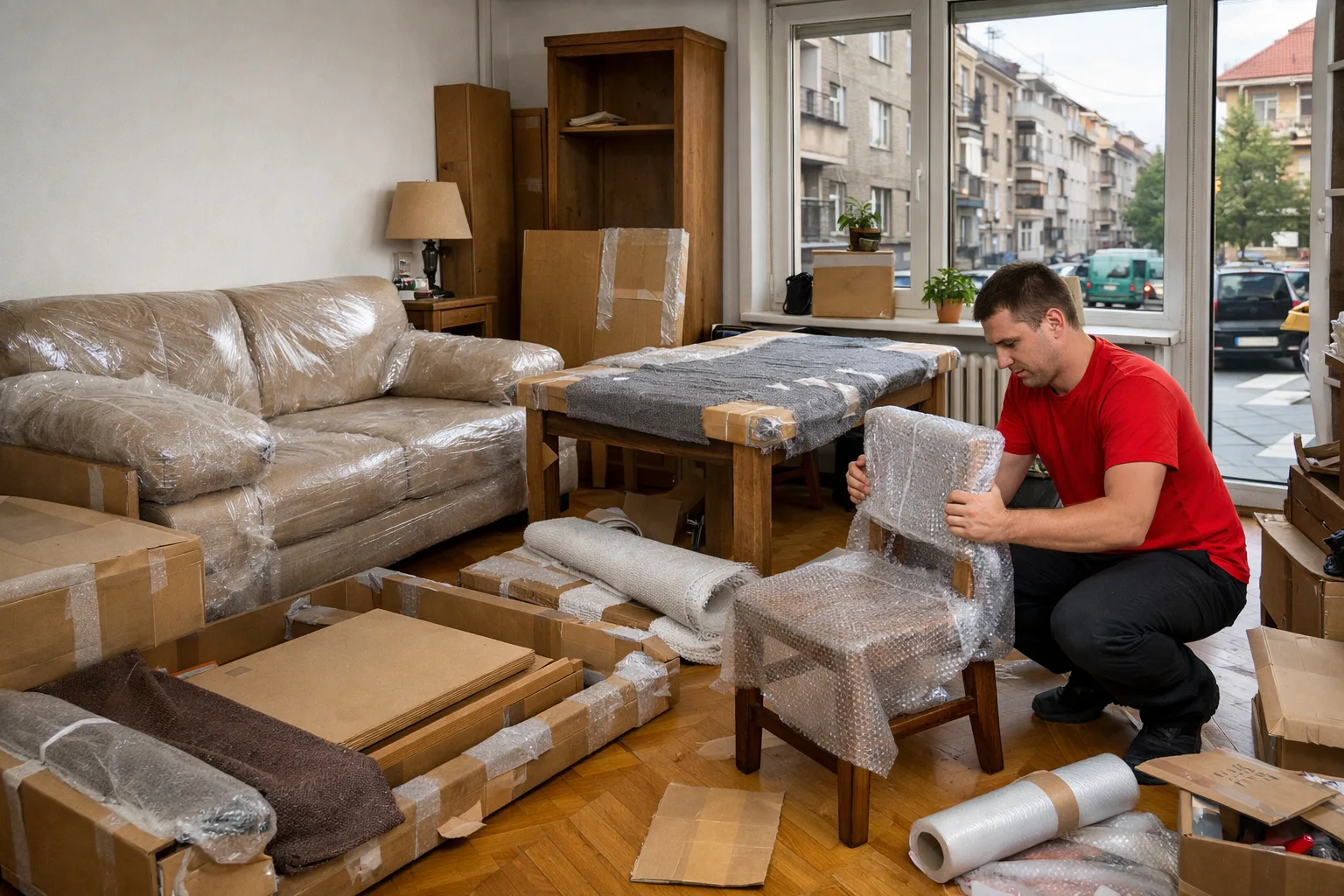
How to Pack Furniture for a Move to Germany?
How to Pack Furniture for a Move to Germany?

Enter at least 3 characters.
International moving is a major challenge, especially when it involves packing for the entire family. Preparation requires detailed planning and organization to ensure the process goes smoothly without stress or damage to belongings. In this guide, you will learn how to systematically approach packing and what is most important to keep in mind when moving with your family. Besides the basic steps, it is important to consider the specifics that come with moving with children, as well as adapting packing to different types of items. A well-organized process can significantly reduce effort and allow you to focus on adjusting to your new living environment.
The first step in family packing for an international move is to create a detailed list of all the items you plan to take. Include all family members in this process to cover their personal belongings, clothing, toys, electronics, and documents. A good practice is to make separate lists by rooms or categories, which will make reviewing and organizing easier. For example, you can create separate lists for the kitchen, living room, bedrooms, and bathroom, which will speed up packing and unpacking.
It is important to assess which items you truly need and which you can leave behind or donate. Reducing the number of items will significantly lower moving costs and make packing and unpacking in the new home easier. Also, keep in mind that some countries have restrictions on importing certain items, so check this in advance. Inform yourself about the customs regulations of the country you are moving to, especially regarding food, plants, animals, and electronic devices.
Use digital tools or apps to create the list and share it with your family. This way, everyone can track what has already been packed and what still needs to be prepared. This is especially useful when moving with children as it helps ensure you don’t forget important items for them. Additionally, digital lists allow making copies and accessing them from different devices, which is practical in case of plan changes or additional needs.
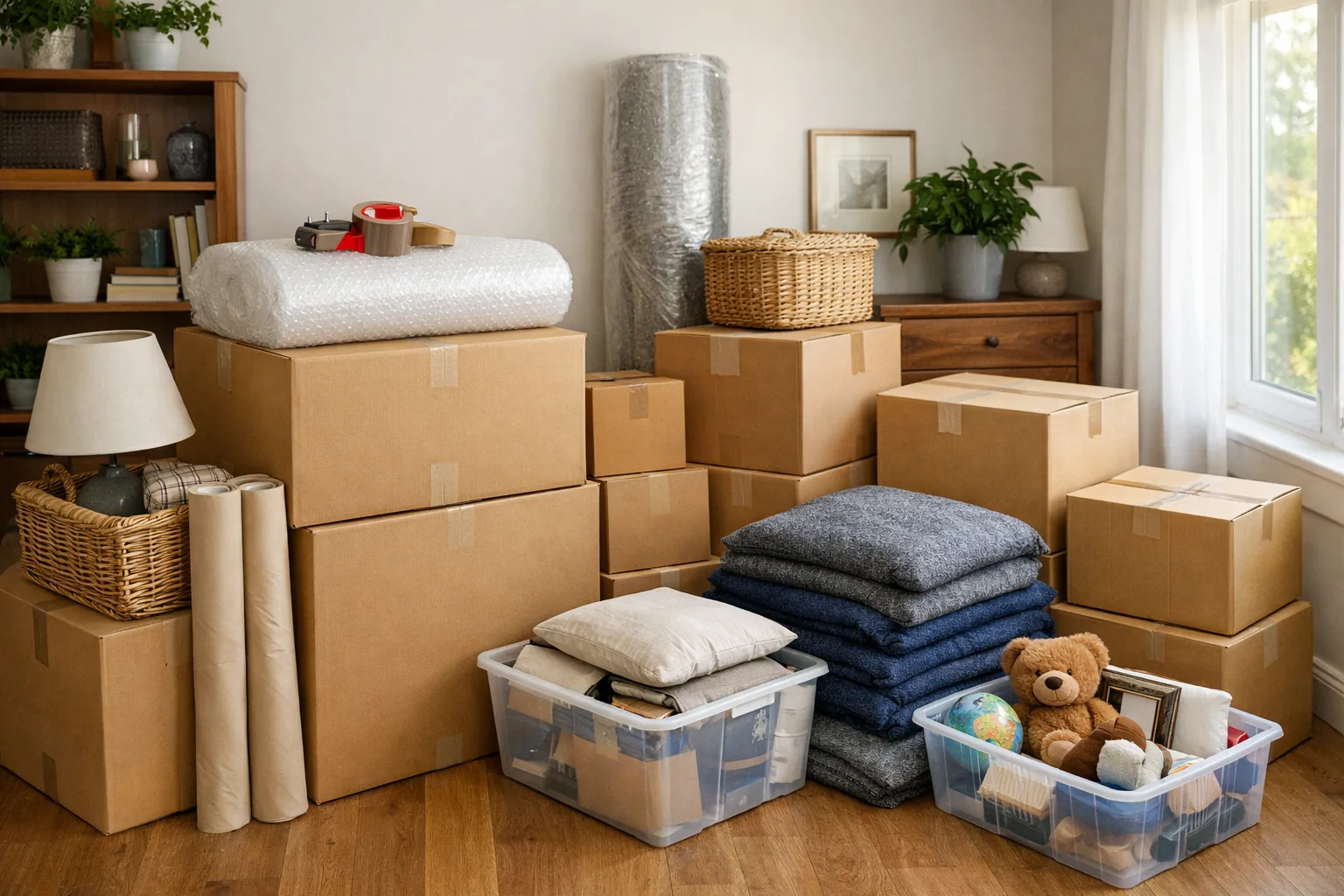
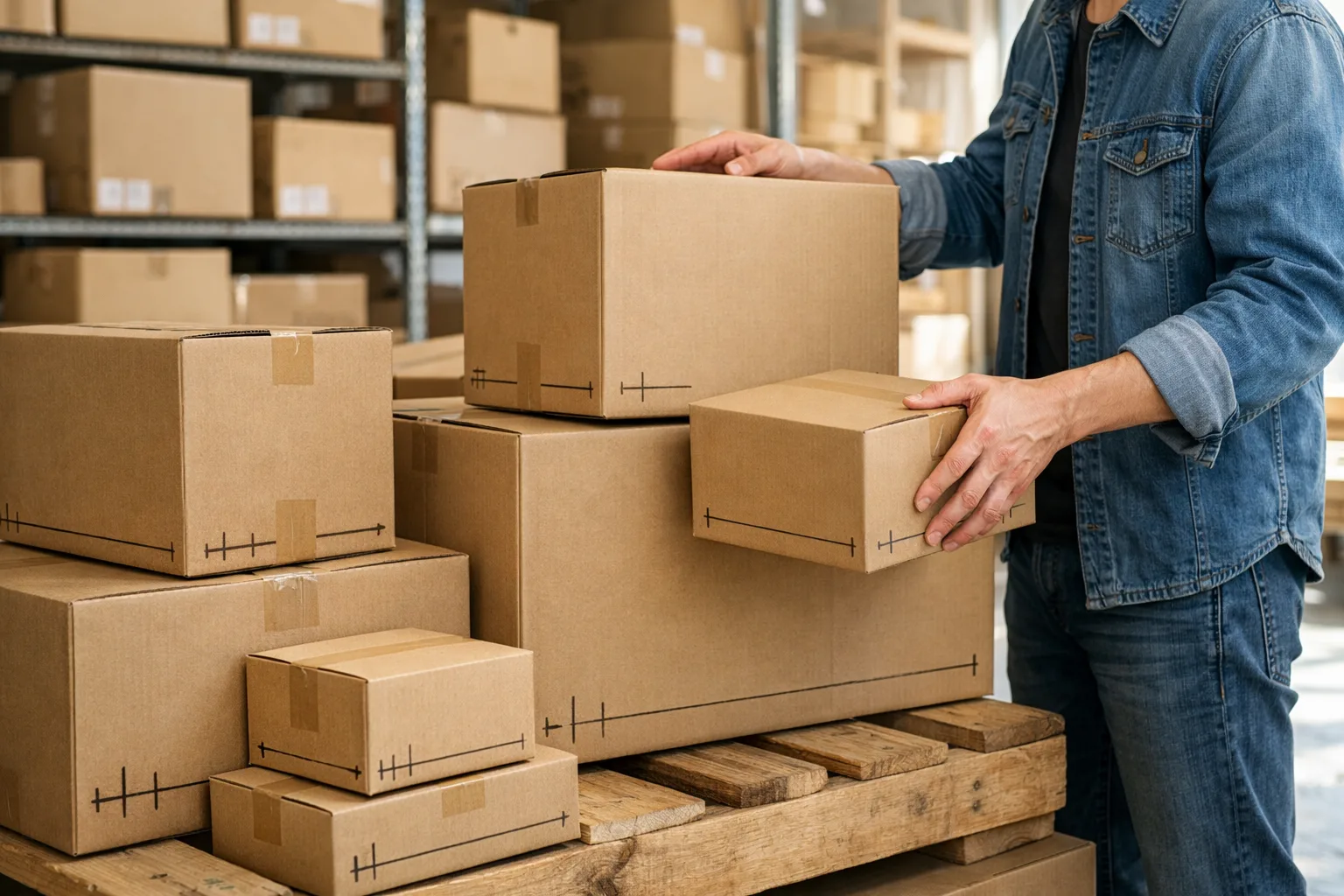
Quality packing materials are key to preserving belongings during an international move. It is recommended to use sturdy moving cardboard boxes, special transport cases, and plastic containers that can be securely closed. Double-walled boxes provide extra protection for fragile items. Also, choose boxes of standardized sizes so they stack more easily in the transport vehicle and reduce the risk of damage.
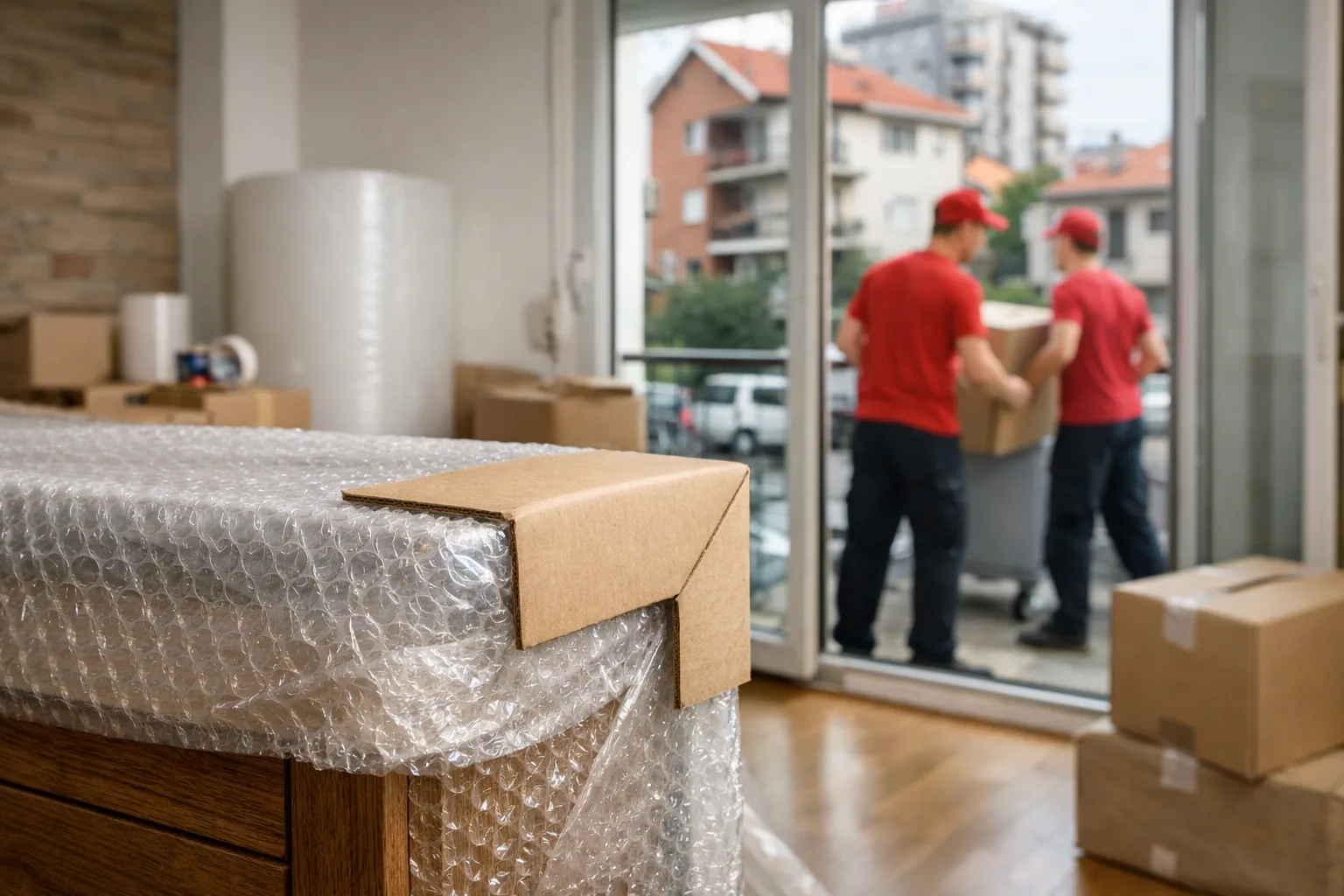
For fragile items like glass, porcelain, or electronic devices, use protective materials such as bubble wrap, styrofoam, or wrapping paper. Each item should be carefully wrapped and placed in a box with enough soft padding to prevent movement during transport. It is recommended to place heavier items at the bottom of the box and lighter ones on top, with additional protection between layers.
Interestingly, some families create a system of marking boxes with colors or numbers, which facilitates identifying contents and prioritizing unpacking. For example, boxes with essential items for children can be marked with red for easy access immediately upon arrival. You can also use labels with symbols or short descriptions so all family members know what is inside each box.
To avoid chaos during packing, it is advisable to pack items by rooms. Start with less frequently used spaces, such as the storage room or garage, and finish with the living room and kitchen. This method also makes it easier to track your inventory and maintain control over the process. Additionally, it helps in planning the unpacking since you will know exactly where everything goes in your new home.
Prioritize packing items that you won’t need until moving day itself. Seasonal clothing, books, decorations, and similar items can go into boxes first. For children, it’s helpful to pack special bags with essentials that will be accessible during the trip, such as favorite toys, change of clothes, and snacks.
Follow the rule of placing lighter items on top of boxes, while heavier ones go at the bottom. Also, label boxes with their contents and the room they belong to, which will greatly simplify unpacking and organizing in the new space. It is recommended to create an unpacking plan where you first unpack essential items and leave the rest for later.
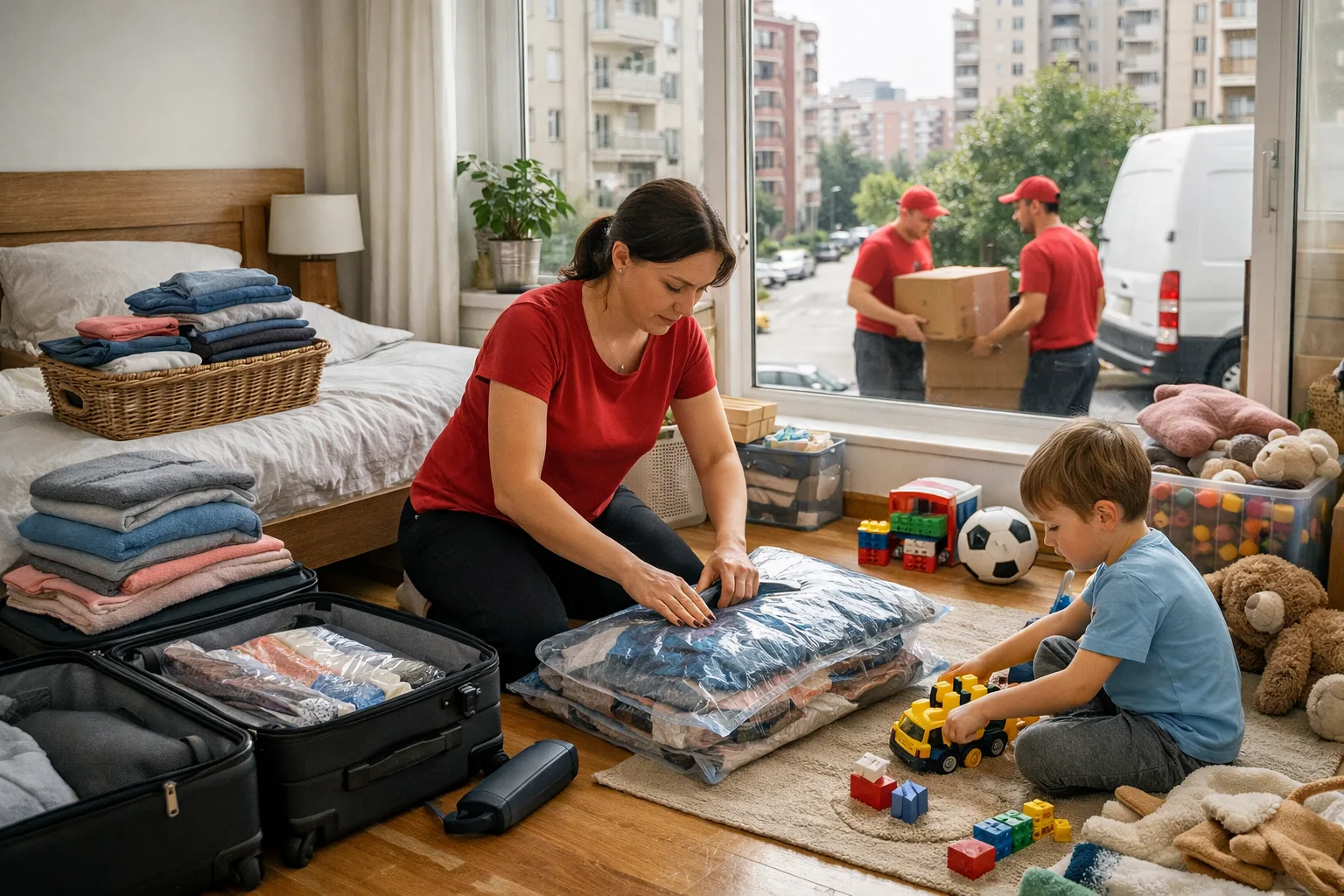
Clothing takes up a significant portion of luggage during a family move. It is recommended to carry some garments in suitcases or practical bags, and pack others in boxes. Clothes that can be folded should be placed in vacuum bags to save space and protect them from moisture. Also, consider packing clothing in sets, which makes finding and organizing easier upon arrival.
Personal items such as jewelry, documents, medical supplies, and basic hygiene products should definitely be carried in hand luggage or a separate bag that is easily accessible. This is important because delays or issues with luggage can occur during transport. It is recommended to have medical prescriptions and important contacts both digitally and in printed form.
For children, pack their favorite toys and comfort items in a bag that is easily accessible during the trip. Also, have spare clothes and diapers ready if you have younger children. Plan small snacks and water to make the journey as comfortable as possible for the youngest family members.
Involving children in packing can be a great way to prepare them for the move and reduce their stress. Give them age-appropriate tasks, such as packing their favorite toys or choosing clothes they want to take. This way, children feel useful and less anxious about the upcoming changes.
Talk to children about the move in a positive way, explaining what they can expect in the new home and city. Organize joint packing activities so they feel included and important in the process. You can also explore information about the new place together, which can increase their curiosity and enthusiasm.
Create a “memory box” where children can put their favorite items or drawings. This ritual can help them emotionally connect with the move and accept changes more easily. Involving children in decisions about the arrangement of items in the new home can further reduce stress and increase their sense of control.
Kitchen and fragile items require special care and packing techniques. It is recommended to wrap plates, glasses, and cups individually in bubble wrap or paper, then carefully place them in boxes with soft padding between each item. Also, boxes should be sturdy and not too large to avoid excessive weight and breakage of contents.
Cutlery and smaller kitchen tools can be packed in smaller boxes or plastic containers labeled as fragile. Electrical appliances such as mixers or toasters should be cleaned and packed in their original boxes if available, or in boxes with additional protection. It is recommended to pack cables and accessories together with the devices in separate bags or wraps.
It is important to clearly mark boxes as fragile and instruct handlers to treat them with care during transport. If you use professional moving services, be sure to inform them about these boxes so they can be properly placed. Also, it is advisable to make an inventory list of each box’s contents, which can help during customs clearance and unpacking.
Important documents such as passports, visas, work permits, contracts for the new apartment, and medical records must be organized and easily accessible during and after the move. It is recommended to keep them in a separate folder or bag that you always have with you. Also, check the expiration dates of documents and renew them if necessary before the move.
Digitize copies of all important documents and save them in a secure location, such as a cloud service or USB device. This can be very helpful in case of loss or the need for quick verification of documents abroad. It is recommended that digital copies be password-protected and shared only with trusted individuals.
Prepare a list of emergency contacts, addresses, and important information you will need in your new country. Keep this list both in printed form and on your phone to be ready for any situation. Include embassy contacts, local emergency services, and the moving company's contacts.
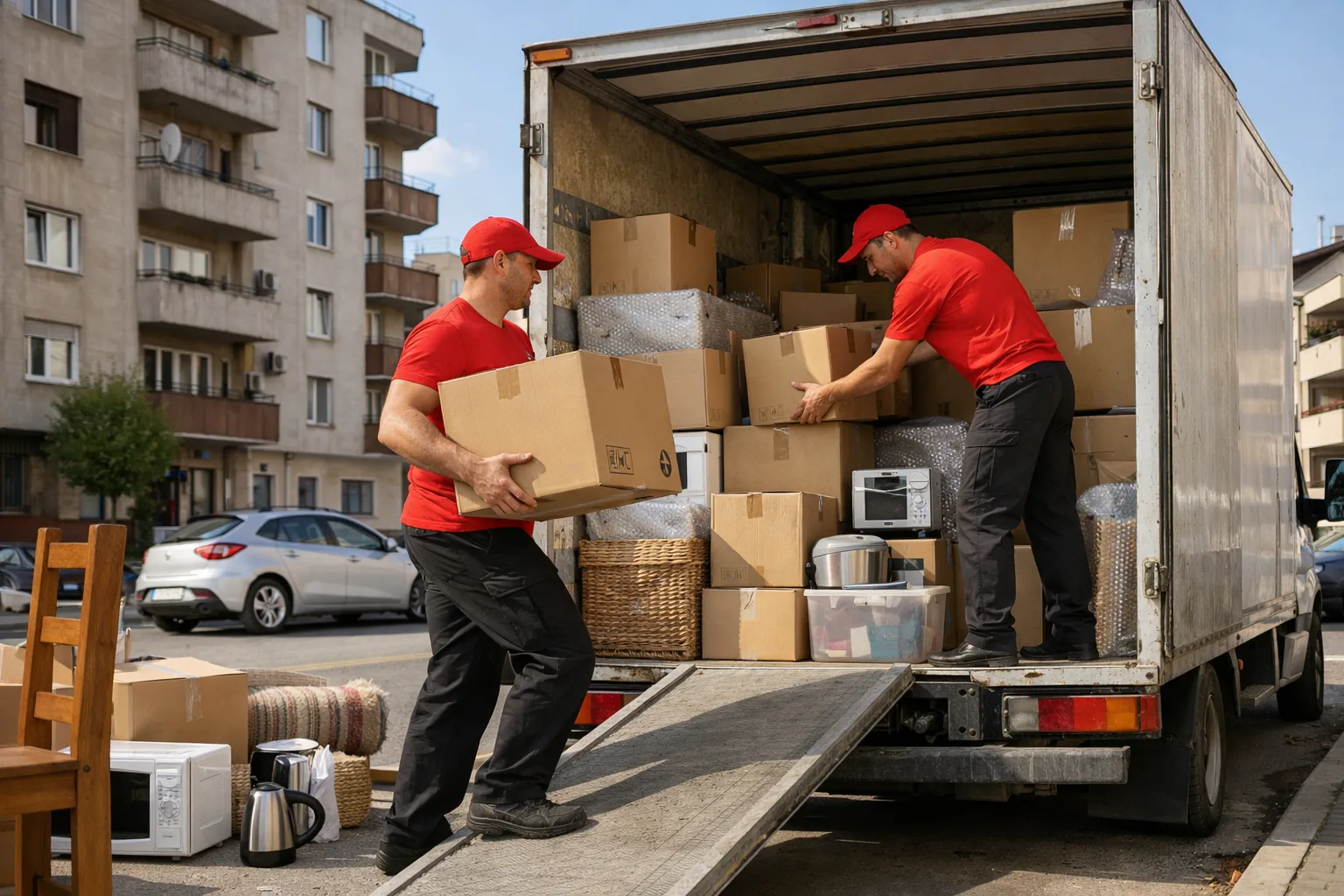
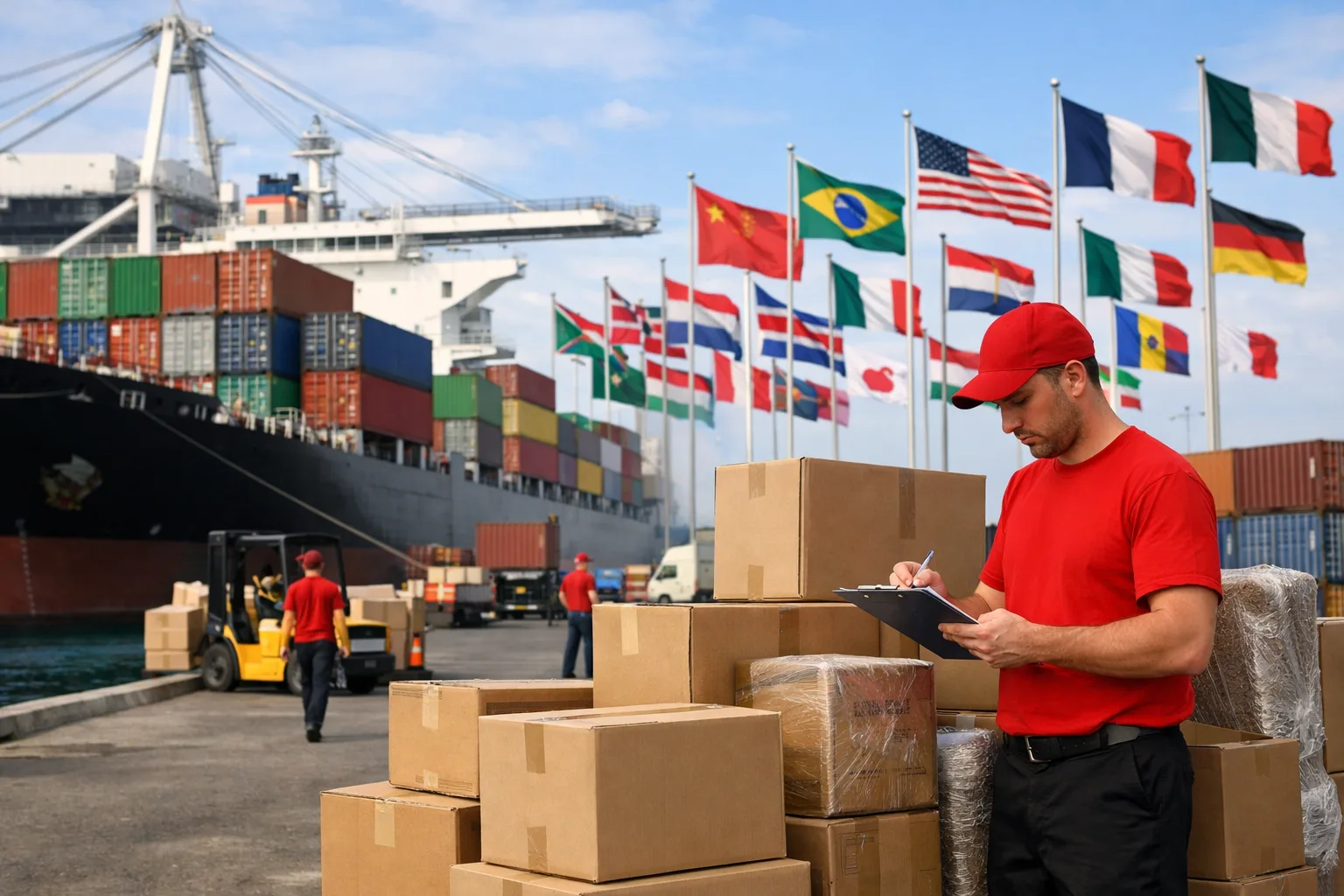
Once you finish packing, the next crucial step is organizing the transport itself. Choose a reliable international moving company with experience in family relocations. It is important to inform yourself about transport conditions, deadlines, and insurance terms for your belongings. Check reviews and recommendations from other customers to ensure the quality of service.
Arrange with the company the time of arrival and pickup of your items, as well as any special requirements for transporting fragile or valuable objects. It is good to have a contact person within the company who will be available for any questions and possible plan changes. Also, request a written confirmation of the terms and delivery deadlines.
Track the status of your shipment during transport and verify all necessary customs formalities. This will help you avoid unpleasant surprises and better prepare for arrival at your new home. Inform yourself about the required customs documentation and prepare it in advance to ensure a smooth process.
How to Pack Furniture for a Move to Germany?
How to Move Furniture from Abroad to Serbia
Common Mistakes Made During International Moves
How to Save Money on an International Move?
We will respond to you as soon as possible.
Here we answer the most common concerns families have when packing for an international move, providing concrete advice and solutions.
Packing with small children requires extra attention. It is recommended to pack a separate bag with essential items for the children such as change of clothes, diapers, favorite toys, and snacks. Involve them in the process in an age-appropriate way to help them feel secure and less anxious.
In your hand luggage, you should place important documents, medications, personal items, basic hygiene supplies, and items you will use most during the trip, such as chargers and devices. Also, for children, it is good to have toys or books for entertainment.
Fragile items should be carefully wrapped in bubble wrap or paper and packed in boxes with sufficient soft padding. Boxes should be clearly marked as 'fragile' and the moving company should be informed about their contents so they can be handled with special care.
Yes, vacuum bags are an excellent way to save space and protect clothes from moisture and dirt. They are especially useful for seasonal clothing that won’t be needed immediately upon arrival.
Keep important documents in a separate folder or bag that you can easily access. Also, make digital copies and store them in a secure place. This includes passports, visas, contracts, health records, and other essential papers.
Use a clear labeling system, such as stickers with the room name and contents or color codes for different categories of items. This greatly facilitates unpacking and finding things after the move.
For valuable items such as jewelry or expensive electronics, it is recommended to carry them with you or hire a specialized transport service. Sensitive items should be additionally insured and clearly labeled for the moving company.