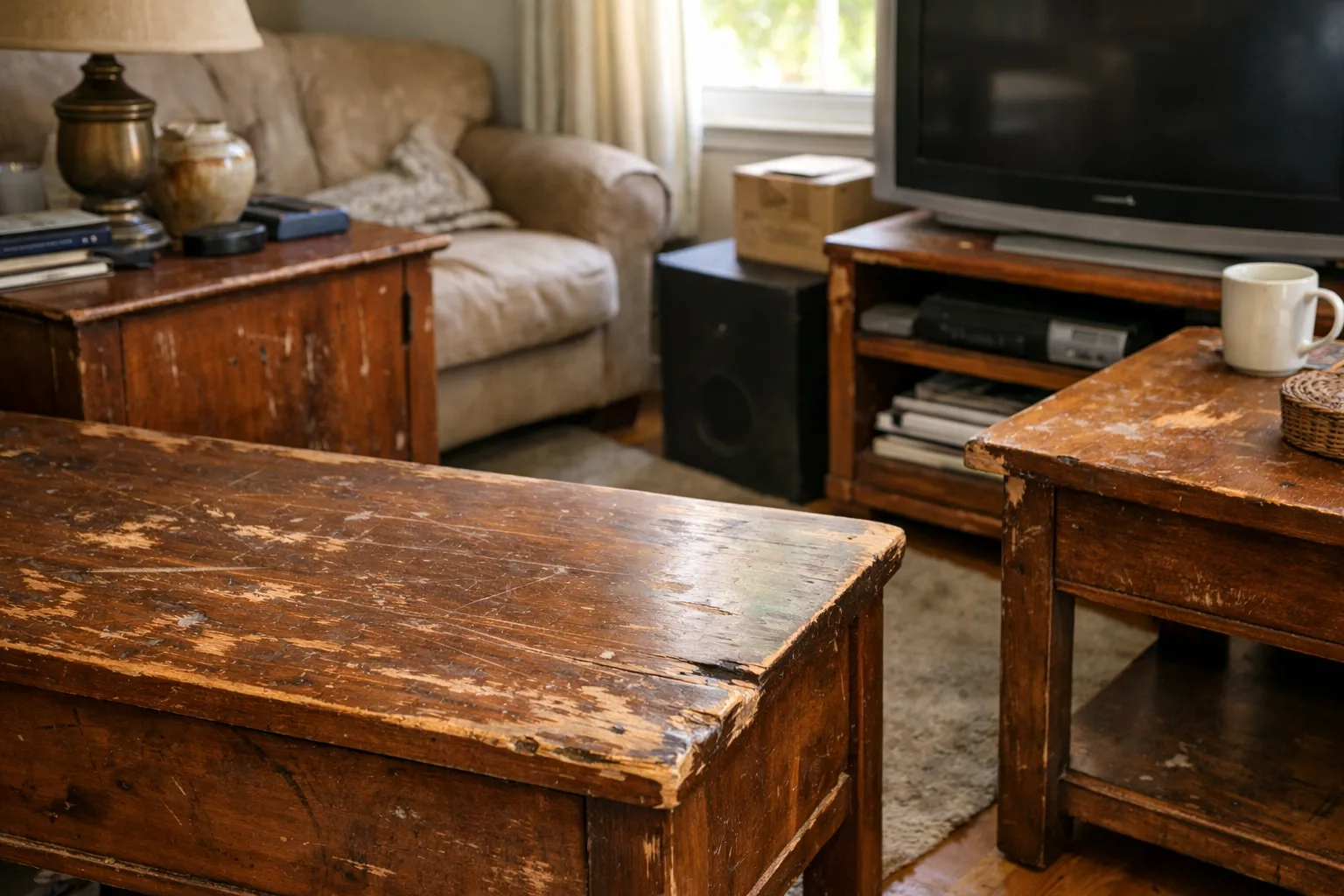
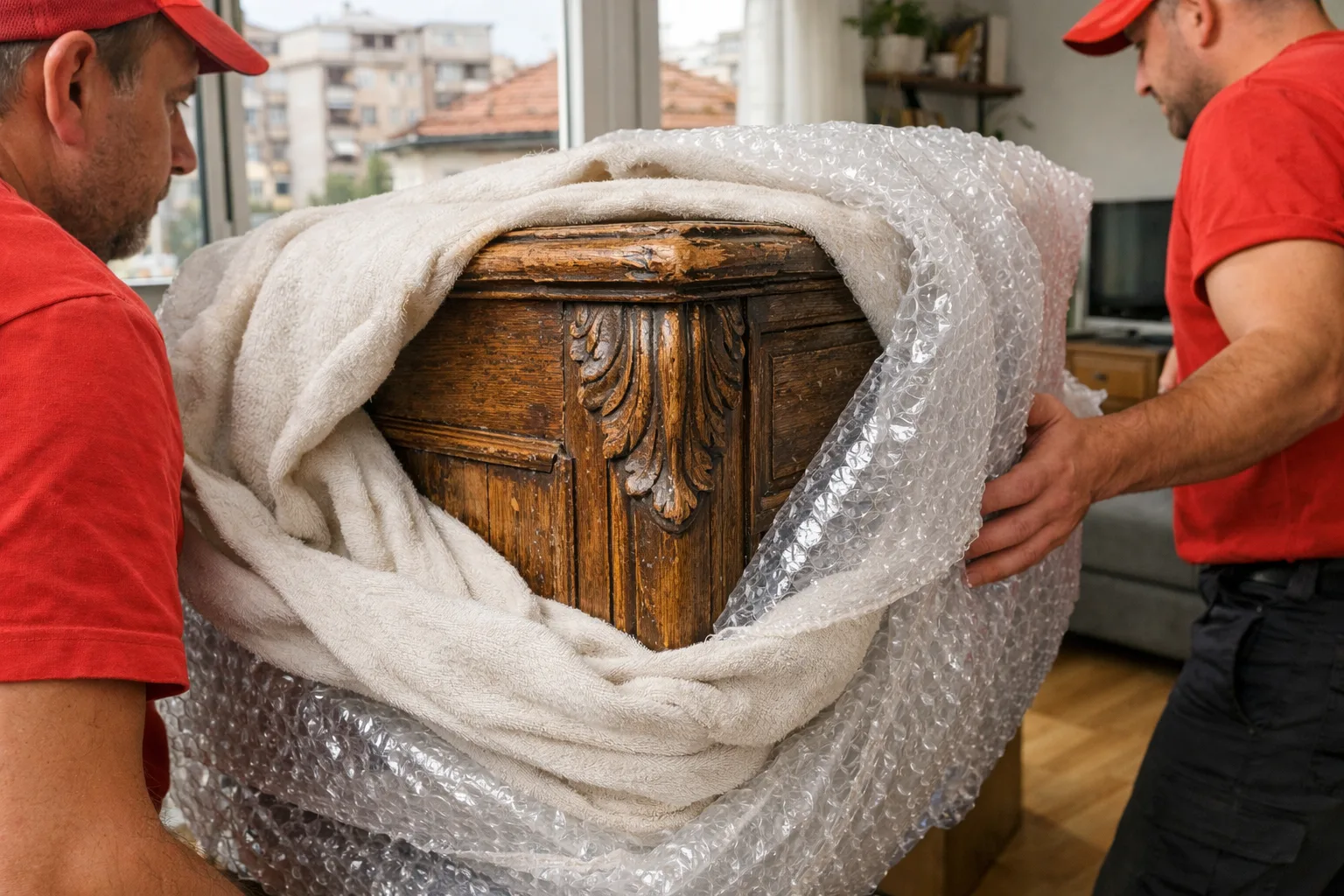
How to pack antique furniture?
How to pack antique furniture?

Enter at least 3 characters.
Moving is one of the most challenging life events, often bringing a series of logistical and emotional obstacles. Packing, as a key part of this process, can significantly influence how smoothly and safely the move goes. While some people choose to tackle this task themselves to save money and maintain full control over their belongings, others prefer to hire professionals for their expertise and time savings. In this guide, we will thoroughly examine the advantages and disadvantages of both approaches, as well as practical tips to help you make the best decision according to your needs, resources, and expectations. Additionally, we will provide useful information on how to assess what you truly need and how to make the entire moving process as easy as possible.
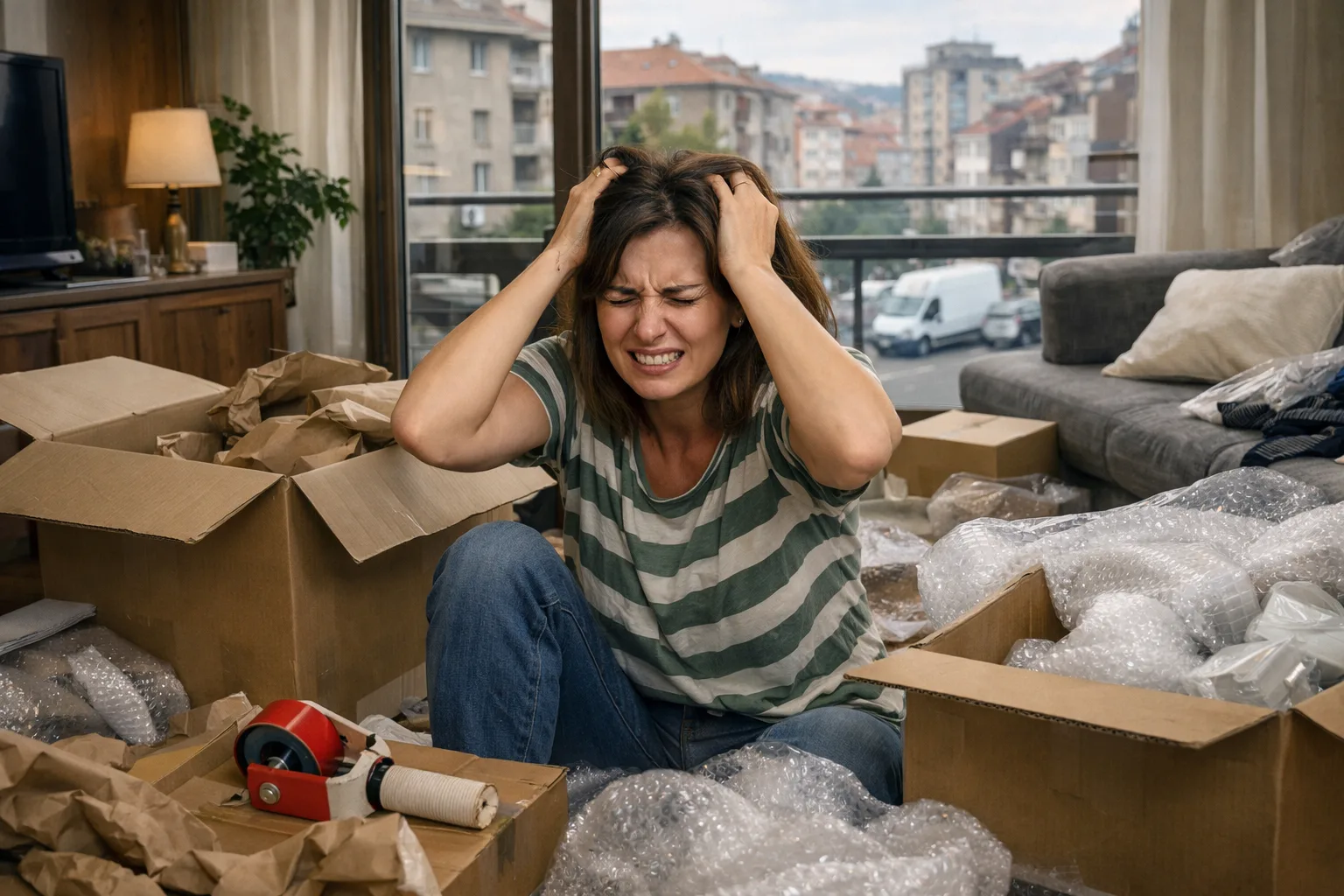
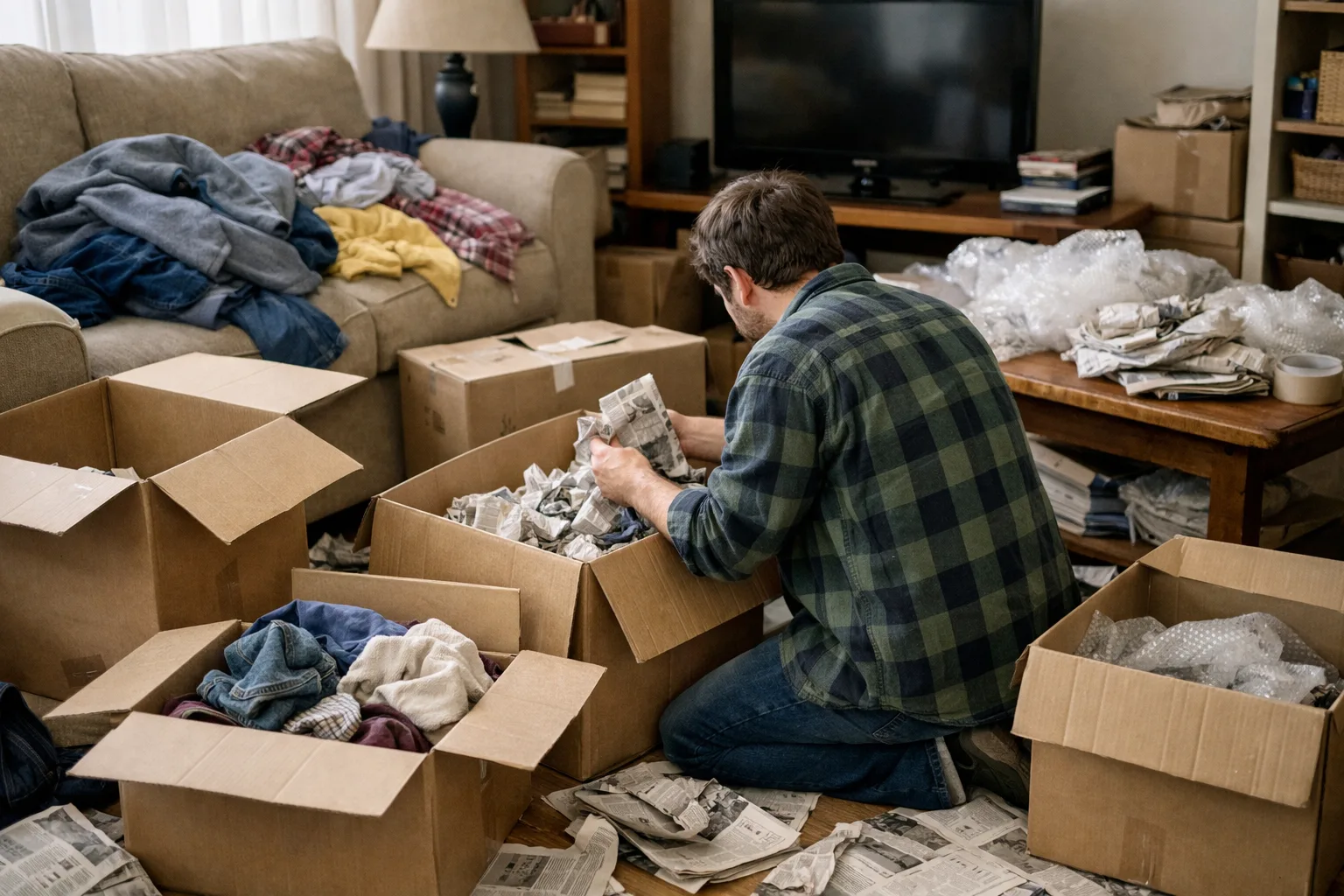
Packing on your own can significantly reduce moving costs since you don’t have to pay for professional packers’ services. Moreover, you have complete control over the process, meaning you can carefully choose which items to pack and how, adapting to your own pace and schedule. This can be especially useful if you have specific requirements or valuable items you want to protect yourself.
However, self-packing requires good organization and discipline. It’s necessary to acquire appropriate materials such as quality moving boxes, protective wraps, tapes, and markers. It’s also important to know how to properly pack fragile and heavier items to avoid damage during transport. Without experience, mistakes can occur that may result in damaged belongings.
Another advantage is flexibility in planning. You can pack at your own speed, even gradually over several days or weeks. This reduces pressure and allows you to organize the move according to your other commitments. Additionally, you can immediately discard items you don’t need, which contributes to better organization and smaller volumes to transport.
Furthermore, self-packing allows you to thoroughly inspect each item before packing, which can be an opportunity to get rid of unnecessary things and reduce the amount of belongings to move. This process can contribute to better organization and more efficient space allocation in your new home.
Also, self-packing can be an opportunity to involve family and friends, which not only eases the workload but also makes the moving process less stressful and even enjoyable. Working together can strengthen interpersonal relationships and create positive memories associated with the move.
Although self-packing is economical, it can be very stressful and time-consuming. Without experience, you can easily make mistakes such as inadequate packing of fragile items or improper stacking of boxes, which can lead to damage during the move. Also, lack of professional packing knowledge can result in inefficient use of space in the vehicle.
Physical effort is another challenge – packing larger furniture pieces or heavy boxes can be risky, especially if you don’t have help. Improper lifting and carrying can cause injuries, so it’s important to be careful and use proper techniques or additional assistance. This is particularly important if you are moving alone or with family.
Also, inadequate packing can extend loading and unloading times, as well as complicate unpacking. Without proper labeling of boxes, it’s easy to lose track of contents, which can cause additional stress when you arrive at your new address. Preparation and organization are key, but they require extra time and attention.
Another risk is that due to lack of experience, you may not properly protect sensitive electronic devices or antiques, which can lead to damage or loss of value. Additionally, inadequate packing can increase the risk of theft or loss of items during transport.
Furthermore, packing on your own can be emotionally exhausting, especially if you are moving from a home where you have lived for a long time. Managing stress and organizing your time are crucial factors for a successful outcome, and lack of support can make the entire process even more difficult.
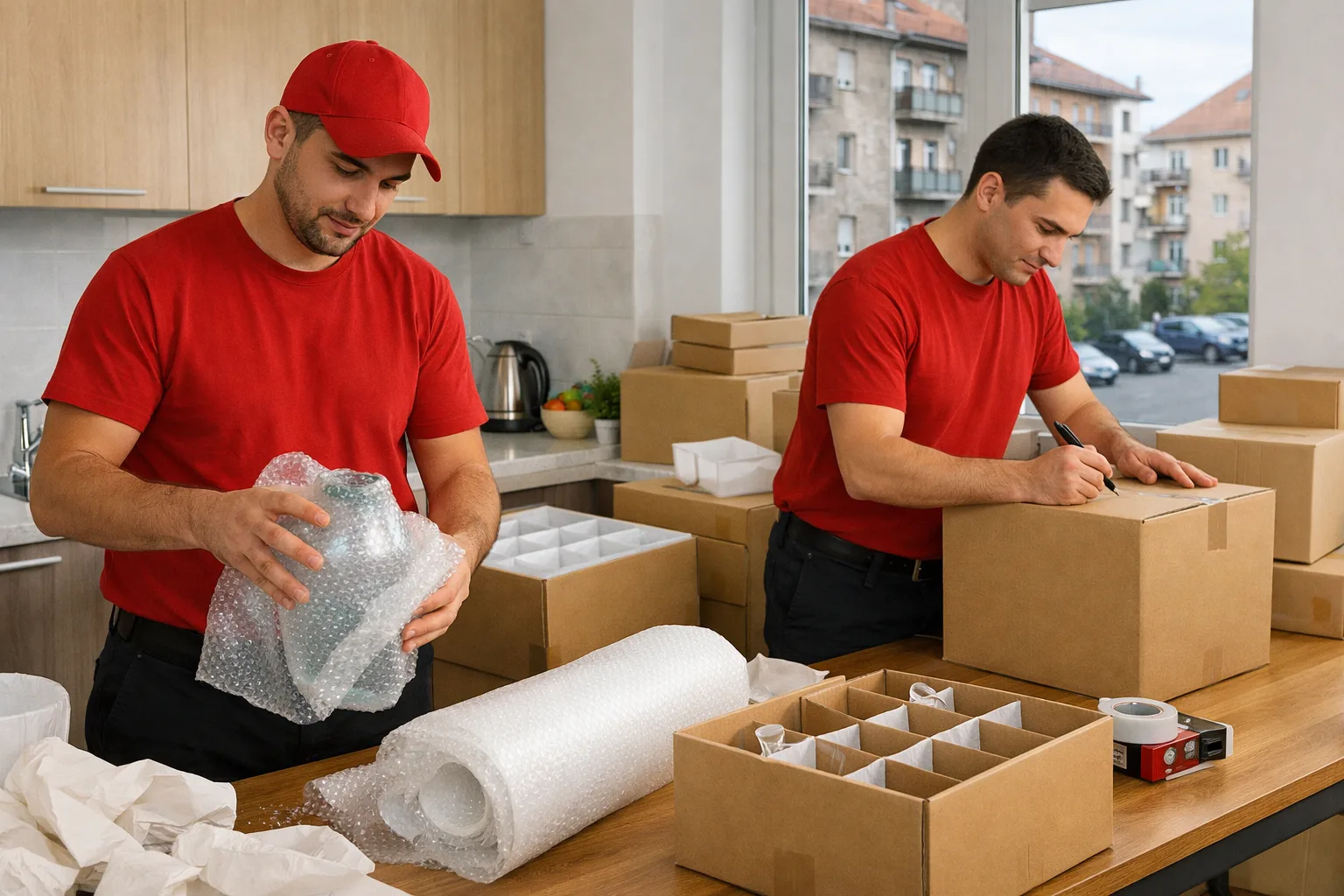
Hiring professional packers offers numerous benefits, especially if you have a large number of items or valuable possessions. Professional moving packing involves experience and specialized materials that ensure safe and efficient packing. Their techniques reduce the risk of damage, and items are properly protected and organized for transport.
Professionals also save you time and energy. Instead of handling the packing yourself, you can focus on other aspects of the move or saying goodbye to your old home. The packing team can quickly and systematically organize the entire process, which is especially important when there is a time frame or additional requirements.
Another important advantage is insurance. Many moving companies offer insurance for the items they pack and transport, giving you extra security in case of damage or loss. This is particularly significant for expensive or fragile items such as artwork, antiques, or electronic equipment.
Additionally, professionals use specialized techniques and materials, such as thermal insulation films, special wardrobe boxes, and protective cushions, which further increase the safety of your belongings. Their experience enables efficient packing that saves space and facilitates transport.
Also, hiring professionals can reduce the stress and anxiety associated with moving, as you know your belongings are in safe hands. Professional teams are trained to respond quickly to unforeseen situations and adapt to clients’ specific needs, contributing to a smooth moving process.
The main drawback of hiring professional packers is the cost. Packing services can significantly increase the overall moving budget, especially if you have a large apartment or house. The price depends on the volume of items, complexity of packing, and additional services, which can be a barrier for those with limited finances.
Some people may feel a lack of control when they entrust packing to others. If you have specific requirements or want to personally oversee every step, hiring professionals may feel like losing control over your belongings. There is also a risk of careless handling if you do not choose a reputable and reliable company.
Another potential disadvantage is limited flexibility in scheduling. Professional teams arrive according to the agreed appointment, which can be inconvenient if your commitments require a different timetable. Also, if unexpected changes occur during packing, it may be harder to react quickly.
Moreover, some companies may have minimum requirements regarding the volume of items or duration of service, which can make it difficult to hire professionals for smaller moves or individual tasks. Additionally, if communication is poor, misunderstandings about services and prices may arise.
There is also a possibility that company employees may not be careful or experienced enough, which can lead to damage to your belongings. Therefore, it is important to carefully choose the company and check its reputation before hiring.
The first step in making a decision is a detailed assessment of the quantity and type of items you are moving. If you have a small apartment with a few boxes and basic furniture, packing on your own can be quite feasible and economical. However, larger families with many items, fragile objects, or expensive appliances may benefit from a professional approach.
Consider your personal resources as well – time, physical readiness, and experience. If you are under significant pressure or don’t have time for detailed packing, hiring professionals may be a better solution. Also, if you are moving a long distance or abroad, expert assistance is often necessary due to the complexity of the entire process.
It is also important to consider your budget. Calculate how much self-packing would cost you in terms of materials and time, compared to offers from professional companies. A realistic assessment will help you choose the option that best suits your needs and possibilities.
Also, consider the specific needs of your move, such as the presence of fragile or valuable items, the distance of the move, and time constraints. For example, if the move involves international transport or challenging conditions, professional assistance may be necessary.
Don't forget to assess the availability of help from your surroundings – friends, family, or colleagues. Their support can significantly ease self-packing and reduce the need to hire professionals.
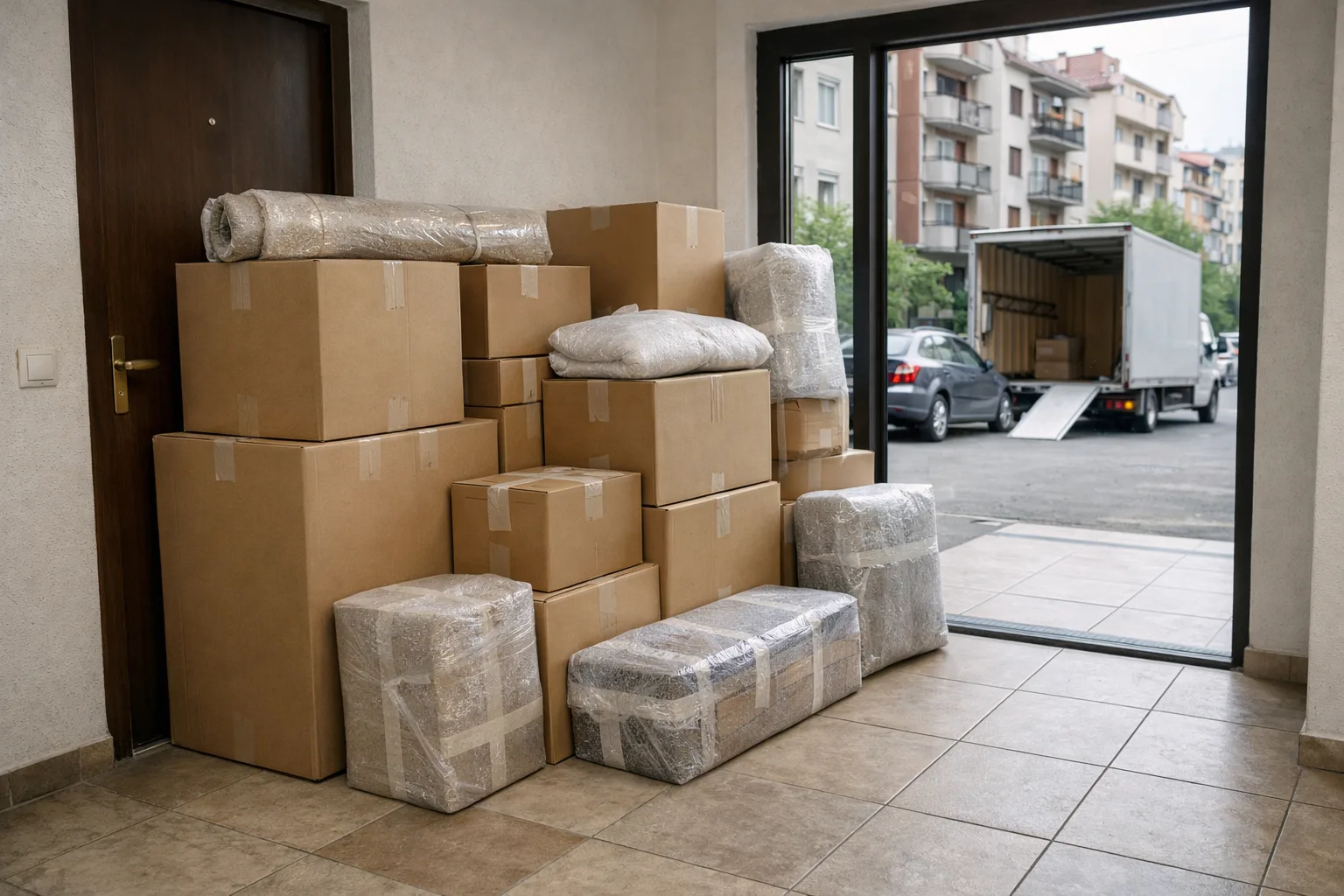
If you decide to pack on your own, preparation is key. Start early, ideally a few weeks before the move, to avoid rushing and stress. Obtain quality boxes, bubble wrap, packing paper, and strong packing tape. Also, clearly label each box with its contents and the room it belongs to.
Pack by rooms and types of items to make unpacking easier to organize. Fragile items must be individually wrapped in protective material and placed in boxes with an additional layer of soft padding. Pack heavier items in smaller boxes and lighter ones in larger boxes to facilitate carrying and reduce the risk of damage.
Do not overfill boxes as they may break or become difficult to carry. Leave space for easier access and balance the weight inside the box. Also, keep basic tools and unpacking supplies handy so you can easily access essential items after the move.
Use different colors or labels for boxes belonging to different rooms, which will help you during unpacking and organizing in the new space. Also, make a list of the contents of each box to have a better overview and find needed items more easily.
Pay attention to ergonomics when packing and carrying boxes – use carts or straps for carrying heavy items and take breaks to avoid injuries. Plan the packing order so that the most important items are easily accessible.
Choose reputable and licensed moving companies with good recommendations and experience in packing. Before signing a contract, check exactly which services are included, whether they use specialized materials, and if they offer insurance for your belongings. Transparency in terms and pricing is essential.
Ask for references and reviews from previous clients, as well as concrete examples of packing similar items to yours. A professional team should have knowledge of packing various types of items, from fragile to heavy, and be able to tailor services to your specific needs.
It is also important to agree on the exact date and duration of the service to ensure everything goes according to plan. The contract should clearly outline the obligations of both parties, including procedures in case of damage or delays. A good relationship with the company can greatly facilitate the entire moving process.
Check whether the company holds appropriate licenses and insurance, which is a sign of professionalism and security. Also, inquire about their procedures in case of damage or loss of items during transport.
Do not hesitate to request detailed information about the materials they use and packing techniques. A good professional team will be ready to explain every step and tailor the service to your needs, which will give you additional confidence in their work.
Some people choose a combined approach – packing basic and smaller items themselves while hiring professionals for special or fragile items. This strategy can be a good compromise between saving money and ensuring safety, especially if you have a limited budget but valuable items that require care.
In practice, this means you can pack clothes, books, and kitchen supplies, while professionals handle artwork, glass items, or electronics. This way, you reduce the overall workload for the professionals while maintaining control over part of the process.
It is important that communication with the moving team is clear so they know which items they are responsible for and how to protect them. This approach requires good organization and planning but can significantly ease the move and reduce stress.
This model also allows you to benefit from both approaches – saving time and professional expertise, along with personal supervision and control over part of the belongings. Planning ahead and clearly defining responsibilities are key to the success of this strategy.
Additionally, semi-professional packing can be ideal for those who want to be involved in the moving process but lack the time or knowledge to pack everything themselves. It can also help reduce overall moving costs while ensuring the safety of the most important items.
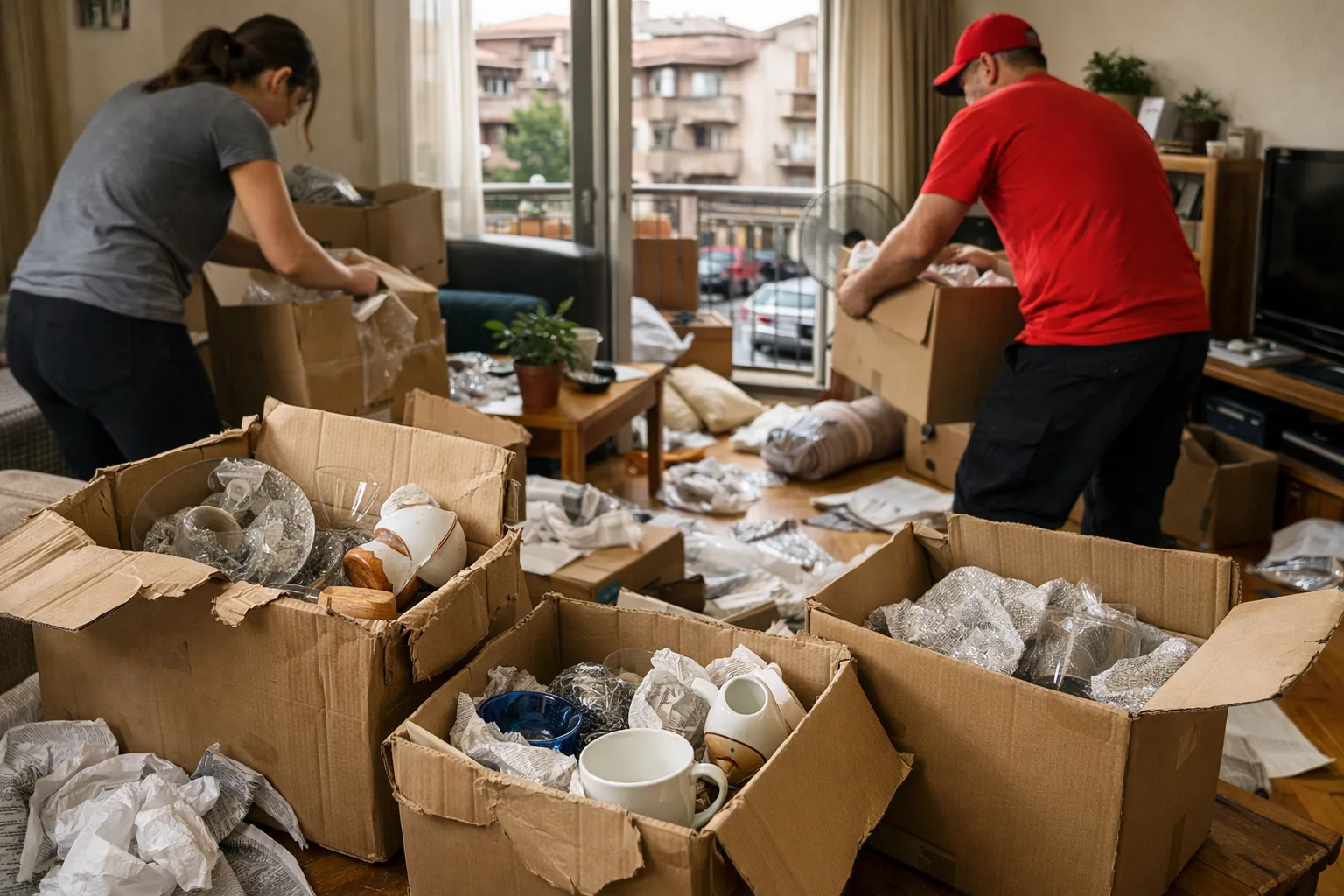
Advantages of Professional Packing Before Moving in Belgrade
We will respond to you as soon as possible.
Below are answers to the most common questions regarding self-packing and professional packing during a move, which will help you better understand the entire process and make an informed decision.
For self-packing, you need to provide quality cardboard boxes of various sizes, bubble wrap or packing paper for fragile items, strong tape for sealing boxes, marker pens for labeling contents, and protective covers for larger furniture pieces.
Wrap fragile items individually in bubble wrap or packing paper. Boxes should be sturdy, with a cushioning layer at the bottom and between items. Do not overfill boxes and clearly label them to ensure careful handling during transport.
Many professional moving companies offer insurance options that cover damage or loss during packing and transport. Before hiring, it is important to check the insurance terms and what exactly is covered to have additional peace of mind.
Packing time depends on the quantity and type of items, but on average it can take from several hours up to a full working day. Professional teams are efficient and organized, so they can complete the job much faster than self-packing.
Check reviews and recommendations from previous clients, verify the company’s license and insurance, clearly agree on terms and service price. A good choice also includes transparent communication and a professional approach throughout the process.
A combined approach is good if you want to save money but also protect valuable items. You can pack basic items yourself, while professionals handle fragile or expensive belongings. It is important to clearly communicate with the team what they will take care of to organize the job successfully.
The most common problems include inadequate protection of fragile items, overfilled or poor-quality boxes, poor organization and labeling, as well as physical strain that can lead to injuries or damage to belongings if packing is not done properly.