Tips for International Moves
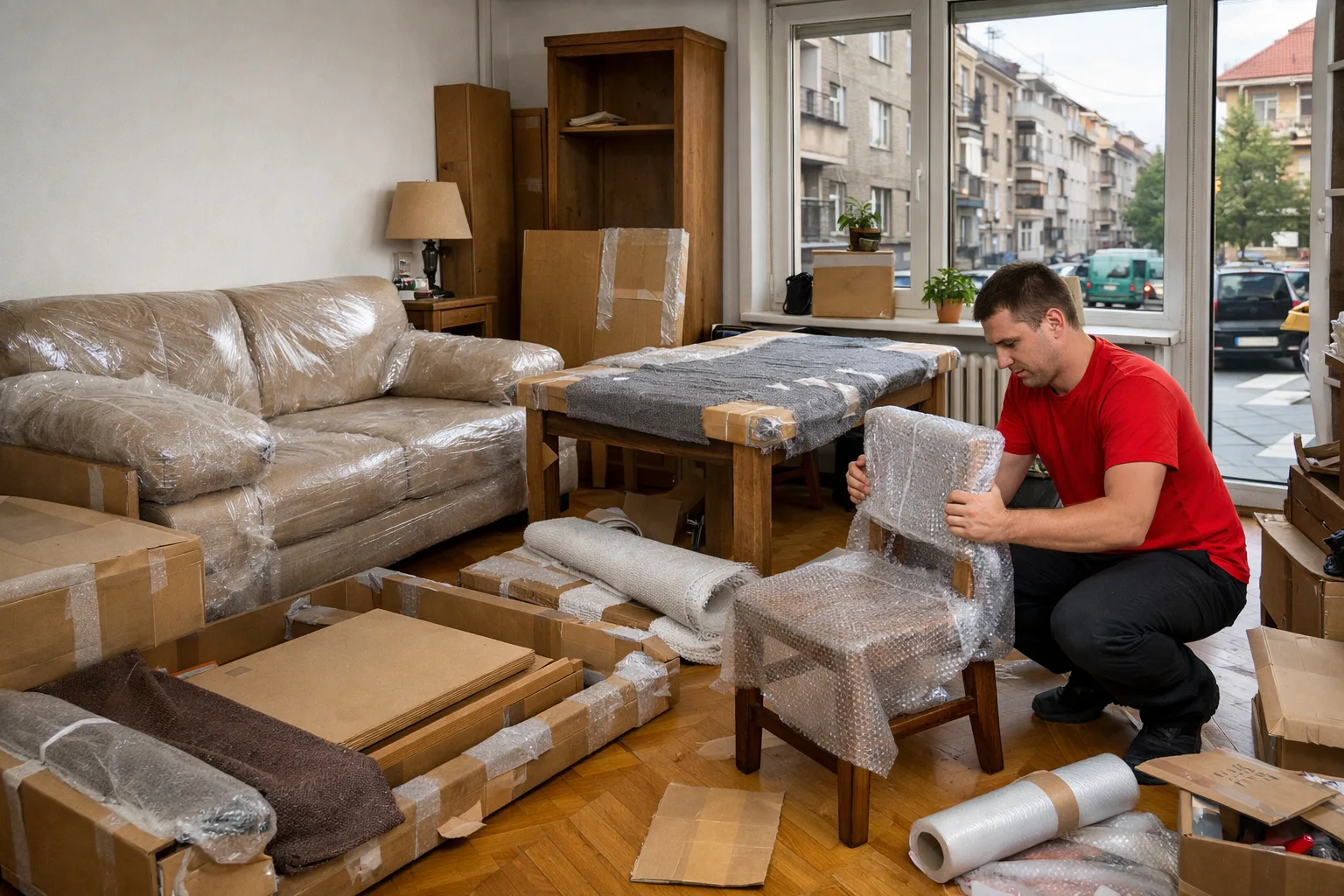
How to Pack Furniture for a Move to Germany?
How to Pack Furniture for a Move to Germany?

Enter at least 3 characters.
Moving to Germany as a family is a significant step that requires detailed planning and a thoughtful choice of place to live. Beyond basic factors such as employment and housing, families must consider the quality of education, safety, access to healthcare services, as well as opportunities for leisure and child development. This guide provides a comprehensive overview of the best cities and regions in Germany tailored to the needs of families, with a special focus on factors that contribute to quality of life and easier integration into the new environment. We will also offer advice on how to ease the process of international relocation and adjustment to the new surroundings, making the transition as smooth as possible for the entire family. It is important for families to research administrative procedures in advance, such as residence registration, school enrollment for children, and access to healthcare services, as well-informed steps can significantly reduce stress during the move. Additionally, familiarizing themselves with local customs and language contributes to faster integration and a better family life in the new environment.
Germany is a country with distinctly diverse regions that differ not only in geographical characteristics but also in living standards, real estate prices, educational opportunities, and access to healthcare services. For families relocating from abroad, choosing the right place to live can have a huge impact on the quality of daily life as well as successful integration into the local community. Each region has its specifics, so it is important to understand local conditions to select an environment that best suits the needs of the entire family. If you are planning to move from Serbia to Germany, we recommend informing yourself about all the details and opportunities offered by international relocations from Serbia to Germany.
When choosing a city or neighborhood, it is important to consider the availability of kindergartens and schools, especially those with international programs or support for children who do not speak German. Additionally, factors such as the number and quality of parks, sports and cultural facilities, as well as the safety level in neighborhoods, play a key role in creating a pleasant environment for children to grow up in. Families should also pay attention to the availability of additional services such as libraries, youth centers, and opportunities for extracurricular activities that encourage talent development and socialization.
Furthermore, parents should assess employment opportunities in the chosen area, as well as the quality and availability of public transportation, which facilitates daily tasks. It is recommended that families visit potential cities before making a final decision, get acquainted with local conditions, and talk to residents to gain a realistic picture of life in the new environment. It is also useful to explore local communities and associations that support families from abroad, as they can be a significant help in the adjustment process.
It is important to keep in mind that the choice of place to live also affects the long-term development of children, including access to quality education and a safe environment. Therefore, the decision on where to live should be based on a detailed analysis of all relevant factors so that the family can enjoy a stable and happy life in Germany.
Munich, the capital of Bavaria, is considered one of the most desirable cities to live in Germany, especially for families. The city boasts a high standard of living, developed infrastructure, and a wide range of educational institutions, including international schools that provide education in English and other languages, which is very helpful for families from abroad. In addition, Munich has numerous kindergartens and preschools offering quality care and education, often with programs tailored to children with diverse linguistic and cultural backgrounds.
Besides education, Munich is rich in green spaces, parks, and recreational areas such as the Englischer Garten and Olympic Park, which offer numerous opportunities for family outdoor activities. Sports clubs, cultural events, and workshops for children further enrich families' free time. The city also organizes many family-friendly events and festivals, contributing to a sense of community and integration.
However, it should be noted that housing costs in Munich are among the highest in Germany, so it is advisable to plan your budget in advance and consider accommodation in suburban areas such as Perlach or Pasing. These areas are often more affordable while still being well connected to the city center via efficient public transport, allowing for a comfortable and practical family life. Additionally, suburban neighborhoods often offer a quieter atmosphere and more space for children, which is an added advantage for families seeking a balance between urban living and nature.
Munich is also known for its excellent healthcare infrastructure, with numerous hospitals and specialized clinics, providing additional security for parents. The city is active in promoting sustainable development and ecological initiatives, contributing to a healthier living environment for all residents, including the youngest family members.
Hamburg, as the second-largest city in Germany, offers diverse opportunities for families seeking a balance between urban life and a family-friendly atmosphere. The city has a wide network of educational institutions, including schools with international programs, which is especially important for children from various countries and cultures. Additionally, Hamburg has numerous specialized kindergartens and educational centers that support children with special needs and offer German language learning programs as a second language.
As a city rich in cultural offerings, Hamburg provides abundant content for family life – from museums and theaters adapted for children to numerous parks and recreational areas such as Planten un Blomen or Lake Alster. Districts like Eimsbüttel and Winterhude are known for their pleasant and safe atmosphere, suitable for raising children. Families here can enjoy a variety of sports activities as well as numerous workshops and educational programs organized by local communities.
Public transport in Hamburg is highly developed and provides easy access to all parts of the city, making daily tasks easier for parents. The cost of living in Hamburg is moderate compared to Munich, making it an attractive option for families seeking a quality life without excessive financial burdens. The city also has a well-developed network of bicycle paths, encouraging a healthy and active lifestyle for the whole family.
Hamburg is also known for numerous initiatives aimed at supporting families, including parenting advice, programs for children and youth, as well as a network of local organizations that assist with the integration of foreigners. Such support significantly eases adaptation and contributes to the quality of life in a new environment.
Düsseldorf is known as one of Germany's leading business centers, yet it simultaneously offers excellent conditions for family life. The city is rich in green spaces, parks, and recreational zones, allowing children and parents to enjoy outdoor activities and quality leisure time. Popular parks such as Hofgarten and Rheinpark provide a safe environment for play and family walks.
The educational system in Düsseldorf is high-quality and diverse, with numerous kindergartens and schools offering programs in German and English, facilitating the integration of children from abroad. There are also specialized support programs for children with special needs. Parents can find additional educational resources such as libraries and learning centers that contribute to children's development.
Düsseldorf has an efficient healthcare system and safe residential neighborhoods, which are often key factors for parents relocating with children. The city's transportation is well organized, with numerous public transport lines connecting residential areas with business centers and educational institutions, easing daily family life. Additionally, the city invests in developing cycling infrastructure and pedestrian zones, contributing to a healthier and safer environment for children.
Düsseldorf is known for numerous cultural and sporting events tailored to families, including festivals, theater performances, and workshops for children. Such activities contribute to children's socialization and development, as well as strengthening family bonds.
Cologne is a dynamic city distinguished by a strong emphasis on family values and multiculturalism. The city offers numerous support programs for children and parents, including workshops, sports activities, and cultural events tailored to families. Particularly developed are initiatives promoting inclusion and intercultural exchange, helping families from diverse backgrounds feel welcome.
International schools in Cologne provide education in various languages and programs, which greatly assists families coming from different backgrounds. This facilitates children's adaptation and ensures continuity in education. Besides schools, there are numerous kindergartens with programs in English and other languages, as well as centers for additional tutoring and student support.
Cologne is known for festivals, museums, and sports facilities adapted for families, offering opportunities for quality leisure time and socializing. The city also has a good public transport network, and real estate prices are more affordable compared to some other major German cities, which is a significant advantage for young families. Families can find a variety of housing options, from modern apartments to family houses in quiet neighborhoods.
Additionally, Cologne has a well-developed network of healthcare institutions and specialized centers for children, providing security and support for parents. The city also organizes numerous workshops and counseling sessions for parents, contributing to the quality of family life and easing everyday challenges.
Stuttgart is a city surrounded by beautiful natural landscapes, with numerous parks and green spaces that provide a safe and pleasant environment for children to grow up in. Families here can enjoy a peaceful setting while still having access to all urban amenities. The nearby mountains and vineyards offer additional opportunities for family outings and outdoor recreation.
The city has quality educational institutions, including kindergartens and schools with programs tailored to international families, as well as a developed healthcare system that provides security for parents and children. There are also numerous integration and support programs for families coming from abroad. Many schools offer additional German language classes and cultural workshops that help children adapt more easily to their new environment.
Stuttgart's transportation connections are excellent, with efficient public transport linking residential areas with schools, workplaces, and cultural venues. The city offers a variety of cultural and sports activities for children of all ages, encouraging their development and socialization in the new environment. Families can also use numerous sports centers, swimming pools, and recreational clubs designed for children and youth.
Stuttgart is also known for its ecological awareness and numerous sustainable development initiatives, contributing to a healthier living environment. Families who value proximity to nature and urban comfort will find an ideal balance for their family life in this city.
Bremen is a smaller city compared to other German metropolises but offers exceptionally favorable conditions for families seeking a quieter environment and lower living costs. This combination makes Bremen attractive for those who want a quality family life without high expenses. The city offers a wide range of housing options, including affordable family houses and apartments in safe neighborhoods.
The city has a well-developed network of educational institutions, including kindergartens and schools, as well as numerous playgrounds and parks that contribute to the quality of life for the youngest residents. Families here can count on a safe and friendly community. Bremen is also known for many support programs for parents, including workshops and counseling on parenting and education.
It is also important for parents that Bremen offers a stable labor market and good connections to larger cities like Hamburg, providing flexibility in employment and access to additional services. Public transport is reliable and facilitates families' daily tasks. The city is also known for its cultural scene and numerous family-friendly events, enhancing the quality of leisure time.
Bremen also provides good conditions for family life thanks to numerous healthcare facilities and programs for children with special needs. Families seeking a quieter and more affordable environment with all necessary amenities will find a stable and secure option for living in Bremen.
Heidelberg is a city known for its university and rich history, but it is also an excellent choice for families due to its safe and peaceful environment and high quality of education. The city offers excellent conditions for children's development and support for parents. Less congestion and a pleasant atmosphere contribute to the quality of life and allow children to grow up in a safe environment.
The less urbanized setting brings peace and natural beauty, contributing to a healthy and harmonious family life. At the same time, Heidelberg has all the necessary facilities for children and parents, including kindergartens, schools, and high-standard healthcare institutions. Families can enjoy numerous parks, forests, and recreational trails ideal for outdoor family activities.
The city is also known for numerous cultural events, workshops, and educational programs for children that encourage creativity, social skills, and personal development. Such offerings provide parents with additional support in their children's daily upbringing and contribute to the quality of family life. Additionally, local communities often organize events that connect families and facilitate the integration of foreigners.
Heidelberg also has good transportation connections with surrounding cities, allowing access to additional educational and cultural amenities. Families seeking a combination of educational opportunities, safety, and natural surroundings will find Heidelberg an ideal place to live.
How to Pack Furniture for a Move to Germany?
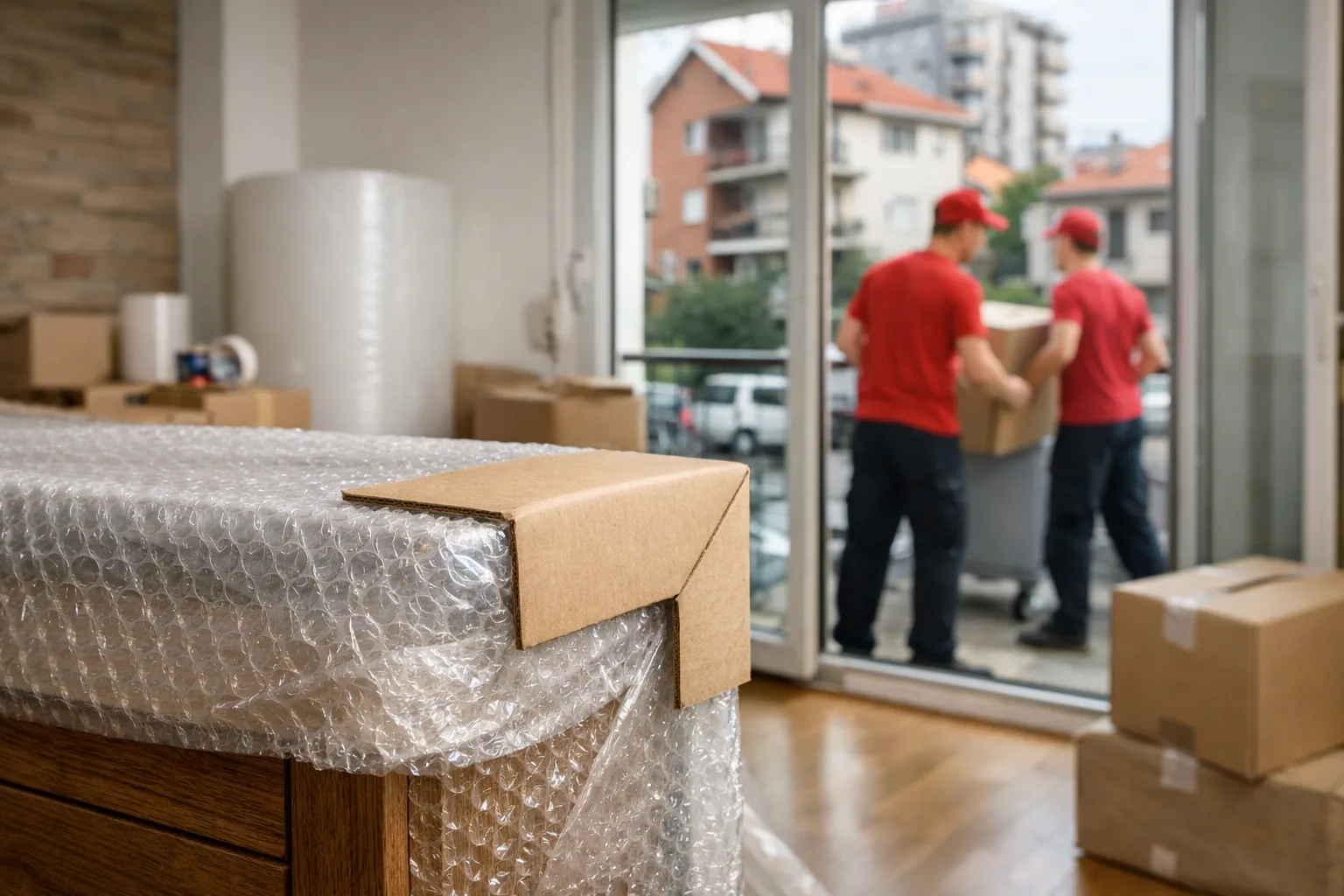
How to Move Furniture from Abroad to Serbia

Common Mistakes Made During International Moves
How to Save Money on an International Move?
We will respond to you as soon as possible.
Below we answer the most common dilemmas and questions families have when selecting a place to live in Germany, to help ease your decision and relocation planning.
Bremen is one of the most affordable cities for families due to lower living costs and good conditions for children, including quality schools and safe neighborhoods. Its connection to larger cities also provides additional employment opportunities.
It is important to research the availability of schools with international programs as well as the quality of the local education system. Cities like Munich, Hamburg, and Cologne have well-developed networks of such schools, which can facilitate the adaptation of children from abroad.
Absolutely, because quality public transportation facilitates daily activities, and access to healthcare facilities is crucial for the safety and well-being of the entire family. Larger cities like Düsseldorf and Stuttgart offer excellent conditions in these areas.
It is recommended that families consider suburban neighborhoods, which are often cheaper yet still well connected to the city center by public transport. Additionally, engaging local real estate agencies can significantly help in finding suitable accommodation.
Heidelberg and Bremen are excellent options for families who prefer a quieter environment with plenty of nature, while still having all the necessary amenities for children and parents.
Yes, cities like Munich and Hamburg have various integration and support programs for families coming from abroad, including schools, workshops, and counseling centers.
Munich is the most expensive, especially when it comes to housing, while Hamburg and Düsseldorf are somewhat more affordable. Cities like Bremen and Heidelberg offer lower living costs, which is a significant factor for families on a limited budget.