Tips for International Moves
How to Pack Furniture for a Move to Germany?
How to Pack Furniture for a Move to Germany?

Enter at least 3 characters.
An increasing number of Serbs who have moved to Germany are considering returning to their homeland. Although Germany offers many opportunities, the reasons for returning are often deeply personal and practical. In this guide, we will thoroughly examine the seven most common reasons why our people decide to come back, so you can better understand their dilemmas and perhaps find useful advice for your own relocation decisions. Returning is not a simple process and requires careful planning, but understanding the challenges and benefits can help in making an informed decision. It is also important to consider how life in Serbia is changing and what new opportunities it offers, which further motivates many to return home. Additionally, this text will provide practical advice on how to prepare for the return, what steps to take, and what to pay attention to during reintegration into Serbian society and the labor market.
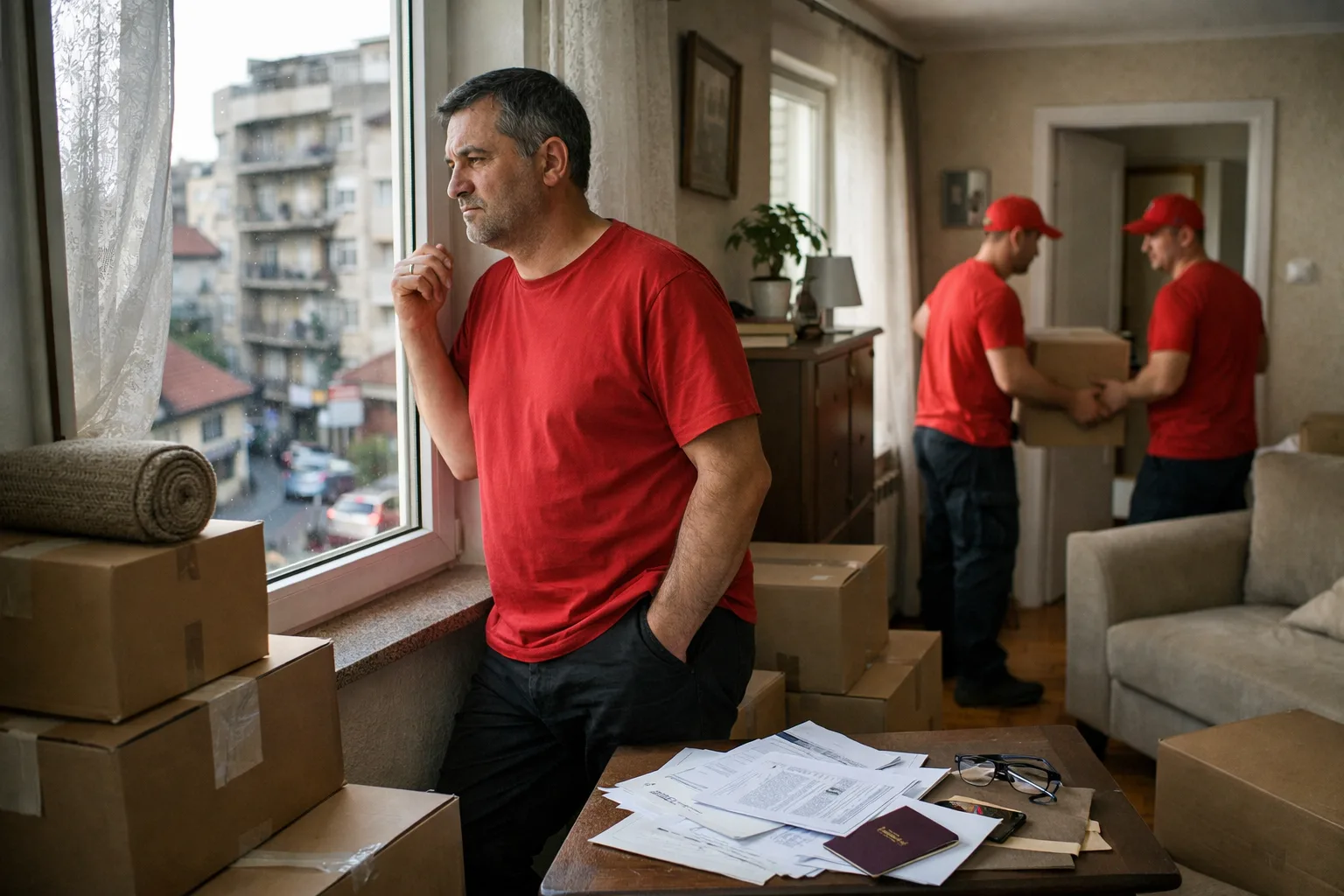
One of the key reasons many of our people return from Germany is the high taxes and contributions that significantly reduce net income. Although gross salaries in Germany are often attractive, the total amount that employers or employees must pay to the state can be surprisingly high. This financial burden affects quality of life and long-term financial plans. It is important to understand that taxes in Germany consist of several components, including income tax, social contributions for pension and health insurance, as well as additional local levies.
For many, it is difficult to reconcile the high cost of living with reduced disposable income after taxation, especially if they have a family or plan major financial commitments such as purchasing property. Returning to Serbia often brings lower taxes and more favorable conditions for living standards. Additionally, Serbia offers tax reliefs for entrepreneurs and returnees, which can further ease the financial situation. For example, returnees may be entitled to tax benefits when starting their own business or investing in agriculture and tourism.
Moreover, the complexity of the German tax system and administrative procedures can cause additional stress and complicate financial planning. Therefore, many seek a simpler and more transparent economic framework, which Serbia provides to a greater extent. It is recommended to thoroughly research tax obligations in both countries before returning and consult experts to avoid unpleasant surprises. It is also important to check possibilities for tax refunds or double taxation relief through bilateral agreements between Serbia and Germany.
Far from family and friends, many face loneliness and a lack of emotional support. Although Germany has a developed system of social services, the personal contacts and close relationships built in Serbia cannot be easily replaced. A sense of belonging to a community and support from close people significantly impact mental health and overall well-being. Psychological aspects of isolation are often overlooked but are crucial for quality of life and motivation to stay or return.
Cultural differences and language barriers further complicate establishing new friendships and integrating into the local community. This often leads to feelings of isolation, which is a significant motivator for returning. Active involvement in local Serbian communities in Germany can help but cannot fully replace the proximity of family. It is recommended to maintain regular contact with family and friends in Serbia during the stay in Germany and to plan occasional visits to strengthen those ties.
For many, returning means going back to a familiar environment where they feel accepted and supported, which is essential for overall well-being and mental health. Family and friendship ties are invaluable, which is why many decide to return to Serbia. Additionally, returning allows easier organization of family gatherings and support in everyday challenges. In Serbia, a broader network of informal social services through community and relatives is often more accessible, contributing to a sense of security.
Although Germany has a developed labor market, many of our people face difficulties in having their qualifications and diplomas recognized, often leading them to jobs below their expertise level or requiring retraining. The recognition process can take months, and requirements for additional exams or training are common. This can be especially frustrating for professionals in medicine, education, and engineering.
This issue particularly affects highly educated professionals and technicians who cannot easily obtain the necessary certificates or permits to work in their field. The result is a loss of motivation and slower professional development. Additionally, working in jobs that do not match qualifications can lead to dissatisfaction and a feeling of stagnation. It is important to note that the diploma recognition process varies from one federal state to another, which further complicates the situation.
The lack of opportunities for advancement and professional development in line with qualifications often leads to the decision to return to Serbia, where better conditions exist for career growth or starting a business. Returnees often use the knowledge and experience gained in Germany to improve the local labor market or launch innovative projects. It is recommended to research diploma recognition possibilities in Serbia and available support programs for returnees before returning.
Housing costs in major German cities have significantly increased in recent years, posing a serious problem for many of our people. Rental or purchase prices are often too high relative to income. Specifically, in cities like Munich or Hamburg, monthly housing costs can exceed half of the average salary. Such expenses often prevent saving and long-term financial planning.
Besides housing, everyday expenses such as food, transportation, and utilities are high, making it difficult to maintain the desired standard of living, especially for families with children. Costs for kindergartens, schools, and healthcare can also be significant, particularly if state subsidies are not utilized. Many face the need for both parents to work extra to cover basic expenses.
Compared to this, life in Serbia can be significantly cheaper, with a satisfactory quality of life. That is why many choose to return for financial stability and the ability to more easily secure their own home. Also, Serbia offers greater flexibility in choosing a place to live, which can contribute to a better balance between costs and quality of life. It is recommended to thoroughly research local housing conditions and possibilities for subsidies or loans for property purchase when returning.
German administration is known for its precision but also complexity, which often poses problems for our people who are not accustomed to such a system. Registrations, permits, taxes, and health insurance require a lot of time and documentation. It is often necessary to hire experts or translators, which further increases costs and stress. Such obstacles can delay or complicate starting a job or finding an apartment.
These bureaucratic obstacles can be frustrating and further complicate daily life, especially if there is a language barrier or lack of support in handling formalities. The lack of clear information and varying requirements depending on the federal state further complicate the situation. It is recommended to thoroughly inform yourself about the necessary documentation and procedures before moving, and to use the services of advisors or organizations that assist migrants.
Many return to Serbia where administration is simpler and where they have more personal support from family and acquaintances, which eases daily life and reduces stress. Also, digitalization of services in Serbia is becoming increasingly accessible, speeding up and simplifying many processes. Returnees often emphasize that it is easier to resolve administrative requirements with the support of local institutions and the community.
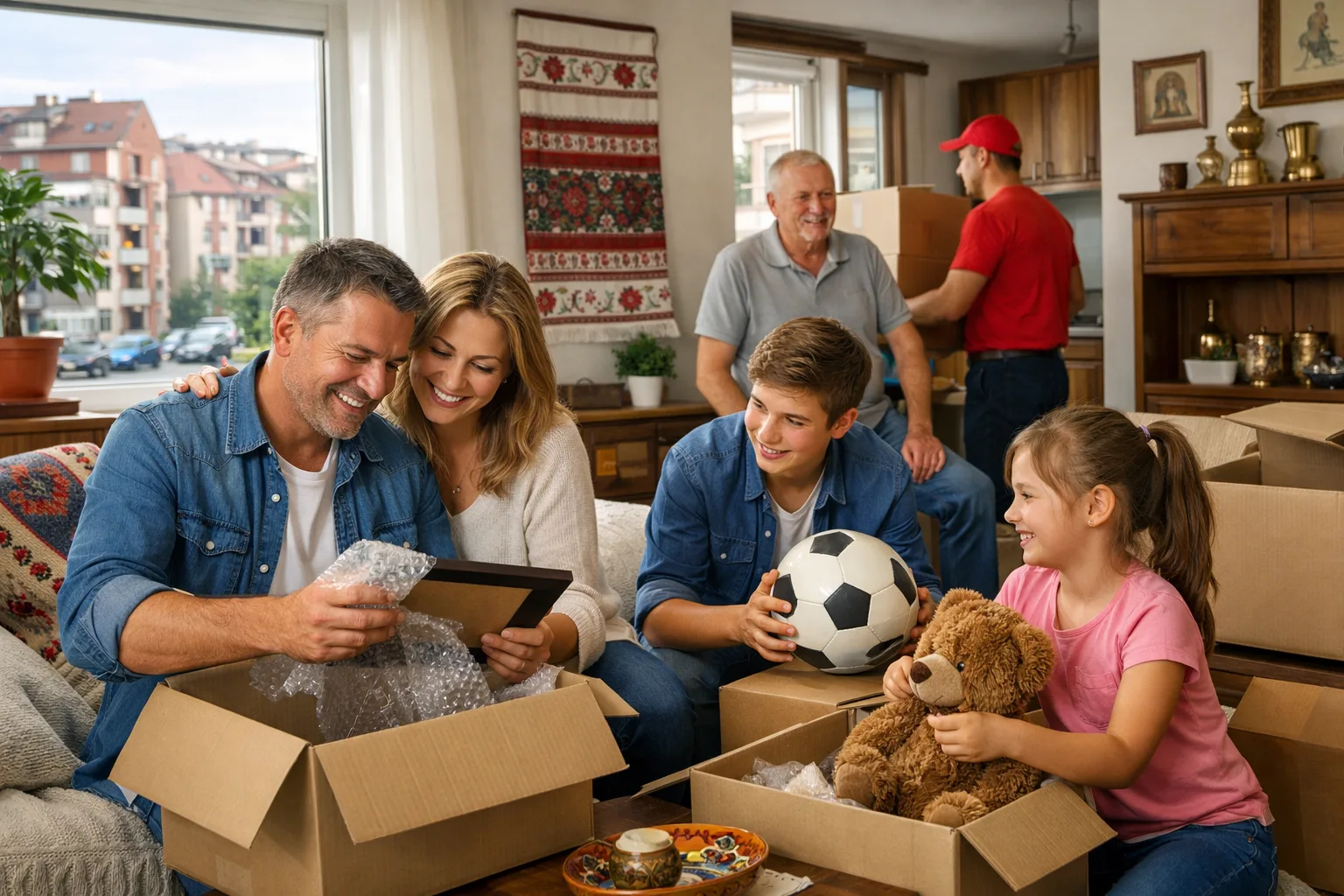
For many families, returning from Germany is motivated by the desire for children to grow up in an environment closer to relatives and where traditional values and language are nurtured. This closeness allows children to develop a strong identity and sense of belonging to the community. Family support often helps parents balance work and family responsibilities.
Although Germany provides quality education and security, some parents believe that emotional and cultural connection to the homeland is more important for children's development. Also, access to local customs and celebrations contributes to a richer and more diverse upbringing. In Serbia, children have the opportunity to learn about tradition through direct contact with family and community members.
Additionally, families often decide to return due to better availability of extended family who can help with child-rearing, creating a more stable and secure environment for the little ones. In Serbia, it is common for grandparents to actively participate in children's daily lives, providing parents with additional support. This support can be crucial in the early years of a child's life and during schooling.
Nostalgia for the homeland and the desire to return to familiar places are strong factors influencing the decision to return. For many, everyday life in Germany cannot replace the emotional bond with Serbia. The sense of belonging and security tied to the homeland often outweighs material benefits. This emotional connection is also reflected in the desire to preserve family traditions and customs.
A sense of belonging, familiar culture, food, customs, and language are elements that even the best opportunities abroad cannot replace. This emotional connection motivates the return, even though it can sometimes be financially risky. Returning allows for reestablishing deep roots and personal happiness. Many returnees emphasize that life in Serbia has brought them a greater sense of fulfillment and satisfaction.
Returning to the homeland brings a sense of peace and fulfillment, which for many is more valuable than the material benefits offered by life in Germany. Additionally, returning often means an opportunity to actively participate in the local community and contribute to the development of their country. Participation in social and cultural activities further strengthens the sense of belonging and satisfaction.
Many of our people consider long-term life plans that include buying or building their own home in Serbia. This is often difficult to achieve in Germany due to high real estate prices and strict conditions for housing loans. In Serbia, credit conditions are often more flexible, and real estate prices are more affordable. Also, opportunities to purchase land and build a house are greater, enabling the realization of the dream of owning a home. When the time comes to return, moving from Germany to Serbia represents an important step in realizing this plan.
Returning allows investing funds in real estate and property in Serbia, which is considered a safer and longer-term investment for the family. Also, owning property in the homeland can be the foundation for future business or family plans. Many returnees use their experiences from Germany to improve their homes and introduce modern standards in construction and design.
Moreover, owning one’s own space brings stability and independence, which is an important motivation for returning from abroad. Many believe this is the best way to secure a safe future for themselves and their children. Planning and realizing such a goal requires detailed preparation and consultations with experts but brings long-term benefits. It is recommended to consult legal and financial advisors before purchasing or building to avoid potential problems.
Considering all the factors mentioned, it is clear that returning to Serbia represents a complex but often rewarding and emotionally satisfying choice for many of our people who have lived in Germany. Proper preparation and being well-informed are key to successful reintegration and achieving personal and family goals.
How to Pack Furniture for a Move to Germany?
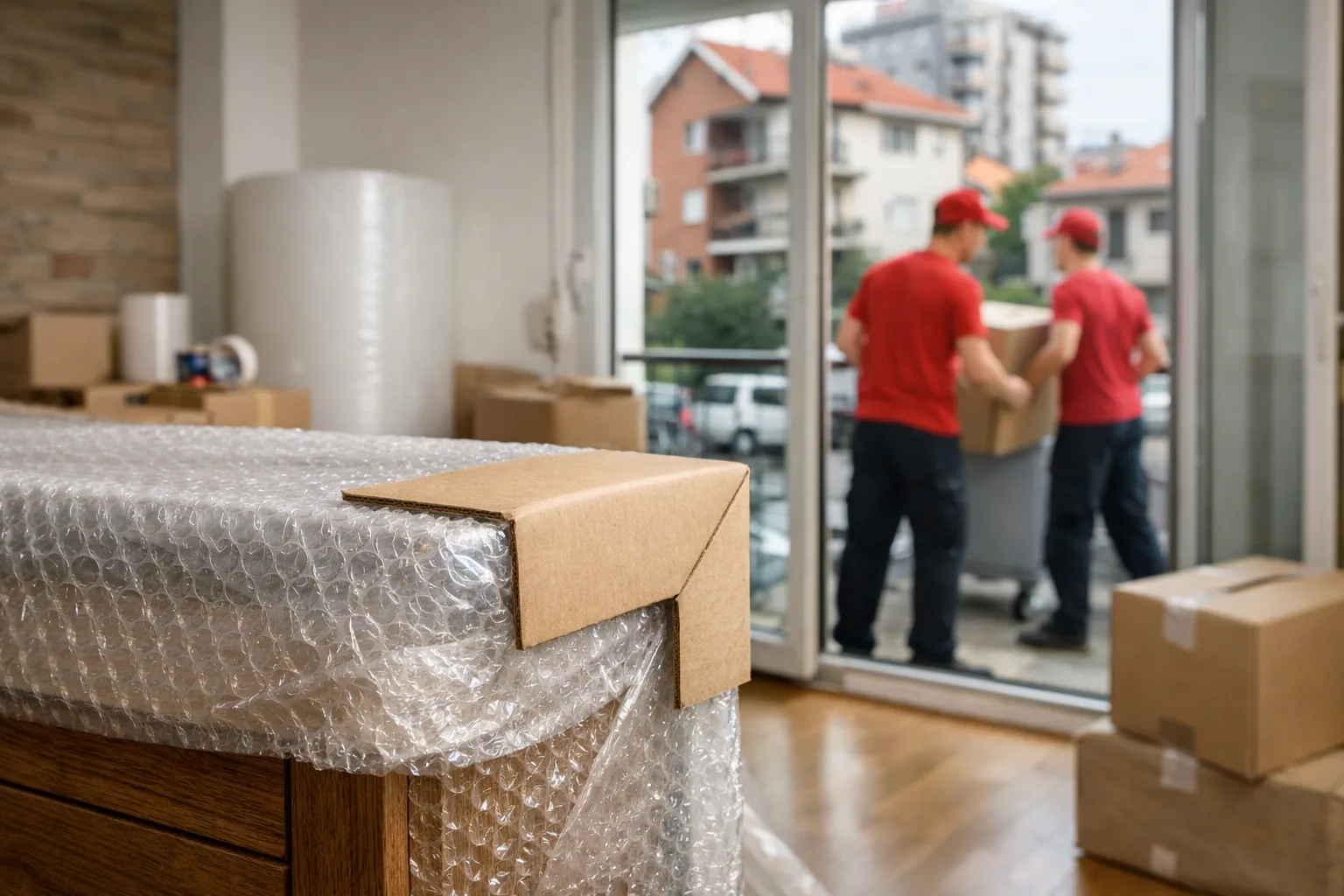
How to Move Furniture from Abroad to Serbia
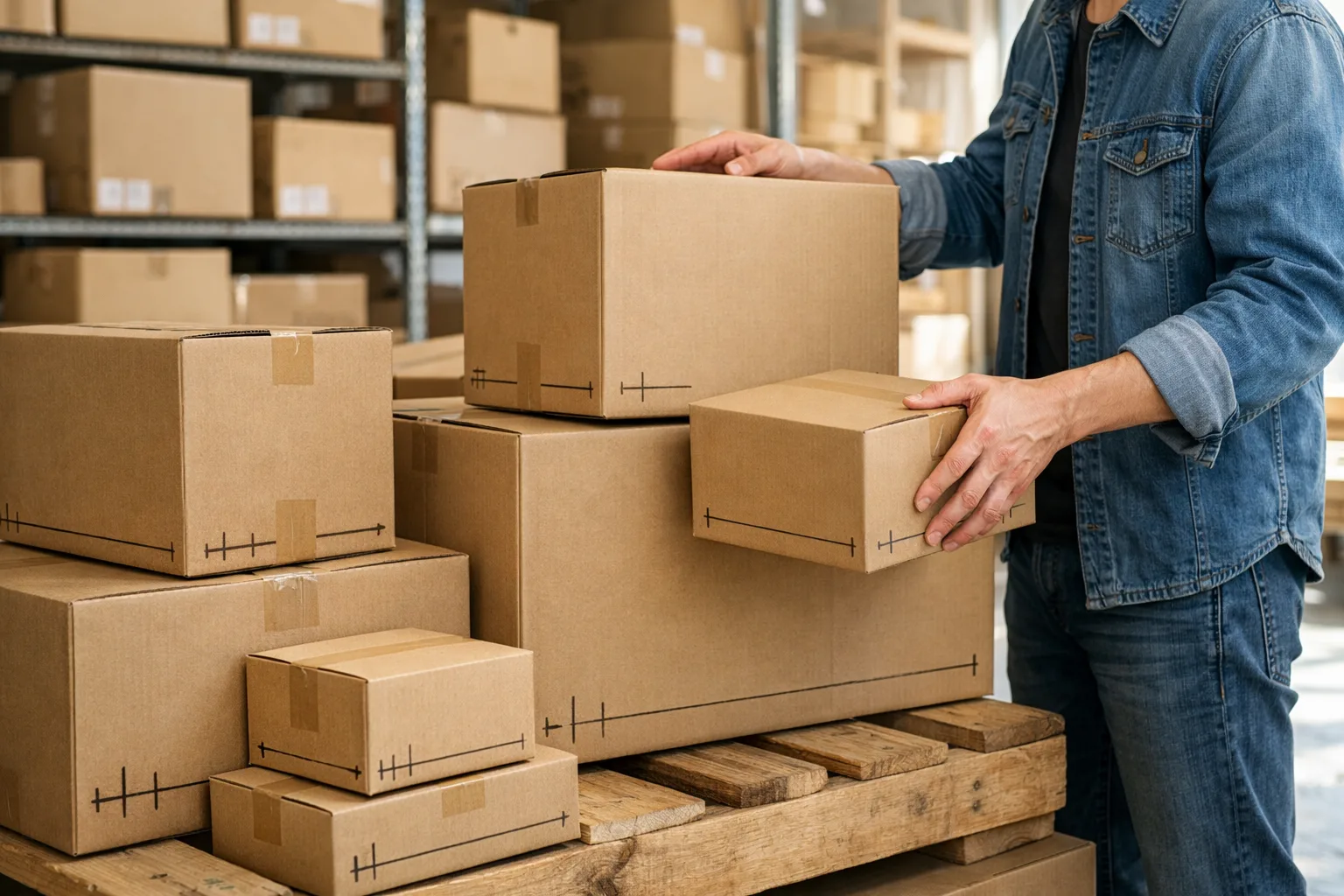
Common Mistakes Made During International Moves
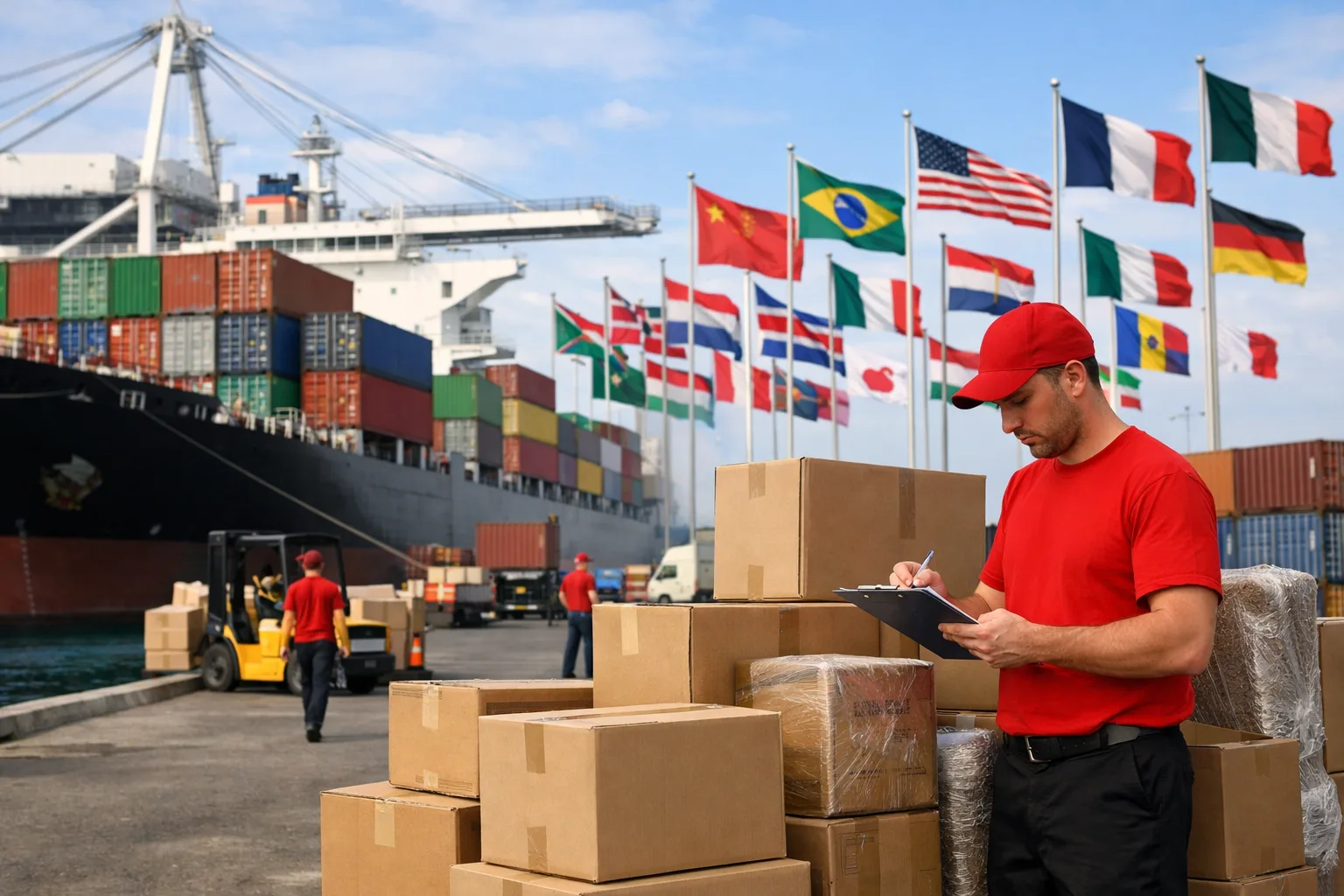
How to Save Money on an International Move?
We will respond to you as soon as possible.
Returning from Germany to Serbia is an important decision that carries many dilemmas. Here are answers to the most common questions our people ask when considering returning.
The most important thing is to plan ahead and hire a reliable international moving company experienced in the Germany-Serbia route. It’s good to make a list of items you want to take and to inform yourself about customs regulations to avoid problems at the border.
Currently, Serbia does not have specific state benefits for returnees from Germany, but there are local programs and support in some municipalities. It is recommended to inquire with relevant institutions and organizations that assist with reintegration.
Before returning, gather all necessary documentation, such as personal and work documents, health insurance certificates, and similar. Upon arrival in Serbia, register your residence address and contact the local administration for further procedures.
The most common challenges are adjusting to a different pace of life, finding a job, administrative procedures, and reintegration into society. It can also be difficult to maintain relationships with people who remained abroad.
It is important to nurture your roots and language but also to retain positive habits and experiences gained in Germany. Engaging in local communities and maintaining contacts with friends from Germany can help maintain that balance.