How to pack antique furniture?
How to pack antique furniture?

Enter at least 3 characters.
Moving is one of the most challenging and stressful events in life, but with proper preparation and organization, this process can become significantly simpler and more efficient. Packing is not just about putting items into boxes; it requires careful planning, choosing the right materials, and a systematic approach to avoid damage and loss of belongings. Moving professionals have extensive experience and use proven techniques that save time, energy, and reduce stress. In this guide, we will present seven key tips used by experts that will help your move go smoothly, without unnecessary complications, and with maximum protection of your valuables.
Planning is the foundation of a successful move. Professionals advise starting packing several weeks before moving day to avoid rushing and stress. Prepare a detailed schedule that includes which rooms you will pack on which days, as well as an estimate of the time needed for each phase. This allows you to approach the task systematically and not skip important steps.
Besides making a schedule, it is important to create a list of items you plan to take with you, as well as those you might donate or discard. This step helps reduce the number of items to pack, directly impacting the speed and efficiency of packing. Also, planning ahead allows you to acquire all necessary packing materials on time.
Labeling boxes is another key element of organization. Professionals recommend writing not only the room name on the boxes but also a detailed description of the contents and any notes, such as "fragile" or "heavy." You can also use a color or number system for easier identification and arrangement of items at the new location. This approach significantly facilitates unpacking and saves time.
When planning, keep priorities in mind – pack items you don’t urgently need first, such as seasonal clothing, decorations, or books. Leave everyday items like clothing, basic kitchenware, and personal belongings for last. This way, you will have better control and less stress in the days leading up to the move.
Don’t forget to include help from others – family, friends, or professionals. If you plan to hire a moving service, coordinate your packing schedule with their arrival to ensure everything proceeds without delays or confusion. Good coordination is the key to success.
Choosing the right packing materials directly affects the safety of your belongings during transport. Professionals use various types of boxes, from standard cardboard to specialized moving boxes, depending on the type and weight of the items. Boxes with higher strength are necessary for heavier and fragile items.
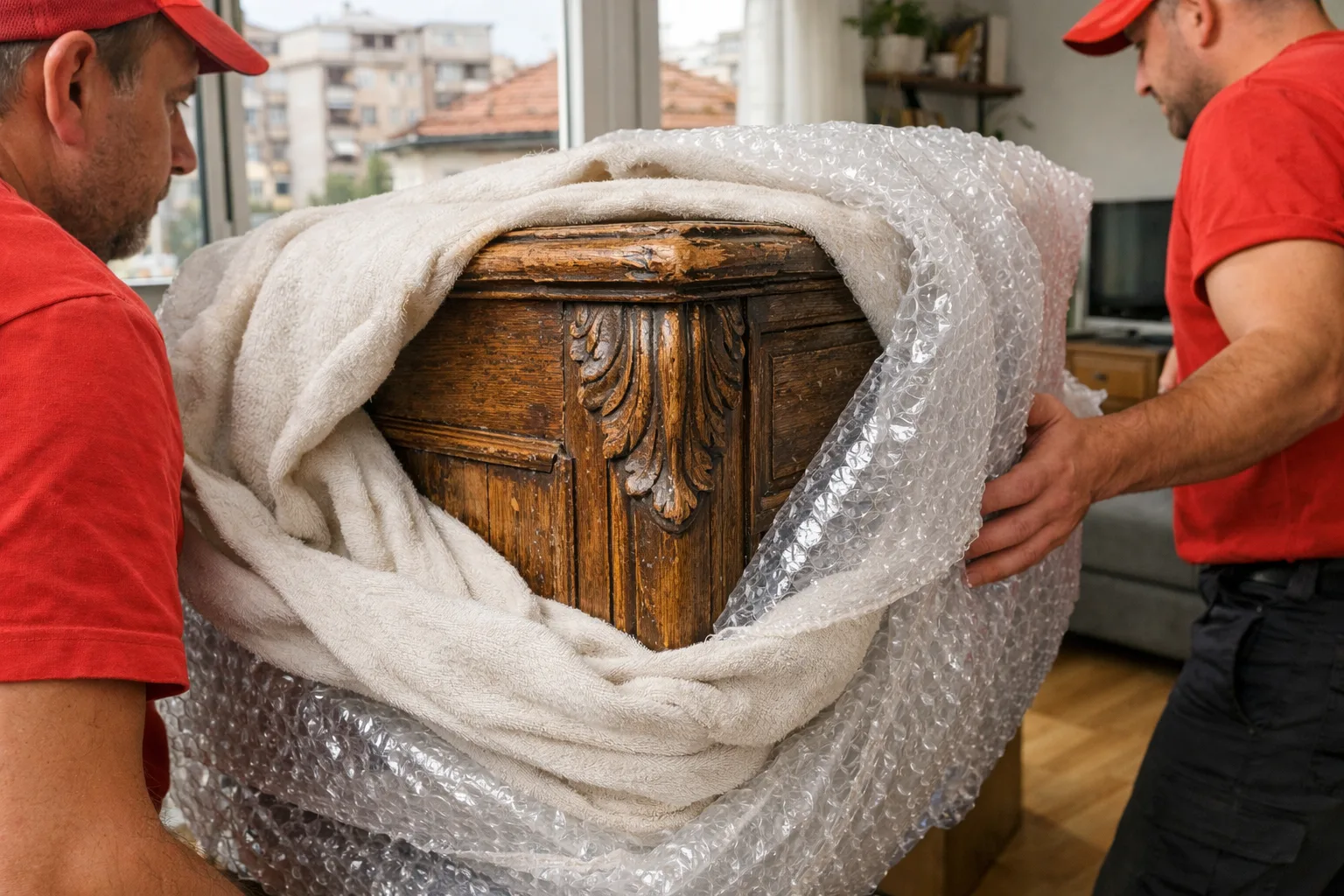
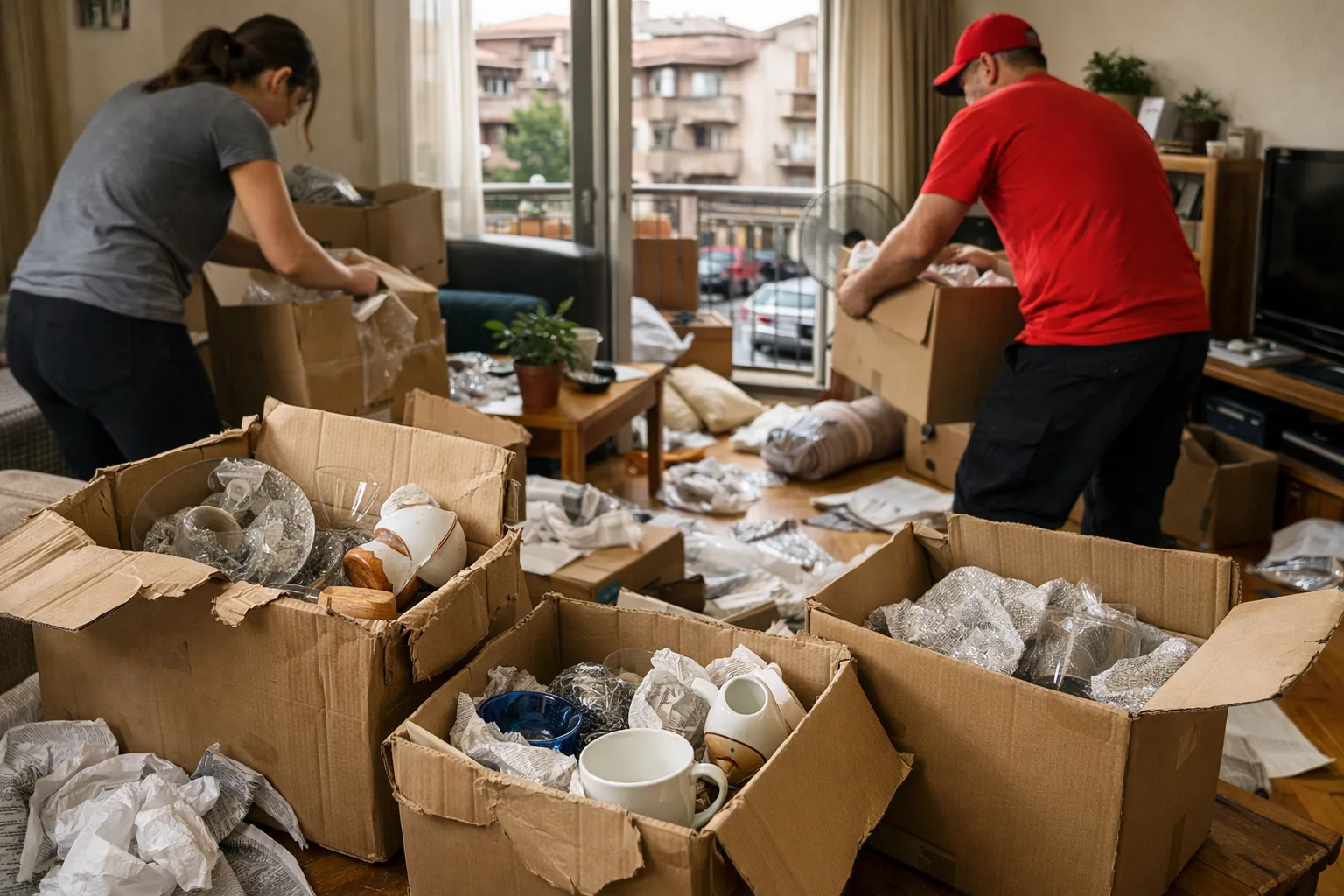
To protect fragile items such as glass, ceramics, or electronic equipment, it is essential to use bubble wrap, packing paper, or styrofoam. These protections cushion impacts and prevent damage. Also, when packing glass items, it is important to place them upright and avoid overfilling boxes to reduce the risk of breakage.
Professionals often use dividers inside boxes, especially for small and delicate items like glasses, plates, or electronic components. These dividers prevent items from shifting and colliding during transport. If you don't have special dividers, you can make them from cardboard or use old newspapers as additional protection.
Avoid using improvised materials such as ordinary plastic bags or thin boxes that do not provide adequate protection. Such materials can lead to damage or loss of items, which may increase costs and inconveniences during the move.
Also, don't forget quality packing tape for sealing boxes. Professionals use wide and strong tapes that ensure boxes remain closed throughout the entire transport process. Additionally, tapes can be used for labeling boxes or creating handles for easier carrying.
Heavy items, such as books, kitchen appliances, or tools, require a special approach to avoid injuries and damage. Professionals recommend packing these items in smaller boxes that are easier to carry and handle. It is advised that the box weight does not exceed 15 kilograms to reduce the risk of injury.
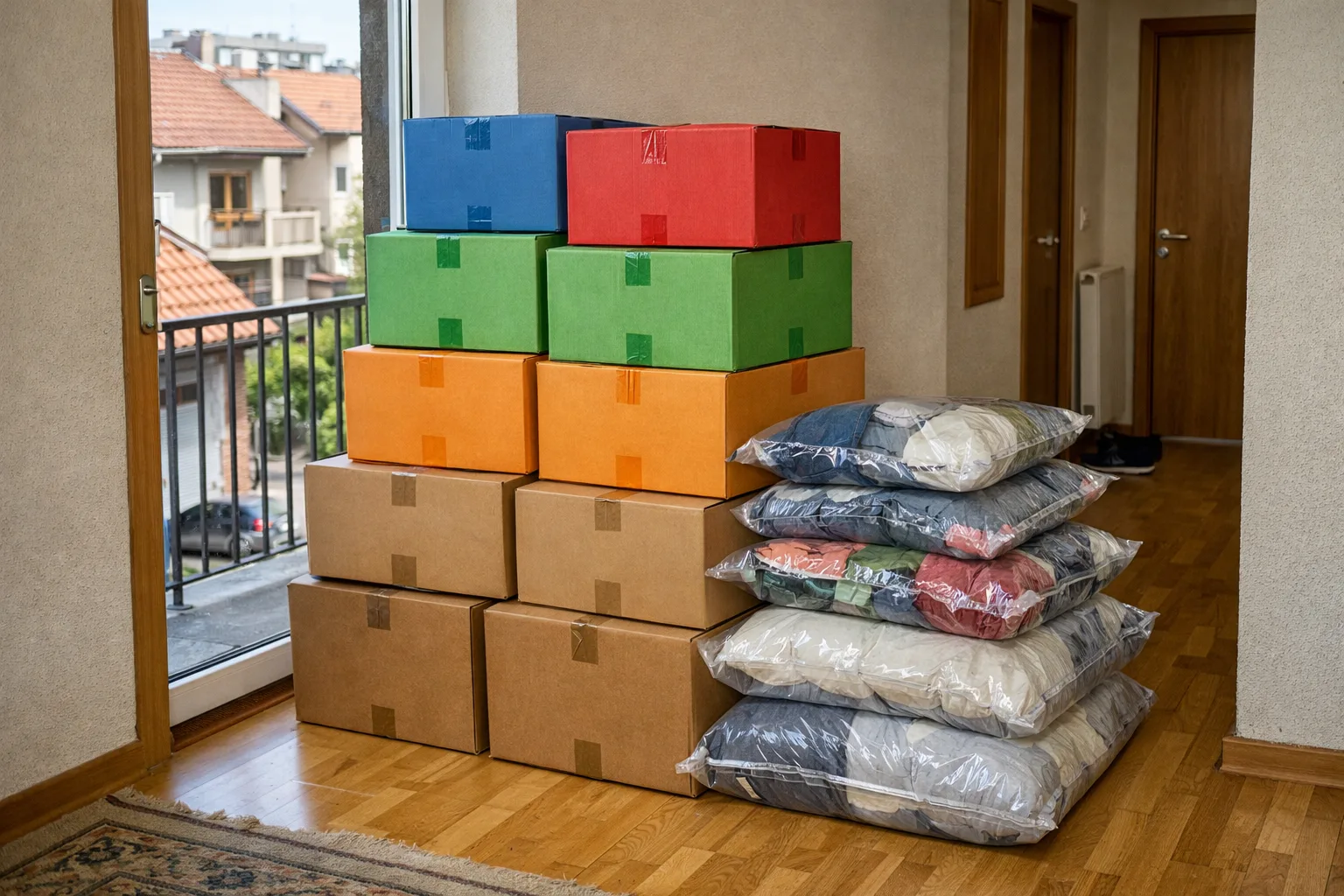
Large and soft items, like pillows, blankets, duvets, or clothing, can be packed in vacuum bags or special bags that significantly reduce volume. This method saves space in the vehicle and makes luggage organization easier. Vacuum bags also protect items from moisture, dust, and dirt during transport.
When packing large or heavy items, it is important to secure them well inside boxes or bags so they do not move and damage other belongings. Professionals use stretch wrap, tape, and other materials for additional stability. Also, when packing appliances, remove all movable parts and protect them separately.
Don't forget to check for disassembly and packing instructions for large items like furniture or household appliances. If you are unsure, hire furniture assembly experts who will safely prepare these items for transport.
If you have items that are too large for standard boxes, consider using specialized transport bags or covers that protect surfaces from scratches and damage. This is especially important for furniture and electronics.
Losing small parts such as screws, bolts, nuts, and cables can significantly slow down the assembly of furniture and installations in the new space. Professionals therefore use small resealable plastic bags to store these parts and clearly label them with markers or stickers.
It is important that bags with small parts are connected to the items they belong to. For example, bags with screws from a shelf should be attached to or placed inside the box containing the shelf. This prevents loss and makes finding them easier during assembly.
Besides plastic bags, you can also use small boxes or drawers for organizing parts, especially if you have many different small items. Professionals often use magnetic trays that hold metal parts in one place during work.
This approach not only saves time during unpacking and assembly but also reduces frustration caused by searching for lost parts. Organizing small parts is key to an efficient and safe move.
It is also recommended to make a list of all parts and their locations so you have full control and can easily track what you need for assembly.
A color-coding system is one of the most effective ways to quickly identify and sort boxes by rooms or types of items. Professionals use different colored stickers or markers to label boxes, which significantly speeds up the unpacking process and placing items in their new locations.
For example, red can indicate the kitchen, blue the bedroom, green the bathroom, and yellow the living room. In addition to colors, boxes can also have numbers or short descriptions of contents, which further facilitates identification and organization.
This system also allows family members or the moving team to quickly recognize where each box belongs, reducing errors and speeding up the entire process. Additionally, colors help ensure that boxes are loaded and unloaded in the correct places, saving time and energy.
In addition to colors, you can use symbols or icons for extra visual assistance, especially if you have boxes with different types of items. For example, a plate icon for the kitchen or a pillow icon for the bedroom.
It is important that labels are clearly visible and placed on multiple sides of the box so they can be easily noticed regardless of how the boxes are stacked.
You can pack clothing in various ways depending on the type and quantity. Professionals often use special wardrobe boxes that have a built-in hanging rod, allowing clothes to remain ironed and neat during transport. This is especially useful for suits, dresses, and other delicate items.
For smaller clothing and textile items, vacuum bags are recommended as they significantly reduce volume and protect clothes from moisture, dust, and unpleasant odors. Vacuum bags are also practical for seasonal clothing you won’t use immediately after moving.
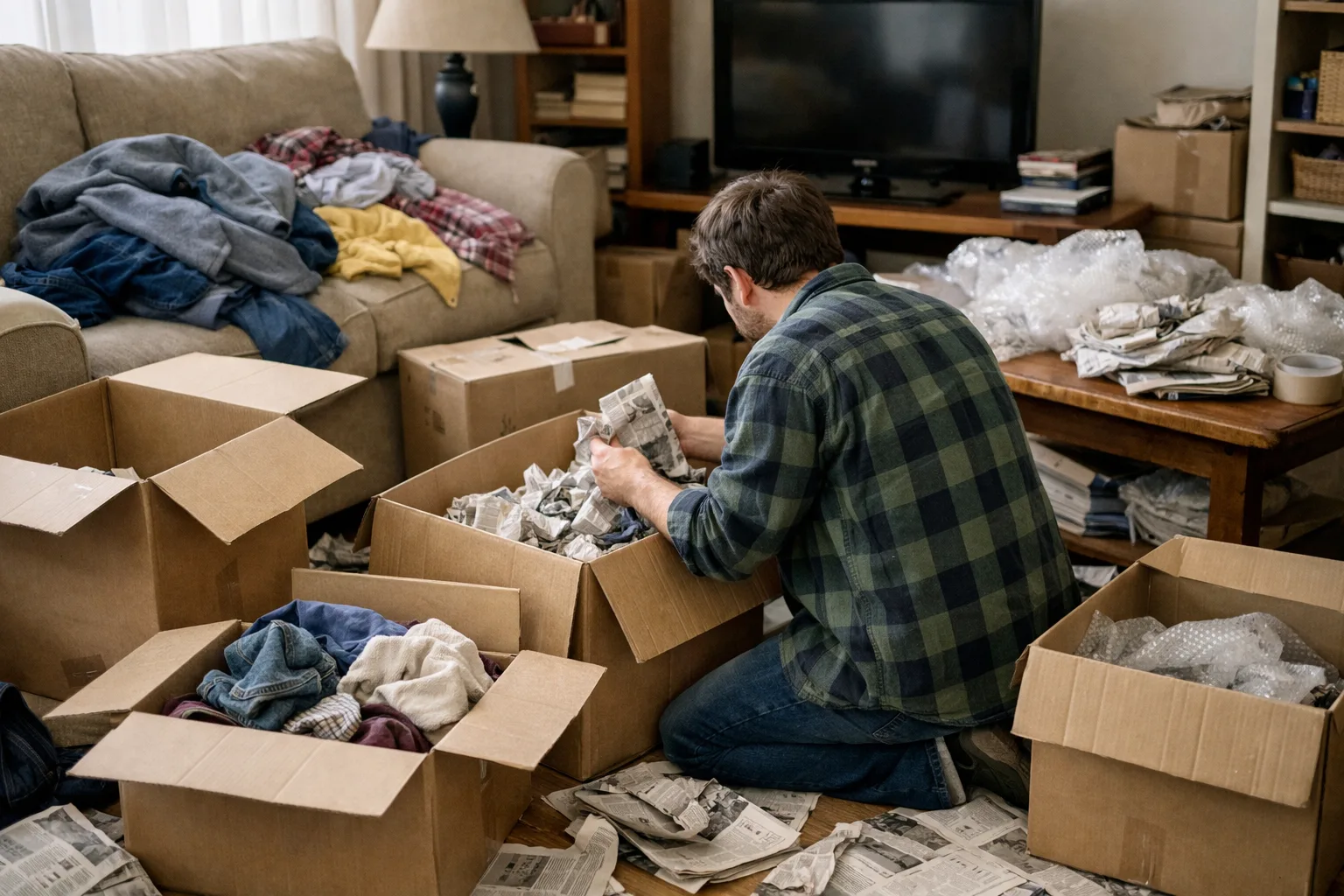
Soft textiles like towels, bedding, or pillowcases can also be used as additional padding for fragile items inside boxes. This way, you save space and further protect your belongings.
Before packing, it is important that clothes and textiles are clean and completely dry to avoid mold and unpleasant odors during transport or storage. Also, sort clothes by type and season to make unpacking and organizing in your new space easier.
If you have clothes you don’t plan to wear anytime soon, consider donating or selling them, which will reduce the amount of stuff and make your move easier.
Overfilling boxes can lead to damage to your belongings and make handling difficult. Professionals advise not to fill boxes to the very top but to leave some space so you can close them easily and further protect the contents.
Pack heavy items in smaller boxes to avoid excessive weight that could cause boxes to tear or injuries while carrying. Light but bulky items, such as pillows or blankets, can be packed in larger boxes or bags, but make sure the overall weight remains moderate.
Leave space inside boxes for inserting protective materials like paper, bubble wrap, or styrofoam. These materials cushion impacts and prevent items from shifting during transport, significantly reducing the risk of damage.
When packing, check that boxes close easily and that tape holds well. If necessary, use additional tape for reinforcement, but be careful not to overdo it so you don’t make opening boxes difficult during unpacking.
This balance between filling and leaving space for protection is crucial for safe transport and preserving your belongings.
Professionals often modify boxes to have handles or openings for easier carrying. If boxes don’t have factory handles, you can make holes on the sides or use additional straps that facilitate gripping and reduce the risk of dropping.
For extra stability, especially with heavy or fragile boxes, stretch wrap or quality packing tape is used. Tape should be firmly applied but so that it doesn’t damage items inside the box and can be easily removed during unpacking.
When loading into a truck or van, professionals pay attention to proper stacking – heavier boxes are placed at the bottom and closer to the vehicle cabin, while lighter and more delicate items are placed on top and on the sides. This arrangement ensures balance and safety during the drive, and if you need a moving truck, you can hire one to make the entire process easier.
Also, it is important that boxes do not shift during transport. Professionals use straps, nets, or other fasteners to secure the cargo and prevent movement that could cause damage.
Finally, mark the boxes containing fragile or urgent items so they can be handled with special care during unloading and unpacking. This detail can significantly speed up and simplify the entire moving process.
Advantages of Professional Packing Before Moving in Belgrade
We will respond to you as soon as possible.
Below are answers to the most important questions regarding tips and techniques for professional moving packing. These questions cover specific situations and challenges people often face while preparing for a move.
Fragile items should be carefully wrapped in bubble wrap or packing paper, then placed upright in boxes with internal dividers. Also, boxes should be clearly labeled as fragile and handled with care during transport.
Place small parts, screws, and cables in small sealed plastic bags that are clearly labeled. Attach the bags or place them inside the boxes containing the corresponding furniture to avoid losing them and to make assembly easier in the new space.
To keep clothes wrinkle-free and dust-free, professionals often use boxes with a hanging rod for garments or vacuum bags to save space. Bags are practical for less delicate textiles but do not always protect clothes from wrinkling.
Do not fill boxes to the brim or exceed the recommended weight. Leave space for closing and protective material inside the box. Pack heavy items in smaller boxes to make them easier to carry and to prevent boxes from breaking.
Use a color-coding system to mark boxes by room and additionally write a brief description of the contents on the box. This will facilitate organizing and unpacking in the new space and allow quick identification of contents.
Distribute heavy items into smaller boxes that are easier to carry, and pack large soft items like pillows and blankets in vacuum bags or space-saving bags that protect from dust.
Yes, if boxes do not have factory handles, you can make holes on the sides for gripping. This significantly eases carrying and reduces the risk of dropping or awkward handling during loading and unloading.