Tips for International Moves
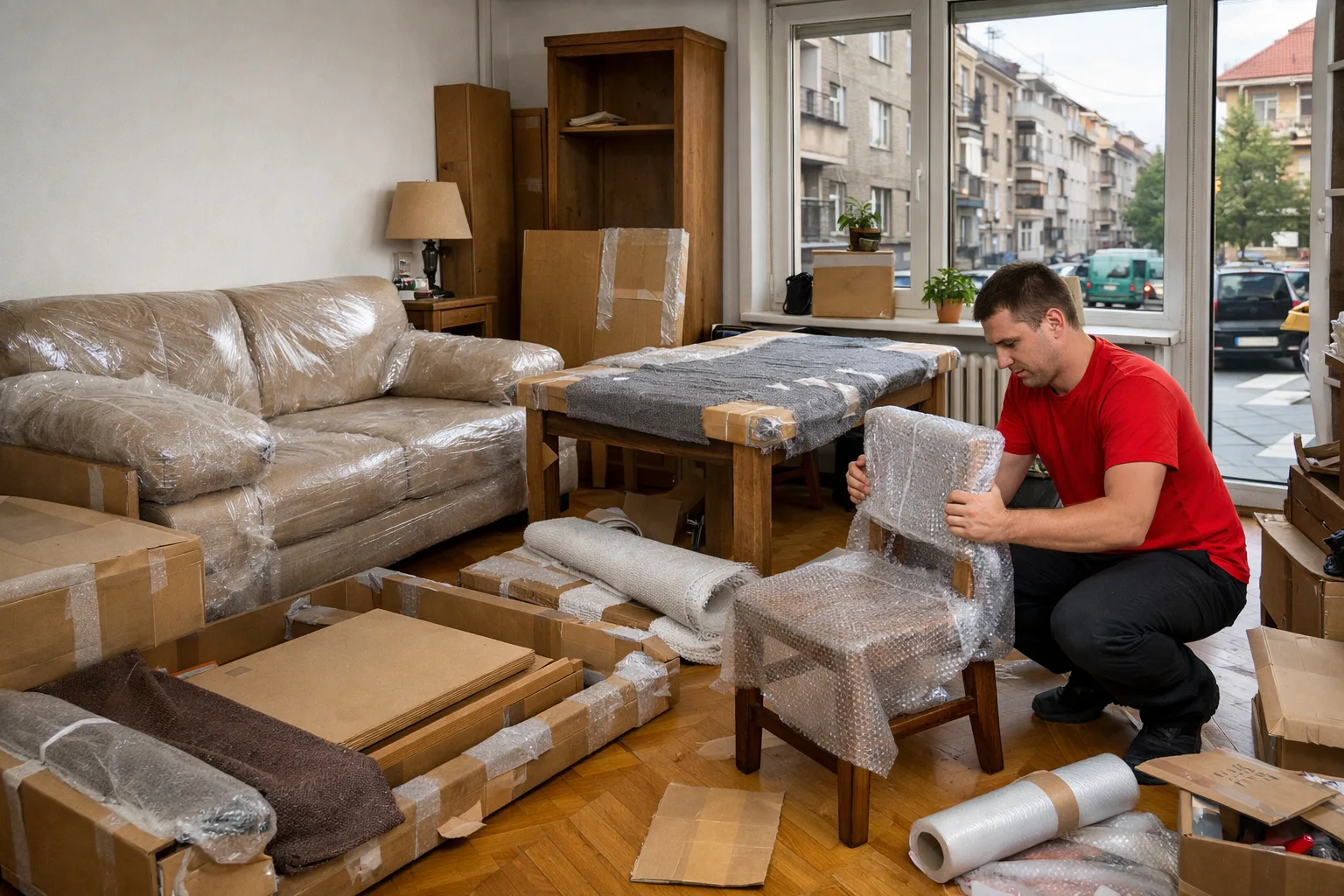
How to Pack Furniture for a Move to Germany?
How to Pack Furniture for a Move to Germany?

Enter at least 3 characters.
Migration from Serbia and other countries in the region to Germany has been an important phenomenon for decades, shaping the demographic and economic landscape of both sides. Many of our citizens choose to live in Germany due to better economic opportunities, education, and quality of life, as well as the stability and security this country provides. In this guide, we will present in detail which German cities our compatriots most often choose, the specifics of life in those cities, and how to best prepare for relocation and integration. We will also provide practical advice on finding accommodation, employment, and engaging with the local community, which can significantly ease the adjustment process to the new environment.
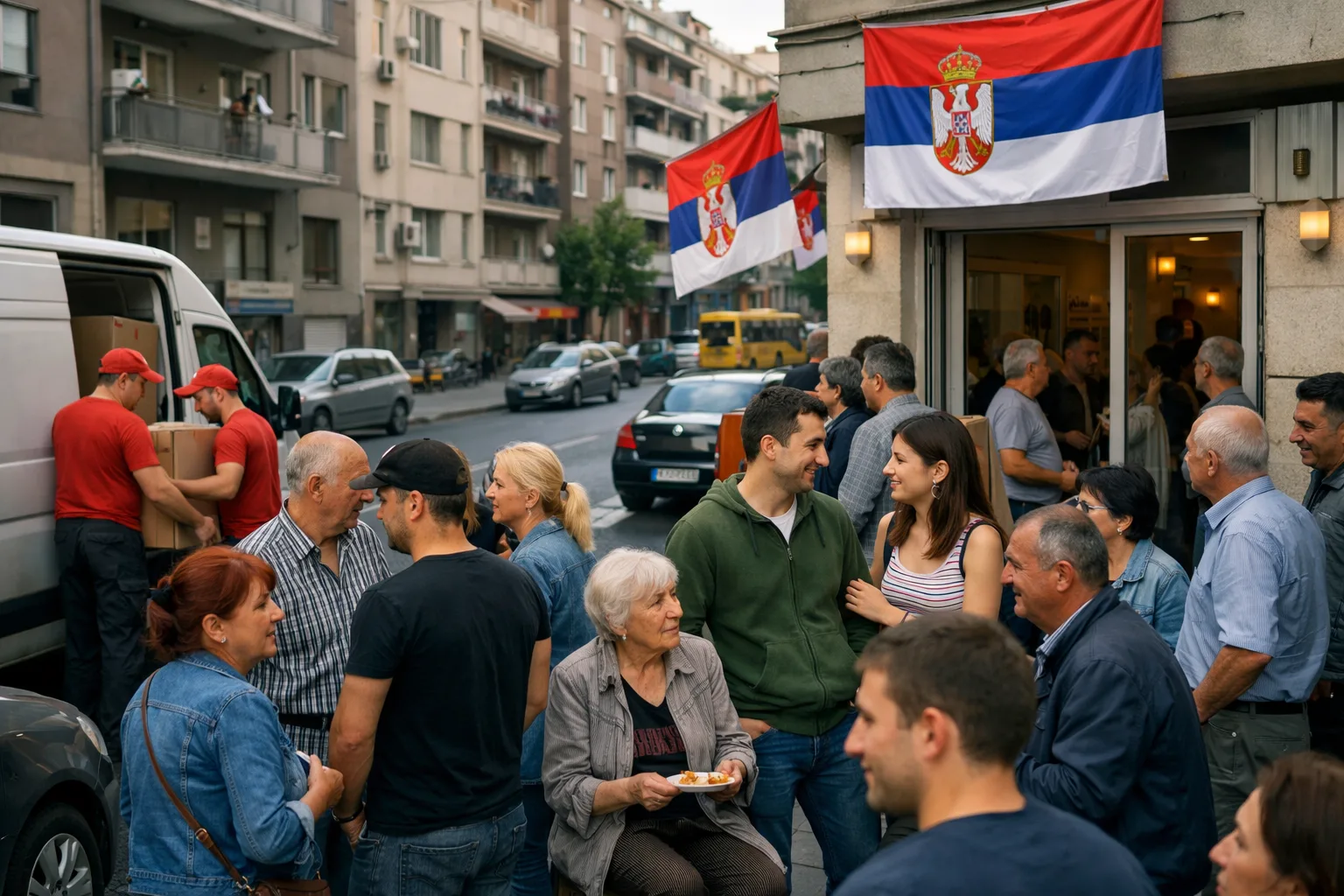
Although Vienna is not a German city, its proximity to Germany and the large Serbian community make it important in the context of migration. Vienna is often the first choice for those who want to stay close to their homeland while having access to the European labor market. For those planning a move, van transport of goods to Vienna can be a practical solution for transporting personal belongings. Additionally, Vienna offers quality public transportation and good living conditions, making it attractive for families and young professionals.
In Germany, the largest number of our citizens live in major urban centers that offer jobs and educational opportunities. Berlin, Munich, and Frankfurt are primary choices due to their developed industries and multicultural environments. These cities have established support networks for migrants, including language courses, counseling centers, and cultural institutions, which facilitate the integration process.
Considering demographic trends, our citizens often move to cities with strong industrial sectors as well as educational institutions. These locations provide employment opportunities in various fields, from technology to service industries, which is a key factor when choosing a place to live. Additionally, the availability of public transportation and housing accessibility play an important role in the decision to relocate.
It is important to understand that migration adapts to the labor market and social conditions. Therefore, some cities are experiencing growth in the Serbian population, while others show stagnation or a slight decline in the number of our citizens. Monitoring these changes can help in planning future steps and finding communities that offer support and development opportunities.
Berlin stands out as the city with the highest concentration of our citizens in Germany. The reason is its multiculturalism, diverse job opportunities, and relatively lower living costs compared to other metropolises. The Serbian community here numbers tens of thousands, enabling the preservation of cultural customs and language through numerous events and organizations. If you plan to relocate to this city, van transport of goods from Berlin to Belgrade can be helpful when transporting belongings to or from Serbia.
The city offers a wide range of opportunities for employees in construction, hospitality, transport, and the IT sector. Besides job prospects, Berlin has a developed network of Serbian schools, churches, and cultural centers, which facilitates integration and maintaining identity. Numerous programs for learning German and professional training are also available, which are crucial for success in the labor market.
However, due to the large population and demand for apartments, housing can be challenging. Our people often choose neighborhoods such as Neukölln, Wedding, and Kreuzberg, where the community is already well established. It is recommended to seek assistance from local agencies or acquaintances when looking for accommodation, as well as to plan a budget for deposits and living expenses.
For those coming with families, it is important to know that Berlin has a developed system of kindergartens and schools with programs tailored to children from migrant families. Additionally, the city offers numerous sports and cultural activities that help children and adults integrate more easily into the new environment.
Munich is known for its high standard of living, but also for more expensive accommodation compared to other German cities. Despite this, many of our citizens choose this city due to its stable labor market, especially in technological and engineering fields. Employers in Munich often seek qualified workers, providing opportunities for professional development and advancement.
This city offers excellent conditions for children's education, with numerous schools and universities recognized internationally. Munich is also known for its safety and quality of life, attracting families from Serbia and the region. There are also many support programs for integration, including German language courses and workshops to familiarize newcomers with local customs.
Besides work, Serbs in Munich actively participate in local cultural and sports events, further strengthening the community and facilitating mutual support in the new environment. Organizations often host traditional celebrations and gatherings, helping preserve identity and create networks of friends and collaborators.
For those planning to move to Munich, it is recommended to thoroughly research the real estate market and engage real estate agencies in a timely manner, as competition is high. Also, van transport of goods from Munich to Belgrade can ease the transport of personal belongings during the move. It is important to consider additional living costs, such as health insurance and utilities, to avoid financial difficulties.
Frankfurt, as Germany's business and financial center, attracts many of our citizens working in banking, finance, and service industries. The city is known for its international atmosphere and large number of foreigners, which makes it easier for newly arrived migrants to navigate. Many employers offer mentorship and support programs for foreign workers. When moving from this city, van transport of goods from Frankfurt to Belgrade can be a practical solution for transporting belongings.
Due to international corporations and a large airport, Frankfurt offers numerous opportunities for professional development. The Serbian community here is growing, with many clubs, associations, and churches gathering our people. These organizations often provide assistance with administrative matters, as well as finding jobs and accommodation.
However, given the high competition in the labor market, good knowledge of German and additional qualifications are recommended for those who want permanent employment in this city. It is also important to be familiar with local laws and workers' rights to avoid problems at the workplace.
For families moving to Frankfurt, the city offers quality educational institutions and healthcare services. There are also programs for children from migrant families that help overcome language barriers and adapt to the school system.
Stuttgart is the center of the German automotive industry, with companies such as Mercedes and Porsche. Therefore, it is an attractive destination for our citizens seeking jobs in manufacturing, engineering, and related sectors. Employers often offer training and opportunities for professional development, which can be very beneficial for workers.
The Serbian community in Stuttgart is smaller compared to Berlin or Munich but is stable and active. There are Serbian restaurants, cultural events, and sports clubs that contribute to preserving tradition and connecting people. These activities help create a sense of belonging and support among migrants.
The city is known for good infrastructure and quality of life, but also somewhat higher living costs, which is important to consider when planning a move. It is recommended to research accommodation options in advance and plan a budget for daily expenses.
Additionally, Stuttgart has developed integration programs for migrants, including language courses and workshops to familiarize newcomers with local laws and customs, which can significantly ease adaptation to the new environment.
Hamburg is the second largest city in Germany and one of the biggest European ports. This makes it attractive for workers in transport, logistics, and trade, sectors in which our citizens are often employed. The city has a well-developed public transport network and good living conditions, contributing to its popularity.
The Serbian community here is growing, especially in neighborhoods like Altona and Harburg, where schools and churches have been established to support the cultural identity of migrants. These institutions often organize workshops and events that help preserve language and tradition.
Hamburg also offers strong systemic support for foreign workers, including language courses and employment programs, which facilitate starting life in this dynamic city. There are also counseling centers that assist with administrative and legal matters.
For those planning to start a family life, Hamburg has quality educational institutions and healthcare services, as well as numerous parks and recreational facilities that enhance quality of life.
Düsseldorf and nearby cities like Essen and Dortmund are known for their developed industries, especially chemical and metal sectors, as well as service activities. The Serbian community in this part of Germany is significant and well-organized, with numerous cultural and sports events that bring people together.
This region attracts people seeking stable jobs in factories, as well as in trade and hospitality. Numerous Serbian cultural events and associations are present, facilitating social integration and maintaining ties with the homeland. Additionally, local communities often provide support in the form of counseling and assistance with administrative procedures.
The quality of education and availability of healthcare services are also important, especially for families relocating with children or elderly members. Cities in this region have developed schools and hospitals, as well as support programs for children from migrant families.
For successful integration, active involvement in local communities and learning the German language are recommended, significantly increasing the chances of finding better jobs and a higher quality of life.
Besides large cities, our citizens also live in smaller towns and regions such as Hanover, Nuremberg, and Dortmund. These towns often offer lower living costs and less congestion, which can be attractive for those seeking a quieter life. Additionally, smaller towns often provide better conditions for families with children.
In smaller communities, Serbs often integrate better because the community is more compact and interpersonal connections are stronger. Local authorities sometimes offer special programs to support migrants in education and employment, including language courses and workshops for acquiring new skills.
It is important when choosing a smaller town to consider job availability in your profession, as well as the quality of transport connections to larger centers, which can be crucial for daily life and advancement. It is also advisable to check local housing conditions and opportunities for social support.
For those wishing to avoid urban stress, smaller towns can offer a higher quality living environment, with more green spaces and less pollution, which is especially important for families and the elderly.
How to Pack Furniture for a Move to Germany?

How to Move Furniture from Abroad to Serbia

Common Mistakes Made During International Moves
How to Save Money on an International Move?
We will respond to you as soon as possible.
Below we answer the most common questions that arise among our citizens when planning relocation and life in German cities with significant Serbian populations.
The biggest challenges include the language barrier, finding suitable accommodation and employment, as well as adapting to a new culture and administrative procedures. Good planning, learning German, and utilizing community support significantly ease these processes.
It is recommended to use employment portals, apply directly to employers, and network through Serbian associations and communities. Language proficiency and additional qualifications increase the chances of getting a job.
Cities like Munich, Stuttgart, and Hamburg are known for good education, safety, and quality of life, making them suitable for families. It is also important to consider the cost of living and availability of services.
In larger cities such as Berlin, Munich, and Frankfurt, there are Serbian schools, churches, and cultural centers that help preserve the language and tradition. In smaller cities, this infrastructure is rarer, but the community often gathers through private initiatives.
Integration is facilitated by learning the language, attending courses, participating in local events and activities, as well as connecting with the Serbian community. Openness to new experiences and respect for local customs are key factors.
Serbs are often employed in construction, hospitality, transportation, industry, as well as in the IT sector and education. Jobs depend on the level of education and qualifications, as well as the labor market needs in a given city.
Housing prices vary: in Berlin and Hamburg they are somewhat lower than in Munich or Frankfurt, where costs are significantly higher. It is recommended to thoroughly research the real estate market before moving and consider more affordable areas.