Tips for International Moves
How to Pack Furniture for a Move to Germany?
How to Pack Furniture for a Move to Germany?

Enter at least 3 characters.
Relocating abroad is a significant life step that requires detailed planning and thorough familiarization with the destination. Germany, as one of the most developed and economically stable countries in Europe, offers a wide range of opportunities for professional and personal growth. In 2024, this country stands out as an ideal destination for relocation thanks to favorable economic conditions, quality education, an efficient healthcare system, and a rich culture. This guide provides a detailed overview of the key reasons why now is the right time to live in Germany, along with practical advice to help you successfully integrate and enjoy all the benefits this country offers.

Germany is the largest economy in Europe and the fourth largest in the world, making it an extremely attractive destination for workers and entrepreneurs. Its stable economy is characterized by a low unemployment rate and a wide range of jobs across various sectors, especially in industry, IT, healthcare, and engineering. This diversity allows candidates with different qualifications to find suitable employment.
The German labor market caters to both highly qualified professionals and workers with vocational training. High demand for technical professions, medical staff, and IT specialists facilitates job finding, while retraining and upskilling programs further assist in adapting to market needs.
In addition to competitive salaries, Germany offers good working conditions, including mandatory annual leave, regulated working hours, and social security. Employers often provide additional benefits such as subsidized transportation, remote work options, and professional development opportunities, significantly contributing to employees' quality of life.
It is important to note that the job search process in Germany is transparent and regulated, with clearly defined rights and obligations for employees. Additionally, numerous public and private agencies offer support to foreigners in finding jobs and adapting to the work environment.
For those planning to stay long-term, Germany offers opportunities for permanent residence and work permits, further motivating qualified workers to integrate and contribute to the local economy.
Germany is renowned for its high level of education, with many recognized university institutions offering tuition-free or low-cost studies for international students. This represents a significant advantage for those seeking quality education without heavy financial burdens.
The dual education system, which combines practical work in companies with theoretical knowledge in schools, offers excellent opportunities for gaining work experience and easier integration into the labor market. This model is especially effective in technical and craft fields, where practical skills play a key role.
For children and youth, there are quality primary and secondary schools with various programs, including international schools that offer instruction in English or other languages. This facilitates the adaptation of children from other countries and ensures continuity in education.
In addition to formal education, Germany offers a wide range of additional courses and workshops for professional development, including German language courses, which are essential for successful integration and career growth.
Parents can rely on support from school systems in the form of counseling and involvement in school activities, which contributes to better socialization of children and their success in the new environment.

Germany's healthcare system is among the best in the world, offering a wide range of services available to everyone with health insurance. This insurance is mandatory and covers both basic and specialized medical care.
Mandatory health insurance guarantees access to doctors, hospitals, and specialists, with high-quality and efficient services. Patients can expect prompt diagnostics, modern therapies, and continuous medical care.
Additionally, there are many opportunities for preventive check-ups and health protection, contributing to the long-term preservation of residents' health. Vaccination programs, regular health screenings, and education on healthy lifestyles are widely accessible.
Healthcare professionals in Germany are highly qualified, and hospitals and clinics are equipped with modern technology, enabling effective treatment and patient care.
For immigrants, it is important to register with the healthcare system as soon as possible and choose a general practitioner, who will be the first point of contact in case of health issues and coordinate further care.
Germany is known for its high quality of life, which includes good infrastructure, clean cities, and developed public services. Cities are equipped with modern transportation systems, efficient public transit, and numerous recreational and leisure facilities.
Safety is a priority in Germany; the crime rate is low compared to many other countries, and the police system is efficient and transparent. This contributes to a sense of security both in urban and rural areas.
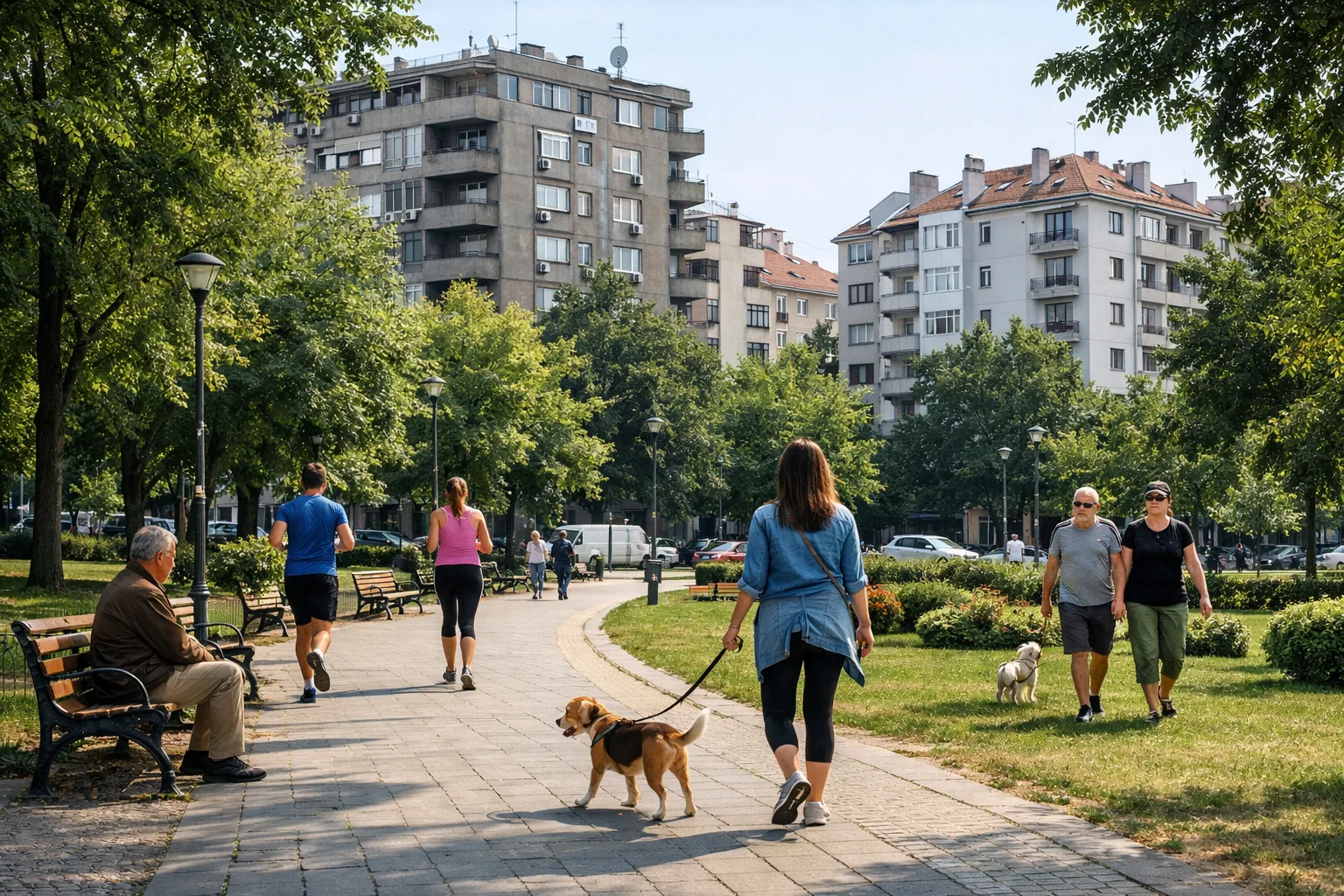
The country offers many green spaces, parks, and recreational opportunities, promoting a healthier and more relaxed lifestyle. Bicycle paths, sports facilities, and cultural centers are accessible to residents of all ages.
Moreover, Germany invests significant resources in environmental protection and sustainable development, reflected in clean air, waste recycling, and the use of renewable energy sources.
Social security and social assistance systems provide additional protection to residents, including support in cases of unemployment, illness, or other life challenges.
Germany is a multicultural country with a rich history and tradition, as well as an open approach towards foreigners. Various communities and nationalities contribute to a dynamic social landscape and vibrant cultural life.
There are numerous programs and organizations that assist foreigners with integration, including German language courses, counseling, and job search support. These initiatives facilitate adaptation to the new environment and enable faster social inclusion.
The country's culture encourages respect for diversity, and cities like Berlin, Munich, and Hamburg are known for their dynamic artistic and cultural scenes. Festivals, museums, theaters, and concerts are accessible to all residents, providing opportunities for personal development and socializing.
Local communities often organize events and workshops that promote intercultural dialogue and understanding, contributing to the creation of friendly relationships and a sense of belonging.
For families with children, there are numerous support and inclusion programs, as well as schools that nurture multiculturalism and provide support to children from diverse backgrounds.
Germany offers excellent conditions for entrepreneurs and startups, with developed infrastructure, financial incentives, and access to a large European market. This makes the country attractive for those who want to develop innovative ideas and business models.
There are numerous support programs for new companies, including advisory services, incubators, and opportunities to obtain loans on favorable terms. Additionally, grants and subsidies are available for certain sectors and projects.
The business environment in Germany encourages innovation and development, with clear regulations and transparent procedures for company registration and management. This reduces administrative barriers and facilitates business operations.
Entrepreneur networks and chambers of commerce provide additional support through networking, training, and market access, which is highly beneficial for new businesses.
For foreign entrepreneurs, there are specialized programs that assist with adapting to the local market, including legal advice and help finding business partners.
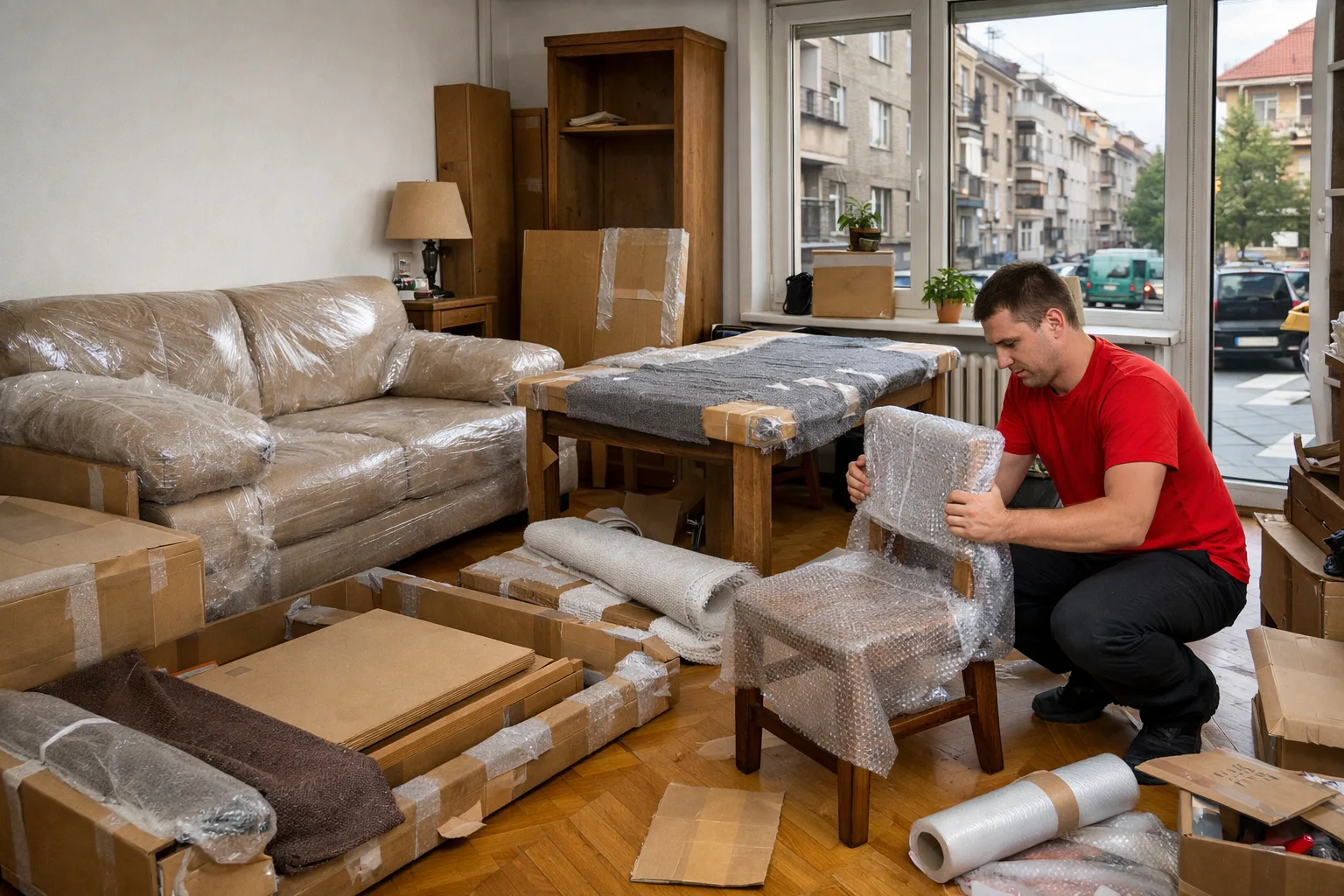
For a successful move to Germany, it is important to plan all steps in advance, including obtaining a visa, finding accommodation, and learning basic German. If you want to relocate your belongings stress-free, we recommend hiring a professional service such as moves from Serbia to Germany. Good language skills significantly ease daily communication and integration.
It is recommended to register immediately upon arrival with the relevant institutions, such as the municipality and health services, to exercise your rights and obligations. This process is legally mandatory and grants access to many services.
There are numerous communities and forums for immigrants that can provide support and information about daily life, greatly easing the adaptation process. Getting involved in local activities and meeting neighbors also contributes to a sense of belonging.
It is important to familiarize yourself with local customs, laws, and regulations, as well as the public transport system, schools, and healthcare facilities, which facilitates everyday life.
Additionally, it is recommended to actively participate in language courses and integration workshops, which are often offered by local communities and non-governmental organizations.
Germany is located in the heart of Europe, allowing easy access to numerous European destinations for business and private purposes. This is a significant advantage for those who travel frequently or wish to explore different cultures and countries.
An excellently developed network of railways, highways, and airports enables easy and fast travel within the country and to neighboring states. High-speed trains and efficient public transport make travel comfortable and affordable.
Besides business benefits, this geographic location also offers opportunities for tourist trips and weekend getaways, contributing to a better quality of life and relaxation.
Germany is also a member of the European Union, which simplifies administrative procedures when traveling and residing in other EU countries.
For those who enjoy adventures and new destinations, the proximity to major European cities and natural attractions offers additional value and motivation to live in Germany.
How to Pack Furniture for a Move to Germany?

How to Move Furniture from Abroad to Serbia

Common Mistakes Made During International Moves
How to Save Money on an International Move?
We will respond to you as soon as possible.
Moving to Germany brings many changes and questions. Here we have gathered answers to the most common dilemmas that arise when planning and executing a move.
Typically, a valid travel document (passport), visa or residence permit, proof of employment or school enrollment, and proof of health insurance are required for moving to Germany. It is recommended to obtain detailed information from the German embassy or consulate before planning your trip.
It is recommended to use specialized employment portals and contact German employment agencies. Knowledge of the German language significantly increases the chances of getting a job, especially in technical and service sectors.
Although it is possible to find a job using English in certain industries, basic knowledge of German greatly facilitates daily life and integration. There are many courses available that can be taken before or after arrival.
Health insurance is mandatory in Germany and can be public or private. Most workers are insured through the public system, which covers a wide range of medical services. It is important to register immediately upon arrival to gain access to healthcare.
The most common obstacles are language barriers, cultural differences, and administrative requirements. Active participation in local communities, learning the language, and using available resources for immigrants can significantly ease this process.
Finding an apartment can be challenging due to high demand, especially in larger cities. It is recommended to use online real estate platforms, engage real estate agencies, and be prepared to make quick decisions. Also, it is important to have proper documentation and references from previous landlords.
Yes, there are various programs and funds that support entrepreneurs, including advisory services and financial incentives. It is recommended to conduct thorough research and contact local chambers of commerce for specific information.