Tips for International Moves
How to Pack Furniture for a Move to Germany?
How to Pack Furniture for a Move to Germany?

Enter at least 3 characters.
Relocating to another country with your family is a significant challenge but also a unique opportunity for a fresh start and personal growth. Croatia, with its geographical proximity, quality of life, and accessible infrastructure, is becoming an increasingly popular destination for families looking to start a new life. Beyond the basic administrative and legal steps, it is important to understand the cultural, educational, and social aspects of life in Croatia to make the transition as smooth as possible. This guide will provide you with detailed information on key steps, legal requirements, and practical advice for a successful family move, aiming to ease the process and reduce stress during adjustment to your new environment.
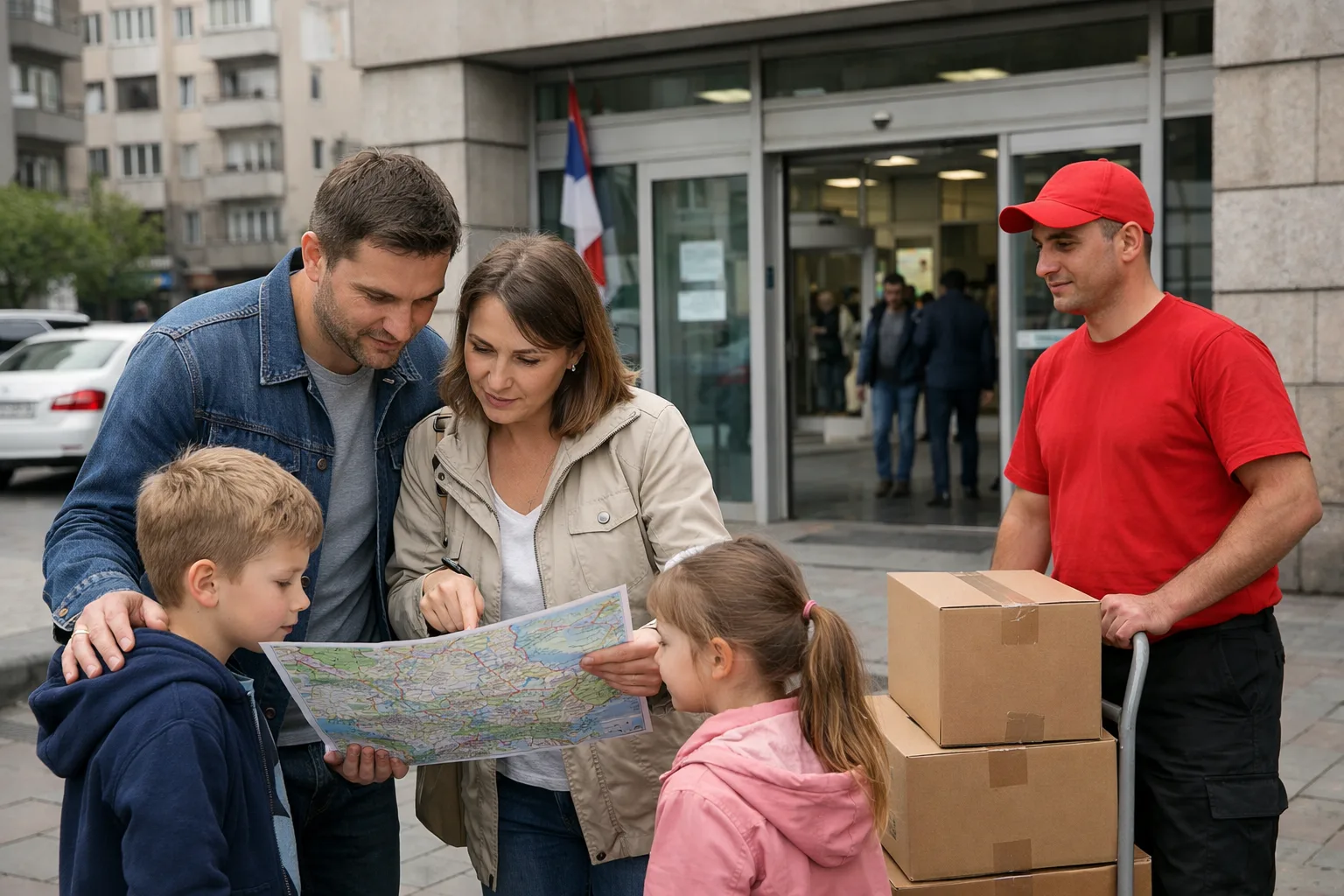
Thorough preparation is key to a successful move to Croatia. Besides legal documents, it is important to make a detailed list of items you plan to bring, as well as those you might purchase upon arrival. Consider whether you will use professional moving services or organize transport yourself. Also, research local weather conditions and adjust your moving schedule to avoid unfavorable periods, such as winter months when roads can be difficult due to snow or ice.
Budgeting is one of the most important aspects of planning. In addition to transport and accommodation costs, include expenses for adapting to the new environment, such as buying furniture, school textbooks, sports equipment for children, and similar items. Also, keep in mind that you may need an additional financial reserve for unexpected situations, like emergency medical expenses or apartment repairs.
Gathering information about your destination should also include familiarizing yourself with local customs, language, and culture. Visit forums and social media groups where people who have already gone through the moving process to Croatia gather. Additionally, contact local institutions and embassies for the latest information on laws and procedures. This will help you avoid potential problems and better prepare for life in your new environment.
For European Union citizens, staying in Croatia is simplified, but it is important to register your residence if you plan to stay longer than 90 days. Registration is done at the local police department or foreigner center, and the application must include a valid passport or ID card, as well as proof of address, such as a rental agreement or property deed.
Families from outside the EU face more complex procedures that include obtaining visas, work permits, and residence permits. It is recommended to start the process as early as possible, as it can take several months. Required documentation includes employment certificates, proof of financial stability, health insurance, and possibly certificates of no criminal record. Seeking assistance from a legal advisor or specialized agency can significantly ease this process.
For children, it is necessary to obtain certificates of previous schooling and health records. Croatia has compulsory primary education, so it is important that children are enrolled in school within the timeframe prescribed by local authorities. Also, check whether school documents need to be translated and certified, and whether there are special programs for foreign children, which can help their integration into the education system.
Choosing housing is one of the most important factors for a successful family relocation. Cities like Zagreb, Split, and Rijeka offer a wide range of housing options, but it is also important to consider smaller communities that can provide a quieter and safer environment for children. It is recommended to visit several potential locations before making a final decision, familiarize yourself with the surroundings, availability of schools, kindergartens, healthcare facilities, and other essential amenities.
Buying property can be a more cost-effective long-term option but requires thorough knowledge of the market and legal aspects. Renting is a more flexible option, especially if you are unsure about the length of your stay. When signing a lease agreement, pay attention to the contract duration, termination conditions, deposit amount, and maintenance responsibilities for the apartment or house. Real estate agencies can assist in finding accommodation and negotiating with landlords.
Neighborhood safety and access to public transportation are key factors for quality of life. Check if there are parks, sports facilities, and other amenities for children nearby. Also, inquire about parking availability if you own a car. All this information will help you make the best decision for your family.
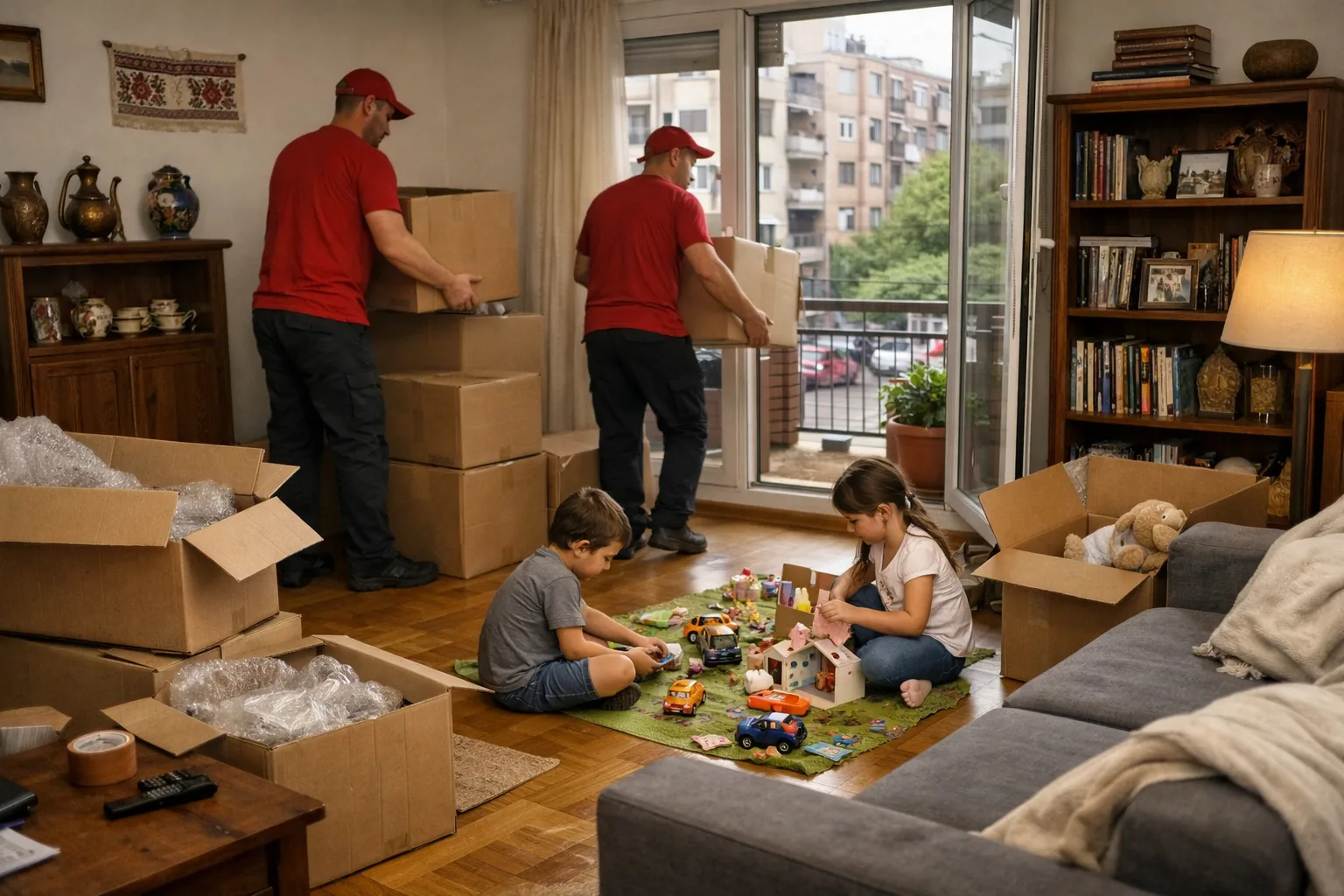
Organizing the transport of luggage and belongings requires careful planning. Professional moving companies experienced in international relocations can significantly ease the process, as they are familiar with all procedures, including customs formalities. If you plan to move from Serbia to Croatia, we recommend considering hiring moving experts from Serbia to Croatia who will handle all the details and ensure a smooth border crossing. Before hiring, check references and experiences of other clients to choose a reliable partner.
Customs regulations are especially important if you are coming from outside the European Union. Although Croatia is an EU member, certain items may be subject to customs duties or restrictions. Before moving, make a list of items you plan to bring and consult customs authorities or the moving company about rules and required documentation.
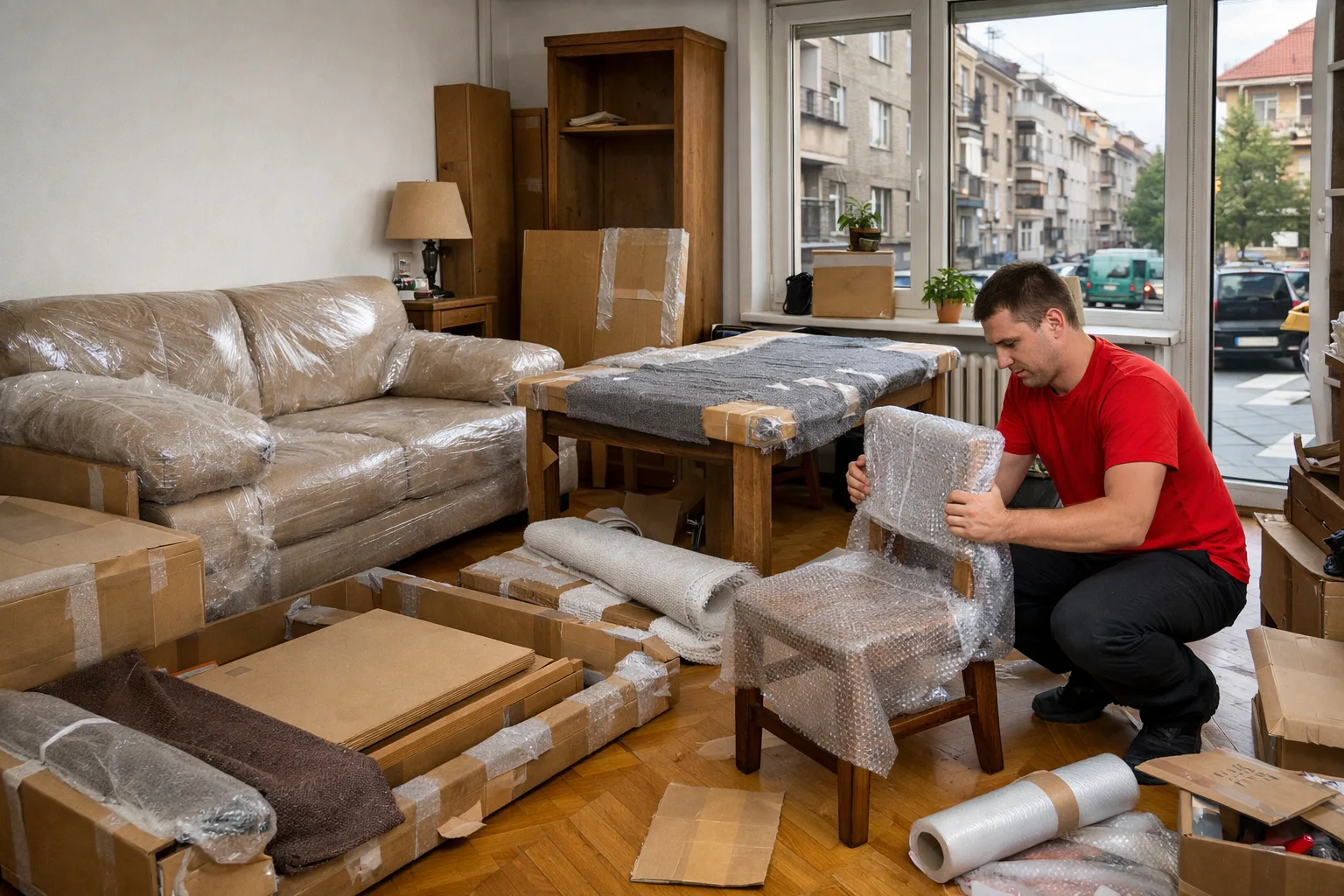
When packing, it is important to carry valuable and personal items such as documents, money, and electronic devices with you in your hand luggage. For other items, it is recommended to use professional packing services for moves to ensure your belongings are safely packed and ready for transport. Boxes should be clearly labeled by room and contents, and making a detailed inventory is advised. This will help you organize unpacking more easily and quickly find necessary items upon arrival.
Moving to a new country can be emotionally challenging, especially for children leaving familiar surroundings and friends. It is important for parents to provide support and openly discuss feelings and expectations. Involving children in local activities, sports clubs, and workshops can help them make new friends and develop a sense of belonging.
Enrolling children in school or kindergarten is a crucial step in the integration process. The Croatian education system offers various programs, including schools with instruction in English in larger cities, which can ease the transition for children who do not speak Croatian. Additionally, extracurricular activities and language courses can help children adapt faster and acquire new skills.
Parents can actively participate in local communities through various clubs, NGOs, and events aimed at foreign nationals. This not only facilitates networking and experience sharing but also contributes to a better understanding of local culture and customs, which is essential for successful integration.
The Croatian education system is well-organized and includes compulsory primary education lasting eight years. Besides public schools, larger cities have international schools offering instruction in English or other languages, which can be a significant advantage for children of foreigners. Make sure to inform yourself about enrollment deadlines and required documentation in advance.
For healthcare, upon arrival it is necessary to register at the local health center and obtain a health card. EU citizens can use the European Health Insurance Card to access public health services, while others must have private health insurance until they qualify for public healthcare. Regular medical check-ups and vaccinations are mandatory for children, so it is important to have all necessary medical documents.
In addition to public healthcare institutions, Croatia has a network of private clinics offering faster services but at higher costs. It is recommended to inquire about the availability of pediatricians, dentists, and specialists in your place of residence, as well as emergency medical services.
The cost of living in Croatia varies depending on location and lifestyle. Zagreb and coastal cities like Split and Rijeka are more expensive, especially regarding housing and services, while smaller communities are more affordable. It is important to create a realistic monthly budget that includes all basic expenses such as rent, utilities, food, transportation, and children's education.
In addition to basic costs, consider additional expenses such as administrative fees, health insurance, and costs for children's extracurricular activities. Also, keep in mind that you may need a financial reserve for unforeseen situations. Planning your budget in advance will help you avoid financial stress and manage your funds more effectively.
Opening a bank account in Croatia is recommended as it facilitates payments and financial management. Most banks offer services in English, which can be very helpful for foreign nationals. Additionally, inform yourself about tax obligations, possibilities for tax refunds, and any subsidies or benefits you may be entitled to as a new resident.
Croatia is generally a safe country to live in, but it is important to follow basic safety measures, such as locking doors and windows, especially in urban areas. Also, pay attention to your personal belongings on public transport and in crowded places to avoid petty theft.
Familiarizing yourself with local traffic rules is essential, especially if you plan to use a car. Children should be taught basic behavior rules at school and on the street, as well as emergency numbers (112 for police, fire brigade, and ambulance).
Learning the basics of the Croatian language significantly eases everyday communication with neighbors, schools, and local institutions. There are numerous courses, workshops, and apps that can help you master the language in a practical and interactive way. Visiting local markets and shops is also a great way to get acquainted with the specifics of Croatian cuisine and culture, which contributes to faster integration and a sense of belonging.
How to Pack Furniture for a Move to Germany?
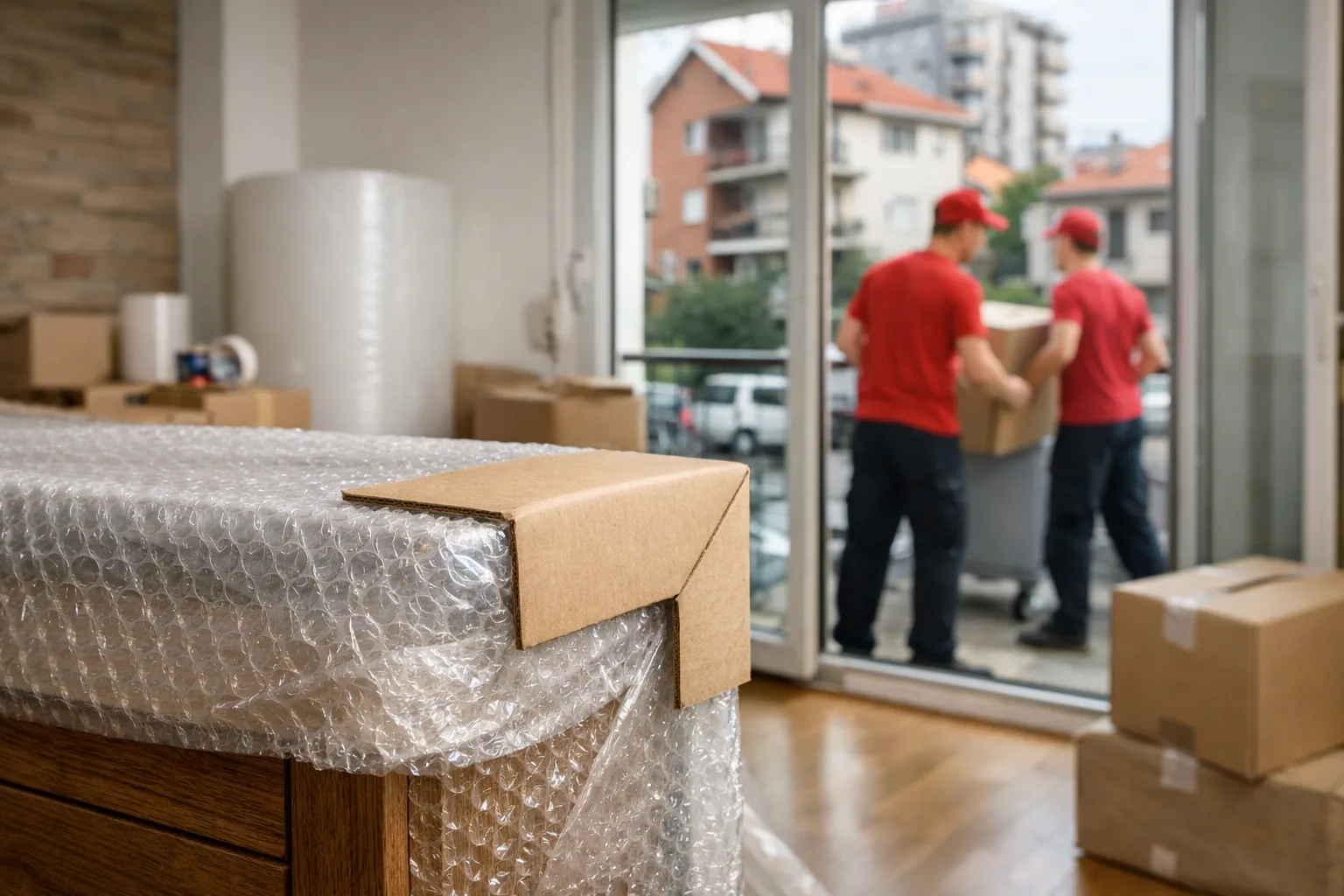
How to Move Furniture from Abroad to Serbia

Common Mistakes Made During International Moves
How to Save Money on an International Move?
We will respond to you as soon as possible.
This section answers the most important questions that arise when planning and executing a move to Croatia with your family. Each question covers specific aspects of the process to help you be as well-prepared as possible.
The most important documents include passports for all family members, residence permits or visas depending on your nationality, proof of address, school enrollment certificates for children, and health records. Additionally, for longer stays, it is necessary to register your residence with local authorities.
After arriving in Croatia, you need to contact the local school or school administration and submit an enrollment application. Documentation of previous schooling and health records will be required. In larger cities, there are also international schools with instruction in English that may be suitable for foreign children.
It is not mandatory, but highly recommended to learn the basics of Croatian. This facilitates everyday communication, integration into the local community, and accessing rights in education and healthcare. There are numerous courses and online resources tailored for beginners.
It is recommended to hire a professional moving company experienced in international relocations. Proper packing, labeling, and insurance reduce the risk of damage. It is also important to check customs regulations and possibly engage a legal advisor for specific procedures.
Children may struggle due to changes in school, language, and social environment. It is important to provide support, involve them in extracurricular activities, and facilitate making new friends. Parents should be patient and actively participate in the integration process.
EU citizens can use healthcare services with the European Health Insurance Card. Others must have private health insurance until they gain access to public healthcare. Upon arrival, registering at the local health center is mandatory to obtain a health card and access services.
Popular and family-friendly neighborhoods in Zagreb include Dubrava, Maksimir, and Trešnjevka. They offer a good balance of school accessibility, parks, transportation connections, as well as safety and a quieter atmosphere suitable for children.