
Tips for moving a company
7 Tips for a Successful Company and Office Move
7 Tips for a Successful Company and Office Move

Enter at least 3 characters.
Relocating office equipment from Germany may seem like a complex task, but with the right approach and good organization, it can be stress-free and damage-free. In this guide, we will provide you with practical advice on packing, transportation, and organizing the entire process. You will learn how to protect technical equipment, documentation, and furniture, as well as how to avoid common mistakes during the move. Our goal is to simplify the entire process and ensure your office is ready to operate in the new space without delays or issues. In addition to the basic steps, we will focus on details that can often be crucial for a successful move, such as proper labeling of boxes, coordination with moving services, and employee preparation. We will also address the specifics of international transport, including customs procedures and logistical challenges, so you are fully prepared for every segment of the process.
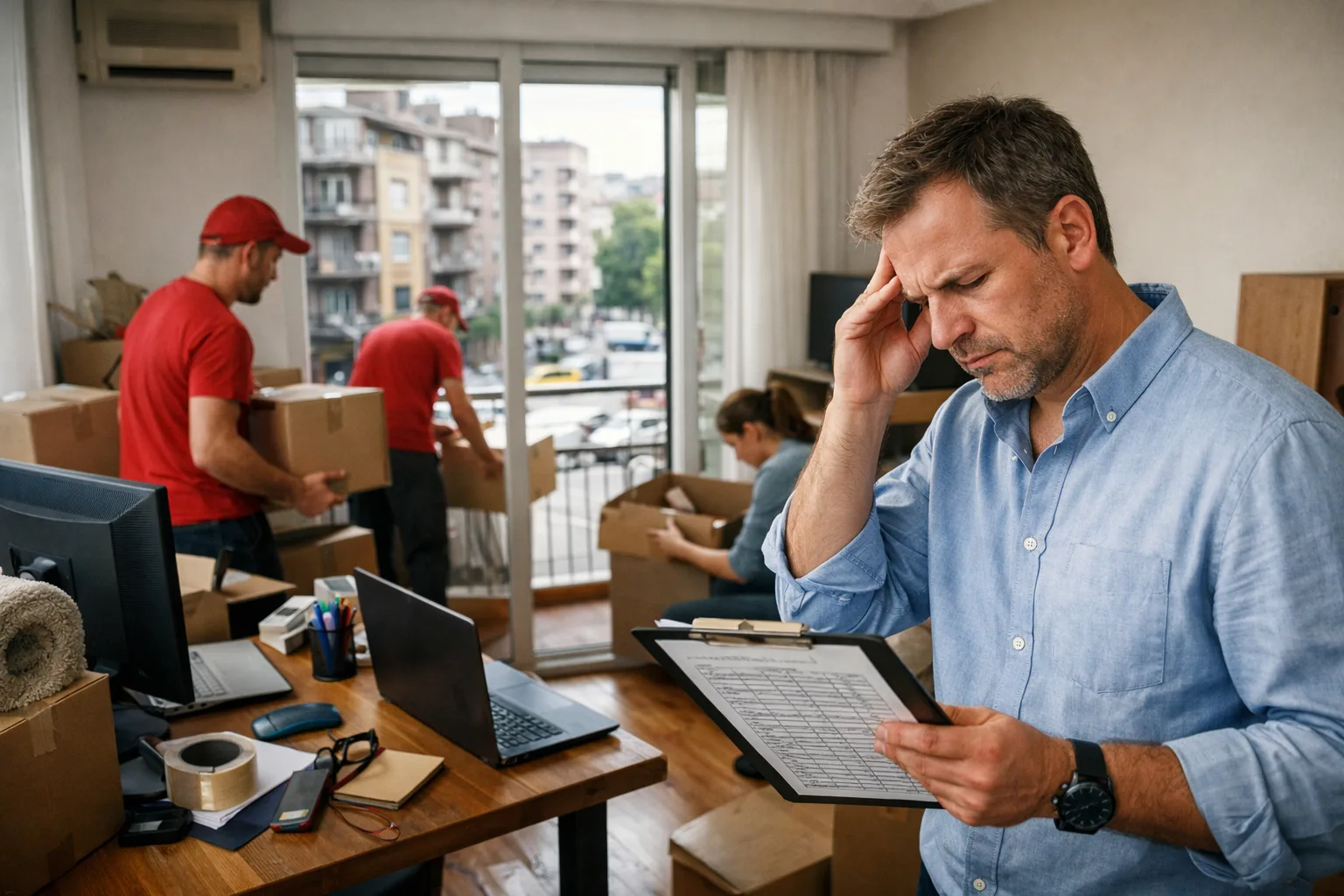
The first step in relocating office equipment is detailed planning. Make a list of all devices, furniture, documents, and other items to be moved. Assess which items are priorities and which require special attention or additional protection. For example, computers and servers require specialized packing and transport equipment. It is also important to estimate the volume of equipment to be moved so you can adequately plan the necessary resources and vehicles.
It is important to schedule the moving date in advance and inform all employees about the plans so that task redistribution can be organized and work interruptions minimized. Also, check that all necessary paperwork and permits are ready, especially if the move involves crossing national borders or customs procedures. Involving all relevant departments in planning can help identify potential issues and resolve them promptly.
During the planning phase, consulting with professional moving services experienced in international relocations can significantly reduce stress. For example, hiring a team specialized in moves from Germany to Serbia allows for equipment assessment, provision of appropriate packing materials, and planning transport in the most optimal way. Additionally, engaging experts enables better risk management and ensures compliance with all legal regulations and transport standards.
Electronic equipment such as computers, monitors, printers, and server devices require special care. Before packing, turn off devices and label cables to facilitate reconnection later. Use anti-static bags and specialized boxes with foam inserts or other shock-absorbing materials. It is recommended to take photos of device connections before disassembly, which can help during reassembly.
Monitors and screens are extremely sensitive to shocks and scratches. It is recommended to protect them with plastic wrap or special cushions, then place them in sturdy cardboard boxes or wooden crates. Fill any gaps in the packaging to prevent movement during transport. Also, avoid stacking heavy items on boxes containing electronic equipment to prevent breakage or damage.
Packing electronic equipment in large boxes with many different items is not recommended, as this increases the risk of damage. Instead, each component should have its own place and adequate protection. Also, label boxes with warnings such as "Fragile" and "This Side Up" for extra care during handling. Additionally, it is recommended that boxes with electronic equipment be transported under controlled temperature and humidity conditions to prevent condensation and damage.
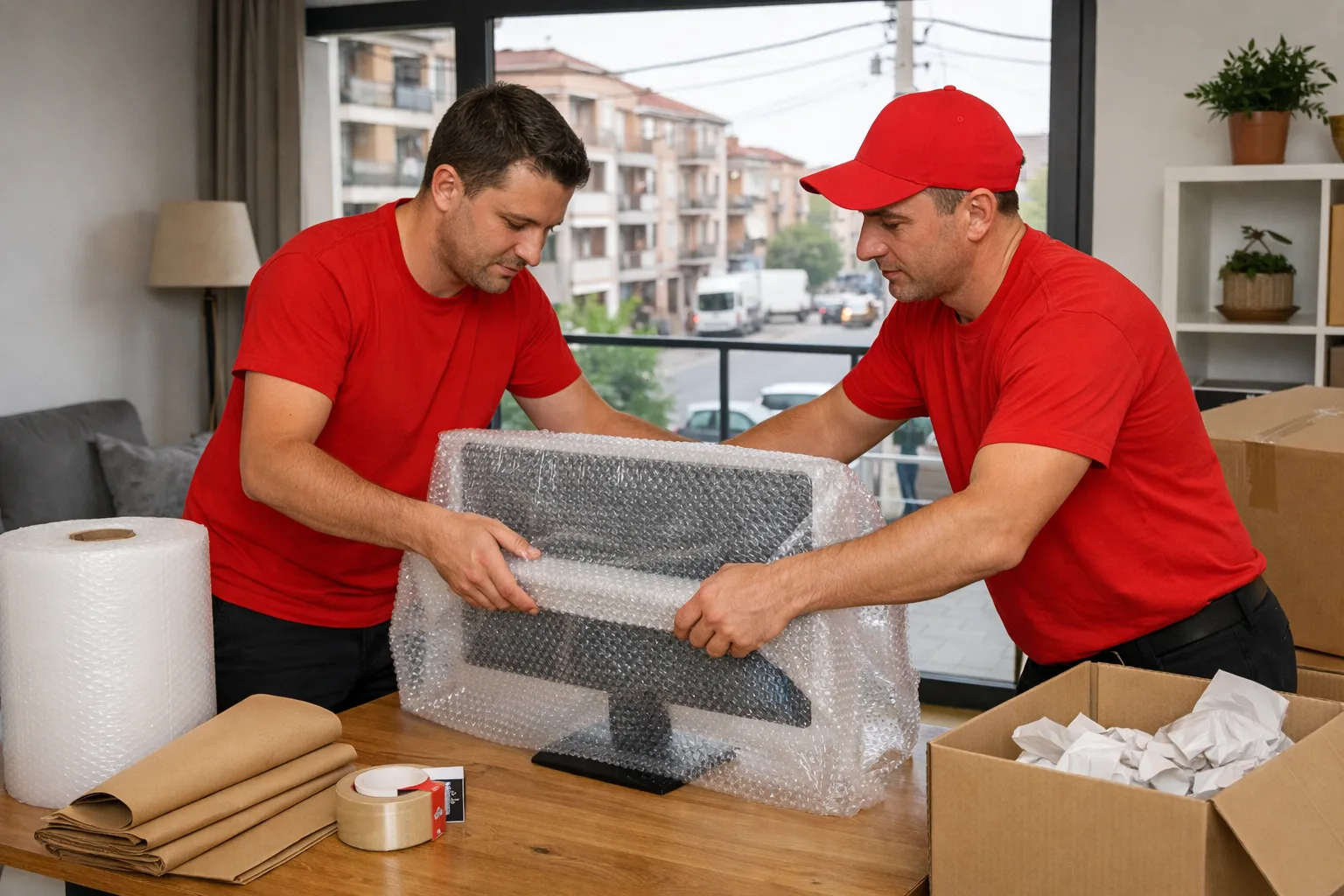
Office furniture such as desks, chairs, and shelves should be disassembled if possible. This facilitates transport, saves space, and reduces the risk of damage. When disassembling, keep all screws and parts in clearly labeled bags or boxes attached to the corresponding furniture pieces. It is recommended to take photos before disassembly to ease reassembly, and for added security and efficiency, you can hire experts for furniture assembly.
Use soft fabric, cardboard, or plastic wrap to protect surfaces. This is especially important for desks and shelves with glass or lacquered parts. For larger and heavier furniture pieces, consider using specialized covers or blankets that protect against scratches and impacts. Also, pay attention to the edges and corners of the furniture, as they are most susceptible to damage during transport.
If the furniture is too damaged or outdated, it might be better to replace it with new items after moving. Also, anticipate space in the new office and plan the layout in advance to ensure packing and unpacking proceed efficiently and without additional complications. Planning the layout may include consultations with employees to ensure the new space meets their needs and promotes productivity.
Documentation is often a crucial part of the office and must be protected from loss or damage. It is recommended to sort, digitize, and copy important papers before the move. Originals should be kept in a separate, secure box or case that you personally handle or transport with maximum care. A digital archive can serve as a backup in case of unforeseen circumstances.
Use waterproof folders and boxes to protect documents from moisture and dust during transport. If you have confidential or sensitive information, consider using safes or special lockable packages. Also, consider applying encryption to digital copies of documents for additional security.
When packing, clearly and precisely label boxes containing documents to avoid mistakes during unpacking. Also, keep an inventory of each box's contents, which will help with organization and quicker retrieval of necessary documents in the new office. It is also recommended to create a list with box locations to facilitate access to important documents upon arrival.
High-quality packing materials are key to the safety of your office equipment during the move. Use multi-layer cardboard boxes, bubble wrap, and special foam inserts that absorb shocks. Do not skimp on packing as it can lead to costly damages. If you want the entire process to be even easier, you can use the professional moving packing service. Also, choose environmentally friendly materials to reduce the negative impact on the environment.
For heavier and fragile items, choose wooden crates or reinforced boxes that provide extra protection. Also, be sure to label boxes according to their contents and handling requirements, such as "Fragile," "Heavy," or "This Side Up." Proper labeling helps workers handle items correctly and reduces the risk of improper treatment during transport.
It is wise to acquire labels or markers for clear box labeling. Also, plan and prepare spare packing materials in case you need additional boxes or protection during the packing process. Regularly check the condition of materials during packing to replace damaged or inadequate elements in time.
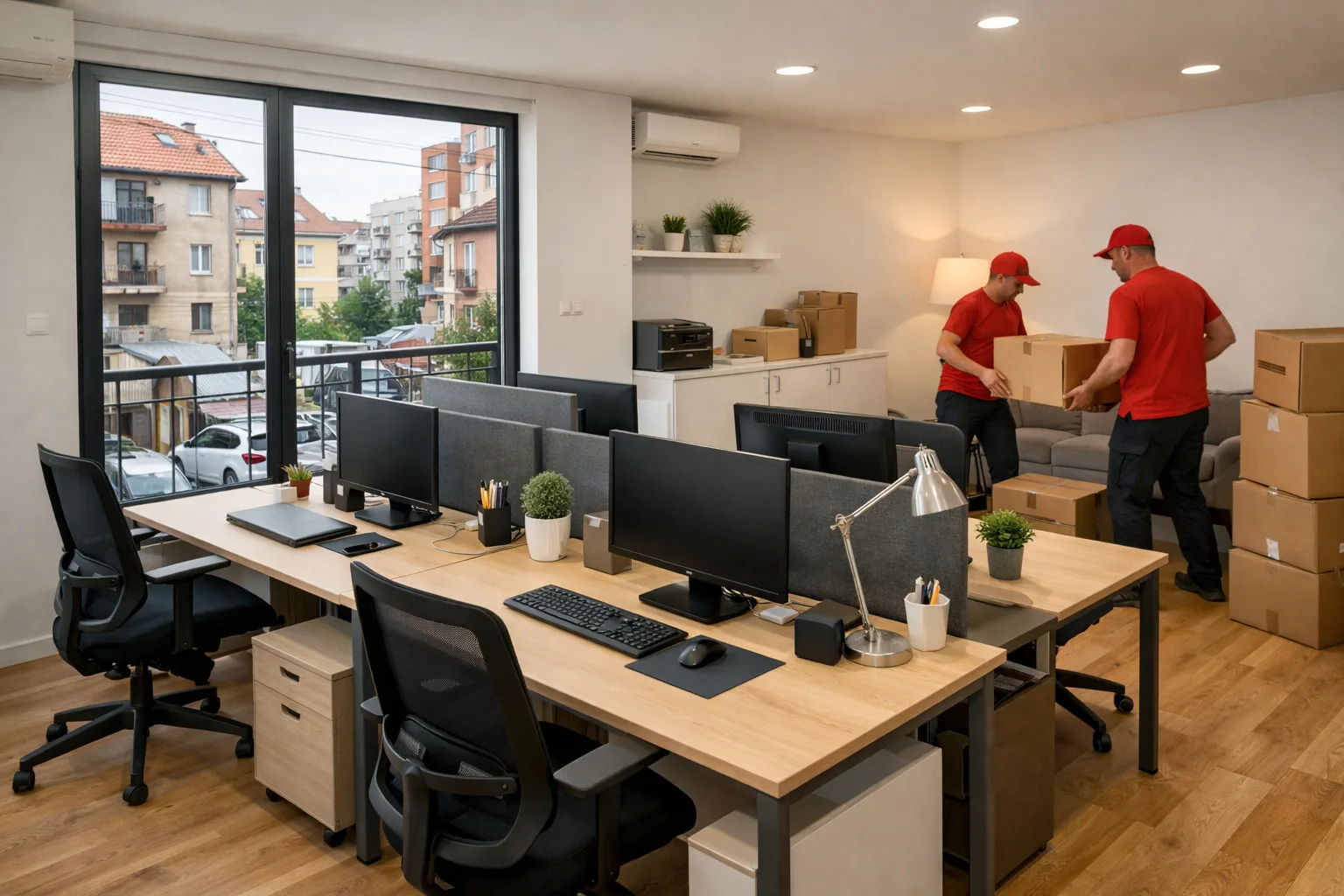
Loading office equipment should be organized systematically. Start with larger and heavier items that can be easily stabilized in the truck or container. Then pack smaller and more delicate items, ensuring they do not shift during transit. Use straps and other safety elements to secure the load and prevent movement and damage.
If the move involves crossing a national border, it is essential to have all necessary customs documents and permits prepared in advance. Customs agents can assist with paperwork and help avoid delays at the border. Also, check if there are specific requirements for importing office equipment into the destination country.
Consider hiring professional moving companies experienced in international transport. They have appropriate equipment and vehicles adapted for the safe transport of office equipment, as well as logistical capacities for route planning and real-time shipment tracking. For such needs, it is recommended to use international moving services, where insurance covering potential damages during transport can also be arranged.
Before the equipment arrives at the new office, it is important that the space is ready. Check that electrical, internet, and other service installations are functional and adapted to the needs of the equipment you are moving. Also, verify that outlets are properly distributed and that there are enough for all devices.
Organize the space so there is enough room for unpacking and assembling furniture and technical equipment. Plan the route through the building to avoid unnecessary obstacles and damage during entry. If possible, arrange for staff or movers to assist with efficient carrying and placement of equipment.
If possible, have the assistance of experts for assembling and installing technical equipment. This will speed up the process and reduce the risk of errors that may occur during self-assembly or device connection. Also, check that all necessary tools and materials are available before starting the assembly.
Unpacking should be systematic and planned. Start by unpacking sensitive electronic equipment and furniture that will be immediately needed for work. Follow the notes and labels you made during packing to quickly and accurately place everything in its proper spot. Organize a team responsible for unpacking to ensure the job proceeds efficiently.
When setting up computers and other equipment, check all connections, cables, and device functionality before fully installing them. This will allow you to detect any defects or damage caused during transport in time. Also, pay attention to proper device positioning to ensure good ventilation and access for maintenance.
If you have a larger number of employees, organize the workspace layout to enable efficient work and good communication. Don’t forget to inform technical support about the changes so they can provide timely assistance if needed. Also, plan short training sessions or introductions to the new space so employees can become productive as soon as possible.
7 Tips for a Successful Company and Office Move
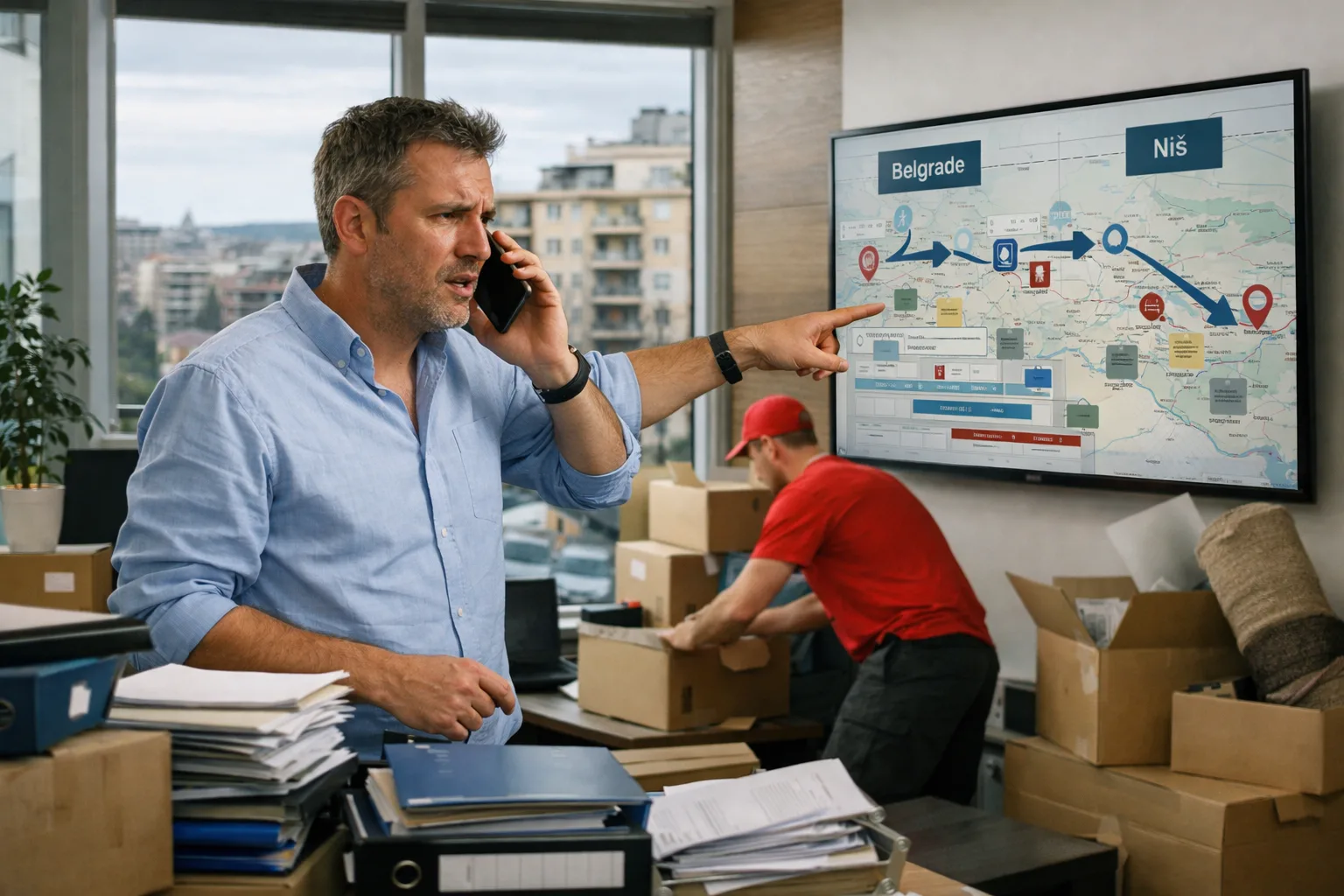
How to move a company from Belgrade to Niš quickly and easily?
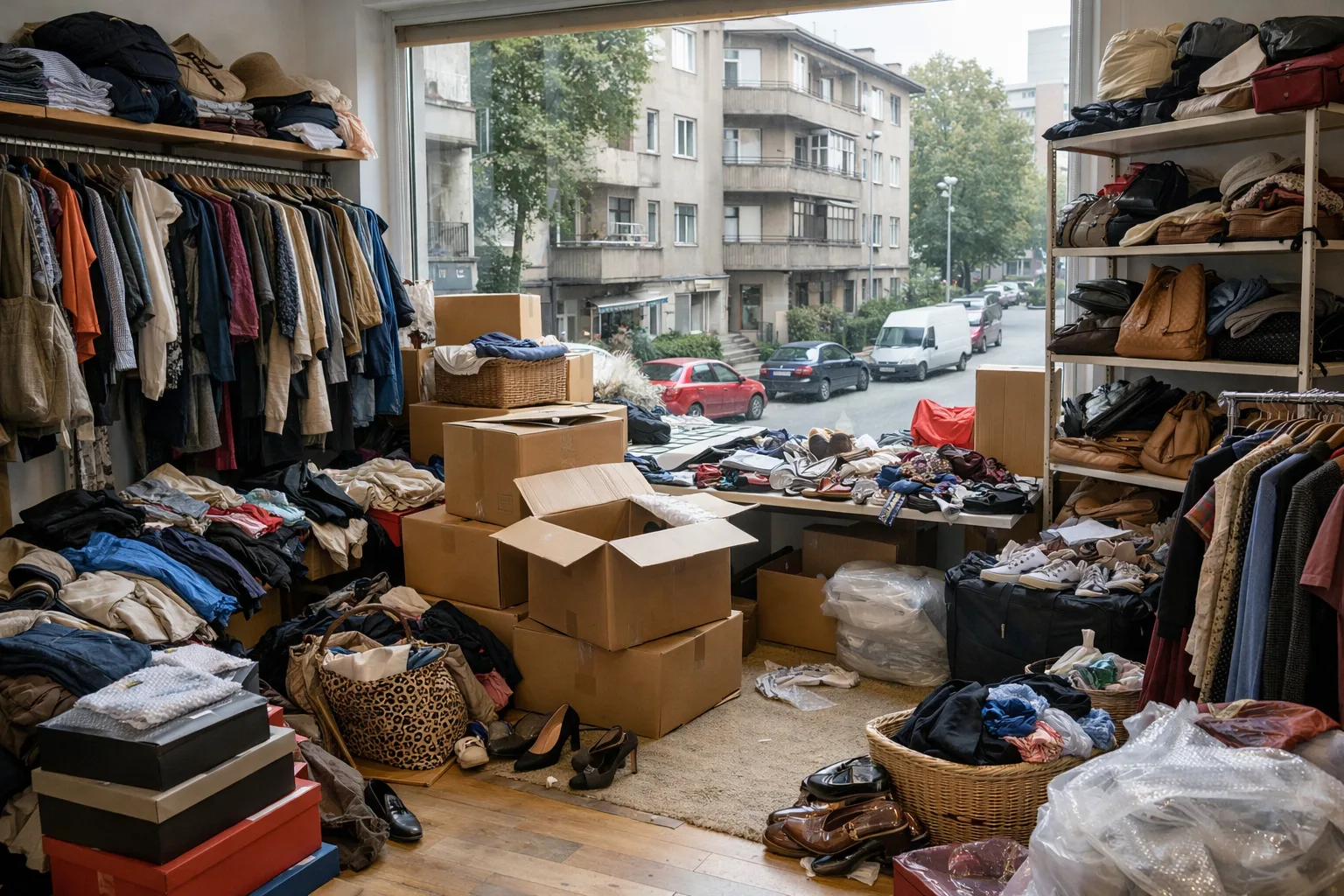
How to pack and move a boutique in Belgrade?
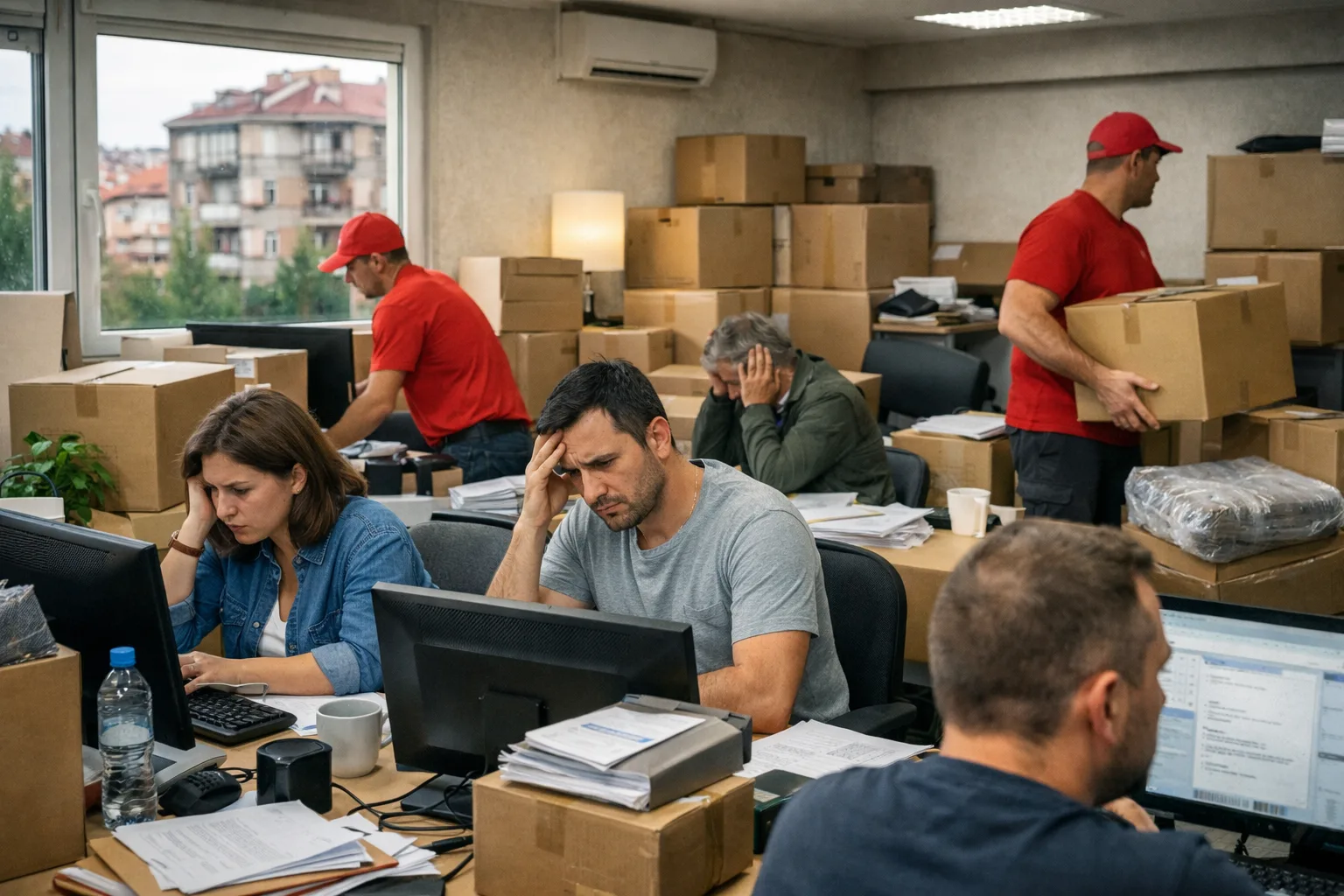
How to move a company without shutting it down?
We will respond to you as soon as possible.
Below we answer the most common doubts and specific issues faced by those planning to move office equipment from Germany. These answers will help you avoid mistakes and ease the moving process.
Computers should be packed in anti-static bags and placed in boxes with foam inserts or special cushions that absorb shocks. Also, cables and accessories should be separately labeled and packed. It is important that boxes are clearly marked as fragile and that heavy items are not placed on top of them.
For customs clearance, invoices, equipment lists, ownership certificates, and export permits are usually required. It is recommended to consult with a customs agent or a professional moving company that can assist with preparing and verifying the documentation.
Professional moving companies have experience, appropriate equipment, and knowledge for safe and efficient transport of office equipment, especially for international moves. Organizing the move independently can save money but carries a higher risk of errors and damage.
Plan unpacking by priorities: first sensitive equipment and the most important furniture. Use the labels on boxes made during packing to quickly find what you need. If you have technical support, involve them as early as possible in the equipment setup process.
Label each cable and accessory with a number or mark corresponding to the device it belongs to. Pack them in separate bags or small boxes that you can attach to the main device or place in the same box. This will prevent loss and make reconnecting the equipment easier.
The best materials include bubble wrap, anti-static bags, foam inserts, as well as sturdy boxes or wooden crates for heavier or fragile items. It is important to use multilayer protection to minimize the risk of impact or moisture damage.
Always have a backup plan and extra packing materials. Prepare all necessary documentation in advance and check legal requirements for crossing the border. Motivate the team to remain flexible and ready to adapt, and hiring experienced professionals can significantly reduce risks.