Furniture Transport Tips
Removal of old furniture and appliances to any address
Removal of old furniture and appliances to any address

Enter at least 3 characters.
Unloading the truck during a move is one of the most demanding and stressful parts of the entire process. Poor organization can lead to damage to belongings, injuries, or unnecessary delays. Therefore, it is important to carefully plan and execute the unloading using appropriate equipment and adhering to safety measures. In this guide, we will provide you with detailed advice and practical techniques to help ensure a smooth unloading, whether you are moving on your own or with professional assistance. Additionally, we will explain how to prepare the space, organize the order, use the right equipment, properly lift loads, protect belongings, as well as how to efficiently organize items after unloading and coordinate the team. We will also offer tips for handling unexpected situations that may arise during unloading.
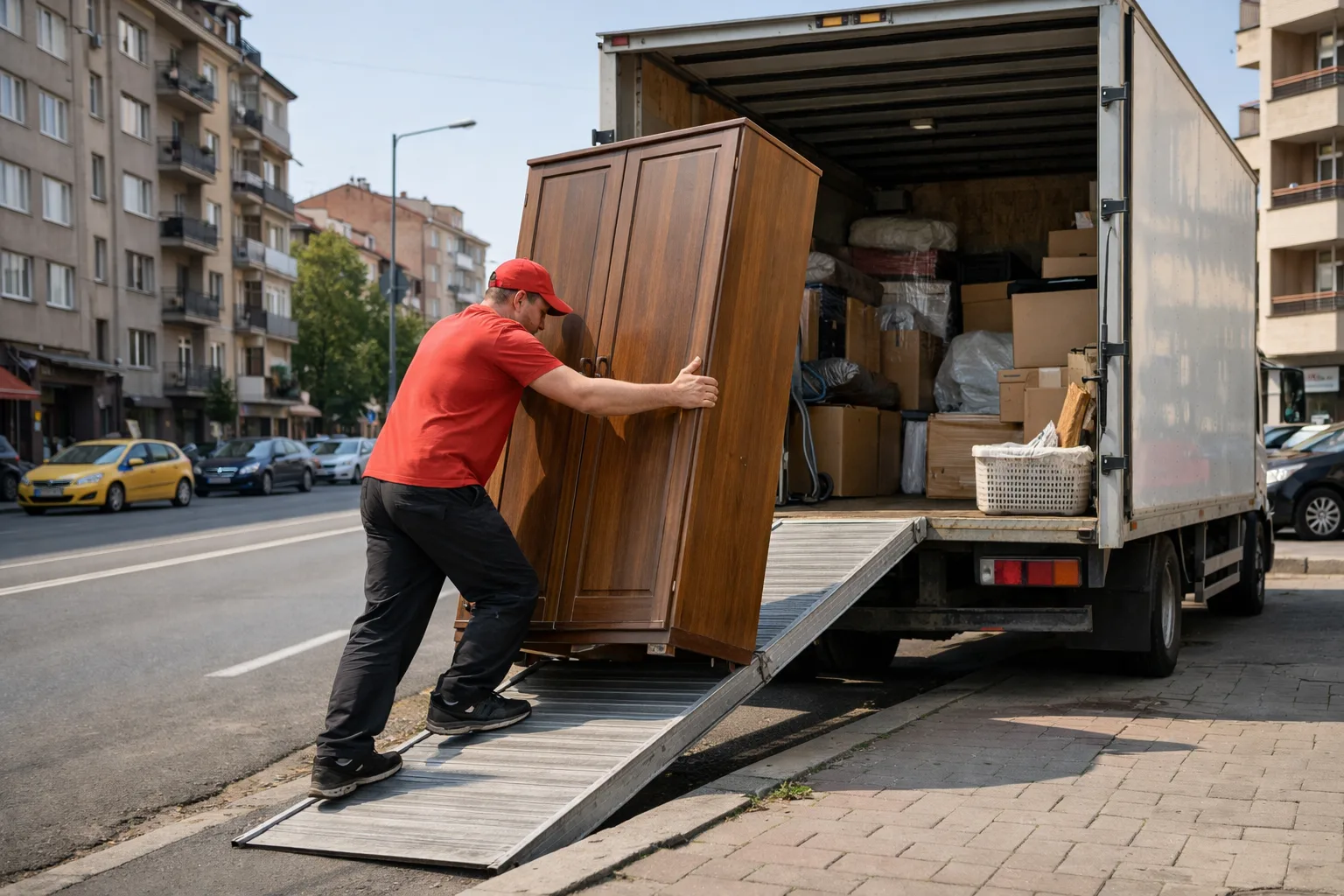
Preparing the space for unloading is a crucial step that can significantly affect the speed and safety of the entire process. Before you begin unloading, ensure there is enough space around the truck so items can be moved out and stored without obstruction. The area should be clean and accessible, free of obstacles that could cause falls or damage to belongings. If you are moving into an apartment building, it is important to check parking permits for the truck as well as any time restrictions for unloading to avoid fines or unnecessary delays.
Additionally, prepare the path from the truck to the storage area. Remove any objects that could obstruct passage, such as furniture, garden chairs, or other items. If necessary, mark the route with tape or markers so everyone involved in unloading knows where to move and place items. This is especially important if multiple people are involved or if there is a large volume of belongings.
Don’t forget to prepare all necessary unloading equipment, such as carts, pallets, ladders, or ramps, especially if you are dealing with multi-story buildings or uneven terrain. A good plan and organized space not only speed up the process but also significantly reduce the risk of injuries and damage to belongings.
Efficient organization of the unloading sequence can greatly simplify the entire process and reduce the time needed for the move. It is recommended to unload heavy and large items first, such as wardrobes, refrigerators, or large pieces of furniture, as they require the most attention and space. Place them in a stable and secure spot to prevent tipping or damage during unloading.
Leave lighter and smaller items for last, as they are easier to handle and don’t take up much space. Also, consider the logical arrangement of items in the truck before unloading — items you will need immediately after moving in, like basic kitchen supplies or bedding, should not be placed at the bottom of the truck to avoid having to search through other belongings.
If you have help from others, divide tasks and clearly explain the unloading order. For example, one person can be responsible for carrying boxes out, while another organizes items in the space. This improves coordination and speeds up the entire process while reducing the chance of mistakes and injuries.
Using appropriate equipment is crucial for safe and efficient unloading. Moving carts are essential tools that facilitate the easier transport of heavy boxes and items, reducing effort and the risk of injury. When choosing carts, pay attention to their load capacity and wheel quality, especially if you are working on uneven terrain or outdoor surfaces.
Pallets and raised platforms are useful for unloading large quantities of items, particularly if the truck has a high platform. Access ramps or ladders must be stable and secure, and you should always check their sturdiness and placement before starting work. This is especially important when unloading in multi-story buildings or locations with difficult access.
Don't forget personal protection – protective gloves shield your hands from cuts and blisters, while footwear with sturdy soles and anti-slip properties reduces the risk of falls and injuries. If you are unsure about your ability to lift heavy items, consider hiring professional movers or using additional lifting devices such as lifting straps or hoists.
Correct lifting and carrying techniques are key to preventing injuries, especially back and joint pain. When lifting, always bend your knees and use your leg strength rather than your back. Keep the load as close to your body as possible to reduce spinal strain and maintain better balance. Avoid sudden movements and twisting your torso while carrying items.
If an item is too heavy or bulky for one person, be sure to ask for help. Two or more people can carry heavy or large pieces of furniture more easily and safely. Before lifting, agree on how to hold the item and the pace to avoid accidents and damage.
Pay special attention when carrying items up or down stairs. Use handrails and wear non-slip footwear. Coordination with the person assisting you is essential – communicate and synchronize movements to prevent falls or collisions. Safety should always be a priority, so don’t rush and take breaks as needed.
Protecting items during unloading is important to prevent furniture damage, breakage of fragile items, and scratches. Use protective materials such as bubble wrap, thick blankets, old quilts, or special furniture pads. Wrap sensitive parts of furniture, especially edges and corners, to protect them from impacts. For extra security, you can also use professional packing services.
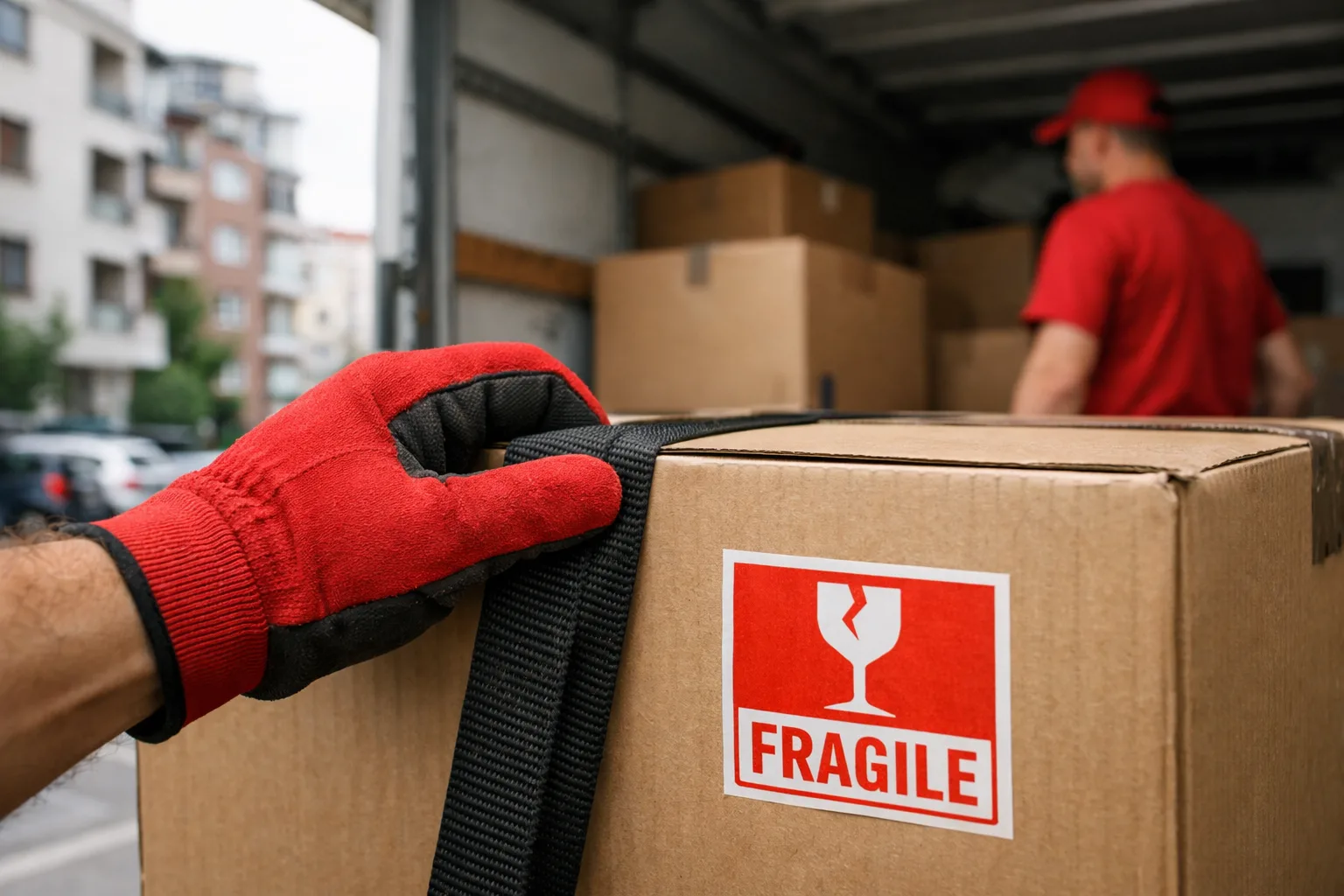
Boxes containing fragile contents must be clearly marked with labels like "fragile" or "handle with care" and treated accordingly. Do not place them under heavy items or in areas where they might fall. For added safety, line the inside of boxes with paper, styrofoam, or other shock-absorbing materials.
Also, be mindful of floors and walls in the space where you are bringing in items. Use protective tapes, cardboard, or special mats in areas at risk of scratches or damage, especially in new or delicate spaces. This extra care can save you time and money on later repairs.
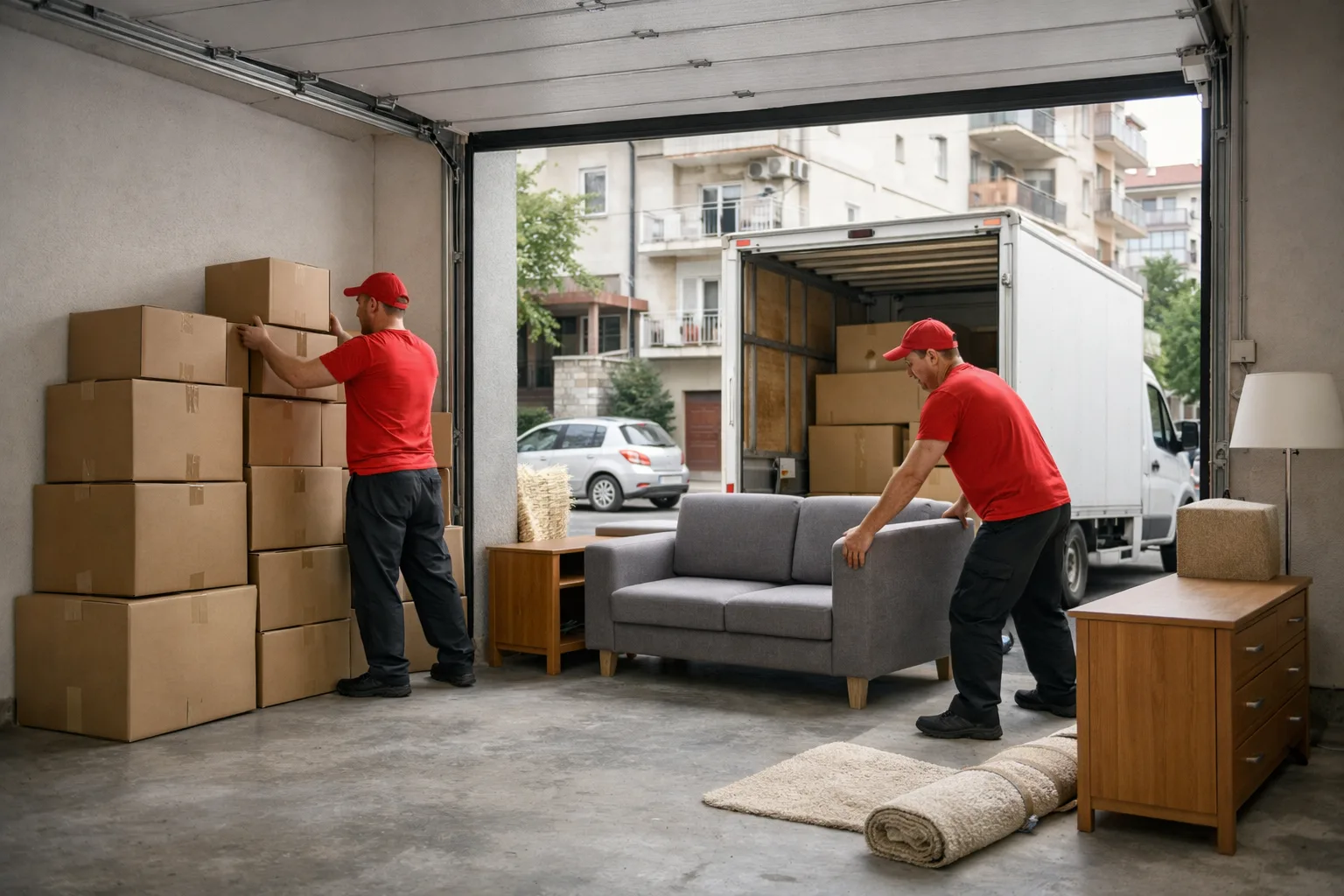
After unloading items from the truck, it is important to organize them immediately in the space to make unpacking as simple and quick as possible. Start by placing large pieces of furniture in their planned locations, freeing up space for arranging boxes and smaller items.
Sort boxes by rooms or purpose, using clear labels or stickers with content names or destinations within the apartment or house. This will help you know exactly where everything goes during unpacking and reduce the time spent searching for needed items.
Take the opportunity to check the condition of items right away and note any damages, especially if you hired a moving service. Timely reporting of damages can assist you in claiming compensation. Good organization after unloading reduces stress and speeds up the moving-in process, making it more pleasant and efficient.
If you have help from a professional team or friends, it is very important to clearly define each team member’s roles and tasks before starting the unloading. For example, one person can be responsible for coordination and supervision, while others carry heavy items or organize things in the space. Clear task division reduces confusion and speeds up the work.
During unloading, communication is key. Use simple and clear commands, inform others of your intentions, especially when carrying large or heavy items. This helps avoid accidents, injuries, and damage to items, while enabling the team to work more efficiently and safely.
Don't forget to take regular breaks and avoid overexertion, as fatigue can lead to mistakes and injuries. A good team spirit, mutual support, and a positive atmosphere contribute to a more efficient and pleasant unloading process, which is especially important for larger and more demanding moves.
Various problems can arise during unloading, such as unforeseen obstacles, damage to items, or lack of equipment. It is important to be prepared to react quickly and adapt the plan to the situation on site. Flexibility and calmness are key to successfully resolving issues.
If you encounter obstacles like narrow doors, staircases, or uneven terrain, consider alternative routes or ways to disassemble larger pieces of furniture. Always have basic tools for disassembly and assembly on hand, as well as additional equipment that can facilitate overcoming obstacles.
In case of item damage or injury, take necessary measures immediately. Report any damages if you used moving company services and provide first aid if someone is injured. Timely response and good preparation can prevent further problems and ensure the unloading proceeds as safely and efficiently as possible.
Removal of old furniture and appliances to any address
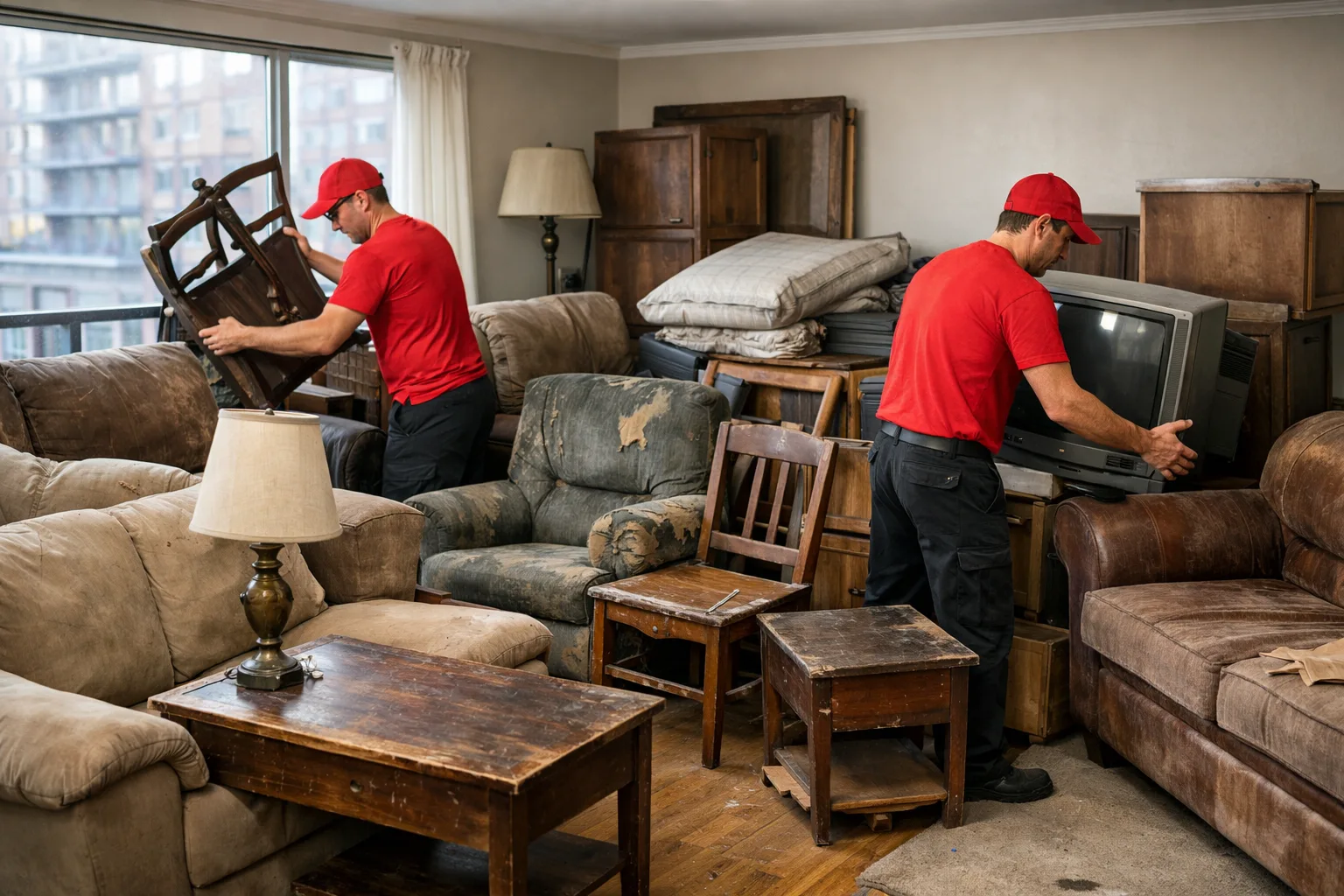
How to get rid of old furniture before moving?
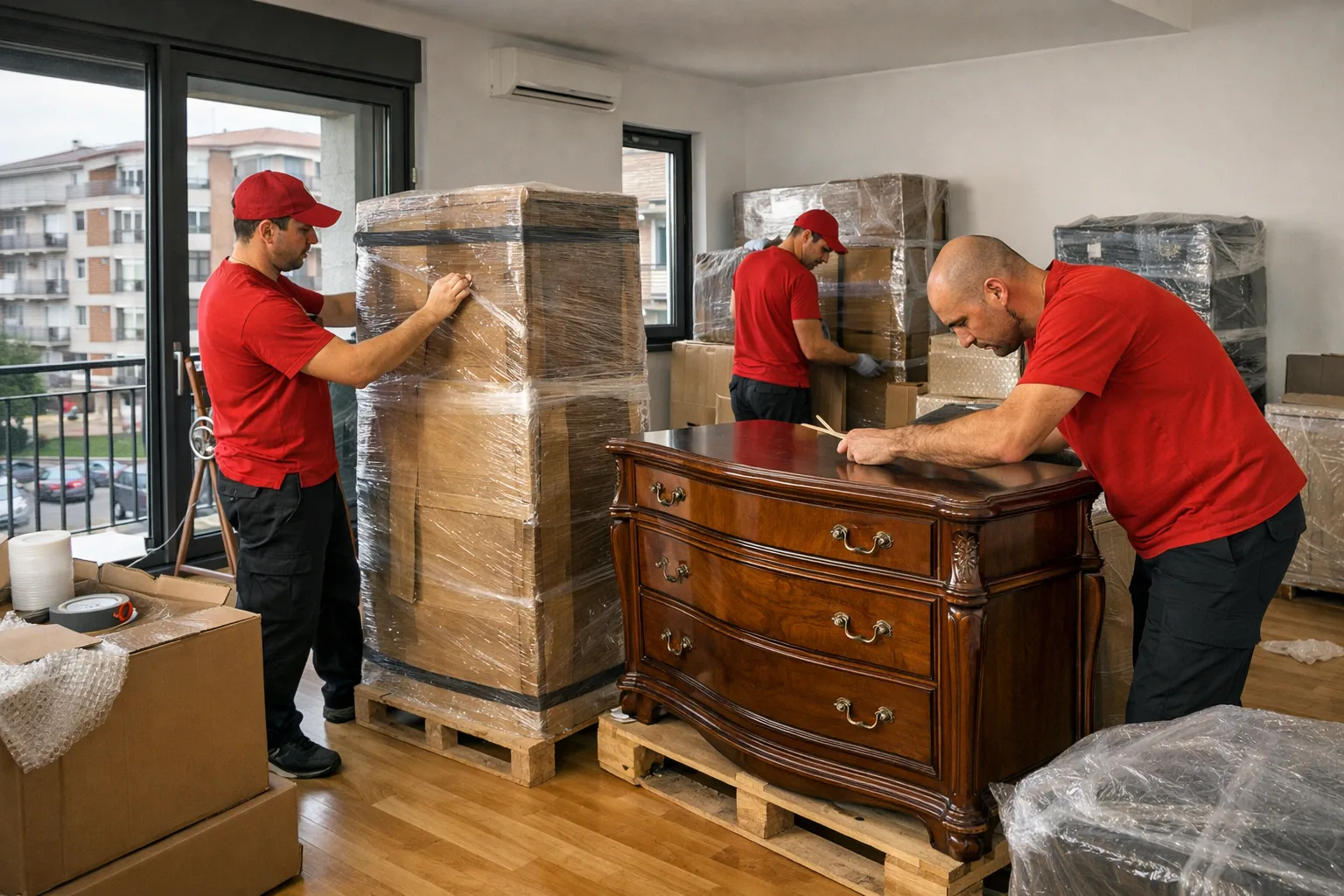
Furniture transport abroad or to storage - what to choose for international moving?
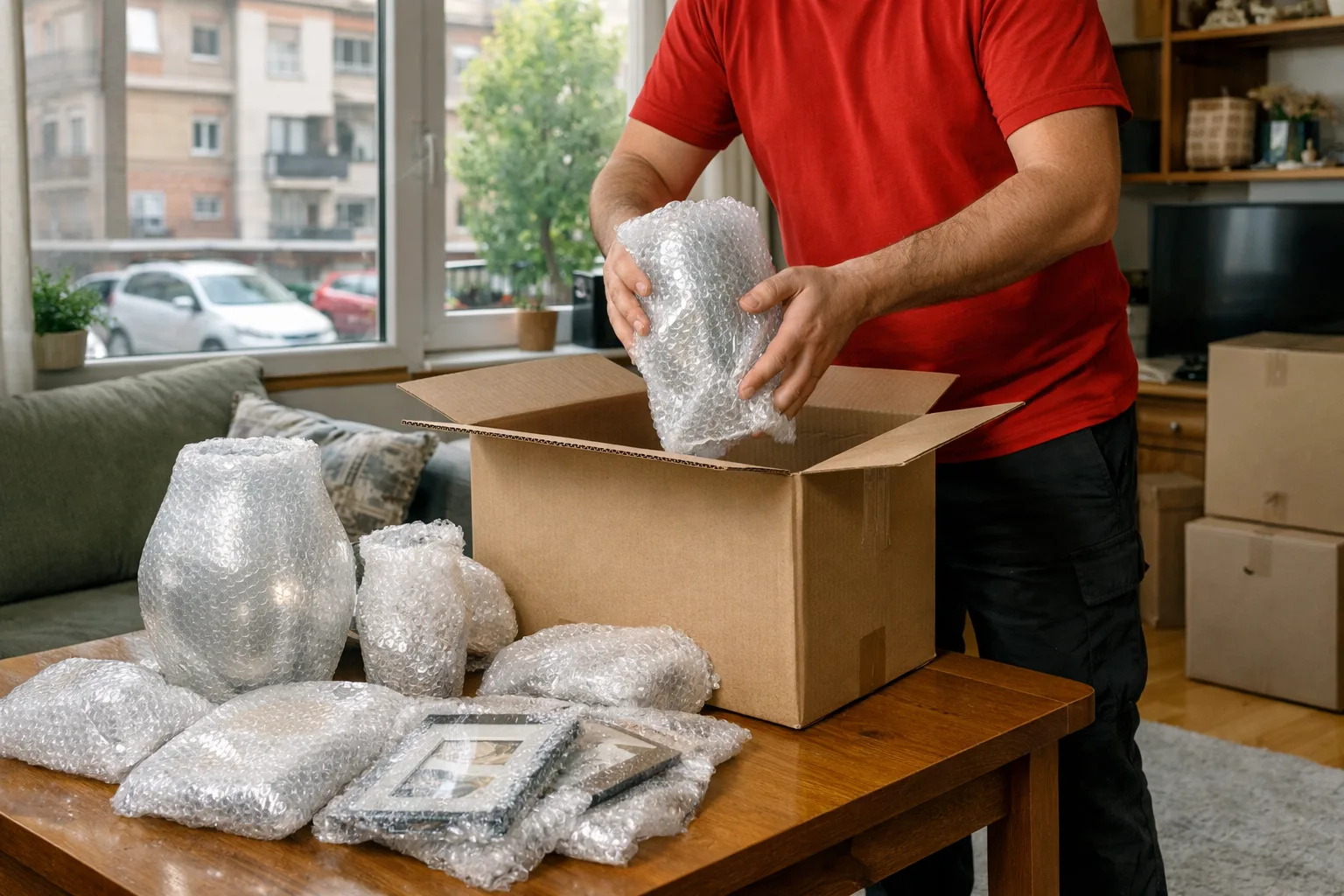
How to prepare your belongings for transport?
We will respond to you as soon as possible.
Below we answer the most common doubts and issues that arise during unloading a moving truck. These answers will help you avoid common mistakes and successfully complete this important part of the moving process.
To protect floors, use cardboard sheets, old blankets, or protective films in areas where there will be frequent walking or placement of heavier items. Also, carry items carefully and avoid dropping or bumping them, which can damage the floor.
The optimal number depends on the volume of items, but usually 3 to 5 people are sufficient. More people can speed up the job but often lead to misunderstandings and crowding if there is no good coordination.
If you don't have a dolly, try to rent or borrow one from friends. If that’s not possible, use other aids like strong straps for carrying or seek additional help to avoid injuries and damage.
When carrying heavy boxes alone, always bend your knees and use your leg strength, not your back. Hold the box close to your body and avoid sudden movements. If the box is too heavy, find a way to share the load or ask for help.
Heavy and large items should be placed at the bottom and near the door, while lighter and smaller boxes go on top and inside. Label boxes by rooms and priority of use so you can unload them in order without having to move them multiple times.
In that case, secure enough space nearby for temporary storage of items and use dollies or other means of transport for short distances. Plan extra time for moving items to the entrance so you don’t rush and risk injuries.
First, document the damage with photographs and notify all involved parties, especially if you are using a moving company. If you are moving on your own, try to repair minor damages or place them in a safe spot until you resolve the issue. It is important to stay calm and plan your next steps.