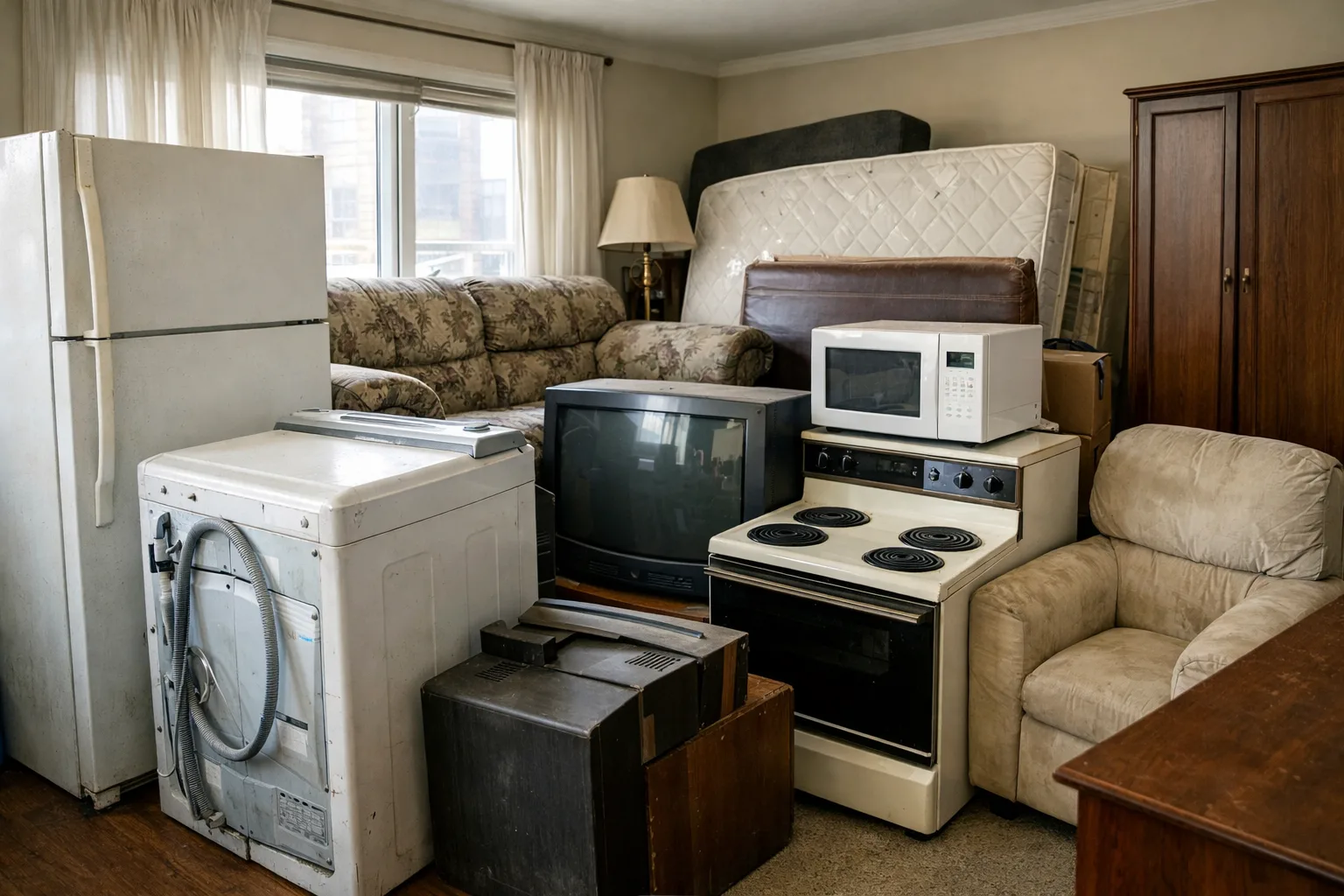
Furniture Transport Tips
Removal of old furniture and appliances to any address
Removal of old furniture and appliances to any address

Enter at least 3 characters.
Preparing items for transport requires careful planning and organization to ensure everything arrives at the destination undamaged. Whether you are moving an apartment, office, or sending valuable items, proper packing and protection are essential. In this guide, you will learn the steps to follow, practical packing tips and tricks, as well as how to avoid common mistakes during transport preparation. Additionally, you will discover how to efficiently use packing materials, label boxes for easier identification, and prepare for loading and transport, saving you time and reducing stress throughout the process.
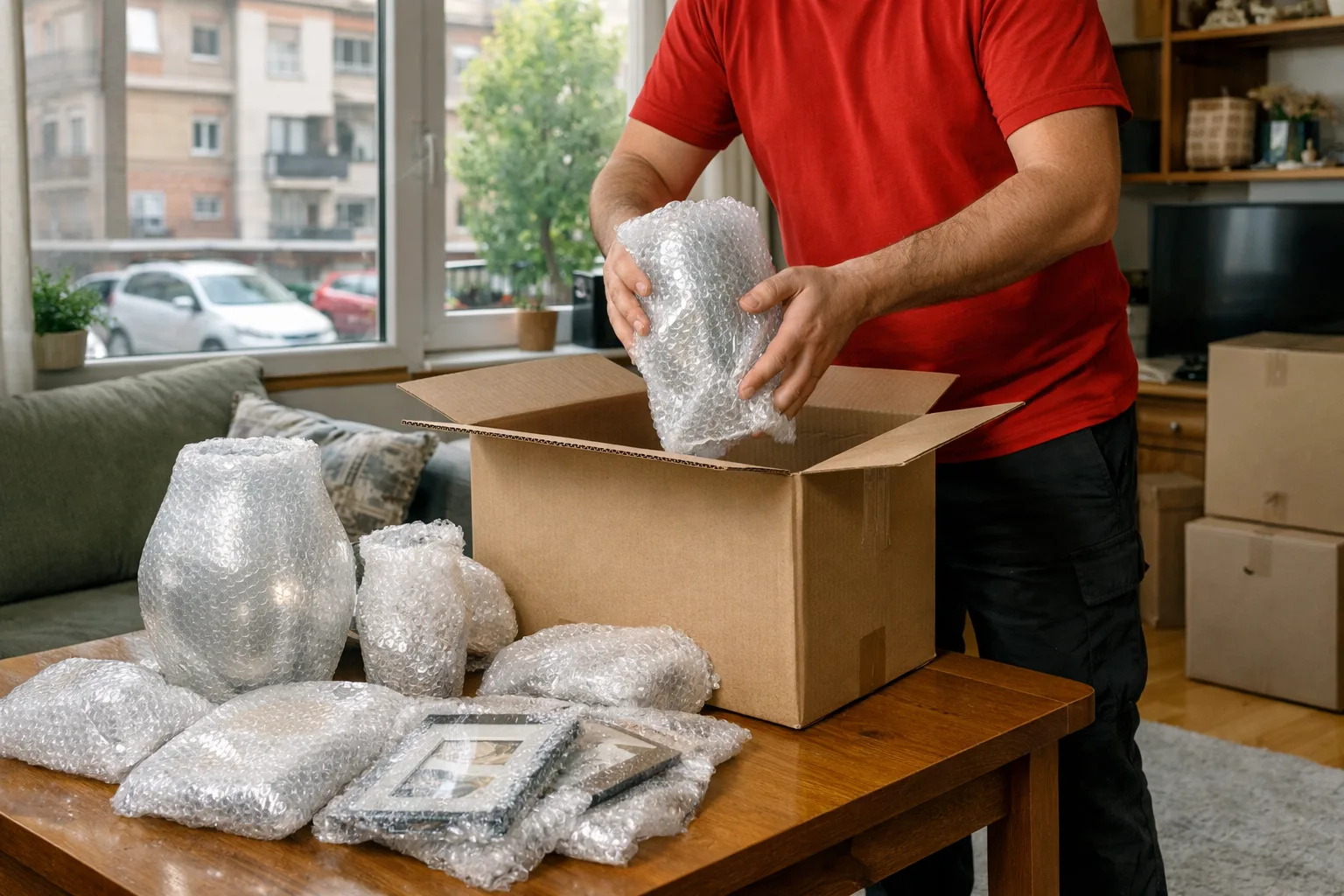
The first step in preparing items for transport is detailed planning. Make a list of all items to be packed and estimate how much packing material you will need. Organize items by rooms or categories, which will make later sorting and unpacking easier. It’s helpful to use digital tools or apps for making lists, which can assist in tracking and updating the list during packing.
It is important to determine the packing order in advance – start with items you currently need the least. For example, pack seasonal clothing or books before everyday items. Also, consider the timeframe of the move or transport to avoid rushing and damaging items. Planning your time also allows you to organize help from friends or hire professionals at the right moment.
If you have fragile or valuable items, plan how to protect them separately. Obtain appropriate materials such as bubble wrap or specialized boxes, and clearly label them for careful handling. Organization is key to a stress-free and damage-free transport. Also, consider whether it’s necessary to take photos of valuable items before packing, which can be useful in case of claims or insurance.
Quality packing materials are the foundation of safe transport. Sturdy cardboard boxes of various sizes should be clean and undamaged. To simplify the process, you can use moving boxes specially designed for this purpose. Use strong packing tape to seal and reinforce box edges. It is recommended that boxes are not too large to avoid overloading and damage during carrying.
To protect fragile items, soft materials such as bubble wrap, styrofoam, or packing paper are necessary. These materials cushion shocks and prevent damage during transport. Additionally, plastic bags or wraps can protect against moisture and dirt. When choosing materials, consider their environmental friendliness and recyclability.
Don’t forget markers or labels for marking contents and special warnings on boxes. It’s good to use different colors or symbols for easier identification and careful handling of sensitive items. You can also use transparent boxes for items you want to identify quickly, but keep in mind they are not always the most durable for heavier items.
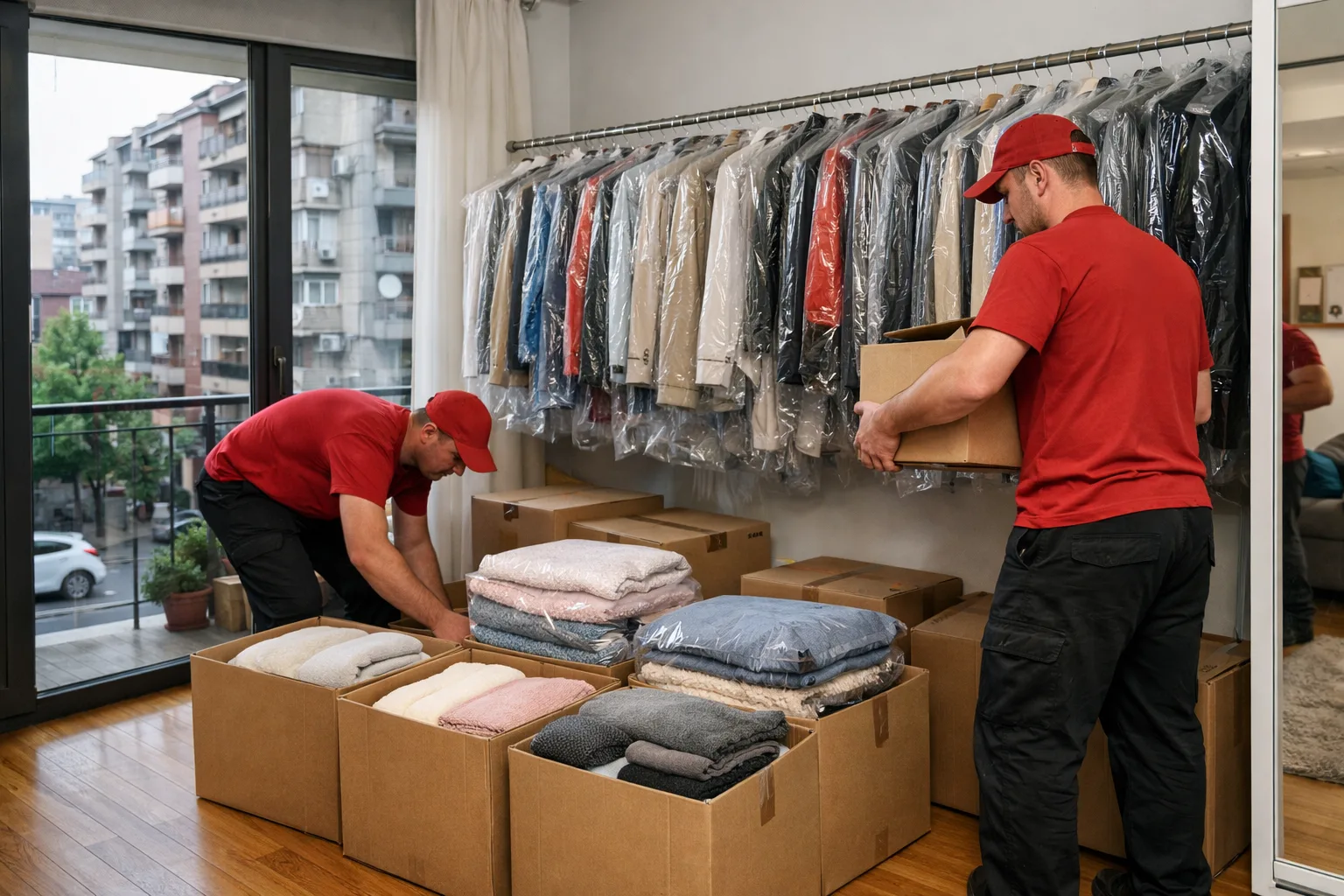
Fragile items such as glass, porcelain, and electronics require special care. First, wrap each item individually in bubble wrap or packing paper, paying particular attention to edges and corners. Place them in a box with additional protective layers between items. Use layers of styrofoam or paper filler to fill gaps and prevent movement during transport.
Use small boxes for heavy and fragile items to reduce the risk of shifting during transport. Fill the boxes with styrofoam or old paper to stabilize the contents. Don’t forget to clearly label the box as fragile and mark it with "this side up" labels if necessary. Also, consider wrapping the boxes in plastic wrap for moisture protection.
If the item is larger or unusually shaped, consider purchasing specialized boxes or boxes with compartments. This further reduces the chance of damage and makes handling easier during loading and unloading. In some cases, you can also use foam inserts or special cushions for additional cushioning.
You can pack clothing and textiles in several ways, depending on the quantity and type of garments. For seasonal or rarely used clothing, boxes or plastic bags with zippers that protect against dust and moisture are ideal. It is recommended to wash and dry clothes beforehand to avoid unpleasant odors or damage.
For delicate materials such as wool sweaters or silk items, it is advisable to wrap them in paper or fabric before placing them in boxes. This prevents wrinkling and fiber damage during transport. Also, avoid overpacking boxes to keep clothes in good condition.
You can also pack clothes on hangers or in special garment bags if you want to keep them wrinkle-free. This is especially practical for business suits and dresses you will use immediately upon arrival. When packing on hangers, make sure the bags are securely closed and do not shift during transport.
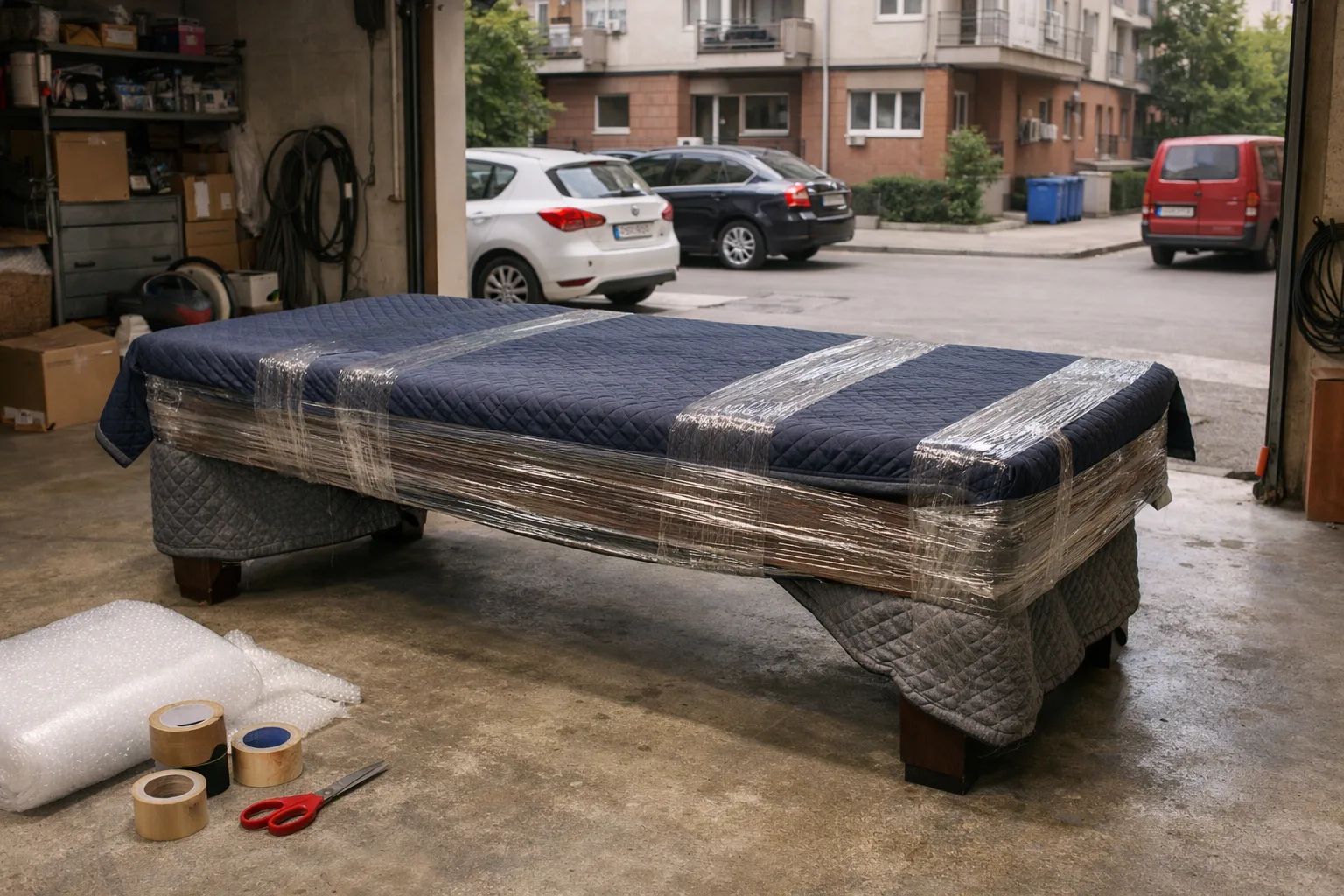
Furniture is often the biggest challenge when packing for transport. Before you start, disassemble everything that can be taken apart – remove legs, shelves, and drawers to make carrying easier and reduce the risk of damage. Keep all screws and small parts in labeled bags attached to the corresponding furniture pieces.
For protection, use thicker blankets, cotton covers, or special protective films that shield surfaces from scratches and impacts. Pay special attention to corners and edges, which are most prone to damage. You can also use adhesive protective tape that leaves no residue on surfaces.
Large and heavy items should be secured to prevent sliding during transport. If you hire a moving service with workers, be sure to inform them about the specifics of your furniture so they can prepare the appropriate equipment and protection. Also, consider using dollies or conveyor belts for easier movement of heavy pieces.
Clear labeling of boxes and items is essential for an efficient move or transport. Each box should have a room label and a brief description of its contents. This facilitates sorting and locating items at the new location. You can also use numbered stickers that correspond to your packing list inventory.
Use waterproof markers or labels that do not easily come off. If you have fragile items, clearly mark "fragile" and other important information such as "do not place heavy items on top." You can also use symbols or colors for additional visual cues, which is especially helpful if multiple people are involved in the move.
Keep an inventory of packed items – create a table or list with box numbers and contents. This will help you track items during transport and verify that everything arrived undamaged. Digital moving tracking apps can further simplify this process and allow sharing information with family members or moving services.
Before loading, check that all items are properly packed and ready for transport. Boxes should not be too heavy to carry easily, and furniture must be protected and stable. Also, verify that all packages are properly sealed and labeled.
Consider the arrangement of items in the vehicle – heavier boxes and items should be placed at the bottom, with lighter ones on top to avoid crushing and damage. Also, fragile items should be positioned where they won’t be exposed to strong impacts. Use straps or tie-downs to prevent movement during transit.
If you use a professional apartment moving service, communicate with them about the specifics of your transport. They will have the experience and equipment to safely transfer everything, but it is important that you are also prepared and organized. Also, check if the vehicle is adequately equipped for the type and quantity of items you are transporting.
Unpacking can be just as demanding as packing, so it’s important to keep everything well organized. Start with essential items and rooms you need immediately, such as the kitchen and bathroom. Plan your unpacking schedule to avoid chaos and unnecessary stress.
Use labels on boxes to easily find what you need. Don’t rush to unpack all boxes at once – spread the task out in phases to avoid stress and clutter. Involve family members or friends in the process to make unpacking faster and more efficient.
After unpacking, check that all items are undamaged and in their proper place. If you notice any damage, document it immediately if you plan to request compensation or replacement. Organization and systematic approach will ease your adaptation to the new space and help you feel at home quickly.
Removal of old furniture and appliances to any address
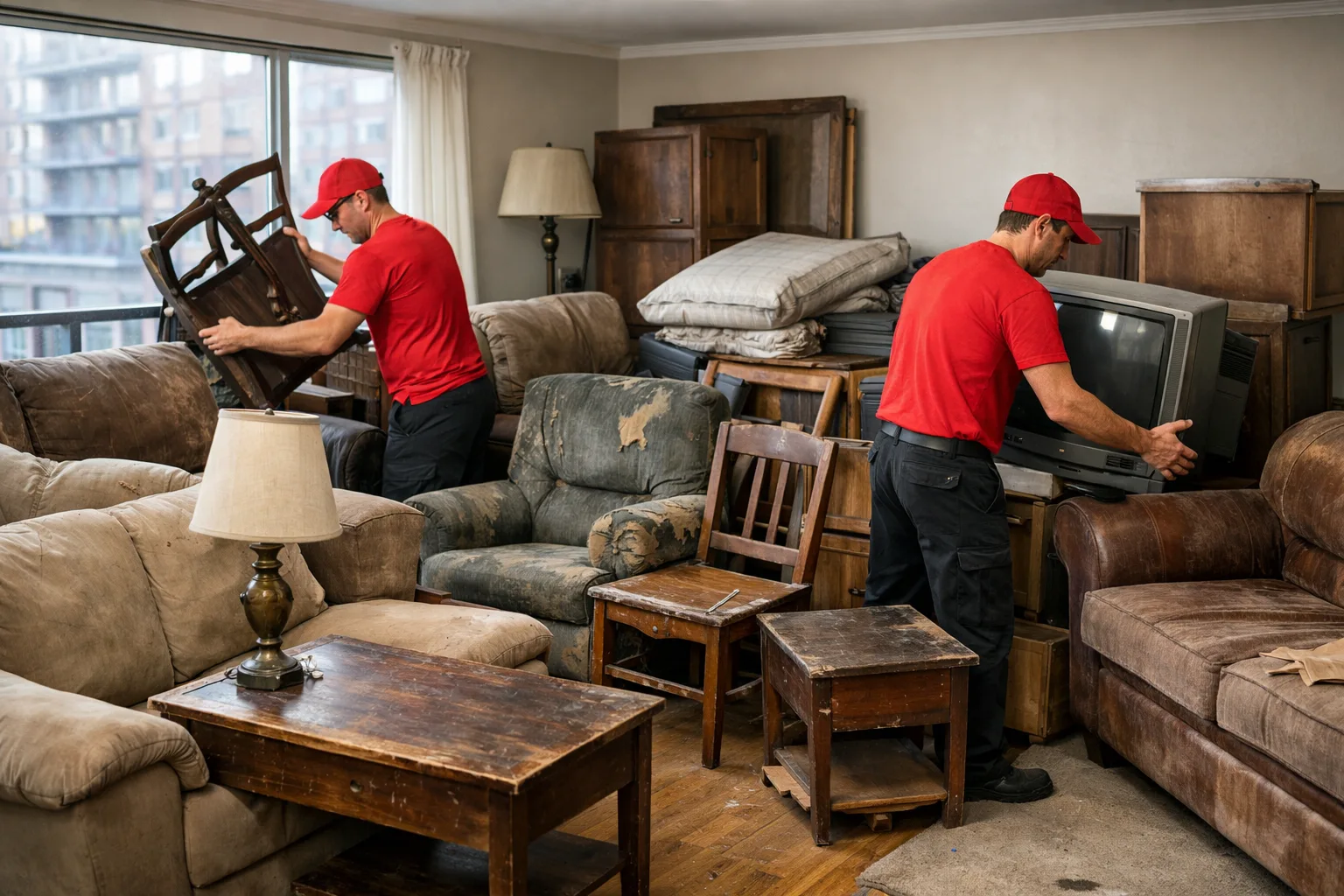
How to get rid of old furniture before moving?
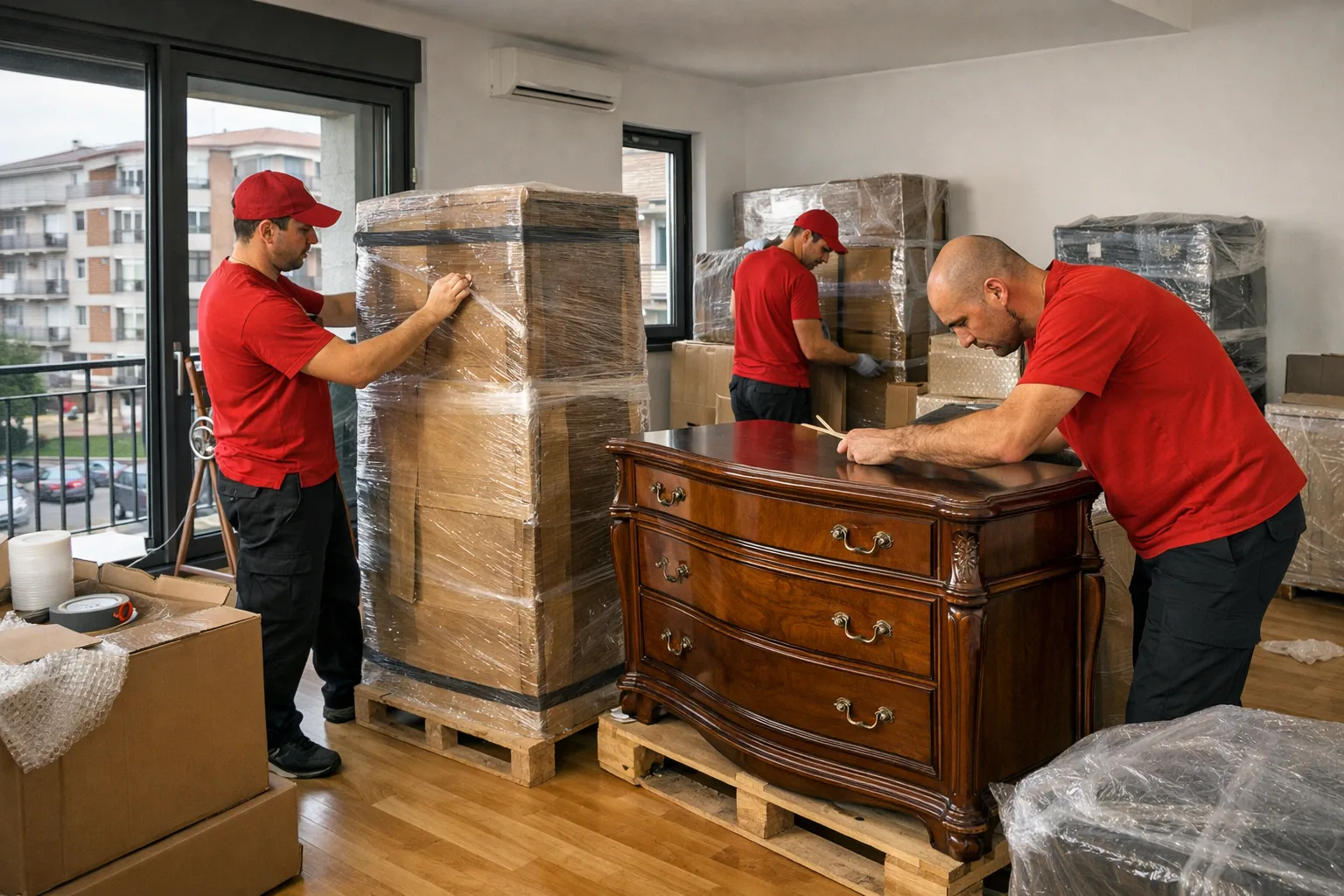
Furniture transport abroad or to storage - what to choose for international moving?
We will respond to you as soon as possible.
Below we answer the most common questions that arise when preparing items for transport, to further simplify this process for you.
Pack electronic devices in their original boxes if you have them, or in appropriately sized boxes. Be sure to wrap them in bubble wrap or soft paper, and fill the inside of the box with styrofoam or paper to prevent movement. Remove batteries and extra cables before packing and pack them separately with clearly marked labels.
It is recommended to start packing at least two to three weeks before the planned transport. This way you have enough time for organization, acquiring materials, and any adjustments, avoiding last-minute rush and stress.
Label boxes by rooms and types of items, for example "Kitchen – plates" or "Bedroom – clothes." Use waterproof markers or stickers in different colors. Also, mark fragile items and note if special handling is required.
Cardboard boxes are the most common choice due to their simplicity, availability, and recyclability. However, for heavier or valuable items, plastic boxes with lids can provide better protection against moisture and damage. The choice depends on the type of items and transport conditions.
Protect furniture with thick blankets, cotton covers, or special protective films. Be sure to wrap edges and corners separately, as they are most prone to damage. If possible, disassemble furniture parts to protect and transport them more easily.
If you don’t have enough boxes, you can buy them in stores or ask friends and acquaintances who have recently moved. Many moving companies also offer boxes as part of their service, or you can purchase them at specialized packing stores.
Pack heavy items in smaller boxes so the weight is evenly distributed and easier to carry. Use sturdy boxes and seal them well with tape. For added safety, mark heavy boxes so they are not stacked on top of each other to prevent breaking. Consider using a dolly or getting help from others when carrying them.