
Furniture Transport Tips
Removal of old furniture and appliances to any address
Removal of old furniture and appliances to any address

Enter at least 3 characters.
The winter season brings numerous challenges in cargo transportation, from adverse weather conditions to specific requirements for cargo protection. Whether it's a personal move, business shipments, or deliveries, proper preparation and careful planning are crucial for the safety of the goods. This guide provides detailed advice and practical instructions on how to ensure your cargo arrives at its destination undamaged and without delays during the cold months. Besides basic measures, it is important to understand the specifics of winter transport that can significantly impact delivery success. From choosing the right vehicle and equipment, through proper packaging, to adapting driving techniques – every aspect plays a role in preserving the quality and integrity of the cargo. Additionally, communication with all participants in the supply chain and timely response to changing weather conditions further increase the chances of safe and efficient transport during winter.

The first and most important step in safe cargo transport during winter is proper vehicle preparation. It is necessary to check the condition of the tires and replace them with winter tires if needed, as they provide better grip on snow and ice. Winter tires should have a tread depth of at least 4 mm to ensure optimal traction. It is also important to ensure that the brakes are in perfect condition because winter conditions are often unpredictable and require maximum braking efficiency.
Additionally, the vehicle should be equipped with antifreeze in the cooling system and the condition of the windshield wipers and washer fluid should be checked, as good visibility during winter driving reduces the risk of accidents. Regular maintenance of the battery and heating system is also crucial to prevent problems during cold starts. It is recommended to check the condition of the lights before every longer trip, as days are shorter and visibility is often reduced due to weather conditions.
For longer transports, it is recommended to have essential winter accessories in the vehicle such as snow chains, a shovel, a reflective vest, and a basic first aid kit. It is also useful to have spare windshield washer fluids and extra batteries or chargers for mobile devices. All these measures together contribute to safe and reliable cargo transport during winter, reducing the risk of delays and accidents on the road.
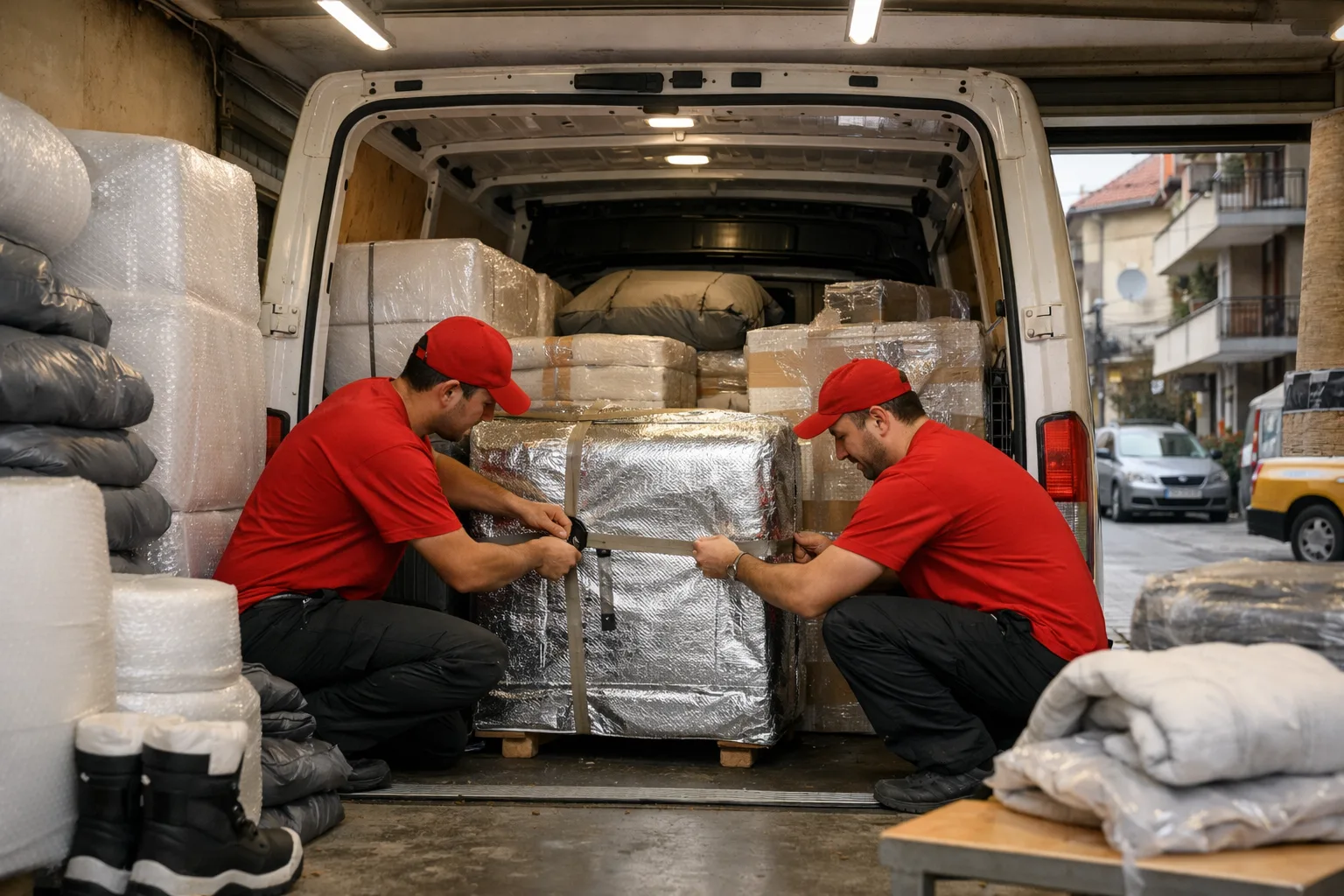
Winter conditions can cause condensation and moisture, which can damage goods, especially if they are sensitive materials like electronics or paper. Therefore, it is important to use waterproof packaging and protective films that prevent moisture penetration. If you need professional assistance in preparing and protecting your goods, you can rely on the packing service for moves, where experts use appropriate materials and techniques for maximum safety during winter transport. Additionally, it is recommended to use silica gel or other moisture-absorbing agents inside packages to further reduce the possibility of condensation.
Thermal insulation films and cardboard boxes with an additional protective layer help maintain a stable temperature inside the package, which is crucial for goods that cannot tolerate low temperatures. In some cases, it is advisable to use heating packs or thermal cushions, especially for pharmaceutical products or food. When using these materials, it is important to follow the manufacturer's instructions to avoid excessive heat that could damage the goods.
It is recommended to pack goods so that they do not have direct contact with the vehicle walls, as ice or moisture can accumulate on them. Using pallets and special liners can help maintain dryness and cargo safety during transport. Also, the vehicle's interior should be regularly checked and kept dry to prevent condensation inside the cargo space.
Winter transport requires careful route planning with special attention to weather conditions and road status. Before departure, check the weather forecast, road conditions, and possible delays or closures due to snow or ice. It is useful to use specialized apps and websites for real-time traffic and weather monitoring.
Choose main roads that are regularly cleared and maintained during winter, avoiding narrow and hilly passes that may pose additional risks. Also, allow extra travel time as road conditions can slow down transport. In some cases, planning alternative routes can be a lifesaver in case of sudden delays or road closures.
If possible, avoid driving at night or during the coldest hours, as the likelihood of ice forming on the road is higher then. Securing local contacts or roadside assistance services can be an added advantage in case of unforeseen problems. It is also recommended that drivers stay in constant contact with dispatchers to quickly respond to changing conditions.
Proper loading of cargo is crucial for vehicle stability and safety during driving, especially on winter roads where conditions are challenging. Heavier items should be placed as low and close to the center of the vehicle as possible to reduce the risk of tipping. Also, ensure even weight distribution to avoid overloading one side of the vehicle.
The cargo arrangement should allow good visibility and access, while preventing movement of goods during transit. Use straps, nets, and other fastening elements that are resistant to moisture and low temperatures. Regularly check the tightness of these elements during driving breaks to prevent loosening.
Pay attention to weight balance between the left and right sides, as well as between the front and rear of the vehicle. Especially in winter conditions, improper distribution can further complicate vehicle handling and increase accident risk. It is also recommended to use anti-slip mats inside the vehicle for additional cargo stability.
The choice of packaging depends on the type of goods being transported and specific winter protection requirements. For example, fragile items such as glass or ceramics require additional padding with soft materials and a sturdy outer box. For such needs, it is recommended to use moving boxes that are adapted to various types of cargo and provide extra protection during transport. Additionally, separators or inserts should be used inside packages to prevent shifting and impacts.
For clothing and textiles, it is advisable to use waterproof bags or films that protect against moisture and dirt. Food and pharmaceutical products often require thermal insulation and cooling, so specialized boxes with thermal pads or coolers must be used. When transporting food, it is important to monitor expiration dates and temperature conditions to avoid spoilage.
Electronic devices should be packed in anti-static packaging with additional protection against shocks and moisture. Furthermore, it is important to clearly label packages with sensitive contents so they are handled with extra care during loading and unloading. It is also recommended to use labels indicating temperature requirements and careful handling.
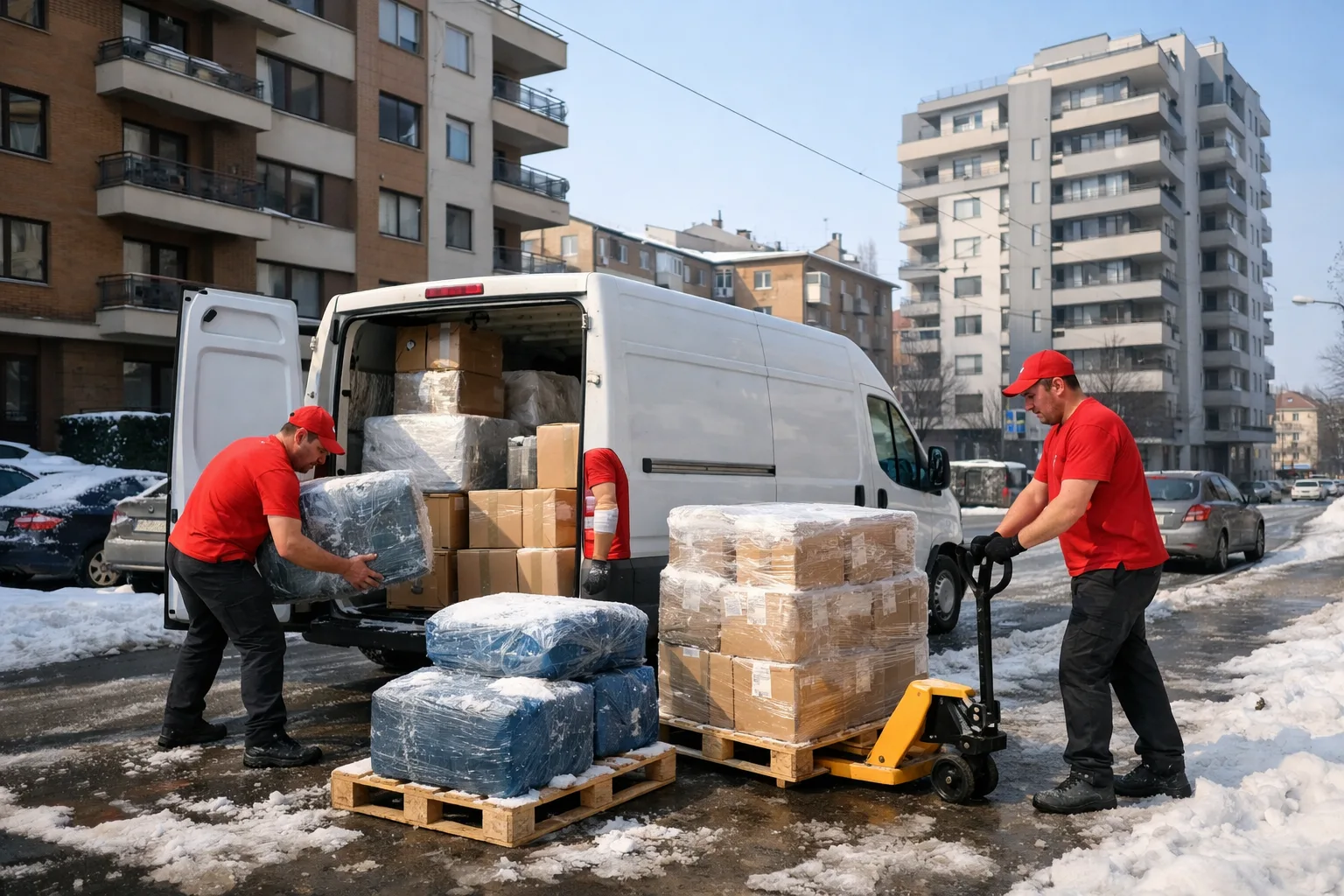
Drivers must adapt their driving style to winter conditions to protect the cargo and prevent damage. This involves driving at reduced speeds, avoiding sudden braking and sharp turns that can cause cargo to shift. Drivers should also be especially cautious when driving on slippery surfaces and use techniques such as gentle acceleration and braking.
It is also important to maintain a greater distance between vehicles to allow more reaction time in case of unexpected road situations. Using engine braking instead of sudden brake application further contributes to vehicle stability. Drivers should avoid riding the clutch on downhill slopes to prevent loss of control.
Regularly check the cargo condition during stops, especially on longer routes. If you notice shifting or damage, it is necessary to react immediately and secure the cargo before continuing the journey. Drivers should also be trained to recognize signs of potential cargo problems and have access to necessary tools for quick problem resolution.
Winter conditions increase the risk of traffic accidents and delays due to weather hazards. It is important that drivers are prepared for such situations and have a plan for quick response. It is recommended that drivers are familiar with accident reporting procedures and have all necessary contacts and documentation at hand.
In case of an accident, the priority is the safety of people and cargo. The vehicle should be moved off the road as soon as possible if feasible, and the cargo should be additionally secured or protected to prevent further damage. Contacting the relevant authorities and informing the recipient about the delay is essential to avoid misunderstandings and additional issues.
For longer delays, it is recommended that drivers and accompanying persons have warm clothing and basic necessities in the vehicle. Additionally, the time should be used to check the condition of the cargo and vehicle, as well as to secure the cargo further if needed. Maintaining communication with dispatchers and cargo recipients during delays helps coordinate next steps and reduce stress.
Goods transported during the winter period often require special storage conditions to preserve their quality and safety. Before transport, the warehouse should be dry, protected from drafts and temperature fluctuations. If you do not have an appropriate space, you can use the furniture, belongings, and goods storage service, where goods are kept under controlled conditions until delivery. Ideally, the space should have controlled temperature and good ventilation to prevent condensation.
After transport, it is advisable to unload the goods as soon as possible and place them in conditions suitable for their nature. For example, sensitive products should not be kept in cold and damp places, as this could cause damage or spoilage. Also, avoid direct contact with external walls or warehouse floors that may be cold.
Regular inspection of packaging and cargo in the warehouse, as well as proper stock rotation, help maintain the quality of goods during the winter period. It is also recommended to use pallets and bases that prevent direct contact with cold floors. Proper labeling and recording of goods facilitate monitoring their condition and timely response in case of issues.
Removal of old furniture and appliances to any address

How to get rid of old furniture before moving?

Furniture transport abroad or to storage - what to choose for international moving?
We will respond to you as soon as possible.
Below we answer the most common questions related to the specifics and challenges of transporting goods in winter conditions, so you can be sure you are adequately prepared.
Electronic equipment should be packed in antistatic packaging and insulated with thermal materials that protect against low temperatures. It is also important to avoid direct contact with cold metal surfaces and transport it in a vehicle with regulated temperature.
The most important checks include the condition of winter tires, brakes, windshield washer fluid, and antifreeze, as well as the functionality of heating and battery. It is also recommended to inspect and prepare winter accessories such as snow chains and a shovel.
Cargo should be evenly distributed, with heavier items placed low and in the center of the vehicle. The use of straps, nets, and other moisture-resistant securing elements is necessary. Additionally, the driver should drive carefully, avoiding sudden braking and sharp turns.
Yes, for certain types of food, especially those sensitive to low temperatures, the use of heating packs or insulated boxes is recommended to maintain appropriate temperature and prevent freezing or spoilage.
In case of a delay, it is important to stay in the vehicle, ensure good insulation, and notify the relevant authorities and cargo recipient about the situation. Also, regularly check the condition of the cargo and vehicle, and if possible, further secure the goods.
Goods should be stored in a dry, warm, and protected space without temperature fluctuations. Use pallets and bases to avoid direct contact with cold floors, and regularly check packaging and cargo condition.
The most common causes are moisture and condensation, low temperatures that can damage sensitive goods, as well as mechanical shifting of cargo caused by poor arrangement or improper securing within the vehicle.