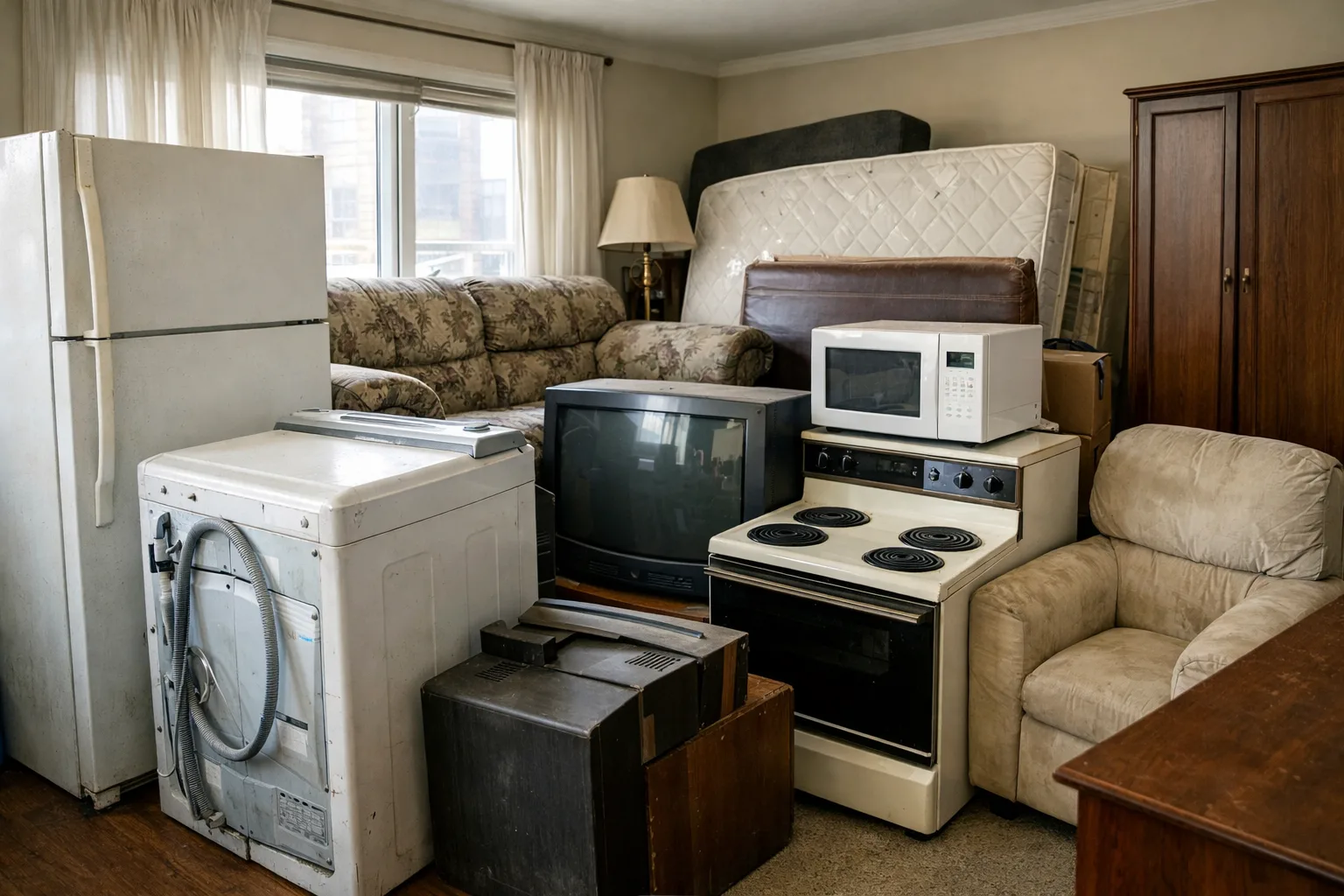
Furniture Transport Tips
Removal of old furniture and appliances to any address
Removal of old furniture and appliances to any address

Enter at least 3 characters.
Packing and transporting heavy items present a unique challenge in the process of international moves. Improper handling can lead to damage to the items as well as injuries to the people carrying them. In this guide, we will thoroughly explain how to prepare, protect, and safely transport heavy objects, providing concrete tips and recommendations to make this demanding task easier for you. Beyond the basic steps, it is important to understand the specifics of each phase of the process, from planning to final unloading, to minimize risks and ensure the safety of everyone involved. We will also focus on practical advice regarding the choice of materials, lifting techniques, and the importance of proper communication and coordination during the move.
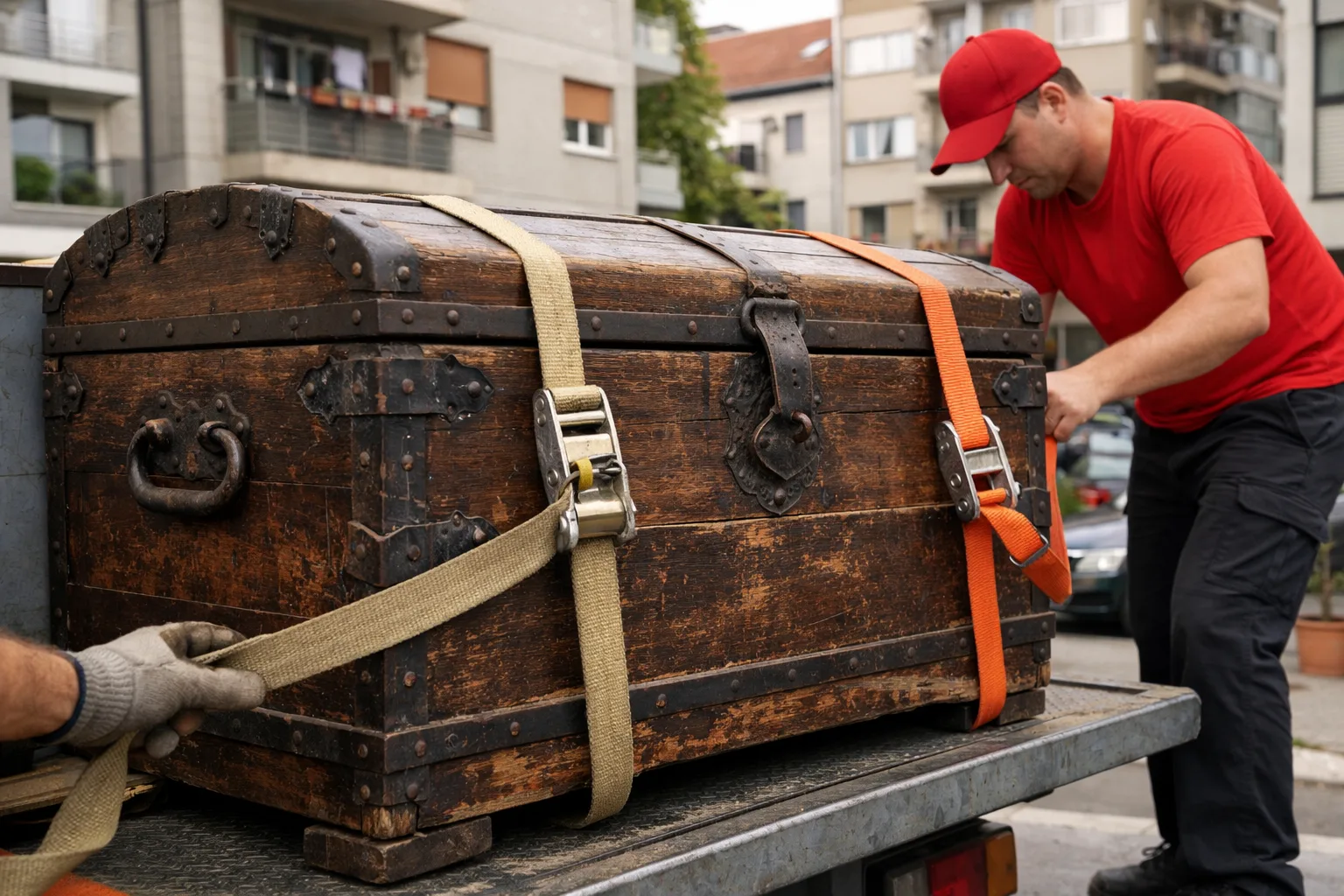
The first step in packing and transporting heavy items is an accurate assessment of their weight and dimensions. This allows for the selection of appropriate packing materials as well as transport planning. For heavier items such as furniture, machinery, or large boxes with electronics, it is recommended to use a scale or estimate based on manufacturer specifications. It is also important to consider whether the item can be disassembled into smaller parts, which significantly facilitates handling and packing.
Weight assessment helps determine the number of people needed to lift and carry the item, as well as the choice of appropriate equipment such as carts, carrying straps, or hoists. In international moves, accurate weight documentation is crucial due to transport company regulations and customs procedures. Planning ahead avoids stress and potential problems during the moving process itself.
At the end of this step, it is recommended to create a list of all heavy items with estimated weight and dimensions. This list will assist you in organizing and communicating with the moving company, ensuring more efficient and safer transport.
In addition to the basic assessment, it is important to consider specific transport requirements for certain items, such as sensitive electronic devices or antiques. In such cases, extra care and consultations with experts can be very beneficial. Planning should also include assessing the accessibility of the location, such as stairs, narrow passages, or lack of an elevator, which can affect the choice of equipment and the number of people needed for the move.
When packing heavy items, it is crucial to use strong and high-quality materials. Thick and reinforced boxes, often made of multi-layer cardboard, can bear heavier loads. If the item has irregular shapes or protruding parts, it is recommended to use wooden crates or specially made transport boxes. Such packaging provides additional security and reduces the risk of damage.
Besides boxes, it is important to use protective materials such as styrofoam, bubble wrap, thick cardboard, and rubber straps for securing. These materials absorb shocks and protect the item from damage during transport. For very heavy items, the use of binding straps is recommended to prevent movement inside the vehicle.
When packing, ensure the item is firmly fixed inside the packaging with no space for movement. Filling gaps with solid materials prevents impacts and breakage. Also, avoid overpacking boxes as this can cause them to crack or deform.
Additionally, it is recommended to use special corner protectors and reinforcing tapes for box edges, as edges are the most vulnerable to damage during transport. For items with delicate surfaces, such as glass or lacquered parts, extra layers of protection should be applied to prevent scratches or breakage.
Also, when choosing packaging, pay attention to its resistance to moisture and temperature changes, especially if the transport is long or involves varying climatic conditions. Using waterproof wraps or films can significantly help preserve the integrity of packed items.
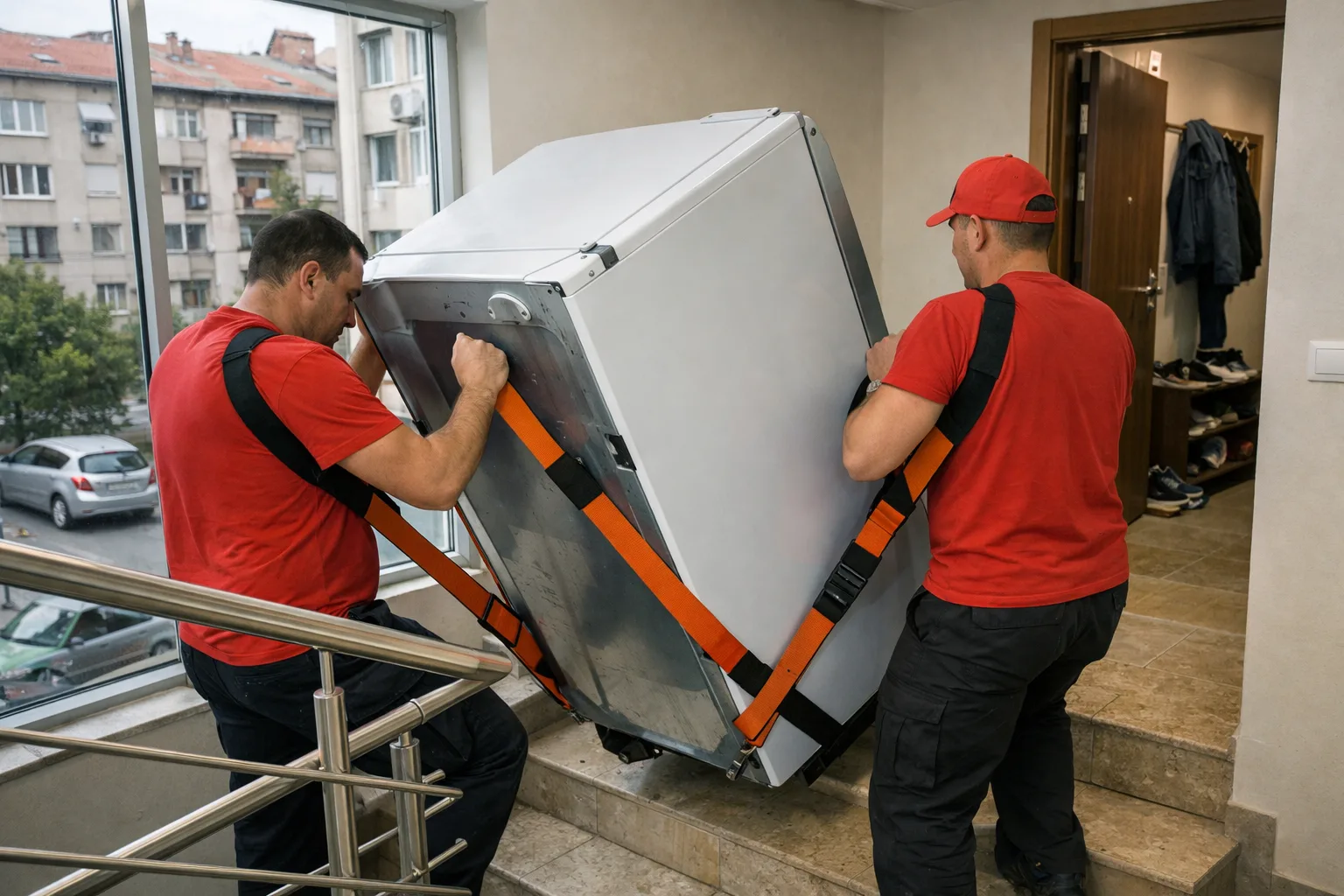
Many heavy items, such as large pieces of furniture or machines, can be disassembled into smaller parts. This greatly facilitates packing and reduces the risk of damage. Before starting disassembly, it is important to have the proper tools and follow the manufacturer's instructions if available.
While dismantling, label parts and screws to make reassembly easier later. Use plastic bags or boxes for smaller parts and clearly mark them. This way, you will avoid losing parts and unnecessary complications during reassembly.
If you lack experience with disassembling specific items, it is advisable to hire professionals or a moving service that offers furniture assembly and disassembly services. Professionals will complete the job quickly and safely, maximizing the protection of your belongings' value.
Besides basic techniques, it is important to pay attention to the order of removing parts during disassembly to avoid damage or deformation. Photographing each step can be helpful during reassembly.
Also, for heavier and more complex items, it is recommended to use specialized tools and equipment, such as torque wrenches or lifts, which allow precise and safe disassembly without damage.
Proper lifting and carrying techniques for heavy items are crucial to prevent injuries and damage to belongings. When lifting heavy objects, always use your legs, not your back. Bend your knees, keep your back straight, and firmly grasp the item close to your body before lifting.
For carrying large or irregularly shaped items, it is best for two or more people to handle the task. Communication between carriers is essential to coordinate movements and avoid sudden jerks or drops. Using carrying belts or special straps can further relieve the back and improve stability.
If the item is extremely heavy or hard to reach, technical aids such as carts, hoists, or conveyor belts should be used. This not only makes the job easier but also significantly reduces the risk of injury. Those involved in the move should be familiar with basic safe lifting and carrying rules.
It is also recommended to plan the route before lifting to avoid obstacles and unforeseen situations. The area should be clean and well-lit, with floors free of slippery surfaces.
In addition to physical preparation, it is important to wear appropriate protective gear, such as gloves with good grip and footwear with non-slip soles, which further contribute to safety when carrying heavy items.
During international moves, heavy items are exposed to various risks: vibrations, impacts, moisture, and temperature changes. To protect them, it is essential to secure them properly inside the transport vehicle. Use straps, tie-downs, and soft padding to prevent shifting and damage. If you are unsure about safe transport, it is recommended to hire professionals for special cargo moving services, who have the experience and equipment for such challenges.
When loading items into a truck or container, heavier and larger items should be placed at the bottom, while lighter and more delicate items are stacked on top. Avoid direct contact between heavy items and sensitive surfaces to prevent scratches or dents.
It is also recommended to use special pallets and supports that allow even weight distribution. For added security, wrap packages containing heavy items with protective films or covers that shield against moisture and dust during long transport.
It is important to regularly check the stability of the load during long journeys, especially after stops or crossing uneven terrain. Maintaining proper load distribution reduces the possibility of shifting and damage.
In addition to mechanical protection, it is recommended to use hygroscopic agents or silica gel inside the packages to reduce moisture and prevent condensation, which is especially important during transport in varying climatic conditions.
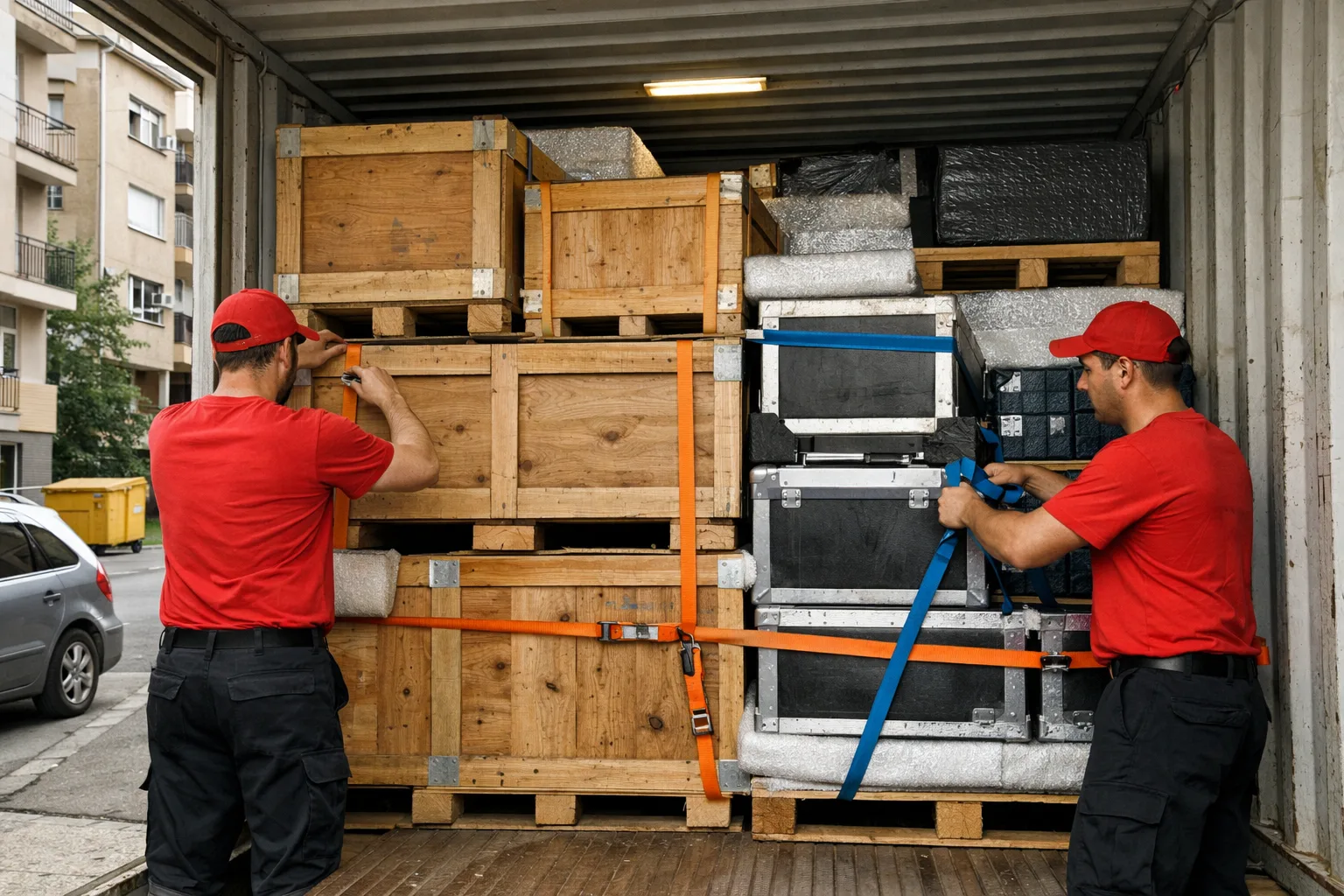
Using appropriate equipment significantly facilitates and speeds up the process of moving heavy items. Transport carts, carrying straps, hoists, and rollers are just some of the tools used to safely move large and heavy objects. This equipment reduces physical effort and the risk of injury.
Carrying straps with adjustable belts allow for even weight distribution between carriers, which is especially useful for long or irregularly shaped items. Hoists and transport platforms make it easier to lift heavy machines or furniture from the ground or stairs.
When selecting equipment, it is important to check its load capacity and safety features. Additionally, workers should be trained in using these tools to avoid accidents. In many cases, hiring a professional moving service equipped with these tools is the most reliable solution.
Furthermore, using modular transport systems, such as foldable platforms and telescopic hoists, can significantly increase efficiency and safety when moving heavy items in confined spaces.
Also, regular maintenance and inspection of equipment are crucial to prevent malfunctions and accidents during the move. Before use, check the condition of straps, wheels, and other components to ensure the reliability of the tools.
Clear organization and labeling of packages containing heavy items facilitate handling, storage, and locating items during unpacking. Each package should have a visible label with information about its contents, weight, and any warnings such as "Heavy" or "Handle with care."
Labels should be placed on multiple sides of the package to be visible from different angles during transport and unloading. Also, noting where an item was disassembled or packed helps with easier assembly and placement at the new location.
A good practice is to create a digital or paper record of all packages with details about their contents and weight. This saves time and reduces the possibility of loss or damage during international moving.
In addition to basic labels, it is useful to use color codes or symbols that further facilitate identification and priority handling of certain packages. For example, a red label may indicate extremely heavy or fragile items.
It is also recommended to include brief handling or assembly instructions with the packages, which can be very helpful for people not directly involved in packing.
When it comes to exceptionally heavy and valuable items, hiring a professional moving service can be the wisest choice. Professionals have the experience, knowledge, and equipment necessary for safe packing and transport, as well as insurance against damage.
When choosing a moving company, check if they have relevant licenses and insurance, as well as experience in international moves. Also, inquire about previous client experiences and service terms.
Contract the service in detail – clearly define deadlines, transport conditions, obligations of both parties, and procedures in case of damage. A professional service will help you avoid inconveniences and ensure the move goes smoothly, especially when dealing with heavy and bulky items.
Before hiring, request a detailed offer with a comprehensive plan for packing, transport, and unloading, as well as information about available equipment and number of workers. This will help you better understand the process and avoid unexpected costs.
Also, good communication with the moving service before and during the move is key to a successful outcome. Regularly monitor the status of the move and do not hesitate to ask questions or request additional information.
Removal of old furniture and appliances to any address
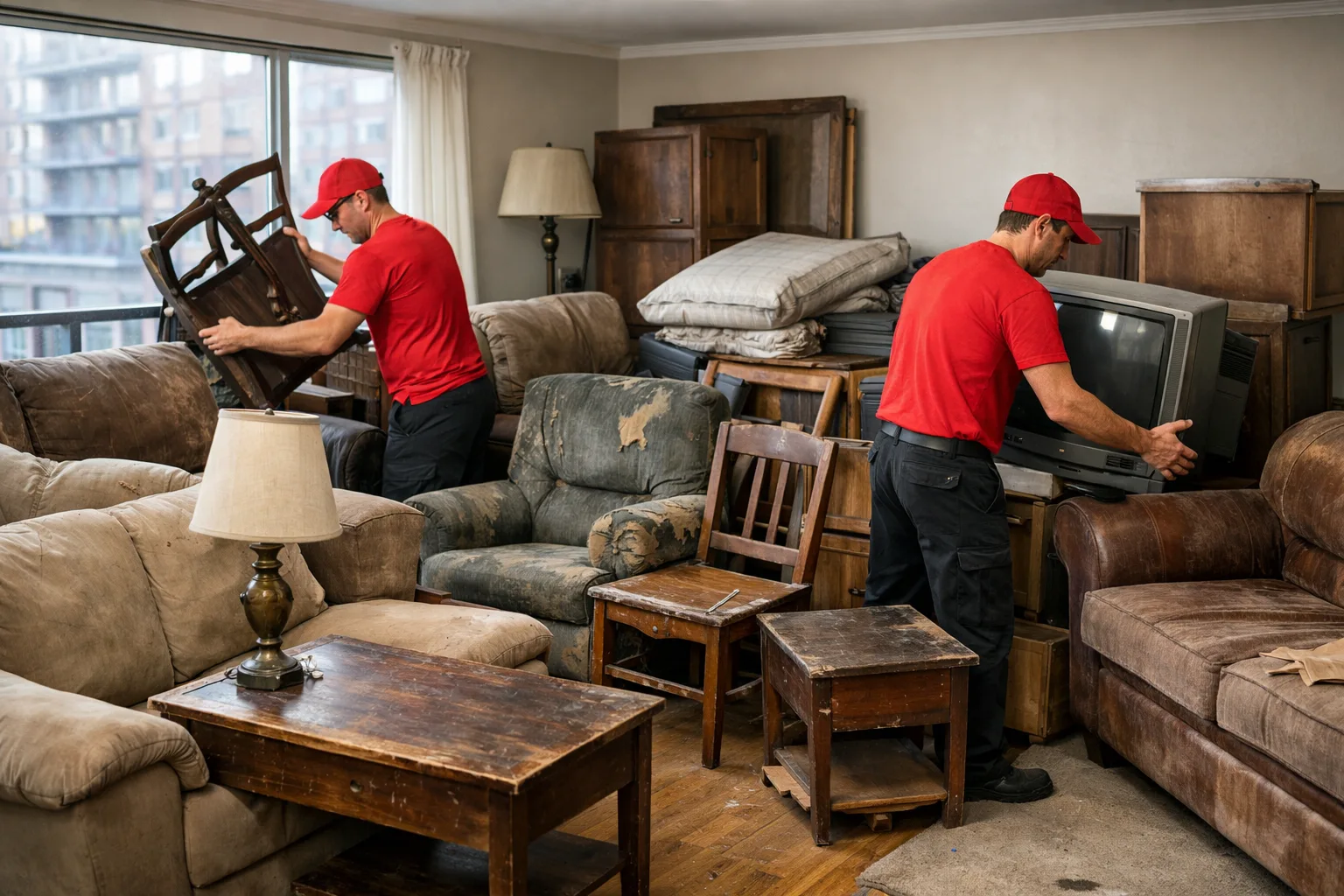
How to get rid of old furniture before moving?
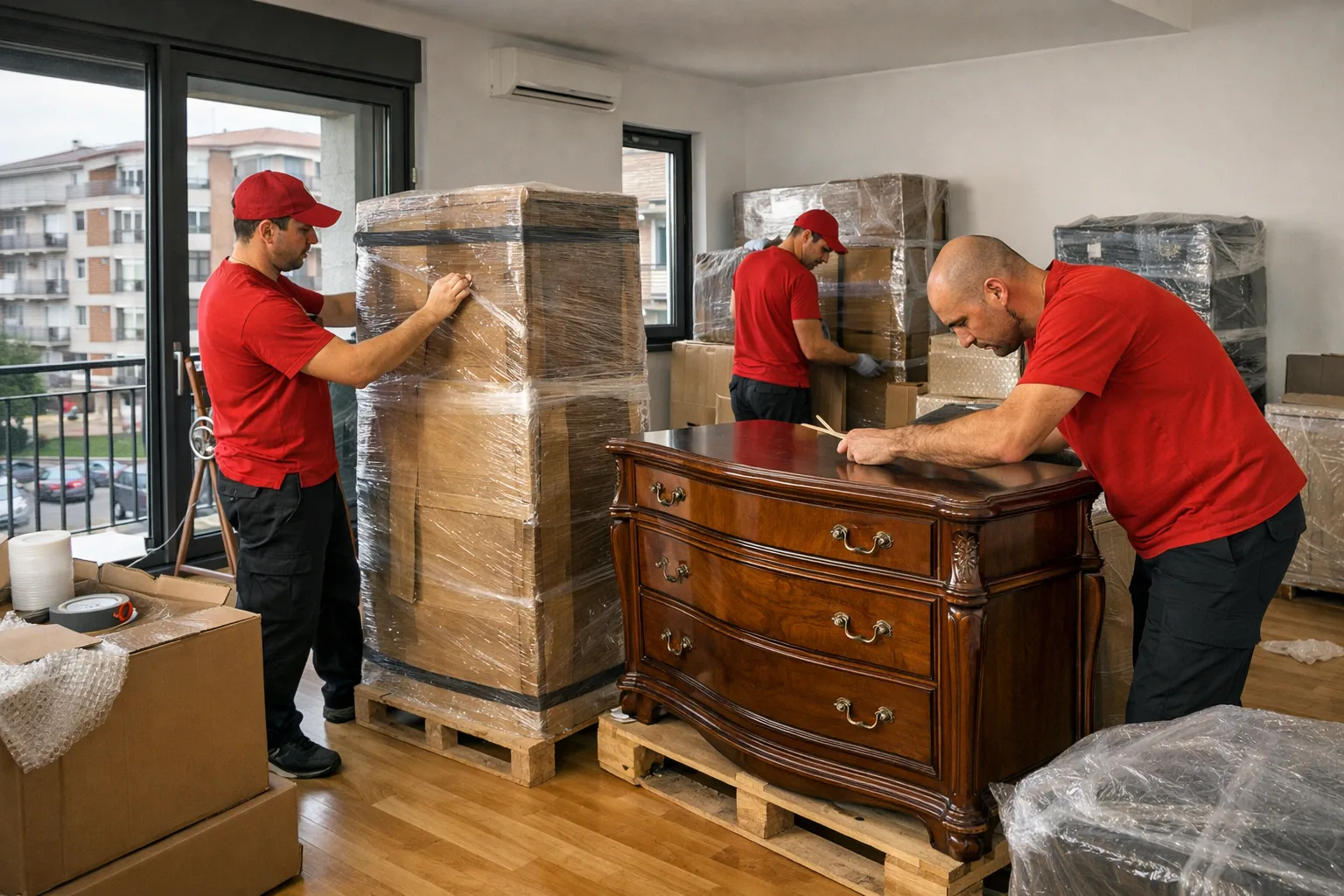
Furniture transport abroad or to storage - what to choose for international moving?
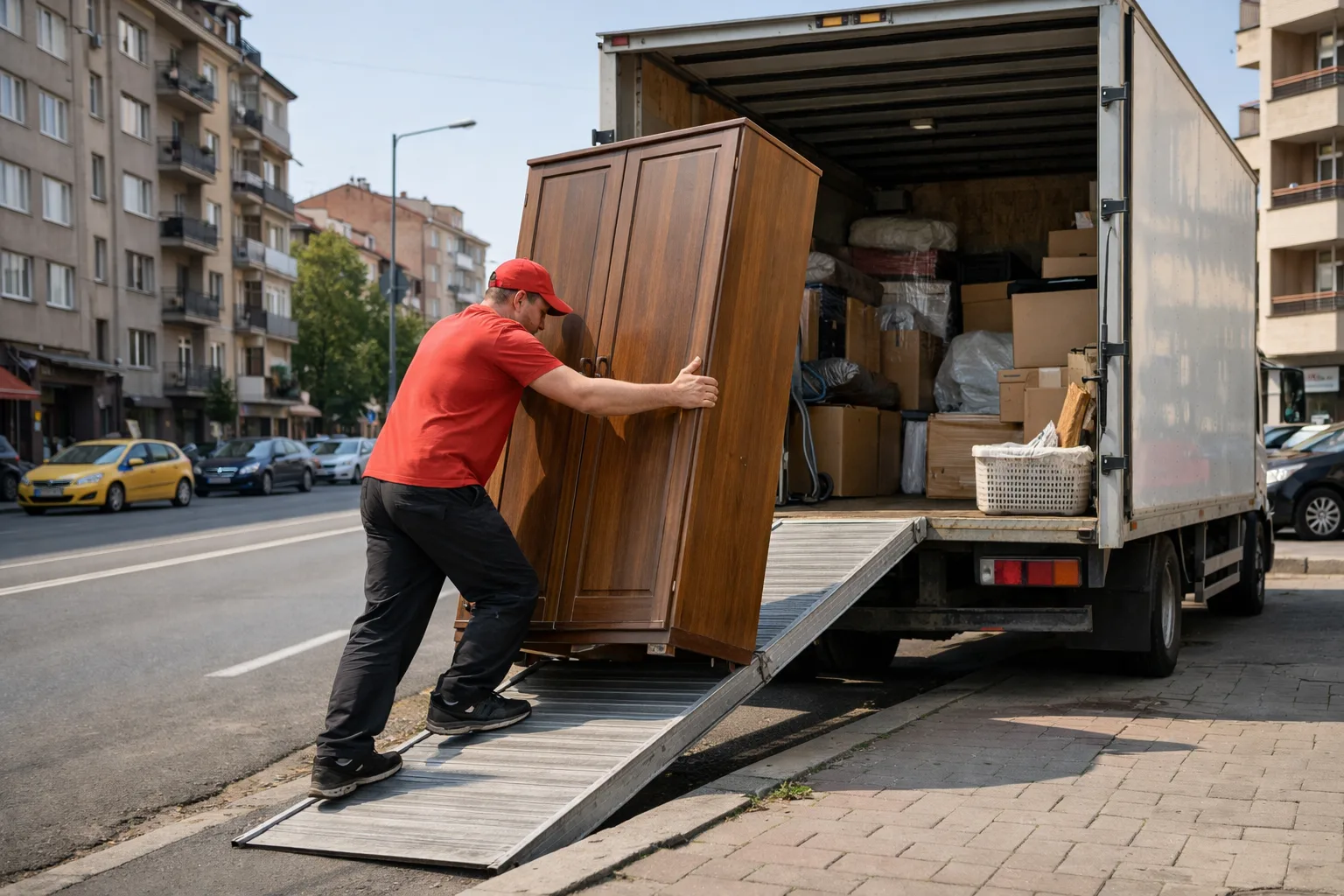
We will respond to you as soon as possible.
Below are answers to the most common dilemmas and issues faced by individuals preparing heavy items for international moves.
If an item requires special equipment or more than two people to lift, it is considered too heavy to carry alone. Also, if you feel additional strength is needed or there is a risk of injury, it is better to seek help or hire professionals.
For heavy and irregular items, reinforced cardboard boxes, wooden crates, and specialized transport frames are recommended. For protection, use bubble wrap, styrofoam, and securing straps that prevent movement inside the packaging.
Disassembly facilitates transport and reduces the risk of damage, but it is not always possible or practical. Some items are too complex or require expert intervention. Each case should be assessed individually, considering safety and tool availability.
Use hermetically sealed plastic wraps or tarps to cover the items and packaging. Also, place silica gel packets or other moisture absorbers inside boxes and crates. Avoid direct contact with surfaces that may be damp.
Commonly used aids include transport carts with large wheels, carrying straps that distribute weight, and manual hoists. For very heavy items, mechanical lifts or jacks can be used to enable safe and controlled movement.
Clearly mark packages with labels such as "Heavy," "Handle with Care," and indicate the weight. Use waterproof stickers or permanent markers for labeling. Labels should be placed on multiple sides of the package to remain visible throughout the moving process.
A professional service is recommended if items are very heavy, irregularly shaped, or of high value. Also, if you lack proper equipment or experience, hiring experts reduces the risk of damage and injury. This is especially important for international moves with complex logistical requirements.