Tips for International Moves
How to Pack Furniture for a Move to Germany?
How to Pack Furniture for a Move to Germany?

Enter at least 3 characters.
International relocation of parents is a complex and multifaceted process that requires detailed planning, good organization, and constant support. As their children or close relatives, your role is crucial in easing this transition, as you not only help with the technical aspects of the move but also with the emotional adaptation to new living conditions. In this guide, we will provide you with detailed and practical advice on how to best support your parents, including steps to take before, during, and after the move. We will focus on concrete recommendations to help make the process as smooth and efficient as possible for everyone involved.
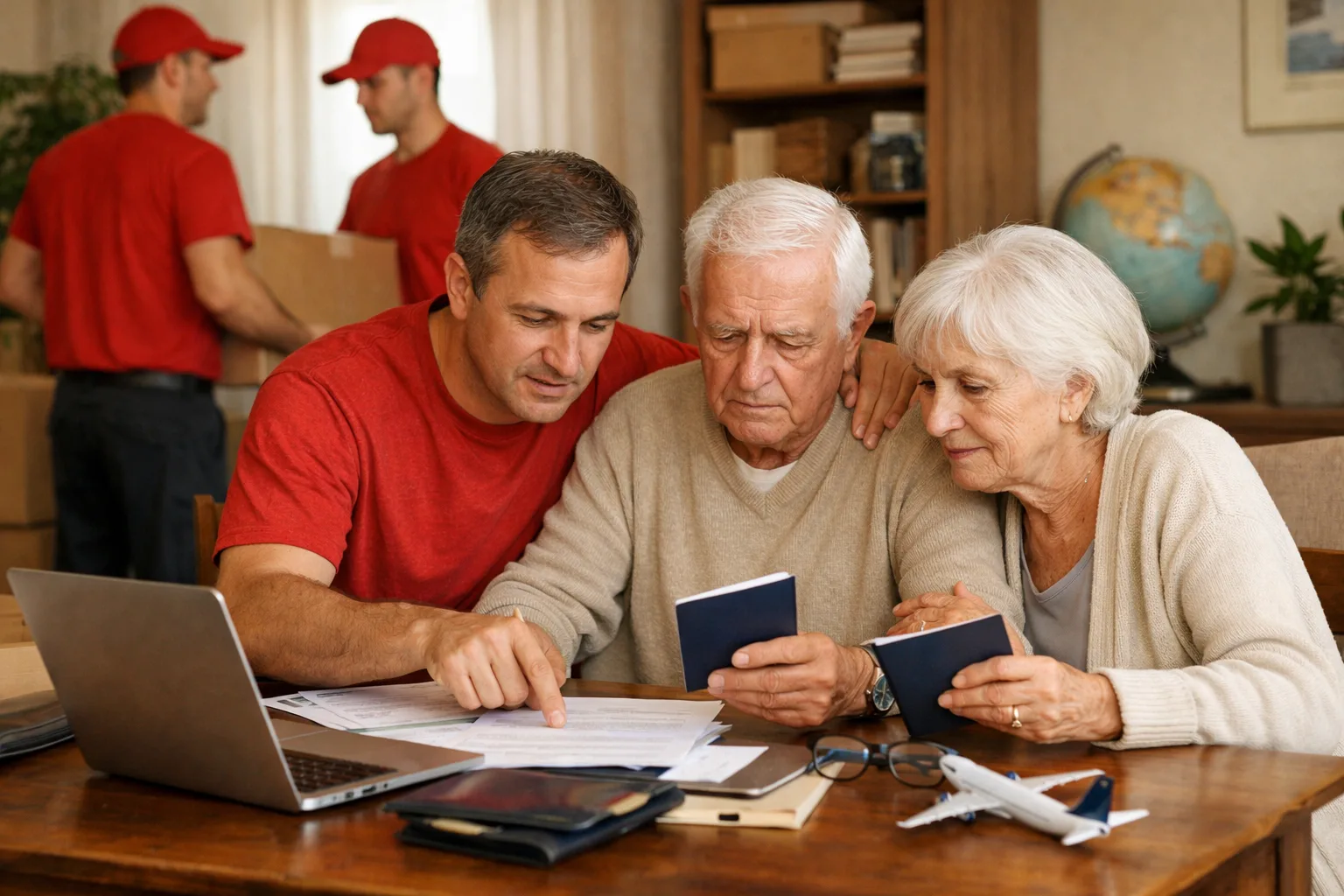
Before starting any organization, it is extremely important to thoroughly inform yourself about your parents' wishes and needs. Have an open conversation about their expectations regarding the new living environment, including their priorities such as proximity to healthcare facilities, availability of cultural amenities, or presence of communities from their country of origin. This will help you jointly define realistic goals and tailor the moving plan to their needs.
Besides practical aspects, it is essential to consider the emotional dimension of the move. Older adults often feel anxiety due to the loss of familiar surroundings and routines. Be prepared to listen, provide support and encouragement, and help them express their concerns and fears. Involving your parents in every step of the process can help them feel more secure and maintain control over the situation.
Also, consider their health and social needs. If your parents have specific medical requirements or use certain services, research the availability and quality of such services in the new country. This may include access to specialist doctors, therapies, or support for people with disabilities. Understanding these factors will facilitate planning and reduce potential problems after relocation.
Preparing documentation for international relocation requires a systematic approach and timely collection of all necessary papers. It is advisable to make a detailed list of documents including passports, visas, work permits, residence certificates, medical records, as well as documents related to property or pension insurance. Each of these documents may require additional certifications or translations, so attention to detail is important.
For countries with specific requirements, such as vaccination certificates or proof of certain health insurance, consult official institutions like embassies or consulates. They often have updated information on current regulations and can help you avoid mistakes that could delay or prevent entry into the country.
Do not forget to check the validity of documents in a timely manner. Passports and visas must be valid throughout the entire moving and stay period. Also, if necessary, hire a certified translator for document notarization or apostille, which is often a condition for their recognition abroad. This preparation reduces the risk of bureaucratic complications and ensures a smooth transition.
When planning the transport of belongings, it is important to consider all options and choose the one that best suits the quantity and type of items the parents are moving. Air transport is fast but more expensive and limited by weight and dimensions, while sea transport is more economical for larger quantities but takes longer. Road transport can be flexible for moves within certain regions or continents.
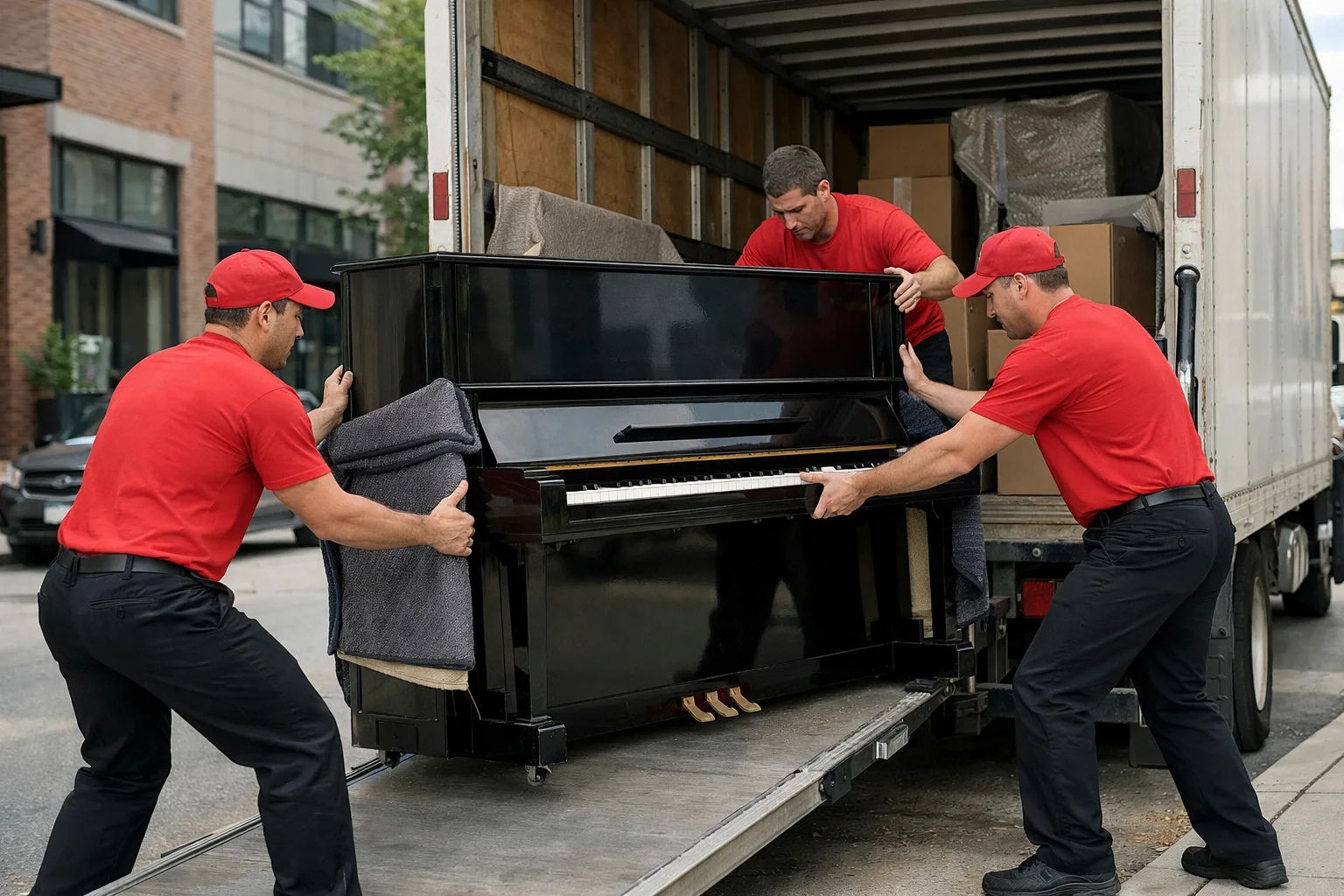
Hiring a professional moving company with experience in international relocations is very helpful. Check the company's references, insurance terms, and whether they offer customs clearance services and real-time shipment tracking. Transparency in pricing and conditions will help you avoid hidden costs and unpleasant surprises.
It is important to coordinate the timing of sending belongings with the parents' arrival date so their property is available as soon as they arrive. Also, keep in mind customs procedures that may take time and plan extra time for possible delays. A good logistics plan and communication with all involved parties reduce stress and increase the efficiency of the entire process.
Selecting the items the parents will take is a key step for an efficient and economical move. Help them sort items into categories: things to take, those to sell or give away, and those to possibly store. Focus on taking only items that are necessary or have sentimental value, as this will reduce costs and ease transport.
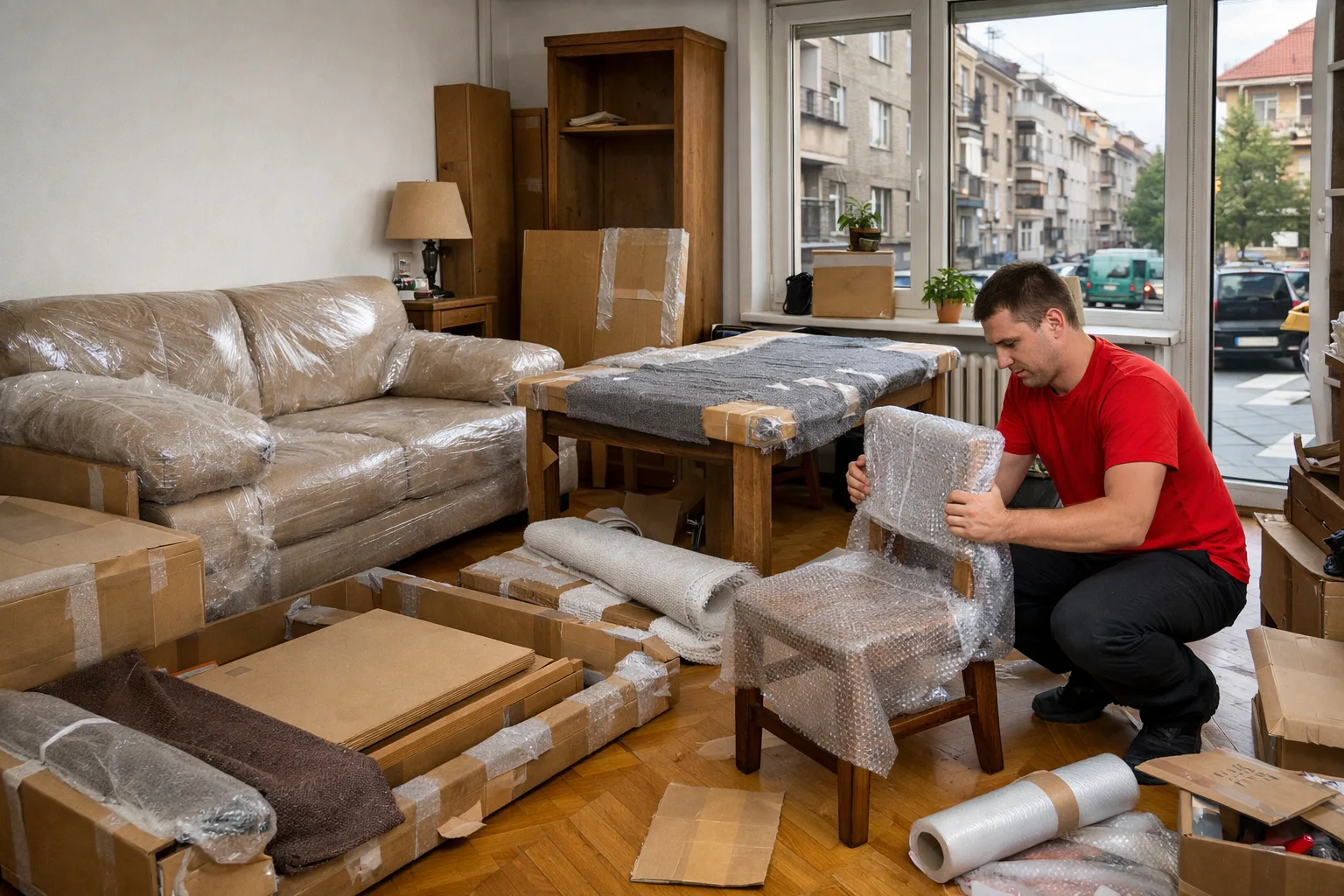
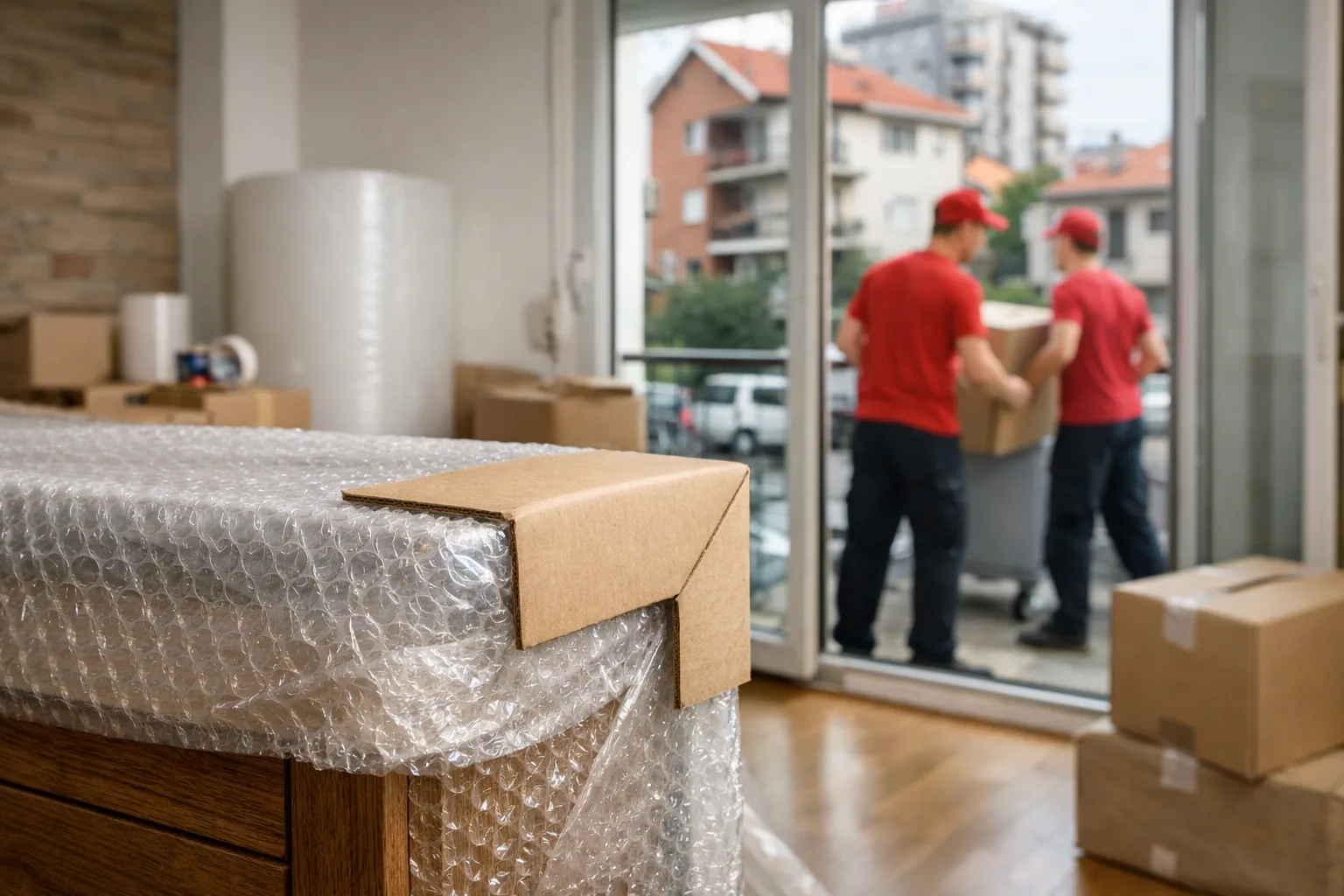
Apply a packing system that involves grouping items by rooms or functions and clearly labeling boxes. Use quality packing materials such as sturdy boxes, protective wraps, and bubble wrap, especially for fragile items. Labeling boxes with contents and destination will facilitate unpacking and organization in the new home.
It is advisable that valuable items, personal documents, and essential supplies be carried by the parents in their hand luggage. This is a security measure that reduces the risk of loss or damage during transport. Also, prepare a bag with essentials for the first days after arrival, such as clothing, medications, and hygiene products.
Thorough research of the healthcare system in the country you are moving to is essential. Help parents understand how primary healthcare works, whether registration with a general practitioner is required, and how to schedule specialist appointments. This knowledge will enable them to navigate more easily and receive necessary care on time.
If parents use regular therapies or medications, check their availability in the new country and the conditions for obtaining prescriptions. Some countries have strict regulations on importing medicines, so it is important that parents have medical reports and recommendations to show local doctors or customs officials. Also, consider purchasing additional health insurance that covers specific needs and potential emergencies.
For older adults, it is recommended to schedule preventive check-ups and consultations with local doctors immediately upon arrival. This not only increases safety but also helps establish relationships with healthcare institutions. Additionally, familiarizing with local rules and procedures can prevent unnecessary complications and expenses.

Moving abroad can be a source of stress and feelings of loneliness, especially for older adults leaving familiar surroundings and social networks. It is important to provide parents with continuous emotional support by listening to their concerns and encouraging them to express their feelings. Empathy and patience are key in this process.
Encouraging maintaining contact with friends and family through modern technologies such as video calls, social networks, and messaging apps can significantly reduce feelings of isolation. Also, getting to know local communities, clubs, and groups that bring together people of similar backgrounds or interests helps create a new social circle and a sense of belonging.
Assisting in learning the language and getting acquainted with local customs further eases adaptation. Organize joint activities like walks, visits to cultural events, or workshops to explore the new environment together. These activities not only reduce culture shock but also promote positive experiences and boost parents' confidence.
International relocations often involve significant expenses, so it is crucial to create a detailed financial plan. Help parents compile a list of all potential costs, including transport expenses, customs duties, insurance, accommodation, administrative fees, and unforeseen situations. Such transparency enables better budget management and prevents unexpected financial problems.
Explore possibilities for tax relief, subsidies, or other forms of assistance that some countries offer for international relocations, especially for retirees or individuals with special needs. Also, consider the option of postponing certain expenses, such as purchasing furniture or vehicles, until stability is established in the new environment.
Open discussions about financial possibilities and limitations among all parties involved reduce stress and help in making realistic decisions. It is important for parents to be involved in the planning to avoid discomfort and to build mutual trust throughout the process.
The final phase of the move involves thorough preparation for the arrival and settling in of the parents into the new home. Before their arrival, check whether utilities are connected, if the space is clean and adequately furnished, and if basic safety devices such as smoke detectors or security locks are installed. This preparation contributes to a sense of security and comfort.
Help parents get acquainted with the surroundings by informing them about locations important for daily life, such as stores, pharmacies, healthcare facilities, banks, and public transportation. Also, support them in handling administrative tasks, such as registering residence, opening a bank account, or vehicle registration, as these activities can be complex in a new country.
Organize the first days to be as relaxed and stress-free as possible. Prepare meals, offer help with household chores, and allow them enough time to rest and adjust. Your presence and support during this period are crucial for a successful start to this new chapter in their lives.
How to Pack Furniture for a Move to Germany?
How to Move Furniture from Abroad to Serbia

Common Mistakes Made During International Moves
How to Save Money on an International Move?
We will respond to you as soon as possible.
Below are answers to the most common concerns related to supporting parents during an international move. These questions cover specific challenges and practical advice to help make the process as smooth as possible.
It is recommended to learn the basics of the language together with your parents before the move and provide them with learning materials. Upon arrival, enroll them in language courses and help them use translation apps. Also, connecting with a local community that speaks their language can significantly ease adaptation.
Besides personal documents and essential everyday items, it is important to bring medications, medical reports, favorite items with sentimental value, and basic clothing suitable for the climate of the new country. Valuable items should be carried personally, while less important ones can be sent by transport.
Be a constant support, talk about their concerns, and offer encouragement. Involve them in planning so they feel in control, and encourage them to stay in touch with old friends. Organize joint activities in the new environment to help them adjust more easily.
It is best to choose insurance that covers existing illnesses and regular check-ups, as well as emergencies. It is advisable to verify whether the insurance is valid in the country of residence and whether it covers medication and specialist services.
It is recommended to inform yourself in advance about the customs regulations of the destination country and to accurately declare the contents of the shipment. Working with an experienced moving company that offers customs support can significantly reduce the risk of problems and delays.
Ideally, parents should arrive in the country close to the date when their belongings are scheduled to arrive, so they have access to essential items as soon as they move in. However, if needed, they can come earlier to adapt or later if they want to avoid stress.
Introduce them to local support groups, expatriate communities, or hobby clubs. Encourage them to participate in social activities and events that suit their interests. Also, facilitate their access to information about local customs and opportunities for volunteering or socializing.