How to pack antique furniture?
How to pack antique furniture?

Enter at least 3 characters.
Packing is one of the most important steps in the moving or storage process, as it directly affects the safety of your belongings, the speed of execution, and overall costs. Choosing the right packing materials not only facilitates organization but also saves time and money, which is especially important for larger moves or when you have a limited budget. In this guide, we will provide you with detailed and practical advice on how to find and use packing materials in the most efficient way, with concrete examples and checks to help make the process as simple and economical as possible. Whether you are moving for the first time or are experienced in packing, here you will find useful information to help you choose the right materials and organize packing optimally, minimizing stress and the risk of damage to your belongings.
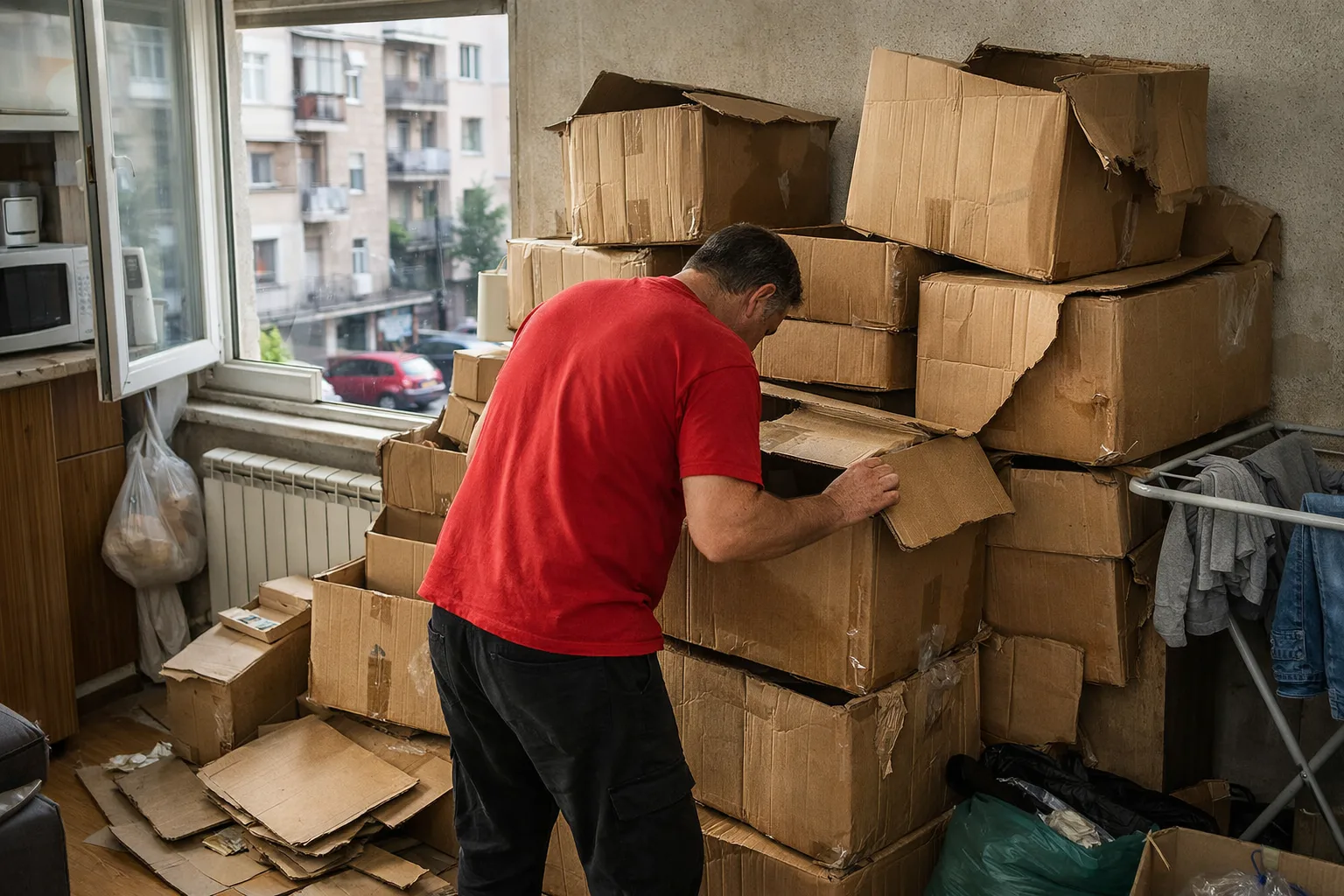
Local stores and supermarkets are often untapped sources of free packing materials, especially cardboard boxes used for transporting goods. After unloading, these boxes are usually considered waste and discarded, but many managers are willing to give them to customers who can use them. It is advisable to contact the staff in advance and arrange pickup to avoid unnecessary trips and wasting time.
Visiting these locations at the end of the working day or during weekends increases the chances of finding larger quantities of boxes since goods are unloaded then. When collecting, be sure to inspect the boxes for damage, moisture, or dirt, as damaged boxes can compromise the safety of your belongings during transport. Also, check if the boxes are the right size for your needs, as boxes that are too large or too small can complicate packing and transport.
Besides boxes, stores often have other packing materials such as protective films, styrofoam, or wrapping paper. These materials can be obtained for free or at symbolic prices, so it is useful to inquire about their availability. Also, if you plan regular moves or storage, establishing good relationships with local stores can bring long-term benefits in the form of a steady supply of materials. Regular contact and gratitude to the staff can help you become a priority when materials are issued.
Purchasing packing materials in larger quantities is one of the most effective ways to save money. Suppliers often offer significant discounts on packages that include cardboard boxes, tape, protective films, and other supplies, which can lower the price per unit and make the purchase more cost-effective. Planning ahead and estimating the required quantities allow you to make the most of these discounts.
Online stores and distributors specializing in packing offer sets designed for moves, carefully crafted to meet various needs – from packing fragile items to clothing. These sets often come with additional packing instructions, which can be very helpful for beginners. Also, buying online allows you to compare prices and reviews, contributing to a better choice of materials.
When buying in bulk, it is important to pay attention to the quality of materials. Cheaper products may seem attractive but are often not durable enough, which can lead to damage to belongings and additional costs. Investing in higher-quality boxes and protection can save you time and money in the long run, as you will avoid repurchasing and problems during transport. Also, higher-quality materials make packing easier and reduce stress during the move.
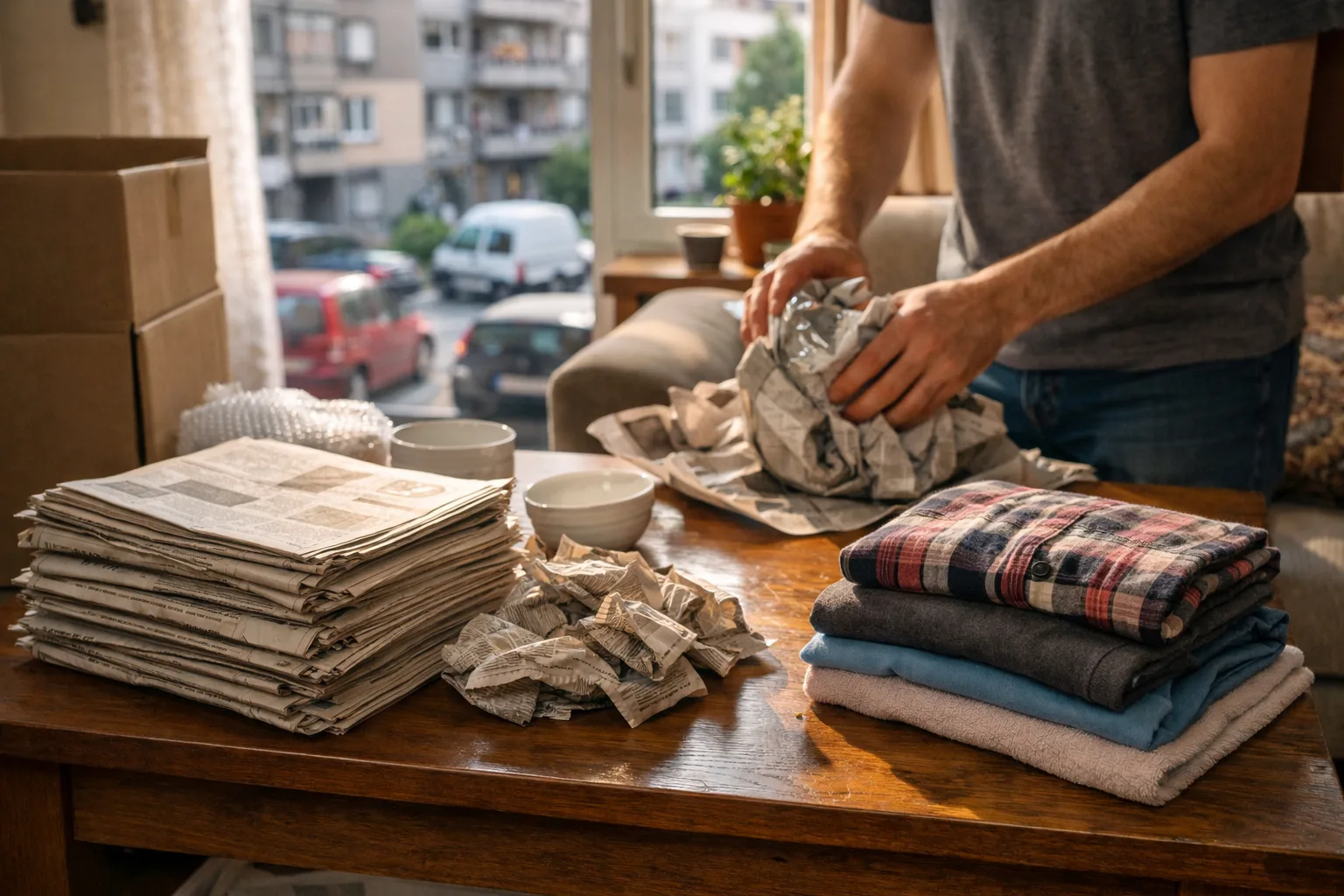
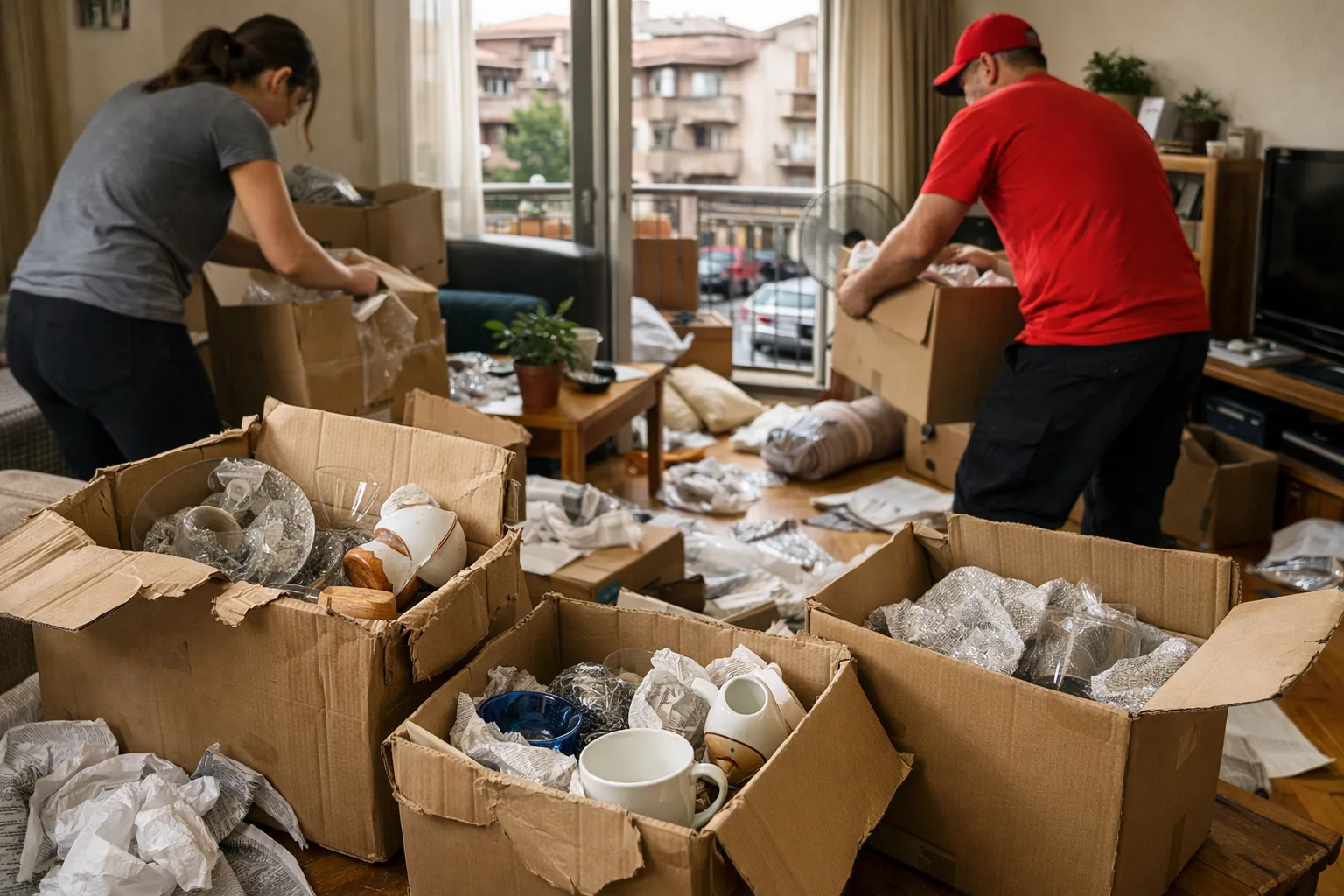
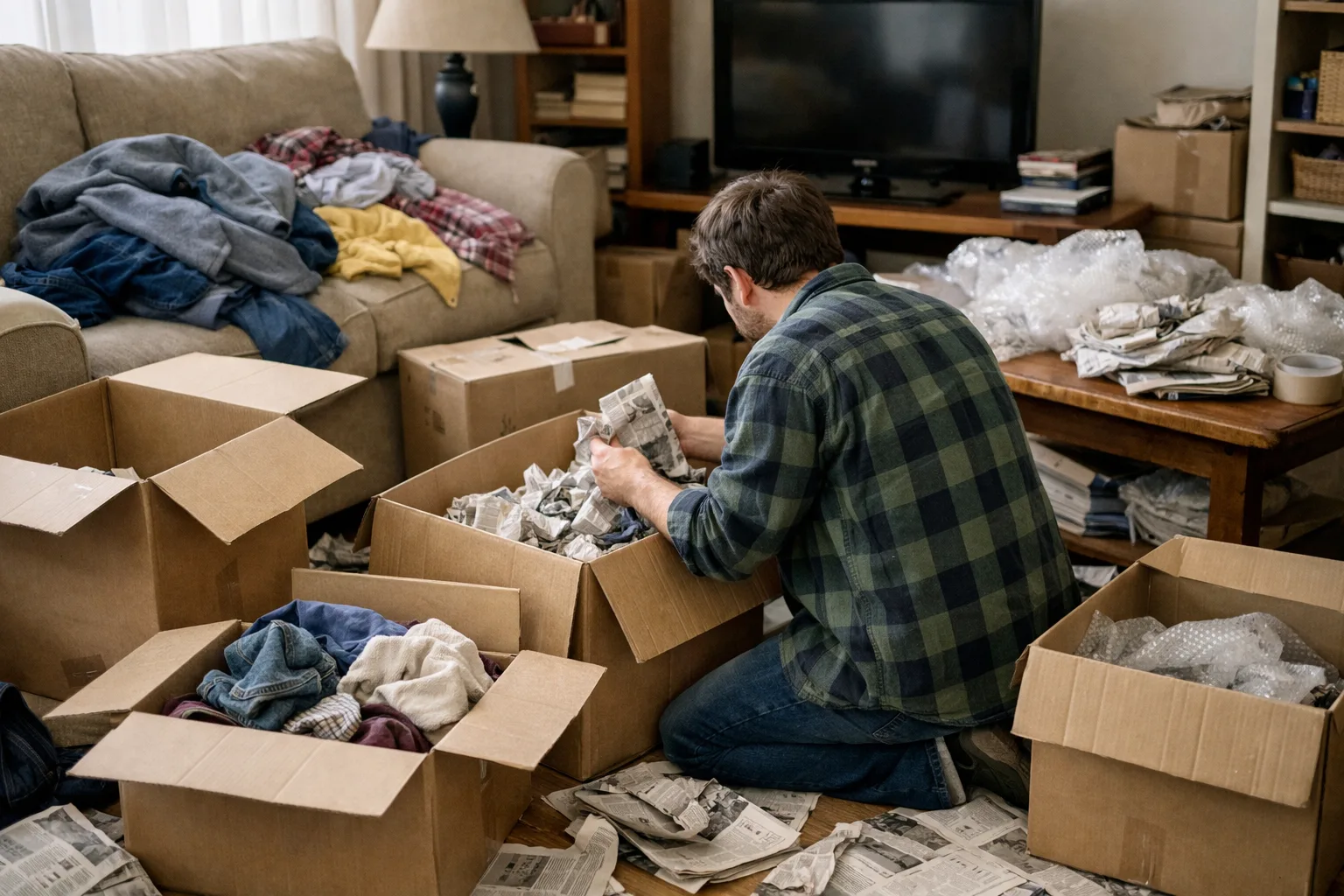
Using old newspapers, magazines, and unusable clothing as packing materials is an excellent way to reduce costs while contributing to environmental protection. These materials are readily available in most households and can effectively protect fragile items from impacts and scratches. Proper use of these materials can replace expensive protective films and styrofoam.
When using newspapers, it is important that the paper is dry and clean, as damp or dirty newspapers can leave stains or damage items. Newspapers can be carefully crumpled and placed between thinner items or used to line the inside of boxes to reduce movement during transport. Additionally, newspapers can be used to fill gaps in boxes, further stabilizing the contents.
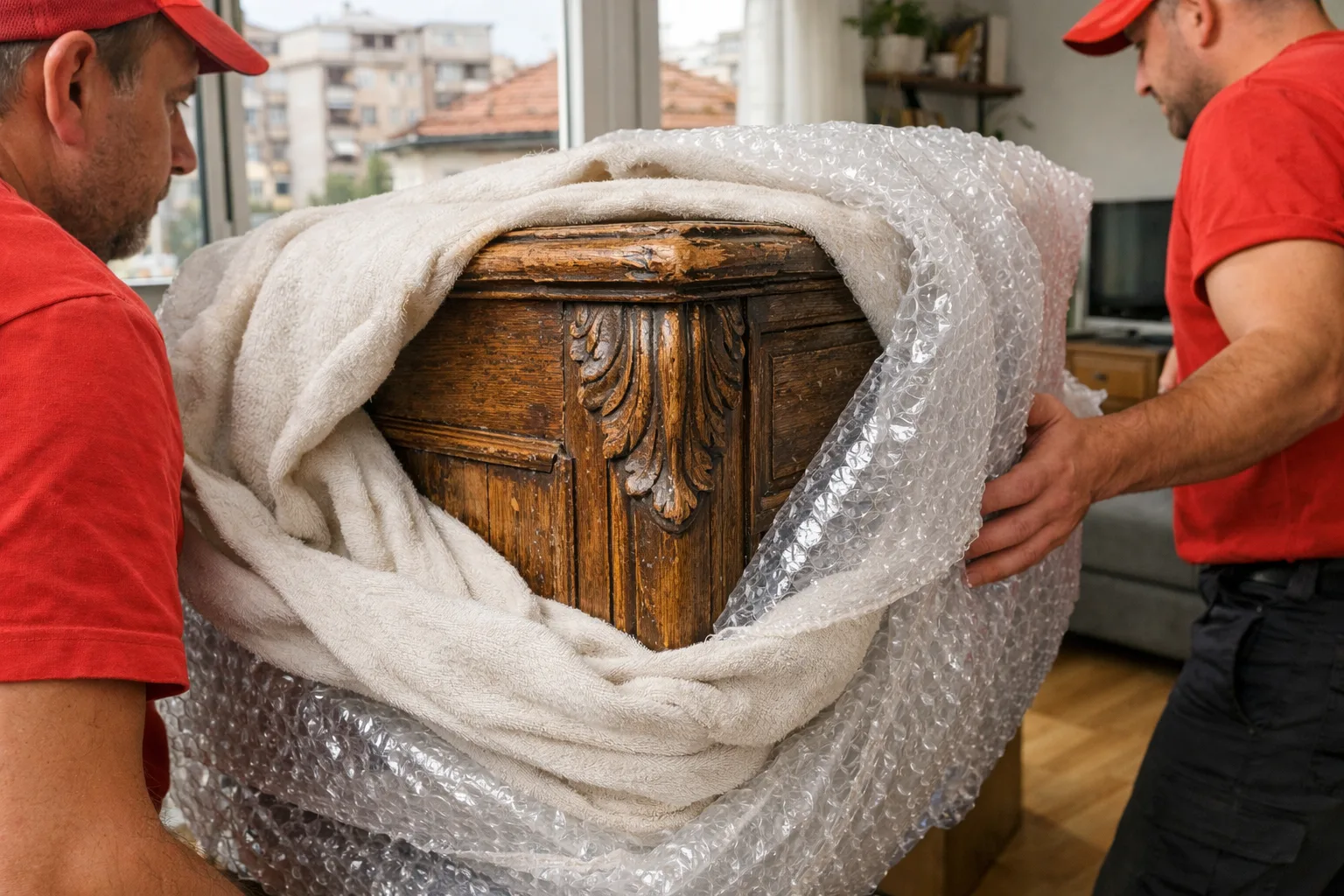
Cotton t-shirts, towels, blankets, and other textiles can serve as soft protection for fragile items such as glassware, plates, or decorative objects. This packing method requires a bit more time and care but is extremely useful when you don't have access to traditional materials or want to save extra money. Also, using textiles can be a more environmentally friendly solution as it reduces the need for disposable materials.
The internet has become an indispensable source for finding free and affordable packing materials. Facebook groups, local classifieds, and specialized forums often feature ads where people give away or sell boxes and other materials at very low prices or for free. Actively monitoring these platforms can bring you significant savings.
Follow local communities and regularly check posts about available materials. You can also post your own ad stating your needs, which often results in quick responses from people who have just finished moving and want to get rid of excess boxes and films. Communication through these platforms allows arranging pick-ups at times convenient for you.
Although this method requires a bit more effort in communication and organizing pick-ups, the advantage is that you can find materials of various sizes and types, often in excellent condition. Additionally, this approach helps reduce waste and supports the community. Collecting materials from local people can also be an opportunity to exchange experiences and packing tips.
Recycling centers and local landfills often have special sections or boxes with materials intended for reuse. These locations are excellent sources of cardboard boxes, styrofoam, and other materials that are still in good condition and can be used for packing. Visiting these places can be especially useful if you are looking for larger quantities of materials at very affordable prices.
Before visiting these centers, it is advisable to check their rules and working hours, as well as whether prior notice is required. Some centers have limited quantities of materials or special conditions for collection, so good preparation is key. Also, inquire if there is an option to reserve materials or if special pick-up days are organized.
When visiting recycling centers, be sure to use protective equipment such as gloves and masks, as materials may be dusty or slightly damaged. This procurement method is ideal for those who have the time and willingness to search for and find quality materials at very affordable prices while contributing to environmental preservation. Additionally, this approach reduces waste volume and supports sustainable practices.
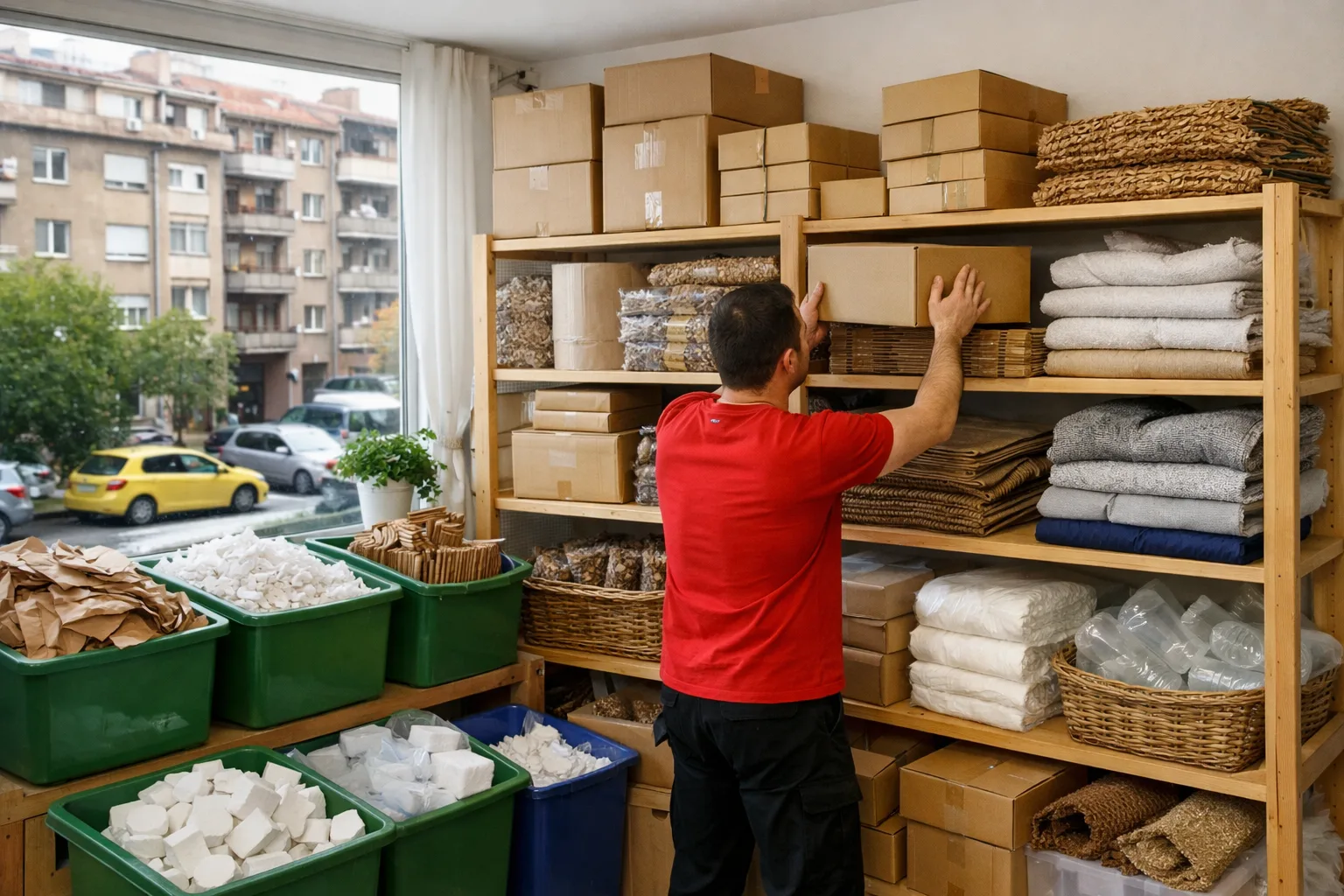
Before you start buying packing materials, it is important to make a detailed assessment of your needs. This involves making a list of all the items you plan to pack, estimating their size, weight, and fragility. An accurate assessment helps avoid unnecessary expenses and ensures you have everything you need.
Precise planning helps avoid buying excess materials, saving money and storage space. It also allows you to determine in advance which types of boxes and protection you need, as well as how much tape, film, or paper will be sufficient. Good organization can significantly speed up the packing process and reduce stress.
While it is important not to buy too much, it is advisable to have a small reserve of materials for unforeseen situations during packing. Good planning reduces stress and ensures the entire process runs smoothly without unnecessary delays. Also, keeping track of material consumption can help with future moves or storage.
Besides classic cardboard boxes and protective films, there are other materials you can use for packing that are often cheaper and easily accessible. For example, plastic garbage bags can serve to protect clothing or soft items from moisture and dust, especially when combined with other materials.
Bubble wrap can be replaced with old pillowcases, towels, or clothing, which provide good cushioning for fragile items. This approach is especially useful if you already own these items and want to avoid extra expenses. Additionally, this method is more environmentally friendly as it reduces plastic usage.
Also, cardboard drawers or plastic boxes you have at home can be reused for storage and transport. By combining different materials, you can achieve good protection for your items while simultaneously reducing overall packing costs. Creativity in using available resources can significantly contribute to savings.
Specialized packing stores offer a wide range of materials, including boxes of various sizes, tape, protective films, styrofoam, and other supplies. These stores often have seasonal promotions and discounts, so it’s useful to follow their offers to buy quality materials at affordable prices. Subscribing to newsletters or following social media can help you not miss these deals.
Besides sales, the staff at these stores can provide expert advice on choosing the right materials for your specific needs. This is especially important if you are packing for the first time or have fragile and valuable items that require extra protection. Don’t hesitate to ask questions and request recommendations.
If you want to avoid stress and save time, you can consider hiring professionals – many specialized stores also offer packing services for moves, which is particularly useful if you have valuable or fragile items and want additional security.
Advantages of Professional Packing Before Moving in Belgrade
We will respond to you as soon as possible.
Below we answer the most common questions related to finding and using inexpensive packing materials to further simplify your moving or storage process.
You can most often find free cardboard boxes at local supermarkets, electronics stores, pharmacies, and furniture shops. It is recommended to contact the managers or staff of these establishments and ask for boxes left over after unloading goods.
Yes, old newspapers can be a good material for packing fragile items if they are dry and clean. However, caution is needed because printed ink can transfer onto sensitive surfaces, so it’s better to wrap items that are not directly sensitive to color or use additional protective layers.
It is recommended to make a list of the items you are moving, estimate their dimensions and fragility, and accordingly determine the quantity of boxes and protective materials needed. You can also consult online calculators or ask for advice at stores.
Instead of expensive protective film, you can use old towels, clothes, cotton t-shirts, or pillowcases to wrap fragile items. Also, plastic bags can serve as moisture protection, but make sure they are sturdy and clean.
Buying in bulk is cost-effective if you need a larger quantity of materials or plan multiple moves. For smaller needs, you might end up with excess materials that won’t be used, which can increase overall costs.
Look on Facebook or other social networks for groups with names that include your city’s name and keywords such as "free boxes", "packing", "moving", or "material exchange". Join and regularly follow posts or submit your own requests.
Plastic bags can be used for packing soft items like clothing and bedding, especially for moisture protection. Their advantage is that they are easily accessible and often free, but they are not suitable for heavy or fragile items as they do not provide impact protection.