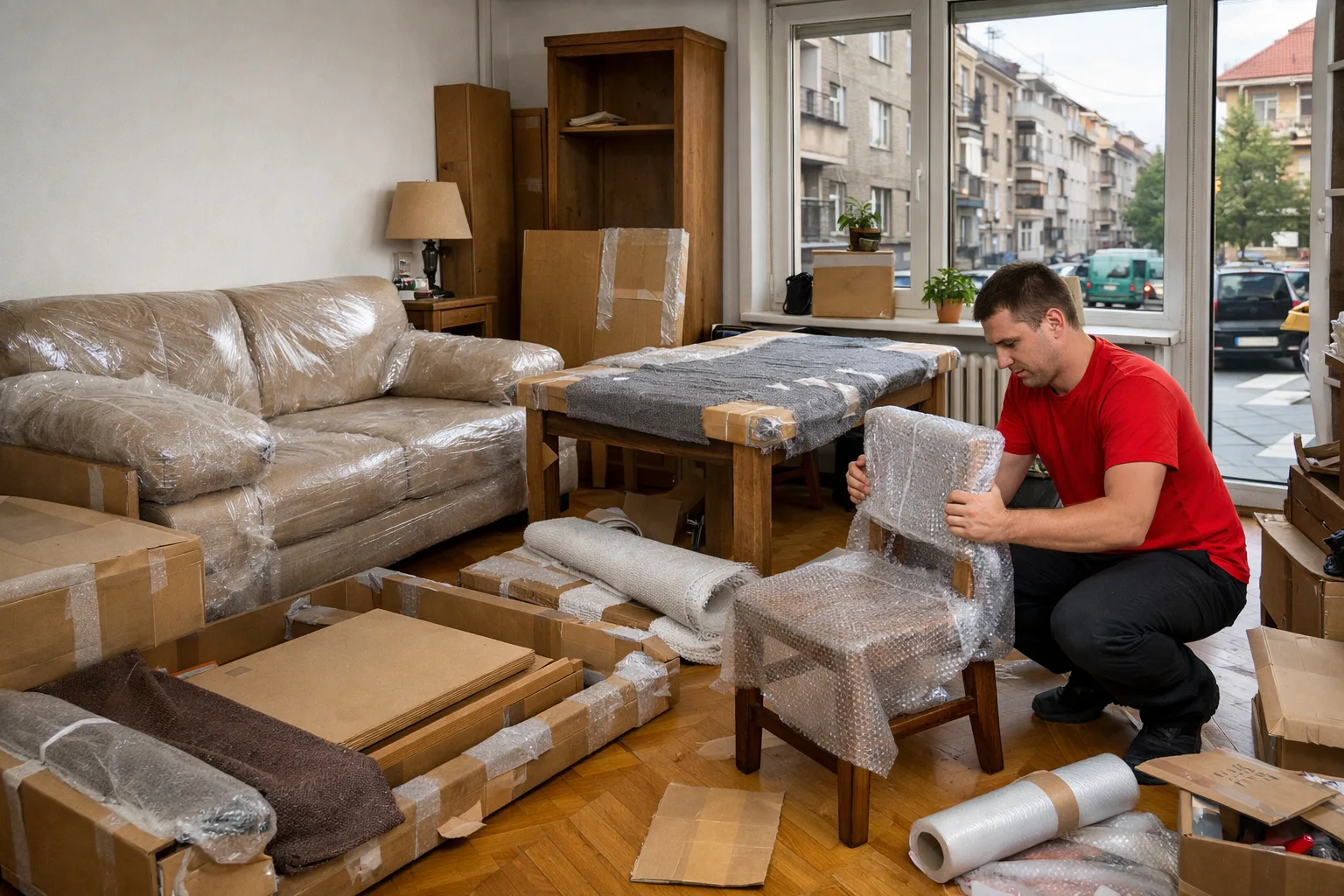
Tips for International Moves
How to Pack Furniture for a Move to Germany?
How to Pack Furniture for a Move to Germany?

Enter at least 3 characters.
Vienna, the capital of Austria, represents a blend of rich history, impressive architecture, and vibrant culture. For those moving or planning a visit, familiarizing yourself with the city's key attractions can greatly enrich your experience. In this guide, we present five must-see locations in Vienna that will help you better understand the spirit of the city and make your stay unforgettable. Whether you are an art lover, history enthusiast, or simply want to explore Vienna's charm, this guide is the perfect start to your journey. We will also provide practical tips on how to best organize your visit, where to go, and what to expect, so you can make the most of your time in this fascinating city.
Schönbrunn Palace is one of Vienna's most important landmarks and the former summer residence of the Habsburg monarchy. With over 1,400 rooms, this Baroque complex offers insight into the splendor and power that adorned the Austrian aristocracy. Visitors can tour the interior halls, magnificent gardens, and the zoo, the oldest in Europe.
Schönbrunn is not only an architectural gem but also a venue for numerous cultural events, including classical music concerts. For those moving to Vienna, this place offers a perfect introduction to the city's rich history and culture. If you are planning a move from Serbia, consider moves from Austria to Serbia or vice versa to ease your arrival and enjoy all of Vienna's sights from day one.
Plan your visit earlier in the day to avoid crowds, especially during the summer months. Tickets can be purchased online, which is recommended for group tours or families.
For practical organization, it is advisable to contact the tourist information near the palace, where you can get maps and audio guides in Serbian. Also, nearby are restaurants serving traditional Austrian cuisine, ideal for a break after touring. If arriving by public transport, use tram lines 10 or 60, which go directly to Schönbrunn.
St. Stephen's Cathedral is a symbol of Vienna and one of the most beautiful examples of Gothic architecture in Europe. Its distinctive colorful tiled roof and tall towers dominate the city center skyline.
The interior of the cathedral is impressive, with rich decorations and religious artworks. It is possible to climb the southern tower, offering a panoramic view of Vienna, perfect for the first walks of a new city resident.
For those coming to Vienna for studies or work, the cathedral is also a place where various religious and cultural events are frequently organized, providing an opportunity for integration and getting to know the local community.
When visiting, keep in mind that entrance to the cathedral is free, but there is a ticket fee for climbing the tower. It is recommended to wear comfortable shoes as the ascent to the tower is demanding. Additionally, there are numerous shops and cafes near the cathedral where you can try traditional Viennese strudel or coffee.
For those who want a more detailed experience, guided tours are available in multiple languages, including Serbian, which can be booked through travel agencies or online.
Albertina is one of the most important museums in Vienna, known for its impressive collection of graphics, drawings, and paintings by world-renowned artists. Its exhibition halls feature works by Picasso, Dalí, and other greats of modern art.
Visiting this museum is a real treat for art and culture lovers, as well as for those who want to familiarize themselves with Vienna's artistic heritage. The museum is located in the city center, making it easily accessible upon arrival in Vienna.
For those planning a longer stay or moving to Vienna, Albertina also offers educational programs and workshops, which can be an excellent way to get involved in the local art scene.
Practical advice includes purchasing tickets in advance through the museum's official website to avoid waiting in lines. The museum is open every day except Monday, and opening hours vary throughout the year, so it is advisable to check current information before your visit.
Near the museum, there are numerous cafes and restaurants, as well as Heldenplatz square, which is suitable for a short break. Also, Albertina is located close to the "Karlsplatz" metro station, facilitating access by public transport.
The Vienna State Opera is one of the most important cultural venues in the city and represents a symbol of Vienna's musical tradition. Hundreds of performances are held here annually, ranging from classical operas to ballets.
Visiting the opera can be an unforgettable experience, especially for those who want to experience the authentic Viennese atmosphere. Tickets can be reserved in advance, and guided tours of the opera house are also available for those interested in learning more about its history.
For those moving to Vienna, getting acquainted with the opera can also be an opportunity for socializing and connecting with locals through shared interests.
When planning your visit, keep in mind that ticket prices vary depending on the type of performance and seating location. There are also discounted options for students and young people, as well as last-minute tickets sold shortly before the performance at significantly lower prices.
It is recommended to dress appropriately, as the Vienna State Opera is known for its formal atmosphere. Guided tours are available in several languages and last about 40 minutes, providing insight into the history and architecture of the building. It is best to book them in advance through the official website.
Prater is a large public park and entertainment complex in Vienna, famous for its giant Ferris wheel, which is one of the city's symbols. This park offers a variety of recreational and leisure activities, from walking and cycling to adrenaline rides.
The giant Ferris wheel offers a fantastic view of Vienna, especially in the evening when the city is illuminated. Prater is an ideal destination for families and those who want to relax after moving from Austria to Serbia or arriving in a new city.
Near Prater, there are also restaurants and cafes where you can enjoy traditional Austrian cuisine, further enhancing the authentic Viennese experience.
For a practical visit, it is recommended to wear comfortable shoes and prepare for longer walks as the park is very spacious. Entrance to the park is free, while tickets for the ferris wheel ride are purchased separately.
Prater is easily accessible by public transport, including the U1 metro line which has the "Praterstern" station. Additionally, there are numerous bike and electric scooter rentals in the park, which can be a fun way to explore the area.
During holidays and weekends, Prater often hosts various events and festivals, so it is useful to check the event calendar before your visit.
The Museum of Art History in Vienna is one of the most important museological institutions in Europe, with a rich collection that includes works by old masters, Egyptian art, and ancient artifacts.
This museum is an excellent choice for those interested in a deeper study of art and history, and its central location in Vienna provides easy access for tourists and new residents.
Regular exhibitions and special events at the museum offer opportunities for continuous education and familiarization with various artistic styles and cultural periods.
Visitors should know that the museum offers audio guides in multiple languages, including Serbian, which can greatly enrich the experience. Tickets can be purchased online or on-site, and it is recommended to arrive in the morning to avoid crowds.
The museum also features a café-restaurant with a view of MuseumsQuartier, ideal for rest and refreshment during longer tours. Additionally, workshops and lectures are regularly organized, which may be interesting for those wishing to engage more deeply with Vienna's art community.
Hundertwasserhaus is a unique residential building in Vienna, known for its unusual architecture and use of bright colors. It was designed by artist Friedensreich Hundertwasser, making this building a symbol of creativity and sustainability.
Visiting this neighborhood is especially interesting for those moving to Vienna who seek inspiration in urban life and architectural innovation. The building exemplifies how art can influence everyday life and living spaces.
Nearby is a museum dedicated to Hundertwasser's work, where you can learn more about his ideas and philosophy, which can be motivating for new city residents.
For practical information, visitors are advised to come in the morning or late afternoon to avoid crowds and enjoy photography and sightseeing in more detail. Nearby, there are also cafés with a pleasant atmosphere, ideal for relaxation.
Also, the museum frequently hosts workshops and lectures on sustainable architecture and ecology, which can be useful for those planning to engage in similar topics or wanting to get involved in the local community.
The Vienna Ring is a wide boulevard encircling the city center, known for impressive buildings and monuments along its route. Walking this area provides insight into Vienna's architecture and history, including the parliament, university, and museum buildings.
For those moving to Vienna, the Ring is an ideal place to get to know the city on foot, with many cafés and restaurants where you can enjoy traditional Austrian cuisine and the Viennese café atmosphere.
Regular events, such as parades and festivals, are often held on this boulevard, further contributing to the city's vibrancy and cultural richness.
Practical tips include using public transport, such as tram lines 1 and 2, which run along the ring and allow easy stops at desired locations. Also, during warmer months, walking in the evening is recommended when the boulevard is illuminated and the atmosphere is especially pleasant.
For photography enthusiasts, the ring offers numerous opportunities to capture architectural details and cityscapes. Nearby, there are also many bookstores and galleries that can be interesting for further exploration of Viennese culture.
How to Pack Furniture for a Move to Germany?
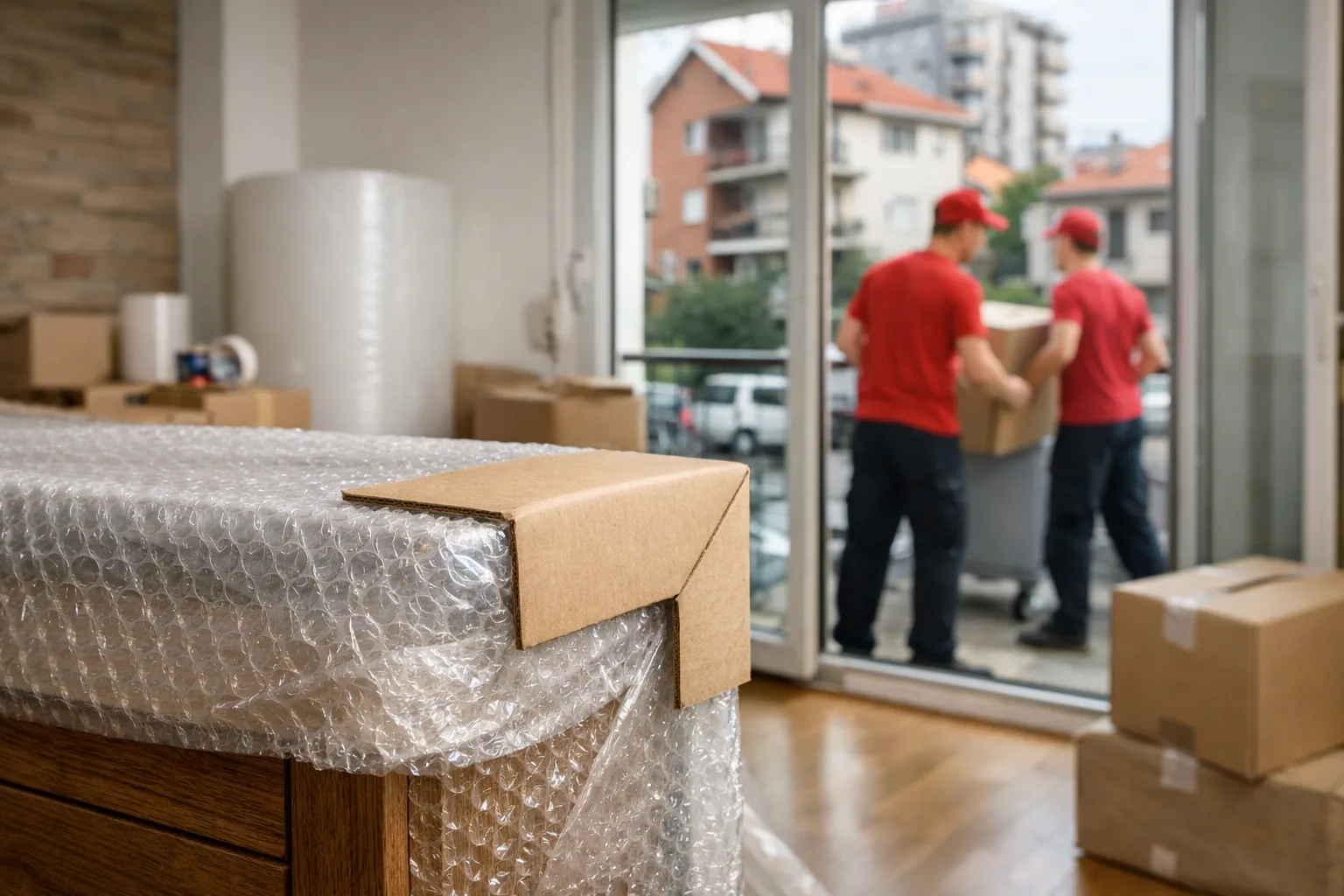
How to Move Furniture from Abroad to Serbia

Common Mistakes Made During International Moves

How to Save Money on an International Move?
We will respond to you as soon as possible.
Below are answers to the most common questions related to visiting and exploring five key landmarks in Vienna, which can help anyone moving or planning a stay in this city.
The best time to visit Schönbrunn Palace is early in the morning or late in the afternoon, especially outside the summer season, to avoid crowds and enjoy a more pleasant atmosphere for touring.
Yes, tickets for the Vienna State Opera can be booked through the official website, which is recommended due to high demand and limited seating.
St. Stephen's Cathedral is located in the very center of Vienna and is easily accessible on foot or by public transport, including metro and tram lines that stop at stations nearby.
The Albertina Museum offers a rich collection of artworks and educational programs, making it an ideal place for art lovers and those wishing to connect with local culture.
Yes, the Vienna Ring is wide and safe for walking, with many green areas and resting spots, making it suitable for family strolls and enjoying the city's ambiance.
The interior of the residential building is not available for photography as it is private space, but the exterior and surrounding parks are publicly accessible and frequently photographed.
Besides the Ferris wheel, the Prater offers running paths, cycling trails, playgrounds, and various entertainment options, making it ideal for active recreation and relaxation.