
Reasons to Hire a Professional Moving Agency
Reasons to Hire a Professional Moving Company

Enter at least 3 characters.
Moving is one of the most stressful events in life, and an additional challenge is properly packing food. Improper storage and transport of food can lead to spoilage, loss of nutritional value, and even health issues. Therefore, it is important to know in advance which types of food are suitable for moving, how to pack them correctly, and what to pay attention to during transport. In this guide, we will provide detailed advice and practical information to help your food arrive fresh, safe, and ready to use in your new home, without unnecessary waste and stress.
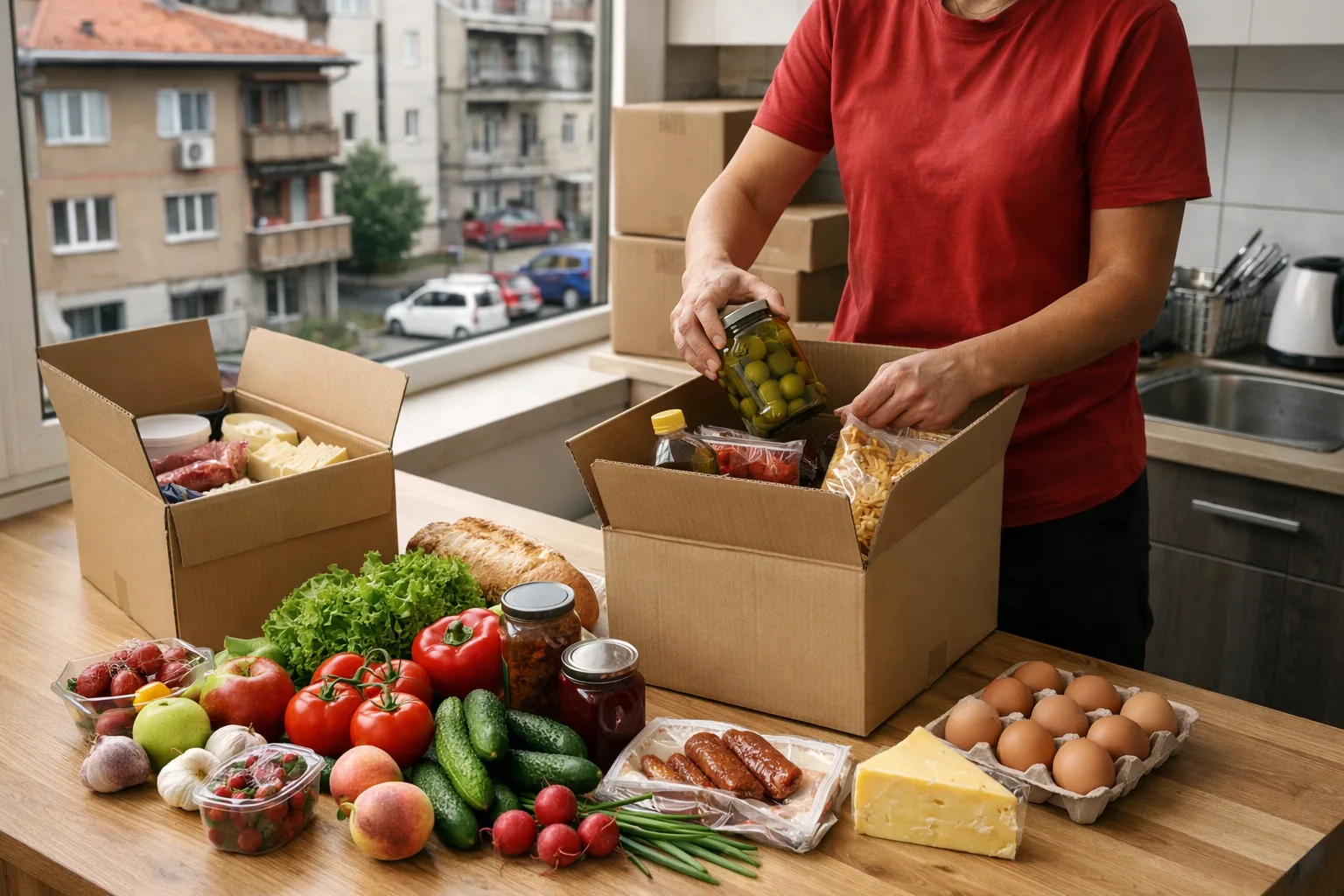
Fresh vegetables and fruits are the most sensitive products when it comes to moving, as they quickly lose moisture and spoil easily if not stored properly. For example, leafy greens like lettuce and spinach wilt quickly, while strawberries and berries rot easily. It is advisable to consume this food a few days before moving or give it to friends or neighbors to avoid waste and unpleasant odors during transport.
Dairy products require constant low temperatures, which can be difficult to maintain during moving. Yogurt, milk, cheese, and sour cream spoil quickly if not refrigerated. If you don't have coolers or a fridge in the vehicle, it's better to consume or donate them before moving. Also, keep in mind that even short exposure to warm temperatures can affect the quality and safety of dairy products.
Fresh meat, fish, and seafood are the most perishable as they require continuous refrigeration. If the move takes longer or you lack proper cooling equipment, it's best to consume these products or give them to someone who can use them. Also, plan to buy or prepare them only after arriving at your new home to avoid health risks and unpleasant situations.
Dry goods such as pasta, rice, legumes, and cereals are ideal for moving because they do not require special storage conditions and have a long shelf life. You can pack these products in advance, and when packing, ensure the packaging is intact and well sealed to prevent moisture and pests from entering.
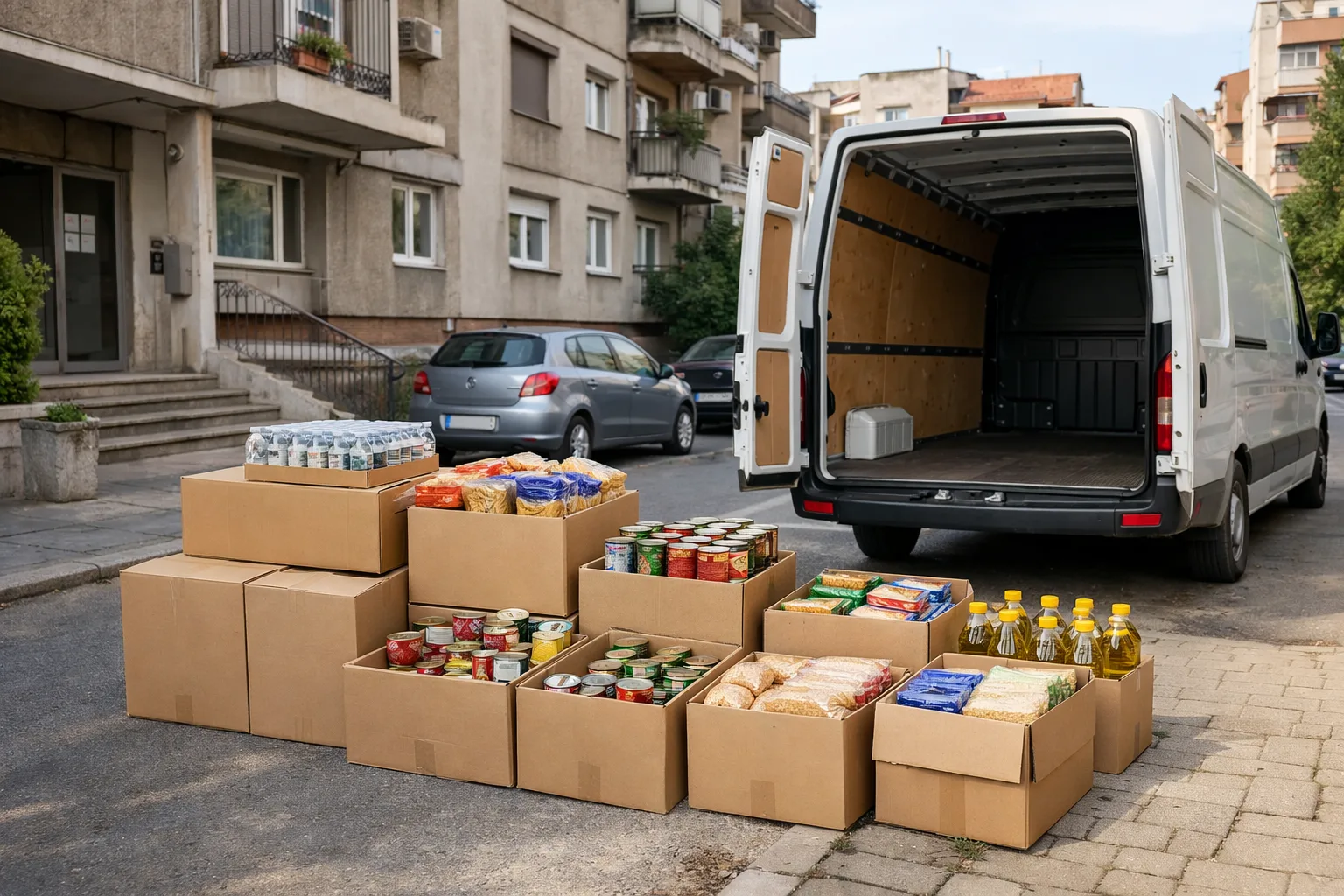
Canned food is extremely practical for long trips because it is hermetically sealed and does not require refrigeration. Before packing, check that cans are not damaged or bulging, as this may indicate spoilage. Pack them in sturdy moving boxes that will prevent shifting and damage during transport.
Dried fruit, nuts, and seeds are lightweight and nutritious products that are easy to pack and have a long shelf life. It is recommended to pack them in airtight bags or containers to prevent moisture and pests. These products are an excellent choice for snacks during the move and can help you maintain energy throughout a busy day.
Frozen food can be safely transported if you have the appropriate equipment such as cooler bags, insulated boxes, or a refrigerator in the vehicle. It is recommended to use gel ice packs or dry ice to maintain a low temperature throughout the transport. It is important to pack the food just before departure to keep it frozen as long as possible.
Before moving, keep the freezer running until the last moment to ensure the food stays in optimal condition. Upon arrival at your new home, immediately transfer the frozen food to a refrigerator or freezer. If the move takes longer than a few hours, plan breaks and check the food temperature to prevent thawing and spoilage.
If you do not have the means to transport frozen food properly, it is safer to consume or donate it before moving. Improper handling of frozen food can lead to bacterial growth and health issues. Also, keep in mind that thawed food is not recommended to be refrozen, so it is important to plan the quantities you will transport.
Canned food is practical because it has a long shelf life and does not require refrigeration, making it ideal for moving. You can bring various types of cans, including soups, vegetables, fruits, and ready meals, without worrying about spoilage during transport. This is especially useful if the move takes longer or if you do not have immediate access to a refrigerator upon arrival.
When packing cans, check that they are not dented, crushed, or damaged in any way, as this can compromise the seal and food safety. Pack them in sturdy boxes with compartments or lined with paper to prevent movement and impacts during transport, which could cause leaks or damage.
Packaged food in bags or plastic packaging, such as cookies, snacks, instant products, and spices, is easy to pack and carry. Keep the original packaging and additionally protect them in boxes or bags for hygiene and to prevent breakage. Also, label the boxes to easily find the needed products upon arrival.
Fresh baked goods and ready meals prepared before moving are not recommended for transport because they spoil quickly and can cause unpleasant odors and health risks. If you plan to bring them, consume them no later than on moving day or share them with family and friends to avoid waste.
Alcoholic beverages like wine, beer, and liqueurs require careful packing due to fragile packaging. It is recommended to use special bottle boxes or bubble wrap to prevent breakage during transport. Also, bottles should be placed upright and securely to avoid tipping and damage.
Avoid carrying food that is very sensitive to temperature and humidity changes, such as creamy cakes, mayonnaise, and freshly prepared salads. These products are potential sources of spoilage and can cause health problems during the move, especially if not properly chilled or exposed to temperature fluctuations.
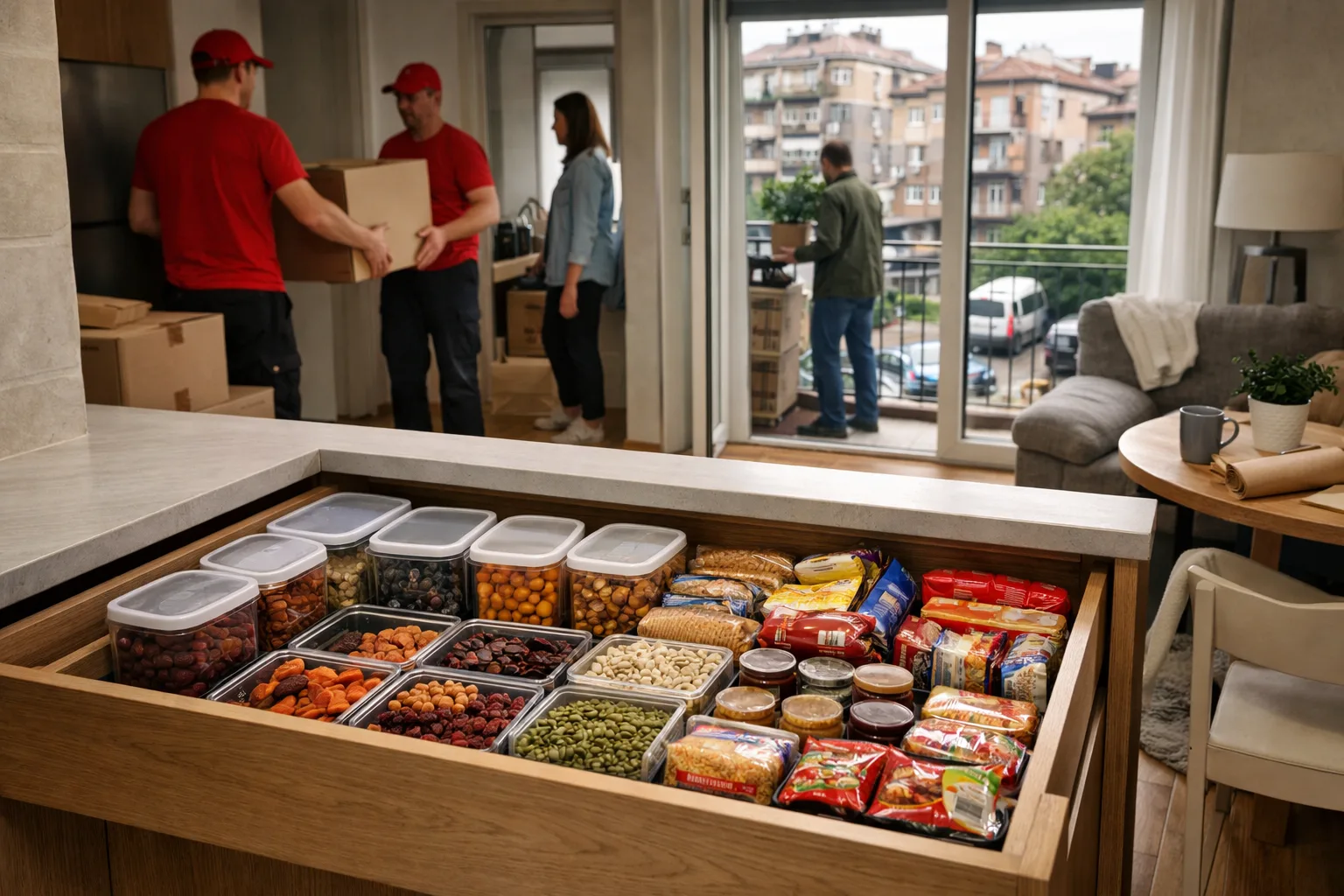
Use sturdy moving boxes for packing food that can withstand the weight of the contents and protect them from damage. It is recommended that boxes be labeled differently, for example "Food – fragile" or "Food – do not open until unpacking," to facilitate organization and handling during the move.
Use plastic bags, vacuum bags, or containers with lids for packing food that may leak or has a strong odor. This will prevent spills and mixing of odors with other items in the vehicle or boxes. Also, vacuum sealing can extend the freshness of some products and reduce the space they occupy.
Arrange food so that heavier boxes are at the bottom and lighter ones on top to prevent damage to the contents. Do not overfill boxes as this can lead to crushing and spoilage of food. For products that require refrigeration, plan their transport and packing with professional assistance, ensuring they are exposed to room temperature as briefly as possible.
During summer months, high temperatures can quickly spoil food, especially those requiring refrigeration. It is recommended to use cooler bags or a refrigerator in the vehicle, as well as frequently check the food temperature during the trip. Also, avoid leaving food in the vehicle under the sun or in enclosed spaces where the temperature rises rapidly.
In winter conditions, cold can help preserve food, but freezing products not meant for it, such as vegetables or fruits that may lose their texture, should be avoided. Also, ensure that food is not exposed to moisture, which can cause spoilage or damage to packaging, especially cardboard boxes.
During moves in rainy or snowy conditions, it is important to additionally protect food with waterproof bags or foils. Boxes with food should be placed in areas that will not come into contact with moisture or dirt during loading and unloading. Also, plan your route to avoid prolonged stops in places where food could be exposed to unfavorable conditions.
Plan your food packing in advance and make a detailed list of the products you want to take. Sort them by type and priority so you know what needs to be consumed immediately and what can wait for transport. This will help you avoid unnecessary carrying and food waste.
Use up remaining products from the kitchen and refrigerator before moving day. This way, you will reduce the amount of food to be transported and simplify organization. Also, consider donating food you won’t need, which is an environmentally friendly solution.
If you have specific dietary needs or allergies, clearly label boxes with food so you can easily find them upon arrival at your new home. Also, pack basic groceries and snacks you will need immediately after moving, until you organize your kitchen and buy fresh products.

Reasons to Hire a Professional Moving Company
Moving with the Help of Friends or Professionals – Which to Choose?

5 Items Professional Moving Companies Will Not Transport
We will respond to you as soon as possible.
Below we answer the most common questions that arise regarding packing and transporting food during a move. These tips will help you avoid mistakes and problems in this important aspect of relocation.
Open liquid products can be carried, but they must be carefully packed in sturdy, leak-proof containers and tightly sealed. It is recommended to additionally wrap them in plastic bags and pack them upright to prevent spills and stains in the boxes.
For moves lasting several hours or days, it is recommended to carry only food with a long shelf life that does not require refrigeration. If you must transport perishable items, be sure to use coolers or refrigerators in the vehicle and plan regular refreshing with ice or gel packs.
You can carry homemade pastries and cakes, but it is important that they are well packed in airtight boxes or containers that protect against moisture and breakage. Also, it is recommended to consume them as soon as possible after the move since they are not long-lasting products.
Fresh dairy products should only be carried if you can keep them at a low temperature throughout the journey. If this is not possible, it is better to consume or give them away before the move to avoid spoilage and unpleasant odors.
You can carry canned food in larger quantities, but it is important that the cans are undamaged and properly packed to prevent damage during transport. It is advisable to distribute them into smaller boxes to reduce the risk of breakage and make carrying easier.
Glass bottles and jars should be packed individually in bubble wrap or thick cloths, then placed upright in sturdy boxes. Also, leave space between them and fill gaps with paper or styrofoam to prevent movement and breakage.
It is not recommended to carry high-water-content foods, such as watermelon or cut watermelon pieces, during a move because they spoil easily and require special storage conditions. It's better to consume or give them away before relocating.