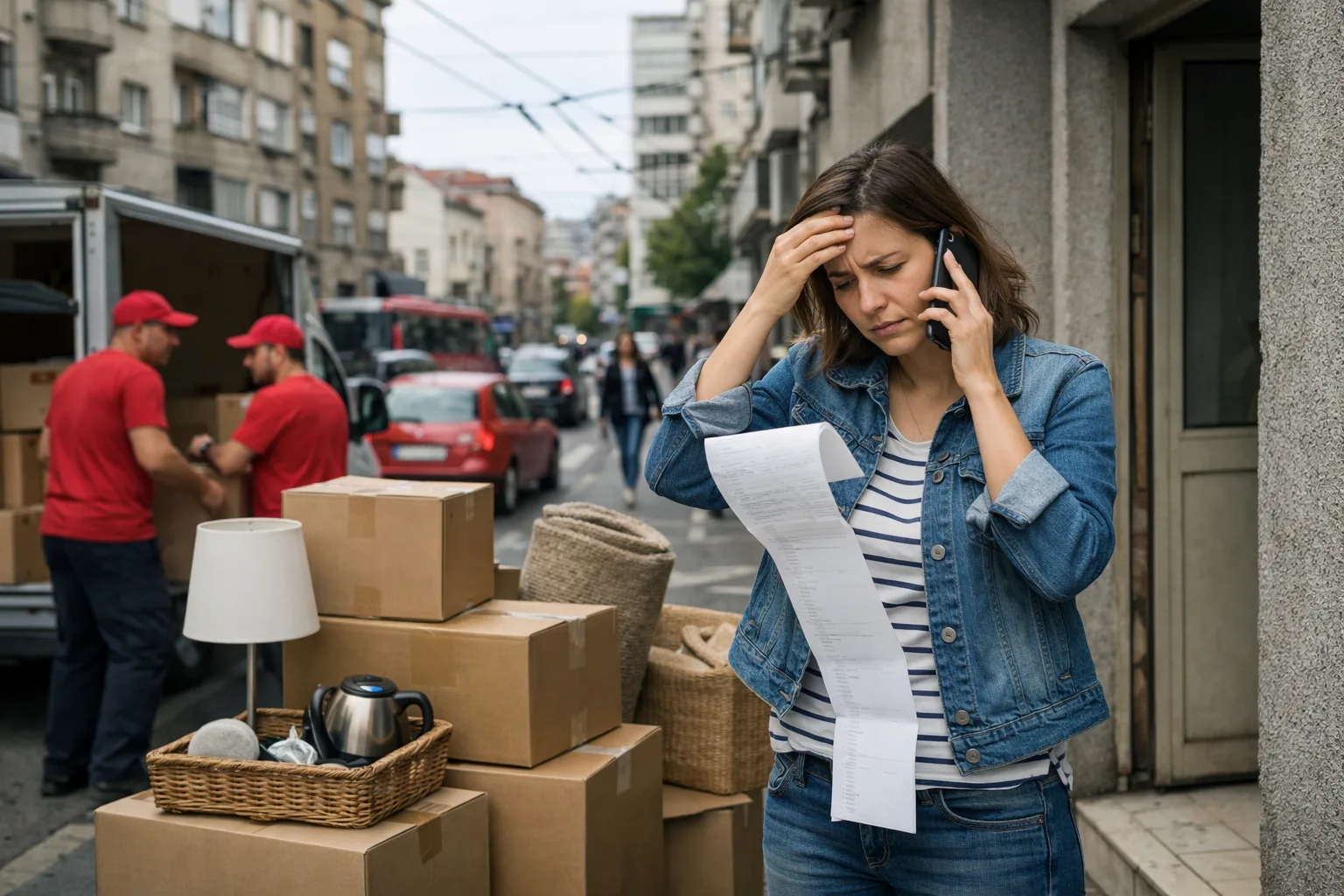
Tips for moving in Belgrade
How to reduce moving costs in Belgrade?
How to reduce moving costs in Belgrade?

Enter at least 3 characters.
Moving to Belgrade can be a major challenge, especially when it comes to the packing process itself. Proper organization and planning are key to a successful move without stress and unnecessary complications. In this guide, we will thoroughly explain how and where to start packing, which steps to follow, and what to pay attention to so that your transition to a new home goes smoothly and efficiently. Additionally, we will provide practical tips to help you save time and money, as well as protect your belongings from damage during transport. Whether you are moving from an apartment or a house, within Belgrade or from another location, these tips will be very helpful to make the process as painless as possible.
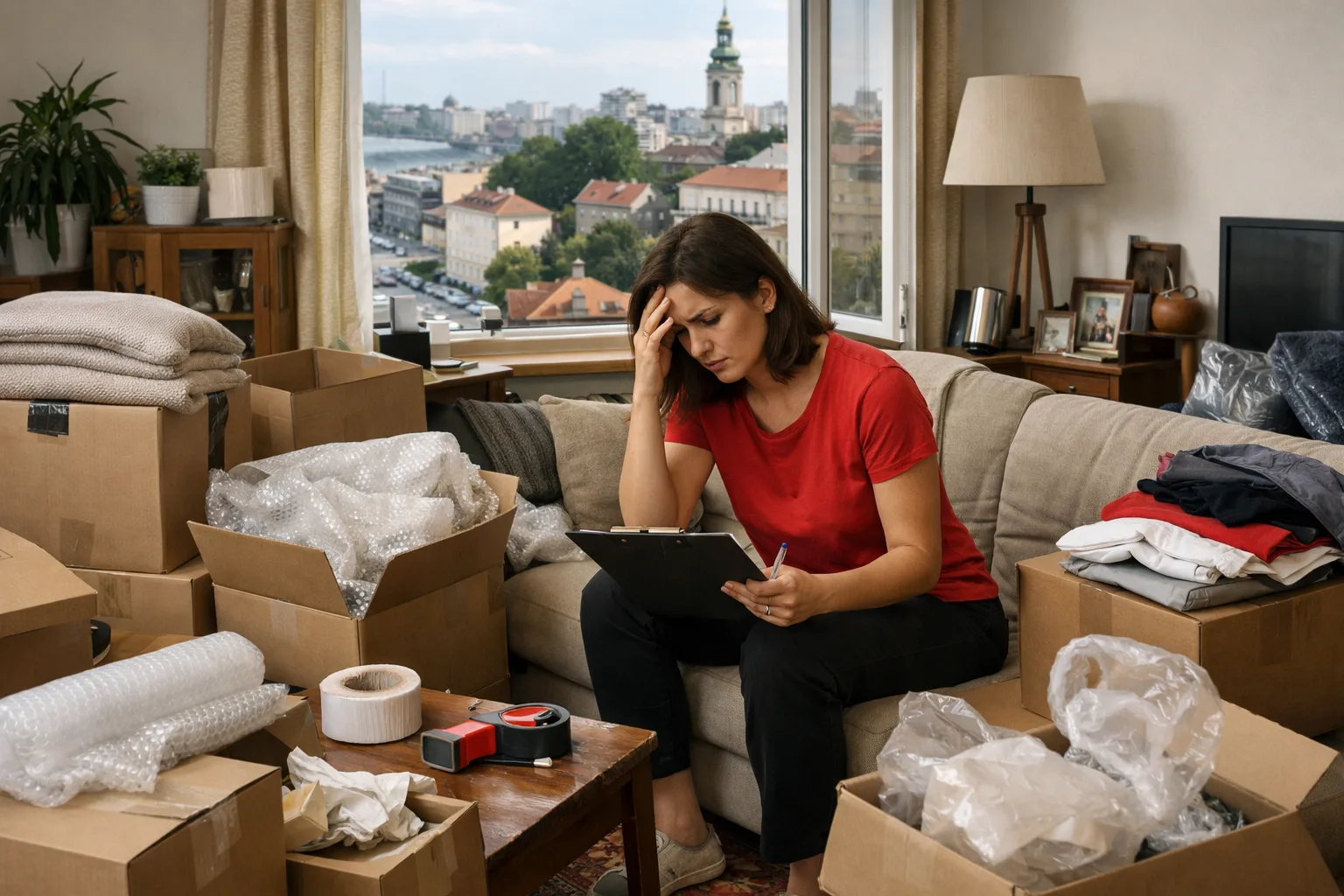
The first step before packing is a detailed assessment of all the items you plan to take with you. This involves going through every part of your apartment or house and making a list of items you will pack, donate, or discard. This way, you can anticipate how much packing material you will need and how much space your belongings occupy. Additionally, the assessment helps you identify items you may not use often, allowing you to consider selling or donating them, thereby reducing the volume of items to transport.
After the assessment, it is important to create a clear packing plan. Divide items by rooms and types, for example clothing, kitchen utensils, books, and documents. Planning in phases will make organization easier because you will know the order in which to pack and what to finish first. Also, scheduling a timeframe for packing reduces the chance of rushing before the move. It is recommended to start packing the least used rooms and items, leaving everyday essentials for last.
Take into account the specific requirements of Belgrade as a destination, such as location accessibility, availability of parking for the moving vehicle, and potential time restrictions. These factors can affect the pace and strategy of packing, so include them in your plan. For example, if your new address is in the city center with limited parking spaces, plan for the moving vehicle to arrive during off-peak traffic hours. Also, check if there are local regulations or permits required for parking the moving vehicle.
Additionally, consider hiring a professional moving service familiar with the specifics of Belgrade conditions. They can assist in planning and executing moves in Belgrade, as well as in modern packing techniques that save space and protect your belongings.
For a successful move to Belgrade, it is essential to secure quality packing materials that will protect your belongings during transport and storage. This includes various sizes of moving boxes, protective films, wrapping paper for fragile items, tape, markers for labeling, and packing bubbles. When purchasing materials, pay attention to the quality of the cardboard; thicker and sturdier cardboard provides better protection and reduces the risk of damage.
When choosing boxes, consider the weight and size of the items you are packing. Heavier items such as books or kitchen appliances should be packed in smaller, sturdier boxes, while lighter and larger items can go into bigger boxes. Use bubble wrap for fragile items like glass and ceramics. You can also use old towels or clothing as additional padding inside boxes, which is an economical and practical approach.
Buying materials at specialized stores in Belgrade can be more affordable and of higher quality compared to improvised methods. Also, if you use professional moving companies, check if they provide packing materials or have recommendations on where to obtain them. Sometimes it is possible to rent or buy boxes that have been used before but are still in good condition, which can be more environmentally friendly and cheaper.
Don’t forget to get additional materials such as stretch wrap for protecting furniture and electronic devices, as well as tape for sealing boxes. Clearly label each box with markers according to its contents and the room it belongs to, which will save you time during unpacking.
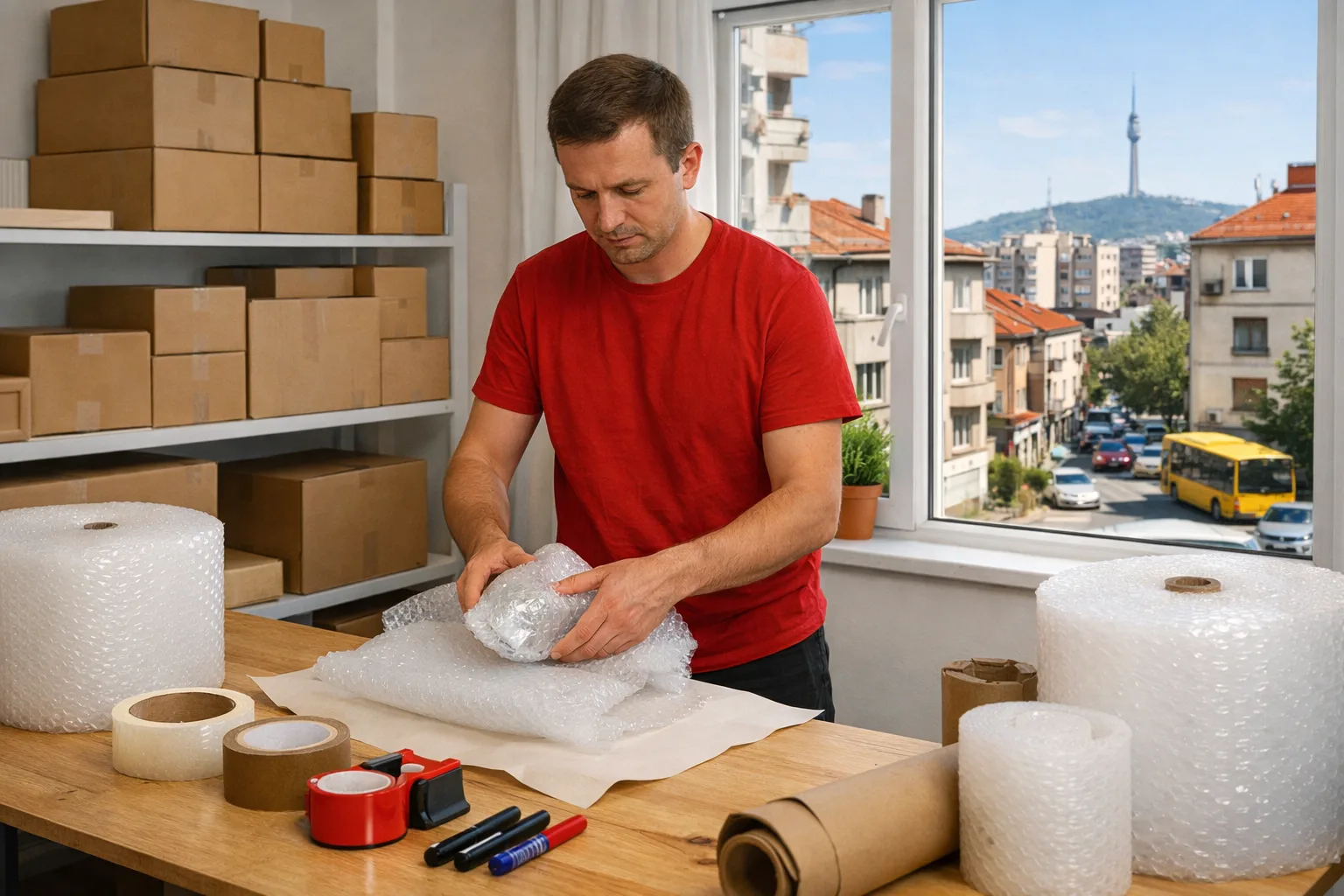
Before you start packing, it is important to prepare an adequate workspace. This can be a part of a room or a separate space where you can arrange your belongings, packing materials, and boxes. A good workspace enables more efficient work and reduces the risk of losing or damaging items. Ideally, the space should be well-lit and ventilated, which contributes to better concentration and comfort during work.
If you live in an apartment, try to free up a corner or a room for temporarily storing packed boxes. This way, you will have control over the process and can more easily track what has already been packed and what still needs to be done. Always keep basic tools like scissors, tape, and markers at hand. Organize materials so that everything is easily accessible, avoiding unnecessary searching and time loss.
Pay attention to the safety of your workspace. Clear the floors of obstacles and keep packing materials tidy to avoid creating chaos that could slow down the process or cause injuries. Also, if you have children or pets, make sure the workspace is safe for them as well to prevent accidents or damage to belongings.
Additionally, consider setting up a table or work surface where you can pack smaller items. Organize boxes according to packing stages, for example, those ready for transport and those still in the packing process. This will help you maintain order and efficiency throughout the entire process.
The most efficient packing method is to pack items by rooms, as this facilitates unpacking at the new address. It is recommended to start with rooms that are used less frequently, such as the guest room or storage, leaving the living room and kitchen for last. This approach reduces stress and allows access to essential items until the very end.
Besides dividing by rooms, it is important to identify items you will need up until the moving day. For example, pack clothes, basic kitchen supplies, and personal items last so you have them readily available. Also, prepare a separate box or bag with items you will need immediately upon arrival at your new home, such as basic cutlery, hygiene products, and medications.
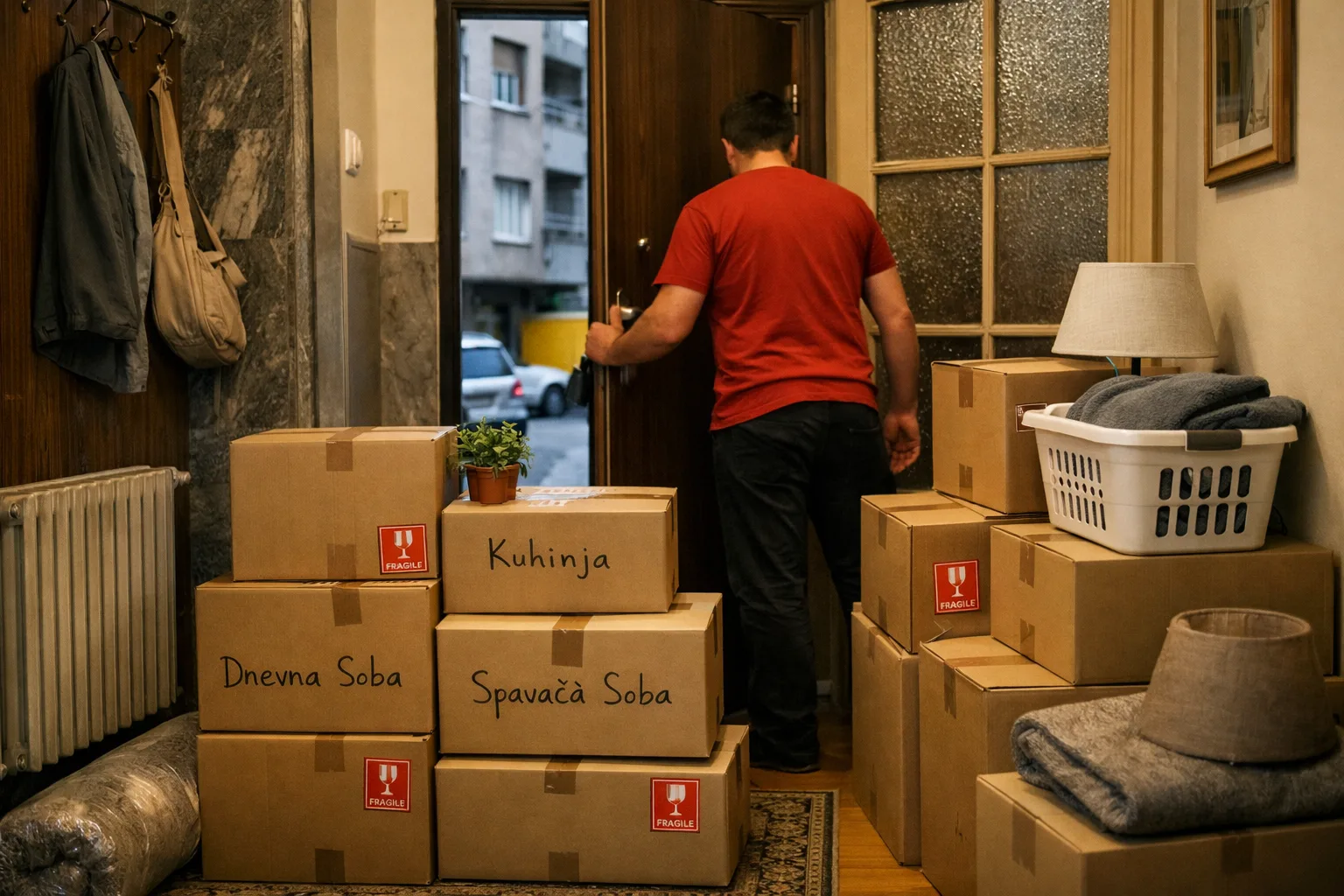
Labeling boxes by room and contents will further help you navigate unpacking more easily. Use large, clear labels and possibly different colors for each room. You can also use numbers or symbols, along with a list to help you quickly find specific items. This is especially useful if you hire a moving company, as they will know where everything should go.
Also, when packing by rooms, pay attention to the weight of the boxes. Keep heavy boxes with books or tools smaller and easier to carry, while lighter items like bedding and pillows can be packed in larger boxes. This will facilitate transport and reduce the risk of injuries.
Fragile items require special care when packing. Use bubble wrap, old newspaper, or special packing cushions to prevent damage during transport. Wrap each item individually and place it in a box with appropriate cushioning around it. Also, leave space between items filled with paper or foam to prevent movement.
For valuable items such as jewelry, artwork, or important documents, it is advisable to carry them with you or mark them separately and keep them in a safe place during the move. Consider additional insurance with professional moving services if you are transporting particularly valuable items. Also, take photos of valuable items before packing as proof of condition in case of damage or loss.
Don’t forget to check that boxes with fragile items are clearly labeled and avoid placing them at the bottom or under heavier boxes, as this can cause breakage. Place them on top or in separate boxes marked "fragile." If you have glass or ceramic items, consider using specialized boxes or even transporting these items personally if possible.
Also, when packing artwork or antiques, consult experts or moving companies experienced in transporting such items. They can offer specialized moving services for special cargo and materials for maximum protection.
You can pack clothes in various ways depending on the quantity and type of garments. For seasonal clothes that are not used often, folding and packing in boxes is a good choice. Use plastic boxes or vacuum bags that save space and protect clothes from moisture. Vacuum bags are especially useful if you have limited space for transport or storage.
For clothes you need until the moving day, it is recommended to pack them in wardrobe boxes with a hanging rod. This way, clothes remain ironed and ready to wear after the move. These boxes are practical because they keep garments organized and easily accessible.
Towels, bedding, and other textiles can be packed together in larger boxes or bags. It is important that everything is clean and dry before packing to avoid unpleasant odors or damage. You can also use plastic bags or covers for additional protection against dust and moisture during transport.
Additionally, if you have delicate fabrics or expensive clothing, consider using special covers or boxes that protect against wrinkling and damage. When unpacking, first take out the clothes you will need for the first days in your new home to avoid unnecessary searching.
Technical equipment such as computers, televisions, and household appliances require careful packing due to their sensitivity and susceptibility to damage. Before packing, unplug all devices and thoroughly clean them from dust and dirt. This will help prevent issues when reconnecting and extend the lifespan of the devices.
Bundle cables and accessories into separate small boxes or bags that you clearly label to avoid losing them and to facilitate reassembly. Use elastic bands or ties to neatly secure the cables. It is recommended to write on each bag or box which device the cables and accessories belong to.
If you have the original boxes and manuals for the equipment, it is best to use them as they are designed to provide optimal protection during transport. If you don't have them, wrap the devices in soft materials and secure them firmly in boxes. Also, avoid placing heavy items on boxes containing technical equipment to prevent damage.
Additionally, consider taking photos or notes on how cables are connected and devices are arranged before disassembling. This will make reinstallation in your new home easier. If you use professional moving services, check if they offer specialized packing for moving technical equipment.
In the last few days before the move, focus on packing items you use daily and leave only essential items for the last moment. Prepare a separate bag with personal belongings, documents, medications, and basic hygiene supplies that will be accessible during the move. This will help you keep all important things at hand and avoid stress during relocation.
Be sure to double-check all boxes, close them securely, and label them clearly. Also, make a list of all boxes and their contents, which will help you during unpacking in Belgrade. This list can be digital or on paper, but it is important that it is easily accessible and up to date.
On moving day, be present and available to the moving team workers to give precise instructions and resolve any doubts. Also, check that all appliances are unplugged and that the apartment or house is left tidy and ready for the new owner. It is recommended to have a plan for furniture arrangement in the new space so you can quickly and efficiently organize things upon arrival.
Also, consider organizing food and drinks for moving day, as it is often a demanding day. Prepare light meals and refreshments for yourself and helpers. If you use a professional moving service, arrange the exact arrival time and duration of the service to avoid unnecessary delays and additional costs.
How to reduce moving costs in Belgrade?
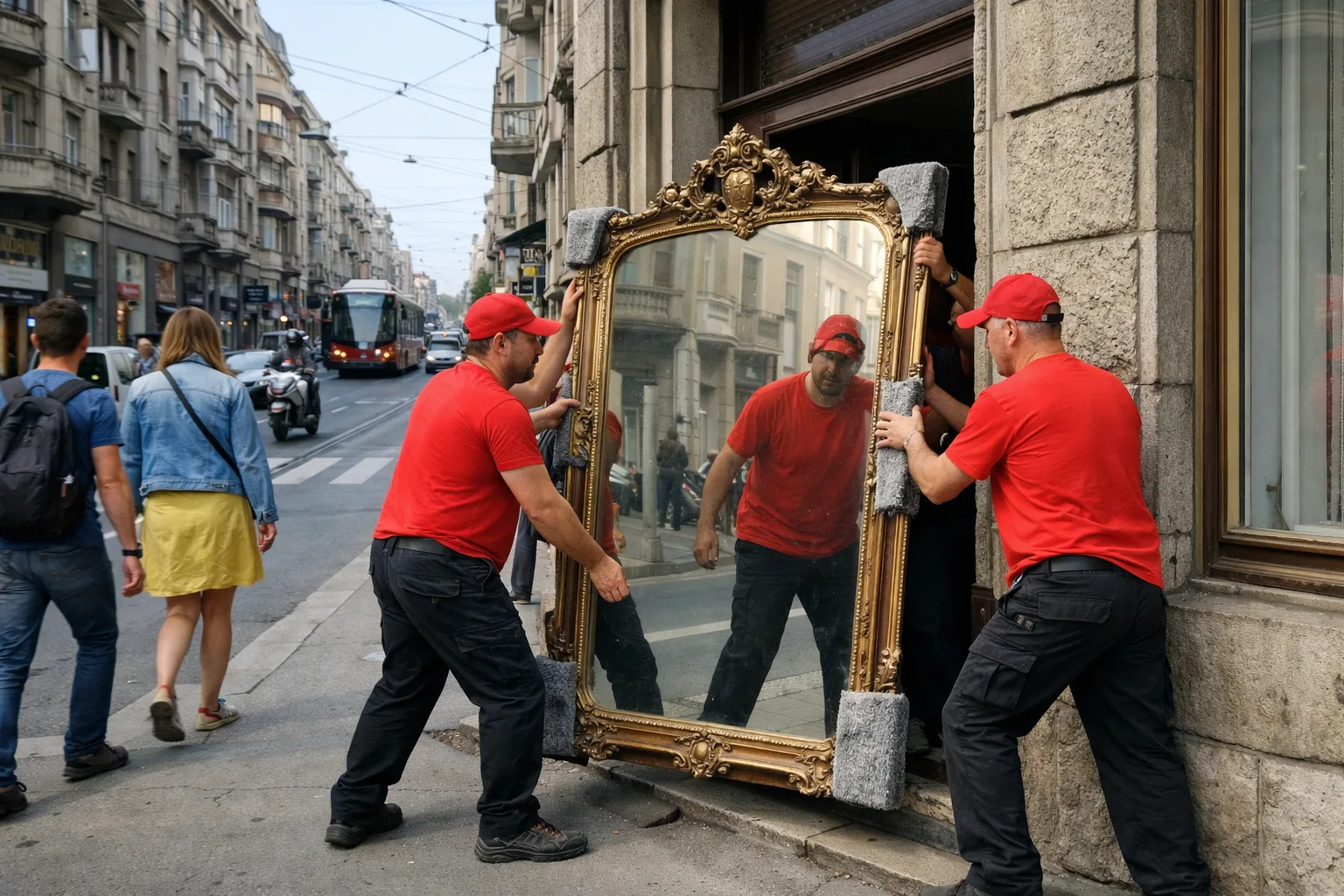
How to organize a quick move in Belgrade?
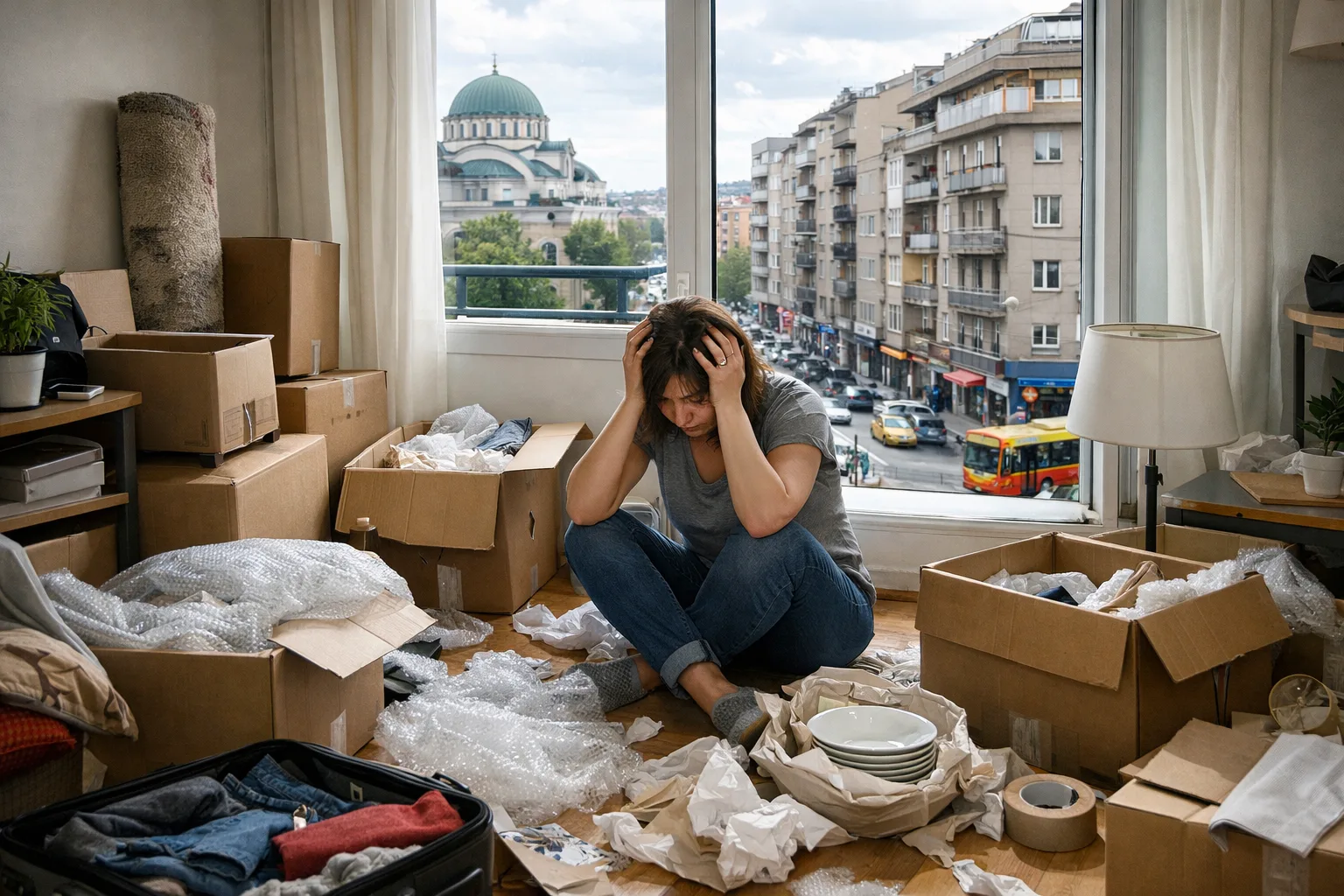
What is the fastest way to move in Belgrade?
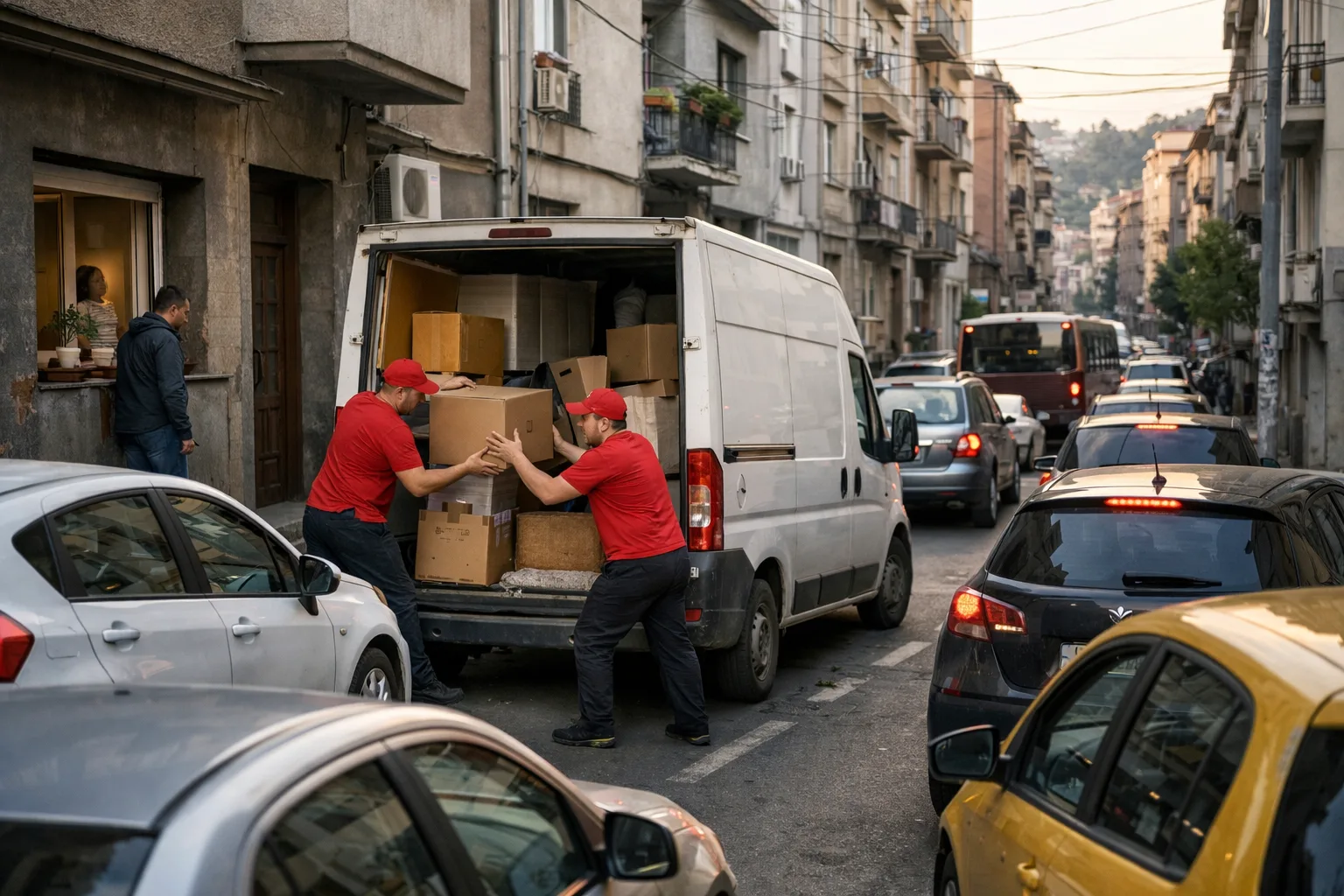
Moving to the center of Belgrade - how to do it quickly and easily?
We will respond to you as soon as possible.
Below we answer the most common dilemmas and questions that arise during packing for a move to Belgrade. These tips will help you avoid common mistakes and ease the entire process.
The choice of box size depends on the type and weight of the items you are packing. Heavy items, such as books and kitchen appliances, should be packed in smaller, sturdier boxes to avoid overloading and damage. Lighter and larger items can go into bigger boxes. It is always important that boxes are not overfilled and close securely.
Ideally, start packing at least two to three weeks before the planned moving date. This allows enough time for organization, sorting items, and acquiring necessary packing materials without rush and stress.
Boxes are best labeled clearly and legibly by the rooms they come from and by the type of contents. For example, "Kitchen – plates," "Bedroom – clothes," or "Bathroom – towels." You can also use different colored markers for different rooms, which further facilitates sorting items in the new space.
If you have the time and willingness, packing independently can be cost-effective and controlled. However, professional moving companies in Belgrade often offer packing services that include expert handling, quality materials, and protection of fragile items, which can be especially useful for complex moves or valuable belongings.
Fragile items must be wrapped in bubble wrap or thick paper and placed in boxes with additional padding. Boxes should be clearly labeled as "fragile" and must not be placed at the bottom or under heavy boxes. It is also recommended to pack these items last and unload them first.
It is important to have a backup plan and a basic set of essentials packed separately, such as food, water, medication, and documents. Also, keep the moving company's contact information as well as emergency service numbers. Flexibility in planning and readiness for changes will help you overcome unforeseen situations more easily.
For large and heavy pieces of furniture, it is best to use protective covers, thicker blankets, and specialized straps for securing. If you cannot move them yourself, it is recommended to hire a professional team experienced and equipped for the safe transport of such items.