
Reasons to Hire a Professional Moving Agency
Reasons to Hire a Professional Moving Company

Enter at least 3 characters.
Starting life together is an important and exciting step, but also a challenge, especially when it comes to moving. Organization and timely preparation are key factors that can make this process simple and stress-free. Our guide offers practical advice on how to move into your new shared home quickly and easily, with minimal complications and maximum efficiency. Besides the basic steps, it's important to keep in mind details that can significantly ease the process, such as choosing the right packing materials, communicating with all parties involved, and planning the space in your new home. With good preparation, moving can become a pleasant experience that will further strengthen your life together. Also, remember that moving is an opportunity for a fresh start, so it's useful to think ahead about how you will organize the space and establish new routines that will contribute to harmony and comfort in your shared home. Preparing mentally and emotionally for this step can greatly help the process go smoothly and without unnecessary tension.

The first step toward a successful move is detailed planning. It is important to set an exact moving date in accordance with rental or purchase deadlines. It is advisable to plan your move at least a month in advance to have enough time for packing, organizing help, and coordinating with the moving company. Also, consider personal obligations such as work or school to make the move as stress-free as possible. Involving both partners in planning can help better assess all responsibilities and evenly distribute tasks.
Create a schedule with clear deadlines for each phase, such as sorting belongings, purchasing packing materials, and booking transportation. This will help you track progress and avoid unnecessary last-minute stress. It is recommended to use digital tools or apps for organization so you can have an overview of all tasks and easily share them with your partner or family members. Also, making backup plans for unforeseen situations, such as moving company delays or bad weather, can be very helpful.
If you plan to move during peak moving periods, such as spring or the end of the month, book moving services early. This way, you will secure a convenient date and avoid possible crowds. Also, consider moving outside regular working hours or on weekends, which can be more affordable and less stressful. Taking seasonal factors and weather conditions into account can further ease the process and reduce the risk of complications.
Packing is one of the most demanding parts of moving, but with a good system, it can be significantly easier. Start by sorting items into categories: clothes, kitchenware, documents, and so on. Consider what you really need in your new home and what you can donate or discard. This step not only reduces the amount of stuff to move but also facilitates organizing space in your new home. Additionally, sorting in advance can help avoid accumulating unnecessary items that would later take up valuable space.
Use quality boxes and label them clearly by rooms and contents. For example, a box labeled 'Kitchen - plates and glasses' will make unpacking and organizing items easier. Also, mark boxes containing fragile items or those that need to be unpacked first to make the process more efficient. Additionally, you can use different colored stickers for different rooms, which visually simplifies organization and speeds up unpacking. If you want packing to be even simpler and safer, consider hiring a professional moving packing service.
Smart packing also includes protecting fragile items. Use packing paper, bubble wrap, or old newspapers to reduce the risk of damage during transport. For extra safety, pack heavier items in smaller boxes and lighter ones in larger boxes to avoid breakage and damage. It is also recommended not to fill heavy boxes to the top to make them easier to carry and reduce the risk of injury while lifting.
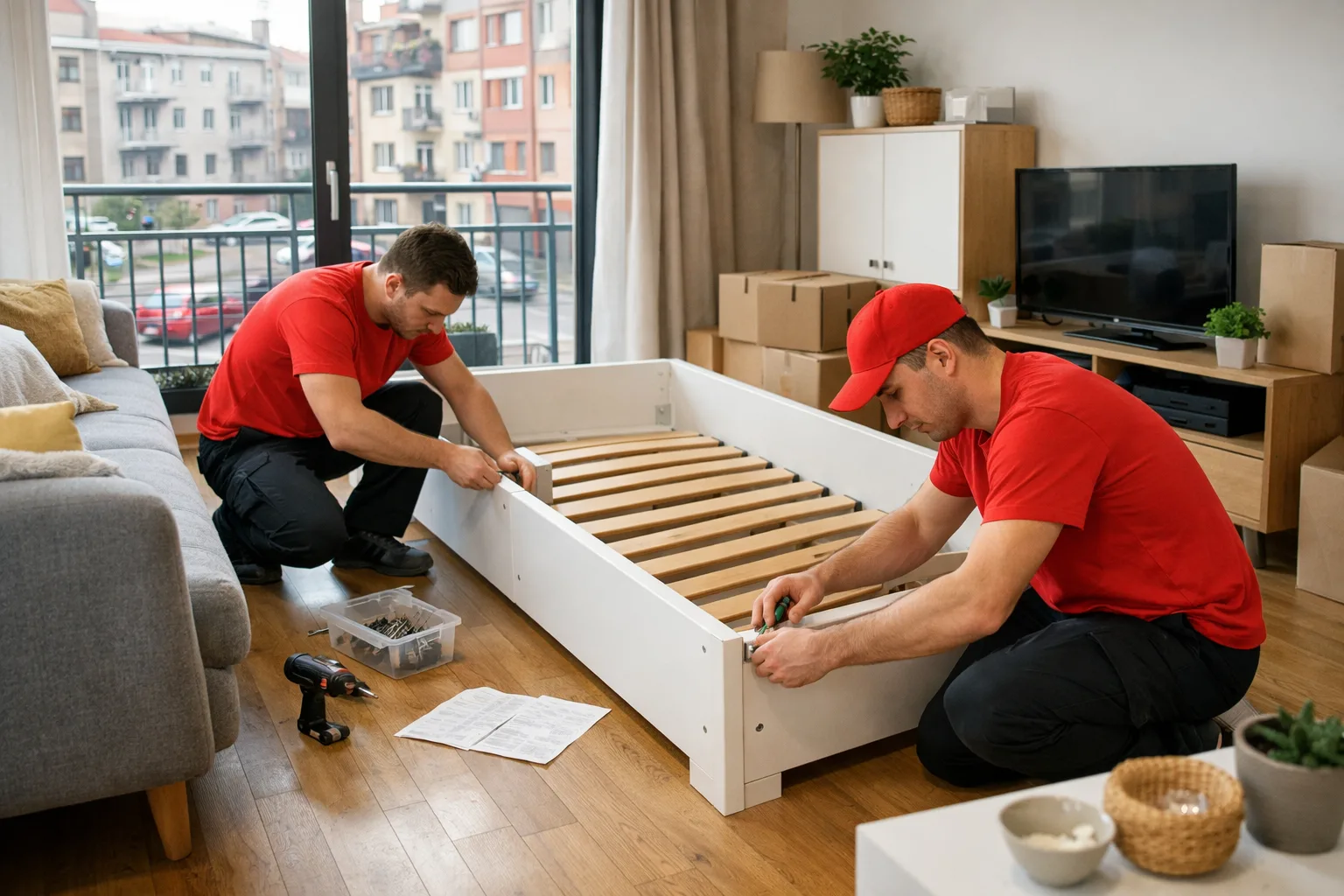
Choosing the right moving company can significantly impact the moving process. Before deciding, check the company's reputation through reviews and recommendations from friends or family. Also, inquire about the experience and expertise of the staff who will handle the move. It’s a good idea to contact several companies and compare offers to select the best option according to your needs and budget.
Pay attention to the services the company offers, such as furniture disassembly and assembly, packing, and insurance during transport. This can save time and reduce worries about item damage. Some companies also offer storage services, which can be useful if you need to temporarily store belongings. It is recommended to thoroughly check the insurance terms and what is covered to ensure your items are protected.
Agree on the price and service terms in detail to avoid misunderstandings. Some moving teams also offer additional services like cleaning the old apartment or removal of unwanted furniture. Before signing the contract, verify that all terms are clearly stated and whether there is a possibility of additional costs. Also, request written confirmation of terms and deadlines, which can be helpful in case of any issues during the move.
Before bringing your belongings into the new apartment, check if the space is ready for moving in. This includes cleaning, minor repairs if needed, and setting up basic appliances and furniture. If necessary, perform disinfection, especially if previous tenants did not maintain hygiene. This step can save time and effort after moving in, allowing you to focus immediately on unpacking and organizing.
Plan how you will arrange the furniture and where everything will go. A good layout will help you unpack more efficiently and adapt quickly to the new space. Use sketches or space planning apps to visualize the arrangement and avoid unnecessary changes later. Also, consider the functionality of the space and storage options to make the most of every part of the apartment.
If possible, acquire basic daily necessities in advance, such as lamps, essential kitchen utensils, and bedding. This way, you can function immediately in the new home without additional obstacles. Also, check if all appliances are working and if there is access to the internet and other utilities. Planning these details ahead can significantly ease the first days in the new space.
Living together brings new dynamics and rules, so it’s important to discuss in advance the division of household budget responsibilities, cleaning, and home maintenance. Clear communication and agreement reduce the possibility of conflicts and contribute to harmonious coexistence. It is recommended to arrange regular meetings or conversations to monitor how the division works and adjust duties if needed.
Discuss how you will organize shared space, especially if the apartment is small. Agree on places for personal belongings and common areas to avoid misunderstandings. Consider introducing shared boxes or cabinets for certain items, which can help maintain order. Also, respecting personal zones and space can contribute to better mutual understanding.
It’s good to establish routines and shared habits that will help maintain harmony and efficiency in the new home. For example, joint meal planning or a cleaning schedule can significantly ease daily life. Also, regular conversations about both partners’ needs and wishes contribute to better understanding and adjustment. Including flexibility in agreements can help overcome unexpected situations more easily.

One often overlooked step in moving is timely address change at all important places, such as banks, post offices, healthcare institutions, and utility services. This is crucial to avoid losing important documents and bills. It is recommended to make a list of all institutions to notify immediately after agreeing on the move.
Make a list of all institutions and services that need to be informed about the address change. This will help you avoid forgetting any important step and prevent problems with receiving mail or paying bills. Use digital calendars or reminders to track deadlines. Also, check if some institutions offer electronic address change options, which can speed up the process.
If the move involves changing municipality or city, check whether you need to register at the new address within the timeframe prescribed by local authorities. Timely registration can prevent additional complications. Also, inform yourself about procedures for changing residence and required documentation to complete everything smoothly. Don’t forget to update your driver’s license, ID card, and other important documents according to legal regulations.
Moving, although exciting, can be a source of stress due to numerous details and unforeseen problems. It is important to stay calm and be flexible in your approach. Planning ahead and having realistic expectations significantly contribute to reducing stress. Additionally, it is helpful for both partners to have clearly defined tasks to avoid overburdening one side.
Prepare for possible challenges such as delays with the moving team, damage to belongings, or scheduling conflicts. Having a backup plan, like an extra support vehicle or friends who can help, can be very beneficial. Also, keep basic tools and materials handy for emergency repairs or packing. Preparing such a kit in advance can save you time and frustration during critical moments.
Don’t forget to take breaks and avoid getting overwhelmed by minor details. Focus on the goal – your new shared home – and enjoy this important life step. Communication with your partner and mutual support are key to overcoming stress and ensuring a successful move. Additionally, practicing relaxation techniques, such as deep breathing or short walks, can help maintain mental balance during this demanding process.
After moving, adjusting to a new space and shared life can take time. Start by unpacking the most important items and organizing the space according to your agreement. Prioritize rooms you use daily, such as the kitchen and bedroom. Establishing basic functional zones will ease daily activities and speed up the feeling of comfort.
Get involved together in decorating your home to create a pleasant atmosphere and strengthen your bond. Choosing decorations and furniture arrangements together can be a fun process that further connects partners and personalizes the space. Also, consider adding personal touches that will make the space warmer and more inviting for both of you.
Don’t hesitate to ask for help from friends or family during the first days, whether for practical tasks or emotional support. Quick adaptation is easier when you have support and a good plan. Also, give yourself time to get used to the changes and don’t expect everything to be perfect immediately. Setting realistic expectations and being patient are crucial for a successful start to your shared life in the new home.

Reasons to Hire a Professional Moving Company

Moving with the Help of Friends or Professionals – Which to Choose?

5 Items Professional Moving Companies Will Not Transport
We will respond to you as soon as possible.
Below we answer the most common concerns that arise during moving and starting a shared life. These answers will help you resolve specific issues more easily and avoid common mistakes.
Plan the move for a weekend or during annual leave when you are both free. Arrange help from friends or professionals for packing and transport to avoid additional stress and exhaustion due to work commitments.
Besides buying boxes, you can use plastic containers or bags you already have at home. It’s important that items are securely packed and labeled. You can also inquire at local stores or supermarkets for free boxes.
Pack fragile items individually in wrapping paper or bubble wrap. Place them in boxes with enough bubble wrap or cloth between items to prevent shifting and damage during transport.
Hiring a professional moving service can significantly reduce stress and save time, especially if you lack experience or enough people to help. However, if you have good organization and help from friends, a self-organized move is also a viable option.
Maintain good communication with your partner, take breaks, and don’t overexert yourselves. Planning ahead and clearly defining tasks can help avoid unforeseen situations that cause stress.
First, document the damage with photographs. If you used a moving service, contact them as soon as possible and check if you have insurance that covers the damage. If not, consider repairing or replacing the damaged items.
Agree with your partner on the division of tasks and respect your mutual agreements. Start by unpacking and organizing the spaces you use daily to create a sense of order and comfort.