
Reasons to Hire a Professional Moving Agency
Reasons to Hire a Professional Moving Company

Enter at least 3 characters.
Preparing the space for the arrival of the moving company is a crucial step that can significantly ease and speed up the entire relocation process. A well-organized space, clearly labeled items, and properly marked loading and unloading areas contribute to the efficiency of the workers and reduce the risk of property damage. In this guide, we will provide you with practical advice on how to properly prepare your home or office for the arrival of a professional moving team, helping you avoid stress and unforeseen complications. Besides the basic steps, it is important to keep in mind additional details that can contribute to a smooth moving process, such as timely communication with the agency, scheduling, and arranging extra help if needed. Preparation not only saves time but also reduces the chance of damage to belongings and increases the safety of everyone involved in the process.
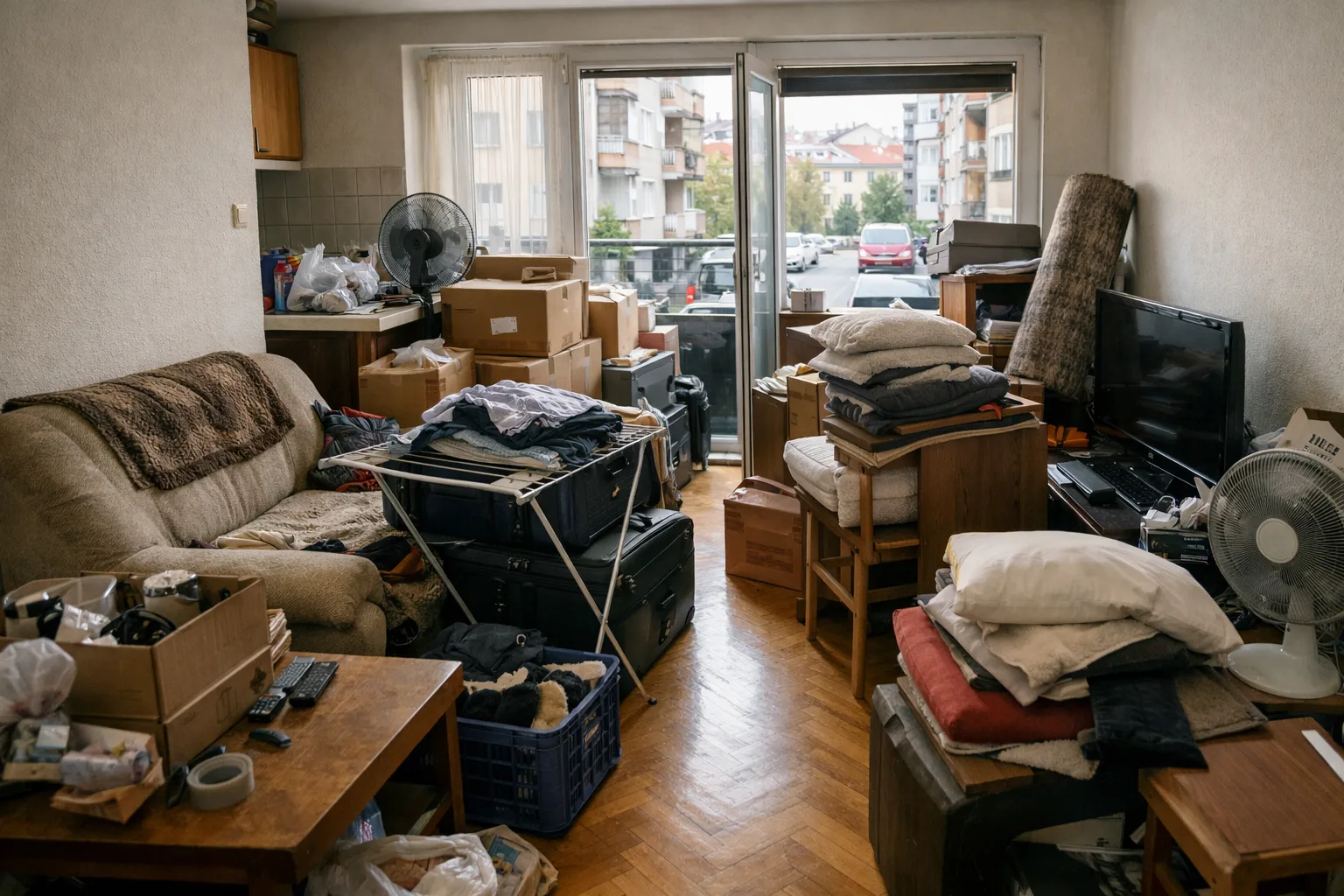
Before the moving company arrives, it is important that the space is as tidy and accessible as possible. Remove any items that could obstruct passage or hinder the work of the movers, such as rugs, low shelves, or damaged furniture not intended for moving. This will allow quick and safe access to the rooms. Also, consider temporarily removing or relocating heavy items that could pose obstacles or hazards during carrying.
Check that hallways, staircases, and entrances are wide and clean, free of obstacles like bicycles or children's toys. If you have pets, ensure they are secured in a safe place during the team's arrival to prevent unwanted incidents. Additionally, make sure all passages are well-lit, especially if the move takes place in the evening or in areas with poor natural lighting.
If the space has fences or gates, make sure they are unlocked and easily accessible. This way, the movers won’t waste time searching for keys or additional entry permissions. Also, if necessary, provide extra keys or access cards that workers can use during the move, which can speed up the process and reduce stress.
Besides physical cleaning, it is recommended to inspect the condition of floors and staircases to prevent accidents. Remove any rugs that might slip or repair floor damage that could pose a hazard when carrying heavy items. This will ensure safer working conditions for the movers and reduce the risk of injuries.
If you live in a multi-story building, check whether elevators are available and functional. If the elevator is out of order or too small for larger furniture pieces, inform the agency in advance so they can prepare for carrying items via stairs and possibly arrange additional workers or equipment for lifting heavy objects.
The efficiency of the move also depends on how well items are organized and sorted. It is recommended to pack everything by rooms and by type of items, for example, separating clothing, kitchen utensils, and books. Clearly label boxes with the room name and contents, which will facilitate arranging them at the new location. You can also use different colored stickers to mark rooms, which further visually simplifies box identification.
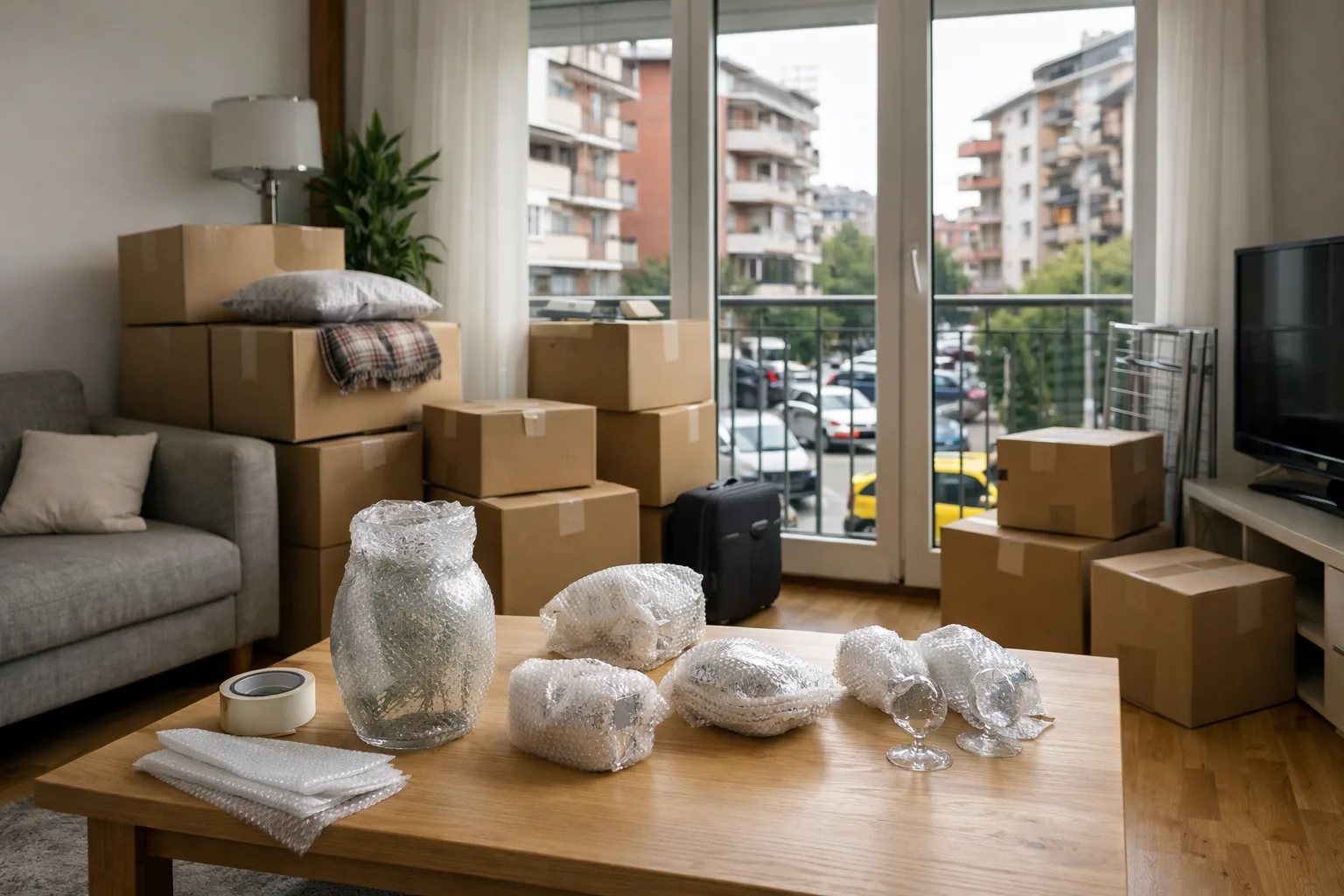
Use different types of boxes and protective materials for specific items: wrap fragile items with foil or packing paper, while clothes in wardrobes can be left on hangers and protected with plastic covers. If you want the process to be even simpler and safer, you can hire professionals for moving packing, who will ensure proper protection and packing of all your belongings. This saves time and reduces the risk of damage. For extra safety, you can also label fragile items as "fragile" so that workers handle them with special care during carrying and stacking.
If you are unsure about the size of the boxes, consult with the agency or purchase standard moving boxes that are easily available. It is important that the boxes are not too heavy so that workers can safely carry and stack them. Also, avoid overfilling boxes as this can cause them to break or damage the contents.
For easier packing, make a list of the contents of each box or create a digital record with photos. This will help you keep track of what is in each box and make unpacking at the new address easier. Also, in case of loss or damage, you will have a clear record of the contents.
Don’t forget to pack items you will need during the moving process separately, such as basic hygiene supplies, medications, or documents. Keep these items handy so you don’t have to search through boxes during the move.
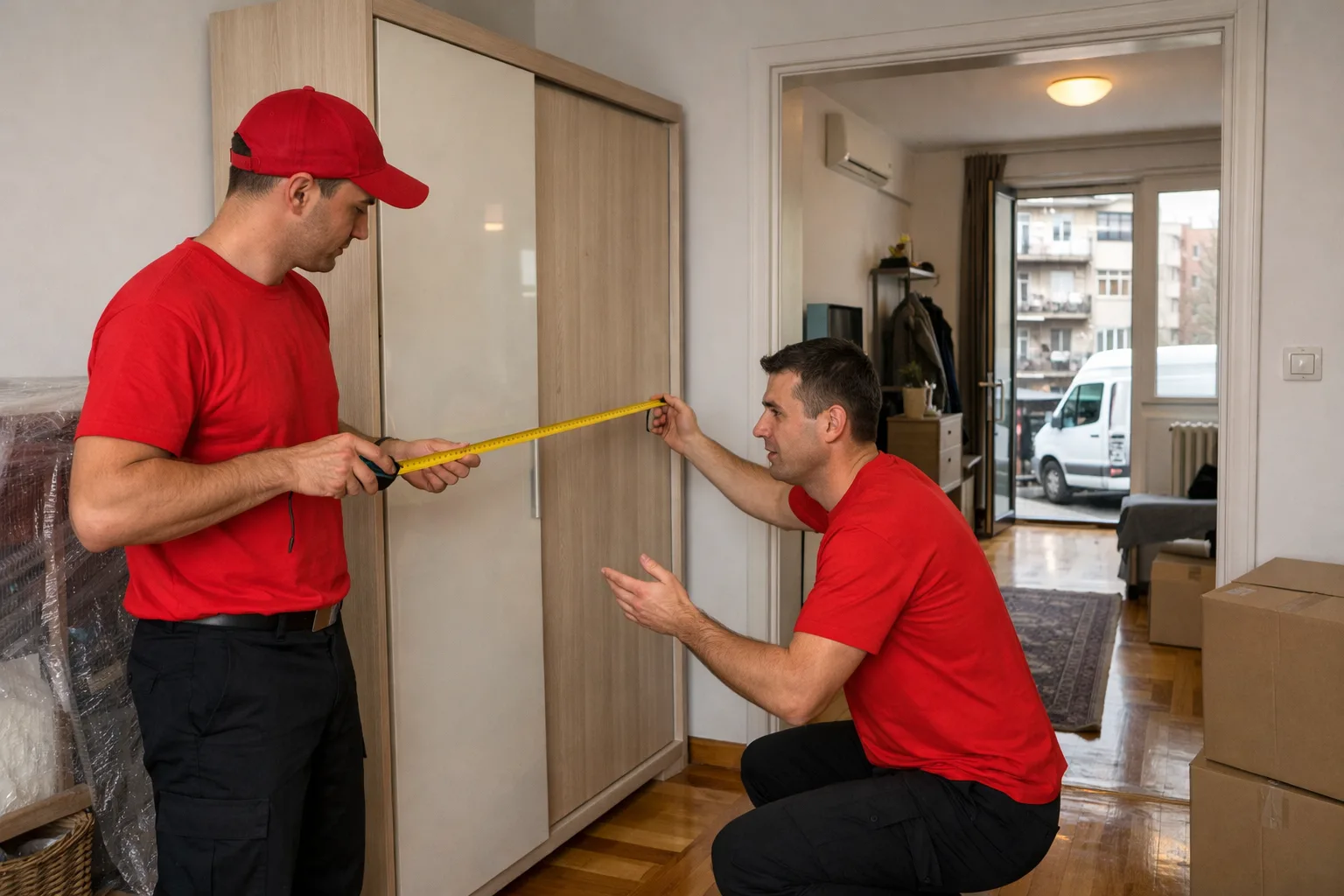
Before the team arrives, it is important to have all necessary moving-related documentation ready, such as the contract, reservation confirmation, and contact person. Also, inform the agency about any specifics, for example if there are narrow passages, staircases without elevators, or delicate items that require special care. Timely communication allows the agency to properly plan the number of workers and necessary equipment.
If needed, prepare a floor plan or furniture layout that will help workers quickly and accurately arrange items at the new address. This can be in written form or digital format that you can send to the agency in advance. Also, mark on the plan where you want certain pieces of furniture placed, which will save time during unpacking.
If you have special requests, such as carrying furniture that is not disassemblable or the need to dismantle certain elements, be sure to provide this information in advance so the team can prepare accordingly and bring the necessary tools. This is especially important for heavy or specialized items such as pianos, large wardrobes, or antiques. In such cases, it is recommended to hire experts for furniture assembly or piano moving to ensure maximum safety and professional handling of these items.
Also, check if you have all necessary permits or approvals if the move takes place in buildings with special regulations or residential communities that require notification. This way you will avoid possible delays or problems when the moving vehicle arrives.
Don’t forget to inform the agency about any time restrictions or special conditions at the location, such as nearby construction, parking bans, or other obstacles that may affect the moving process. Timely information allows the agency to better prepare and adjust the work plan.
An important aspect of preparing the space is securing an adequate parking spot for the agency’s truck or van. If possible, reserve a parking space near the entrance for easier loading and unloading of items. If necessary, contact the local authorities or building manager to obtain permission for temporary parking space occupation.
The loading area should be clean and spacious enough to allow workers to move freely and carry boxes or furniture. If possible, remove all obstacles from the access path, such as cars, garden furniture, or bicycles. Also, check if the access is well-lit and free of damage that could hinder vehicle or worker movement.
If your building has special entry regulations or there are time restrictions for parking, inform the agency in advance and secure the necessary permits to avoid unnecessary complications upon arrival. Also, if needed, notify neighbors about the planned move to avoid misunderstandings or complaints about occupied space.
If vehicle access is difficult due to narrow streets or other obstacles, consider hiring smaller vehicles or additional equipment for transporting items from the vehicle to the entrance. The agency may have solutions for such situations, so it is important to inform them about the conditions at the location in advance.
Don’t forget to also provide space for temporary storage of packaging and waste generated during packing and moving. Placing containers or boxes for waste nearby can help maintain cleanliness and organization throughout the process.
To avoid misunderstandings and damage, label boxes and items that require special attention. Use stickers or markers and clearly indicate if the item is fragile, valuable, or requires a specific handling method. You can also use different colors or symbols for different categories of items, which further facilitates identification.
If you have artwork, mirrors, or electronic equipment, be sure to additionally protect them with foil and labels. This will help workers handle them properly and reduce the risk of damage during transport. For very valuable or sensitive items, consider hiring specialized companies or additional insurance during the move.
Also, mark the boxes containing important documents or items you will need immediately upon arrival at your new address, so you can easily find them and avoid unnecessary searching. You can use special boxes or bags for these items and keep them handy throughout the entire moving process.
In addition to labeling, make a list of sensitive and valuable items that will be part of the move. This list can serve as additional documentation and help in case of any misunderstandings or damage. Also, inform the team leader about these items so they can give them special attention.
Don’t forget to carry valuables, money, jewelry, and personal documents with you or store them in a safe place during the move. This is important to avoid loss or theft during transport.
Before the team arrives, turn off all household appliances and devices that will be moved, such as the refrigerator, washing machine, television, and computer equipment. Leave the refrigerator door open a few hours in advance to defrost and dry the interior. This prevents unpleasant odors and damage during transport.
If necessary, remove and pack additional parts of the appliances, such as refrigerator shelves or cables from electronic devices. For larger appliances, if you are unsure how to prepare them, consult the agency or manufacturer. Some devices require specific disassembly or protection procedures.
Be sure to check that all devices are unplugged and that there are no liquids or food inside, as this can cause problems during transport and damage. Also, protect the devices with appropriate materials, such as protective films or cardboard boxes, to prevent scratches and impacts.
For devices such as air conditioners or boilers, check if professional disassembly or preparation is required before the move. In some cases, the agency may offer additional services or recommend specialists for these tasks.
If you plan to transport electronic equipment, such as computers or audio devices, be sure to back up your data and carefully pack the equipment in original or specialized boxes. This will reduce the risk of damage and data loss during the move.
For a more efficient move, it’s good to have at least one person coordinating the team’s arrival and providing necessary information to the workers. If you have children or pets, ensure they are in a safe place so they don’t interfere with the work. The coordinator can be a family member or friend familiar with the moving plan.
Inform household members about the agency’s arrival time and the moving plan so everyone is prepared and unnecessary misunderstandings are avoided. If you have special requests or questions, establish communication with the team leader. Regular communication contributes to better organization and reduces stress during the process.
Help from friends or family members can be valuable, especially when carrying heavy items or packing the last boxes. However, it’s important they don’t interfere with the professionals’ work but support them. Also, hiring additional workers can be useful if you have a large number of belongings or limited time for the move.
Consider hiring professional assistants or additional support services that some agencies offer, such as packing, disassembly, or cleaning after the move. These services can significantly ease the process and reduce your personal involvement.
Don’t forget to maintain a good atmosphere and patience during the move, as this is an important factor for a successful and stress-free relocation. Involving household members in planning and preparation can contribute to better cooperation and understanding throughout the process.
While the move is underway, it’s important to have a ready package of basic items you will need immediately upon arrival at the new location. This may include personal documents, a change of clothes, basic hygiene supplies, and phone chargers. Pack these items in a separate bag or box that will be easily accessible.
Pack these items separately and clearly label them so you don’t waste time searching for them during unloading. This will make your first hours at the new address easier and reduce stress after moving. Also, consider packing basic kitchen essentials such as glasses, plates, and cutlery so you can prepare a meal right away.
Also, prepare basic tools such as a screwdriver, scissors, and tape, which can be useful for quickly assembling furniture or opening boxes at the new location. If you have furniture assembly instructions, keep them handy to facilitate the process.
Don't forget to prepare basic medications or medical supplies you might need immediately upon arrival, as well as a bottle of water and snacks for energy during the busy moving day.
If you have children or pets, pack their essentials such as favorite toys, food, and equipment to make their transition to the new space as comfortable and stress-free as possible.

Reasons to Hire a Professional Moving Company

Moving with the Help of Friends or Professionals – Which to Choose?

5 Items Professional Moving Companies Will Not Transport
We will respond to you as soon as possible.
Below are answers to the most common concerns that arise when preparing your space for the arrival of a professional moving team. These answers will help you avoid common mistakes and prepare in the best possible way.
It’s best to contact the agency by phone or email as soon as you schedule your moving date and describe the situation in detail. You can send them photos or a floor plan of the space so they can plan the appropriate equipment and number of workers.
Most moving companies can provide boxes and protective packing materials. It is recommended to contact them in advance and arrange for the supply or purchase of standard boxes to avoid last-minute improvisations.
Fragile items should be carefully wrapped in bubble wrap or thick paper, then packed in boxes with an additional layer of protection such as cotton or styrofoam. Clearly label the boxes as fragile so workers handle them with extra care.
It’s not mandatory, but it is advisable to be present to give instructions, answer workers’ questions, and ensure everything goes according to plan. Your presence can help resolve unforeseen situations.
Before the agency arrives, inform the building manager and residents about the moving date and try to reserve a parking spot or obtain permission for temporary parking near the entrance. Also, notify the moving team about the parking conditions.
It is recommended to place pets with friends or in a separate space where they won’t be exposed to stress and hazards during the move. If that’s not possible, inform the agency so the workers can be more careful and avoid unwanted situations.
Unplug them several hours before the move, empty the refrigerator, and leave the door open to dry. Remove additional parts and protect the appliances with wrap or cushions. If unsure, ask the agency or manufacturer for advice.