
Reasons to Hire a Professional Moving Agency
Reasons to Hire a Professional Moving Company

Enter at least 3 characters.
Moving is a significant challenge not only for people but also for pets, who often do not understand the reasons and circumstances behind the changes happening around them. The stress accompanying a move can negatively affect their behavior and health, so it is essential to approach this process with special care and planning. Proper preparation and careful execution of steps during the move can greatly reduce discomfort and help pets adjust to their new environment more quickly and easily. In this guide, we will provide you with detailed and practical advice to help your dog, cat, or other animal go through the move without unnecessary stress and to start a new chapter of life together in peace and harmony.
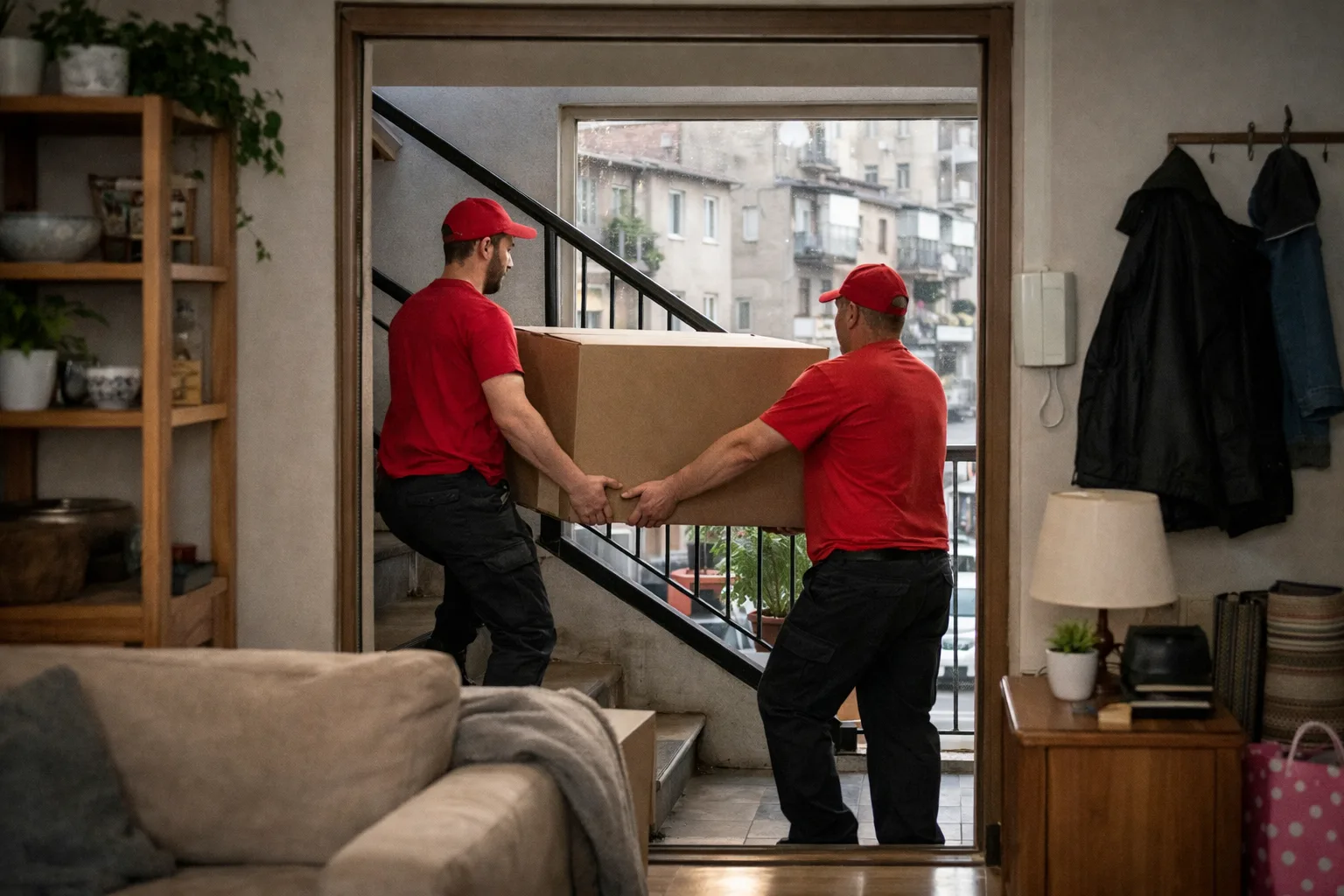
Detailed planning is the key to a successful move with a pet. Before you start packing, make a list of all activities needed for transporting and adapting your animal. Consider the duration of the trip, the conditions in which your pet will be kept during transport, as well as necessary breaks for rest and basic needs. For example, if you are traveling a long distance, plan regular stops for walking your dog or cleaning the water bowl for cats.
Consulting with a veterinarian before the move is extremely important. The vet can recommend appropriate measures to reduce stress, such as natural remedies or, in some cases, calming medications. Also, check that all vaccinations are up to date and that you have the necessary documentation, especially if crossing national borders or moving into a residential building with special pet regulations.
Involving all family members in planning the move contributes to better organization and your pet’s safety. Everyone in the household should be familiar with the schedule of activities and tasks to be completed so that your pet feels stability and attention throughout the process. Prepare all necessary items for transport in advance, including the transport crate, food and water bowls, and familiar toys that will provide a sense of security during the journey.
Choosing the right transport equipment is crucial for your pet’s safety and comfort during the move. The transport crate or carrier should be spacious enough for your pet to turn around and lie down but not too large to reduce the risk of injury from sudden movements during the ride. The crate material should be sturdy yet breathable to ensure good ventilation.
For dogs, it is advisable to use both a leash and a collar with identification tags, even when inside the transport crate, as this allows quick identification in unexpected situations. Cats, who are often more sensitive to stress, should be placed in closed and quiet crates that prevent escape but still allow good airflow.
The interior of the crate should be lined with a soft surface, such as a blanket or cushion, and familiar household items like favorite toys can help reduce anxiety. It is also recommended to place a water bowl that can be secured inside the crate so your pet can stay hydrated during longer trips without the risk of spilling.
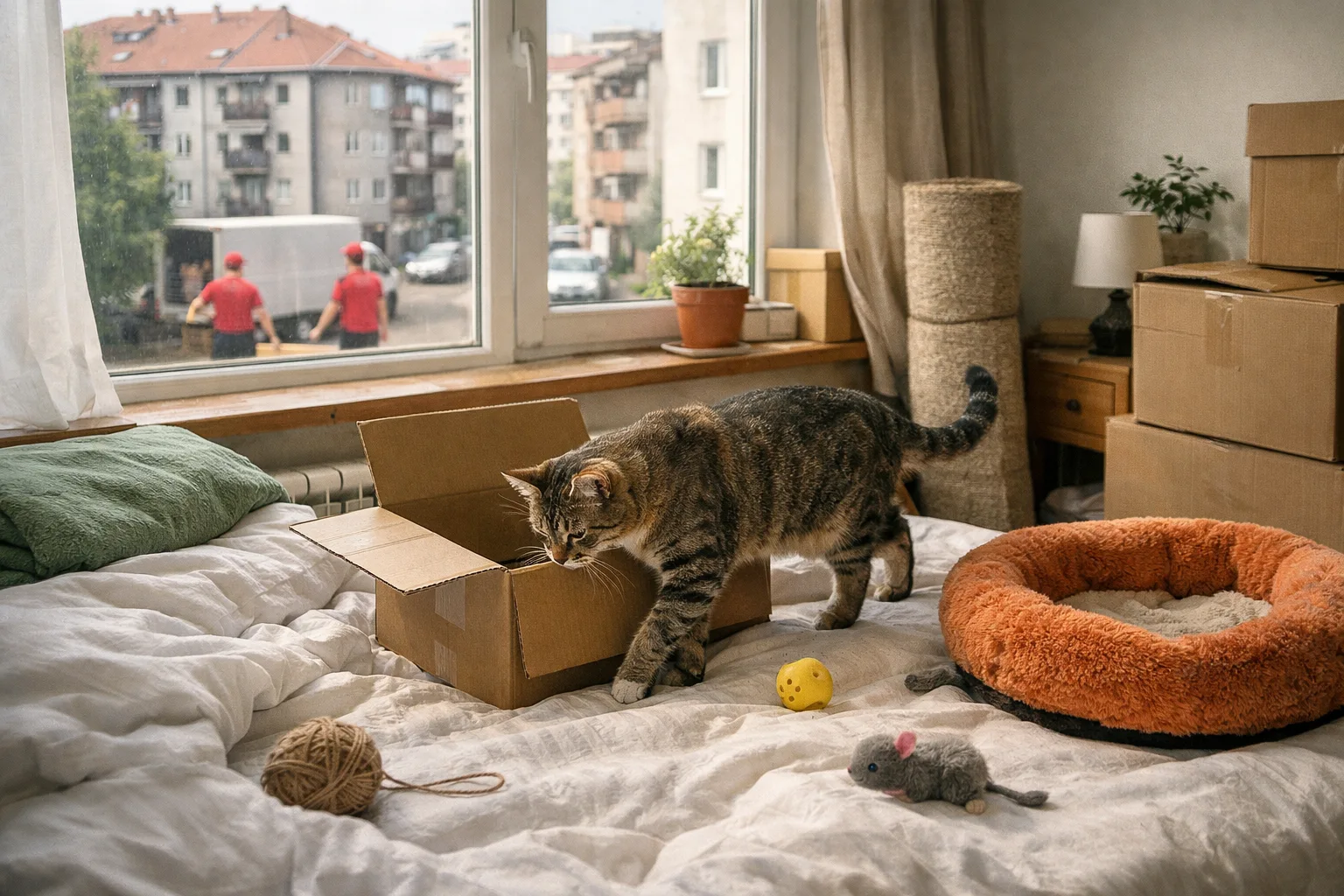
On moving day, it is important for your pet to remain as calm and ready for the journey as possible. It is recommended not to feed your pet immediately before departure to avoid nausea and discomfort during transport, but always ensure access to fresh water. A short walk or playtime before leaving can help reduce tension and make the trip easier.
During preparations, try not to abruptly change your pet’s routine and allow plenty of time for rest. If you use medications or natural calming remedies, consult your veterinarian beforehand regarding dosage and timing to ensure optimal and safe effects.
The transport area should be clean and free of any hazardous objects that could injure your pet. Also, during packing and preparations, pay special attention to prevent your pet from escaping the apartment or house, as they may be frightened and disoriented at this time. Keep doors and windows closed, and if possible, assign one person to supervise the pet while others handle the move.
When transporting by car, place your pet’s carrier in a secure spot, preferably on the back seat, and fasten it with seat belts to prevent movement during the drive. To avoid stress and complications, you can hire a professional pet transportation service, where experts will ensure your pet’s safety and comfort throughout the journey. Avoid loud music and sudden vehicle movements, as these can further distress your animal.
During longer trips, take regular breaks every one to two hours, especially if you are transporting a dog. Breaks are important so your pet can walk, relieve itself, and refresh. Always have water and small snacks on hand to offer during breaks, but avoid overfeeding during the ride.
If using public transport or air travel, be sure to check the carrier’s rules and requirements regarding pet transport in advance. Prepare all necessary documentation, including vaccination and health certificates, as well as any permits required for entry into a new country or facility.
Upon arrival at the new home, it is recommended to first place your pet in a smaller, enclosed room, such as a bathroom or small bedroom, where they can gradually adapt to new smells and sounds. Provide a comfortable bed, food and water bowls, and familiar toys to help them feel more secure.
Do not immediately open the doors to all rooms in the apartment or house, as this can confuse and frighten your pet. Instead, gradually expand the area they can explore, allowing them to investigate on their own when they feel ready and safe.
Give your pet plenty of attention and affection, but do not pressure them to interact immediately if they are scared or withdrawn. Patience and understanding are key to successful adaptation, and positive experiences in the new environment will help build trust and confidence.
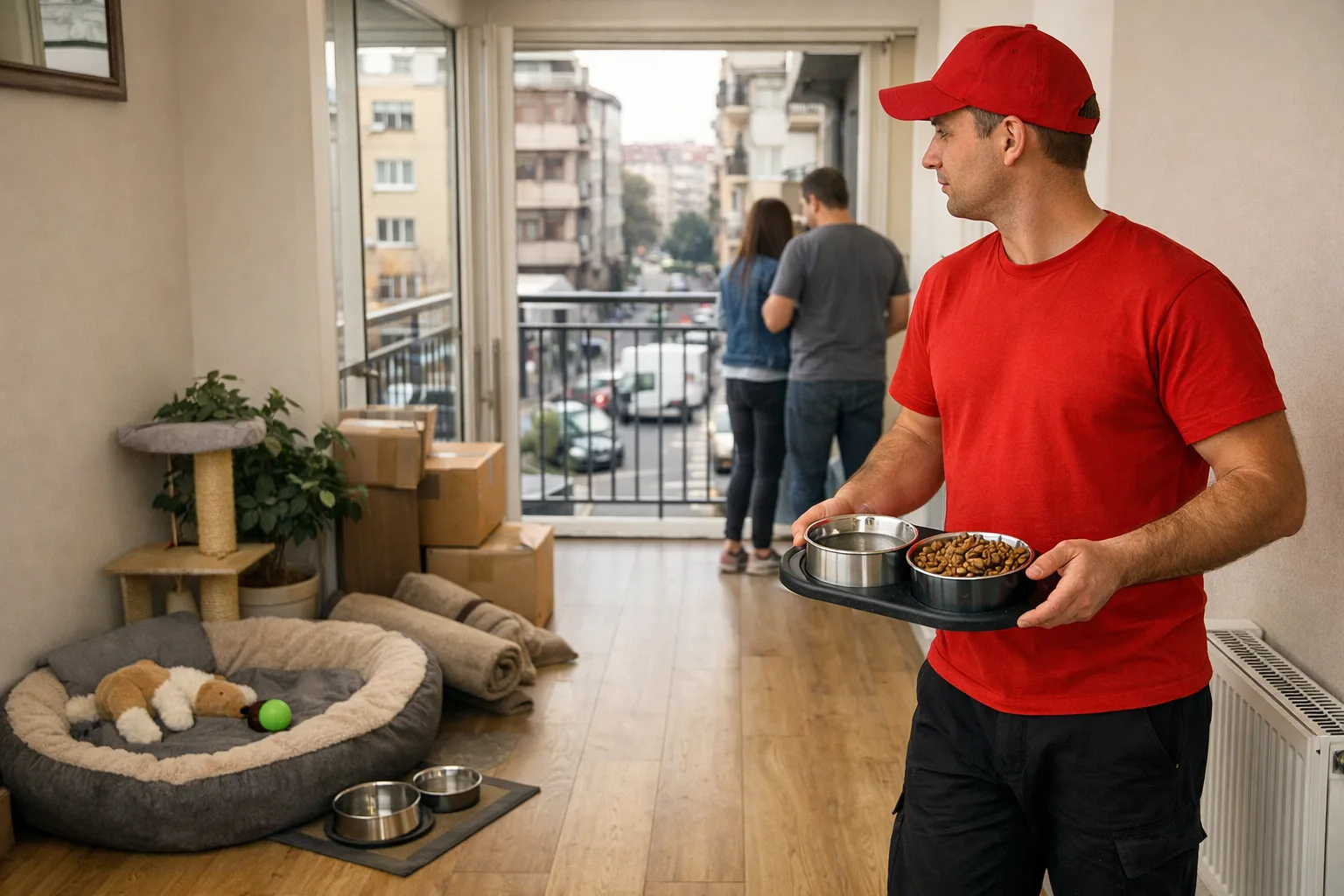
During and after the move, it is important to maintain as many familiar routines as possible, such as feeding times, walks, and play. These routines provide your pet with a sense of security and stability during the transition and help them adjust more easily to the new environment.
Try to use familiar walking routes and places for bathroom breaks, at least during the first few days after moving. New smells and surroundings can be stressful, so familiar locations contribute to emotional stability and reduce anxiety in your pet.
If you have multiple pets, pay special attention to their interactions in the new space. Moving stress can cause tension and conflicts, so monitor their behavior and, if necessary, provide separate areas or extra attention to prevent unwanted situations.
Stress and environmental changes during a move can increase the risk of illness in pets. Regularly monitor their health, paying attention to changes in appetite, behavior, or appearance. If you notice any symptoms of illness, contact your veterinarian immediately.
Maintaining hygiene is especially important during a move. Regularly clean food and water bowls, change the bedding in the transport crate, and disinfect rooms in the new home before moving in. These measures help prevent the spread of bacteria and infections.
If you are traveling long distances, be sure to bring basic medications and the contact information of a veterinarian in your new location. Plan a visit to the vet after moving for a health check and preventive measures such as vaccinations or parasite treatments.
Moving can cause anxiety and stress in pets, which may manifest through various symptoms such as vomiting, aggressive behavior, withdrawal, or loss of appetite. It is important for owners to recognize these signs and provide appropriate support and care during this period.
Using calming pheromones, available as sprays or collars, can help reduce stress in some pets. Additionally, natural remedies based on valerian, chamomile, or lavender may be beneficial, but it is essential to consult a veterinarian before use to avoid adverse reactions.
Providing extra attention, love, and security during and after the move is the most important factor for a pet's successful adaptation. Establishing a routine of play and interaction helps build trust and a sense of belonging, contributing to emotional stability and better adjustment to the new home.

Reasons to Hire a Professional Moving Company

Moving with the Help of Friends or Professionals – Which to Choose?

5 Items Professional Moving Companies Will Not Transport
We will respond to you as soon as possible.
Moving with a pet presents specific challenges. Below are answers to the most common questions owners ask to make this process as successful and stress-free as possible.
Preparing your dog for a long trip involves gradually getting them used to the transport crate, taking shorter drives before the move, and ensuring breaks during the journey for walks and rest. It is also important that the dog is not overfed immediately before the trip to avoid nausea.
The use of sedatives can be helpful in some cases but should always be under veterinary supervision. Some pets may have adverse reactions, so consulting a specialist before administering any medication is necessary.
Cats adapt best when provided with a safe, enclosed space with their favorite belongings, along with gradual introduction to the rest of the apartment. It is important to give them peace and not force interaction until they feel ready on their own.
Prepare enough of the food your pet is used to and try to maintain the same feeding routine during and immediately after the move. Sudden changes can further stress the animal, so it is important to maintain continuity in this aspect.
During packing, keep doors and windows closed, and place your pet in a secure room such as the bathroom. Inform household members to be careful and not open doors without supervision. Also, check that your pet has identification tags and a microchip.
It is best to keep walks at the usual times to give your pet a sense of routine. If you are traveling, plan breaks and short walks in safe areas. A walking routine helps reduce stress and maintains your pet's fitness.
In addition to a comfortable transport space, you can use familiar items from home, such as a toy or blanket. Keep the vehicle quiet and avoid sudden movements. If your pet is extremely nervous, consult a veterinarian about natural or medical sedatives.