
Reasons to Hire a Professional Moving Agency
Reasons to Hire a Professional Moving Company

Enter at least 3 characters.
Moving is one of the most demanding life events, and when it comes to families with young children, the challenges increase even more. Children are particularly sensitive to changes in their environment, so it is important to carefully plan the moving process to reduce stress and ensure a smooth transition to the new home. This guide is designed to provide you with concrete advice and practical steps for a successful move in Belgrade, with a special focus on the needs and safety of the youngest family members. Through detailed planning, involving children in activities, and proper organization, you can turn moving from a potentially stressful event into a positive experience that will strengthen family bonds and help children adapt more easily to their new living space.
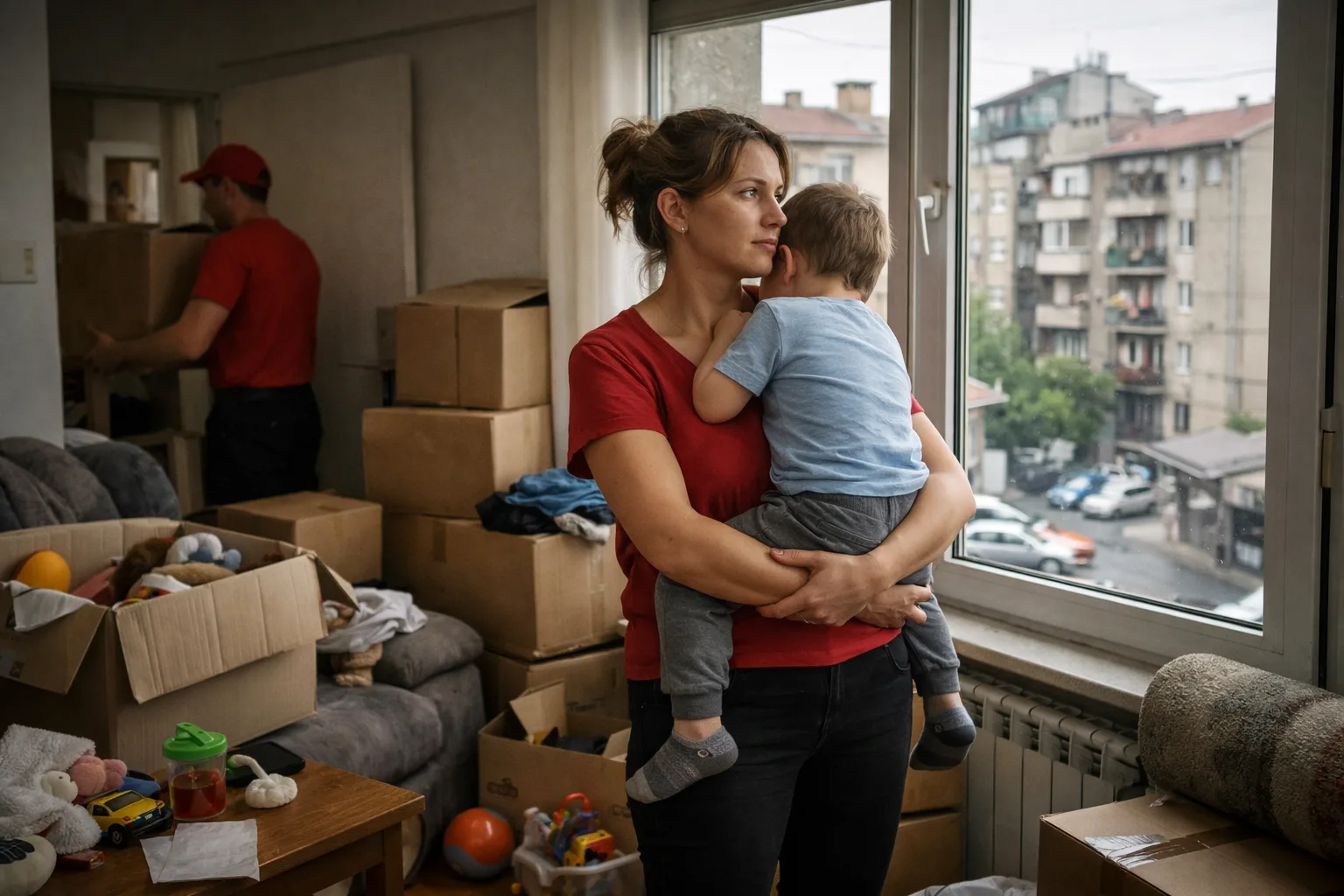
Preparation is the key to a successful move, especially when you have young children. Before you start packing, make a detailed plan that includes a schedule of activities, packing, organizing help, and caring for the children on moving day. Take into account their daily routines and meals to avoid additional stress.
Planning ahead allows you to acquire all necessary packing materials and organize help from friends or professional moving services. Also, inform the child about the upcoming changes using simple language and stories they can understand, which can reduce anxiety.
Don't forget to prepare a bag with essential items for the children that you will need during the move – favorite toys, diapers, change of clothes, and snacks. This way, you will have everything at hand and avoid unnecessary searching amid the packing chaos.
In addition to basic preparations, it is important to make a backup plan for unforeseen situations, such as delays of moving trucks or bad weather. Also, notify the school or kindergarten about the address change in a timely manner so that children can continue their education without interruption.
Involving all family members in planning can help distribute tasks and reduce stress. Talk with your partner and, if possible, with older children about their expectations and concerns related to the move.
Involving children in the moving process can help them feel important and reduce feelings of insecurity. Let them help pack their belongings, choose favorite toys to take with them, and arrange their room in the new home.
Explain to them in a simple and positive way what is happening and why you are moving, using illustrations or games to help them better understand the situation. Involving them in activities like labeling boxes or choosing places for their things can empower and calm them.
However, do not overload them with tasks. It is important to tailor activities to the child's age and allow enough time for play and rest, as this will help them better cope with the changes.
Organize small rituals that will help children emotionally connect with the moving process, such as packing boxes together or making a list of items they want to take with them. These activities can strengthen their sense of control and security.
Also, use the opportunity to stimulate their imagination and curiosity through stories and conversations about the new home, helping them look forward to the new beginning and reduce any fears.
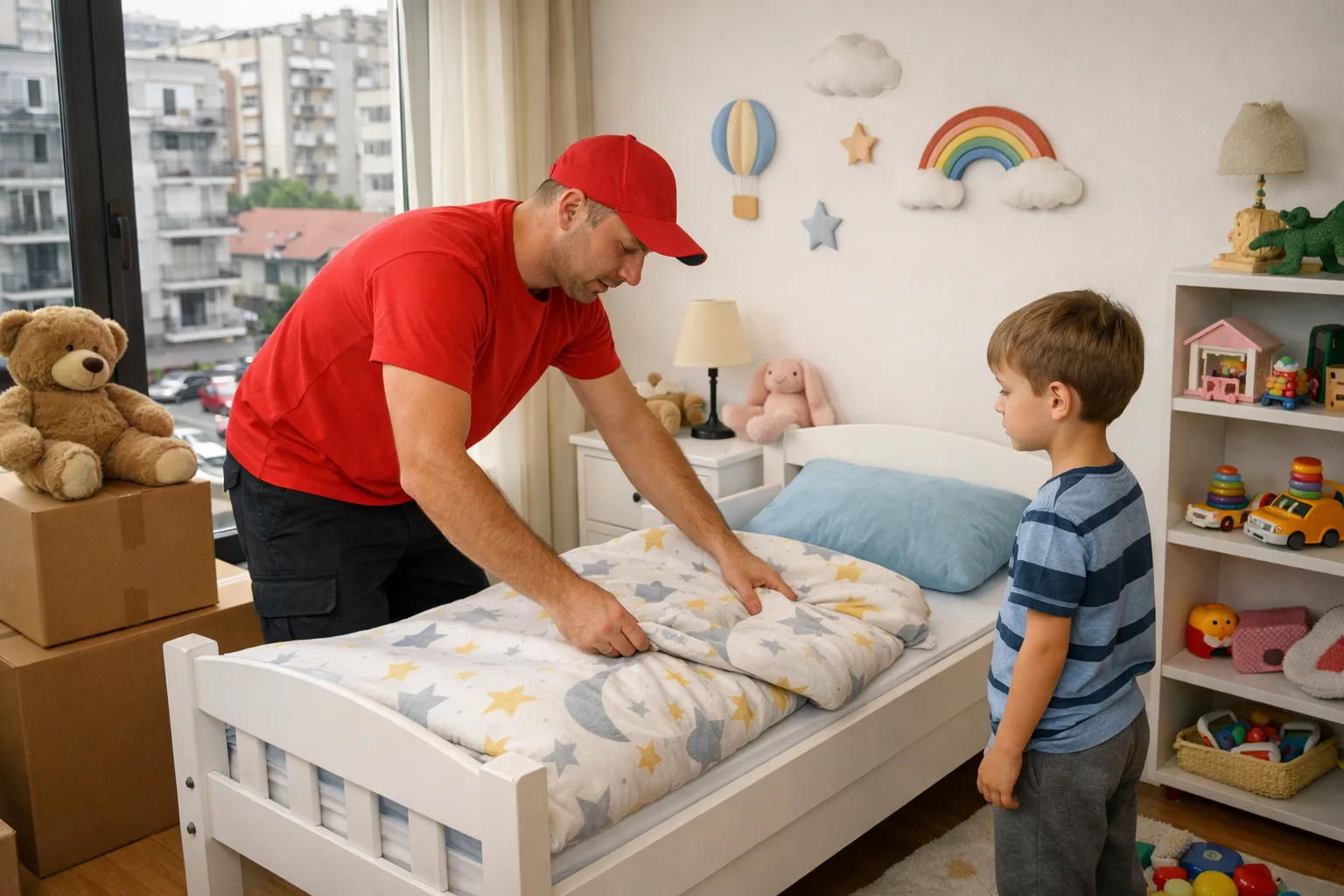
On moving day, it is best to ensure that children are occupied or in a safe place, whether with relatives, friends, or by hiring a babysitter. If this is not possible, organize a space where children can play and be supervised while you handle the move.
Make sure children have meals and breaks at regular intervals to keep them calm and in good spirits. Prepare their favorite snacks and drinks to make them feel comfortable during the busy day.
If children are present during the move, be sure to explain what is happening and why certain things are being packed or moved. This will reduce confusion and help them feel included and secure.
Plan the day so that the move starts early in the morning, when children are usually more rested and cheerful. Avoid delays and unnecessary breaks that could increase anxiety among the youngest.
Also, keep a list of important contacts and emergency numbers handy, as well as basic medicines and first aid supplies, so you are prepared for any unforeseen situations during moving day.
Children's safety during the move is a priority. The area where packing and loading take place should be kept tidy and safe, removing sharp objects, small parts, and hazardous substances from children's reach.
If you hire a professional moving service in Belgrade, check whether they are familiar with the specifics of working in the presence of children and if they take additional measures to protect them.
Also, during transport itself, it is best to secure children in a proper child seat in the car or bus, rather than leaving them in rooms where items are being repacked or scattered.
Ensure that all family members are familiar with basic safety rules during the move, such as not playing near loading areas or carrying heavy boxes.
Consider installing barriers or gates in rooms where children should not enter during packing to prevent accidents and provide a safe environment for play and rest.
Children, especially young ones, may show various emotional reactions such as sadness, anger, confusion, or fear due to the change of environment. It is important to provide them with support and understanding throughout the process.
Talk to them honestly, allow them to express their feelings, and encourage them to ask questions. Sometimes it is helpful to create shared rituals for saying goodbye to the old home and welcoming the new one, such as drawing or taking photos.
Maintaining a routine in the new home as soon as possible after arrival will help children adjust and gain a sense of security. Involve them in arranging their space so they can connect with the new environment.
Be patient and consistent in your approach, as children may go through different stages of adjustment that require time and understanding.
Consider involving professionals, such as psychologists or educators, if you notice that a child is having significant difficulties adjusting or expressing emotions.
When moving with young children, choosing a reliable and experienced moving company in Belgrade is crucial. Look for companies with good recommendations and experience working with families with children.
Check whether the moving teams understand specific needs and are willing to adapt their services to minimize stress for children and parents. Professionals who respect safety and hygiene standards will be a great support throughout the process.
Also, inquire about additional services they may offer, such as packing delicate items or childcare during the move, which can significantly ease organization and reduce worries.
Request a detailed offer and verify that all terms are clearly defined, including arrival time, duration of the move, and price, to avoid unpleasant surprises.
Don’t forget to check if the company holds all necessary licenses and insurance, which is especially important when working with families and sensitive items.
After moving, it is important to adapt the new space to the needs and safety of children. Check that outlets are protected, sharp furniture corners are rounded, and hazardous substances are out of reach.
Arranging the children's room should be functional and pleasant, with enough space for play and learning. Involve children in choosing colors, bedding, and decorations so they feel at home as soon as possible.
Also, pay attention to the environment – sources of light, ventilation, and access to safe playgrounds or parks nearby, which will contribute to their happiness and healthy development in the new surroundings.
Consider installing safety measures such as window locks and safety gates on stairs, especially if the new home is multi-story or has a yard.
Organize the space so that children have clearly defined areas for play, rest, and study, which will help them adjust more easily to new conditions and gain a sense of control over their environment.
Maintaining children’s daily routine during the move and in the new home helps them feel stable and secure. Try to keep meals, sleep, and playtime as regular as possible.
Introducing familiar items such as favorite toys, blankets, or pillows can help the child adjust more easily to changes and feel safer in the new environment.
Also, maintain communication with children about their feelings and experiences in the new home, allowing them to express themselves and jointly address any problems or fears.
Plan joint activities that will help children connect with the new environment, such as walks around the neighborhood or meeting new friends.
Be consistent with rules and boundaries, as children especially seek security and clarity in daily activities during times of change.

Reasons to Hire a Professional Moving Company
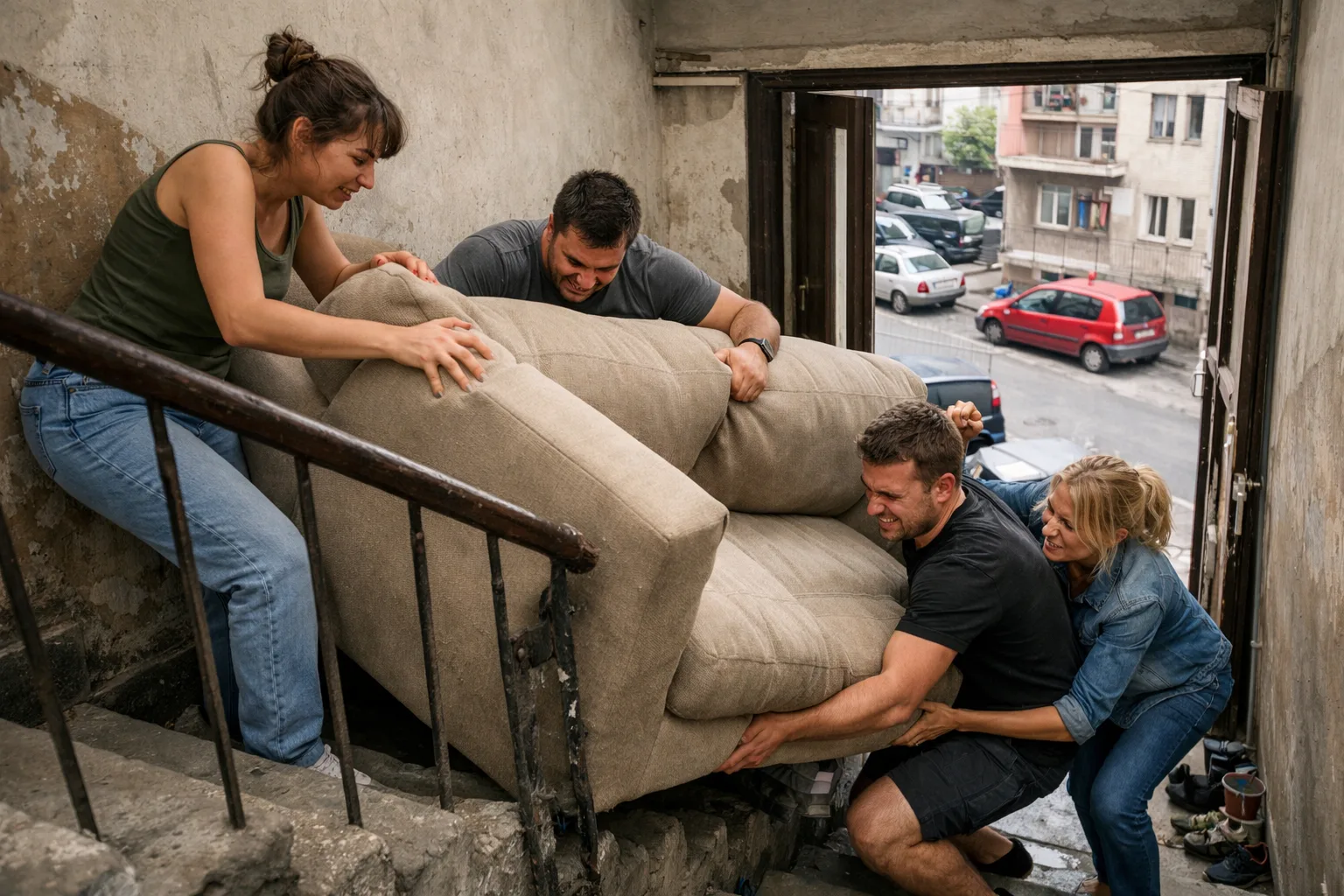
Moving with the Help of Friends or Professionals – Which to Choose?
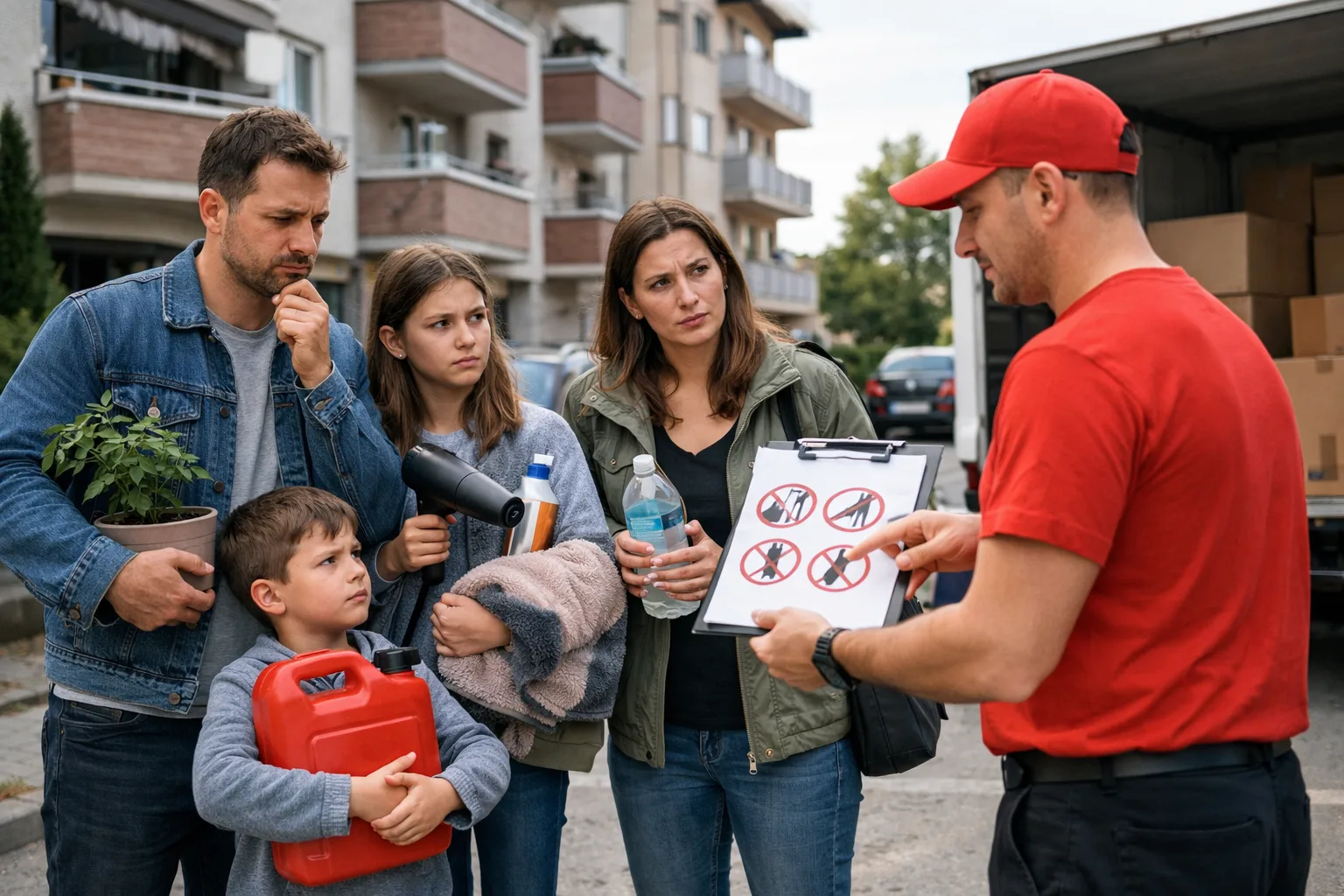
5 Items Professional Moving Companies Will Not Transport
We will respond to you as soon as possible.
Moving with small children presents numerous specific challenges. Below we answer the most common questions from parents to help make the process as smooth and stress-free as possible.
The most important thing is to explain to children in advance what to expect using simple language and positive examples. Involving children in preparing and packing their belongings, maintaining routines, and having favorite toys and items present significantly reduces stress and anxiety.
If possible, it is recommended that children stay with relatives or friends on that day where they will be safe and supervised. This allows parents to focus fully on the move, while children avoid the chaos and noise that accompany the process.
Choose companies with good recommendations and experience working with families with children. It is important that the team is flexible, responsible, and ready to tailor services to your family’s specific needs, especially regarding safety and timing.
The bag should contain essentials such as diapers, wipes, changes of clothes, favorite toys, snacks, a bottle with a drink, and possibly a change of clothes. It is also useful to have basic medicines and hygiene supplies within easy reach.
Keep the space tidy and free of dangerous items within children’s reach. Be sure to remove sharp and fragile objects from their access. If possible, provide them with a separate space or hire someone to watch them during the busiest phases of the move.
Involve the child in decorating their room and allow them to bring their favorite things. Maintain the same sleep and meal routines as before. Talk with the child about the new environment, encouraging exploration and meeting neighbors and new friends.
It is important to listen to the child’s fears and feelings and not ignore them. Explain the reasons for moving in a simple and positive way. Gradually involve the child in planning so they feel included and secure, and if necessary, consider counseling or support from a pediatrician or psychologist.