
Reasons to Hire a Professional Moving Agency
Reasons to Hire a Professional Moving Company

Enter at least 3 characters.
Studying in a big city offers numerous opportunities but also challenges, among which financial management is certainly key. Housing, food, transportation, and other living expenses can vary significantly from city to city, often posing the main concern for students. This guide thoroughly examines the average costs of living in major Serbian cities, providing practical advice and examples on how to smartly plan a budget and avoid financial difficulties during studies. Beyond basic expenses, it is important to understand how to adapt to market changes, take advantage of available student benefits, and develop habits that contribute to long-term financial stability. This way, students can make the most of their time in a big city without unnecessary money-related stress.

Housing constitutes the most significant portion of students' monthly expenses in major cities. Rental prices for one-bedroom apartments or rooms in dormitories and private accommodations vary depending on location and quality. For example, in Belgrade, renting a room near the university or city center can cost between 150 and 250 euros per month. If you plan to move to the capital, it is useful to learn about moving services in Belgrade, which can ease the organization and start of student life. Prices in Novi Sad and Niš are somewhat more affordable but still represent a significant budget item.
It is important to consider that utility costs such as electricity, water, and internet are usually not included in the rent price and require an additional 50 to 70 euros per month. Students sharing an apartment with roommates can significantly reduce these expenses, but it is crucial to choose roommates carefully and agree on all terms to avoid misunderstandings. Signing a rental agreement is also recommended to protect the rights and obligations of both parties.
Additionally, accommodation in student dormitories is often a cheaper option, with monthly fees around 60 to 100 euros, but it is necessary to thoroughly research conditions, availability, and distance from the faculty. Planning housing in advance and timely reservations can help save money and select the most affordable accommodation. Visiting dormitories and talking to current residents is advisable to get a realistic impression of living conditions.
Food expenses depend on how the student organizes their meals. Preparing food at home or in the apartment is significantly cheaper compared to eating daily at restaurants or fast-food outlets. Average monthly food costs can range from 100 to 150 euros if meals are carefully planned and groceries are bought at discount stores. Planning menus in advance and purchasing seasonal fruits and vegetables further reduce costs.
If a student uses the university canteen, meal prices are much lower, around 1 to 2 euros per meal, which can significantly reduce overall food expenses. However, canteens have fixed operating hours and limited meal options, so it may not always be possible to meet all dietary needs. Combining canteen meals with home-cooked food is recommended for an optimal balance of cost and nutrition.
It is also necessary to account for additional daily expenses such as coffee, snacks, and drinks that students often buy, which can amount to around 20 to 30 euros per month. Smart planning and bulk purchasing can help reduce these costs. Using household appliances like electric kettles or microwaves can further facilitate the preparation of quick and inexpensive meals.
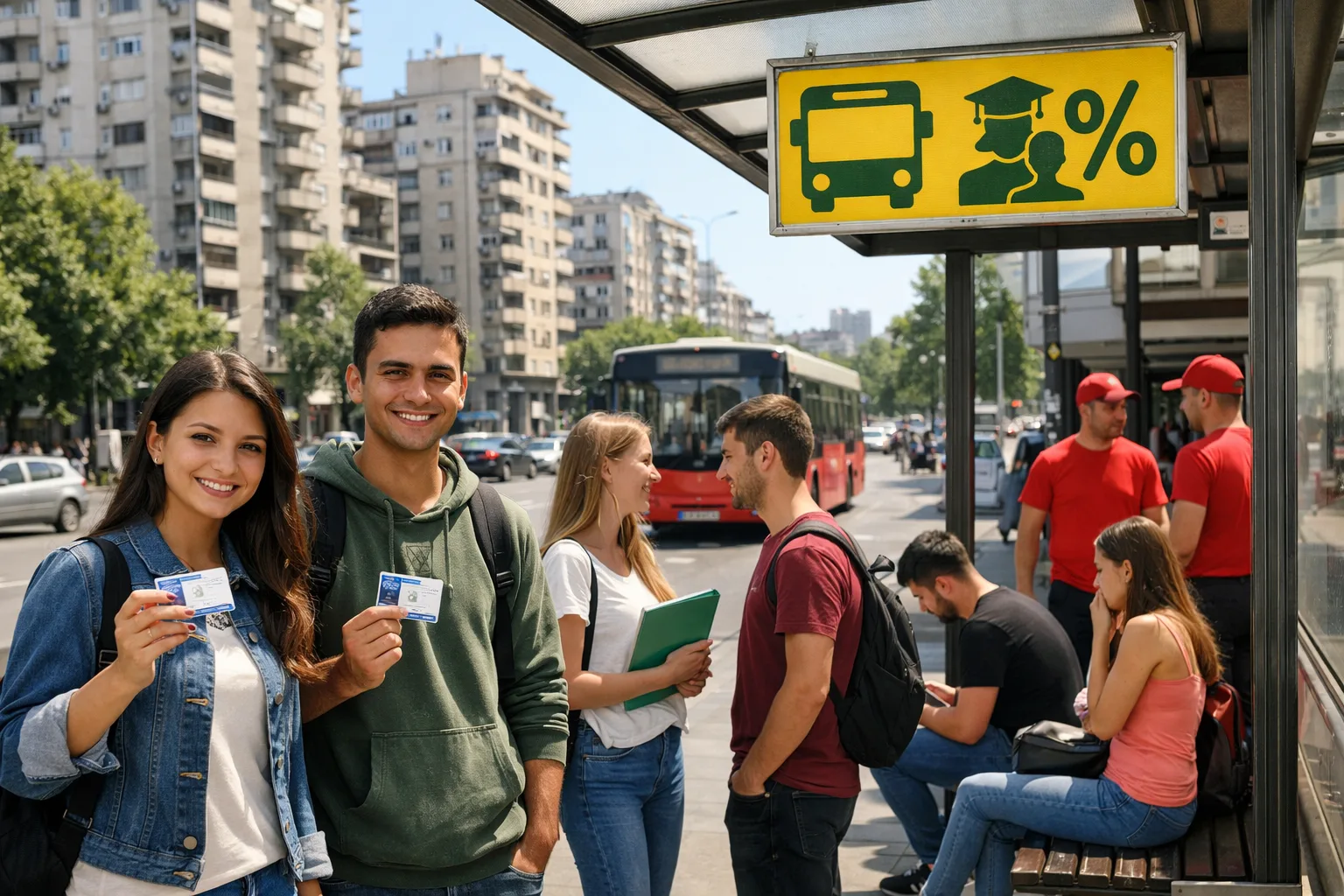
In larger cities, commuting to university, work, or social activities represents a significant part of students' daily obligations. Using public transportation is the most common and affordable way to get around. The price of a monthly student ticket in Belgrade is around 30 to 40 euros, while in Novi Sad it is somewhat lower – about 20 to 30 euros. It is recommended to purchase monthly or seasonal tickets, which offer significant savings compared to daily or single tickets.
Besides the loss of time and ticket costs, students often use bicycles or walk, which is a healthy and free alternative. In some cases, sharing transportation with roommates or friends can further reduce taxi or private ride expenses. Also, in cities with a developed network of electric scooters or mopeds, students can use affordable monthly subscriptions or student discounts.
It is important to follow occasional promotions and discounts on transportation, as well as to stay informed about student cards that often provide additional benefits and savings during the semester. Additionally, using transportation planning apps can help optimize routes and save time and money.
Costs for books, scripts, printing, and other educational materials are often overlooked but can be a significant expense for students. On average, one should allocate between 20 and 50 euros monthly for these needs, depending on the study program and availability of materials in digital form. It is recommended to use libraries and digital databases that faculties often offer for free or under favorable conditions.
Many faculties today offer free or discounted access to electronic textbooks and scripts through student portals, which can significantly reduce costs. Also, help from senior students or book exchanges can be very useful. Organizing joint purchases or group printing can further reduce expenses.
One should not forget the costs of courses, workshops, or additional training that students sometimes attend for improvement, which can range from several tens to hundreds of euros, depending on the type and duration of the course. It is good to explore opportunities for free online courses and workshops offered by recognized institutions, as well as student scholarships and subsidies for additional education.
Healthcare costs for students are mostly covered through health insurance, but there are additional expenses to plan for. These include purchasing medicines, vitamin supplements, as well as regular check-ups with dentists or specialists. It is recommended to regularly use student health clinics that often offer services at lower prices or for free.
Average monthly expenses for personal hygiene, including soaps, shampoos, toothpaste, and other necessities, range from about 10 to 20 euros. These are regular and unavoidable costs that can be reduced by buying promotional products or in larger packages. Also, using natural and reusable products can contribute to savings and environmental protection.
Students are advised to regularly take care of their health and preventive measures, as unplanned health expenses can significantly burden the budget. Engaging in sports activities and proper nutrition can contribute to better health and reduced treatment costs.

Although students often need to save, it is important to allocate part of the budget for recreation and socializing. Expenses for outings, cinemas, cafes, or sports activities can range from 20 to 50 euros monthly, depending on personal habits and possibilities. Planning and limiting these costs can help maintain financial balance.
Many cities offer student discounts for cultural and sports events, which is a great way to spend quality time with lower expenses. Participation in student organizations and free events can also contribute to a richer social life without large financial outlays. It is recommended to actively follow event calendars and use student cards for additional discounts.
Smart planning and choosing activities that do not require large expenses will help students balance obligations and relaxation. Also, involvement in volunteer and social projects can enrich the study experience and expand the network of acquaintances.
Internet and mobile phones are essential for students in everyday life and studies. Monthly costs for mobile packages and internet range between 10 and 25 euros, depending on the provider and contracted services. Choosing packages with unlimited internet can be more cost-effective for students who frequently use online resources.
Many students use student discounts or follow operator promotions to reduce monthly bills. Additionally, sharing internet in the apartment or using public Wi-Fi networks can further help lower costs. It is recommended to regularly check consumption and adjust packages to personal needs to avoid unnecessary expenses.
It is good to monitor consumption and choose packages that best suit personal needs, as excessive telecommunication costs can unnecessarily burden a student's budget. Also, using internet communication apps can reduce the need for calls and SMS messages.
One of the key factors for a successful student life in a big city is good budget planning. It is recommended to create a monthly expense plan that includes all basic items – housing, food, transportation, educational needs, and leisure. Regular expense tracking helps identify unnecessary spending and adjust consumption.
Using expense tracking apps or simple spreadsheets helps clearly see where and how much money is going, which facilitates savings and avoids unnecessary expenses. Financial discipline also involves willingness to compromise in some areas, such as choosing more affordable accommodation or reducing entertainment costs. Additionally, it is important to set realistic savings goals and stick to them.
It is recommended that students also have a certain reserve for unexpected expenses, which can be very helpful in crisis situations and provides additional security during studies. Learning the basics of financial literacy and consulting with advisors or more experienced students can further contribute to better personal finance management.

Reasons to Hire a Professional Moving Company
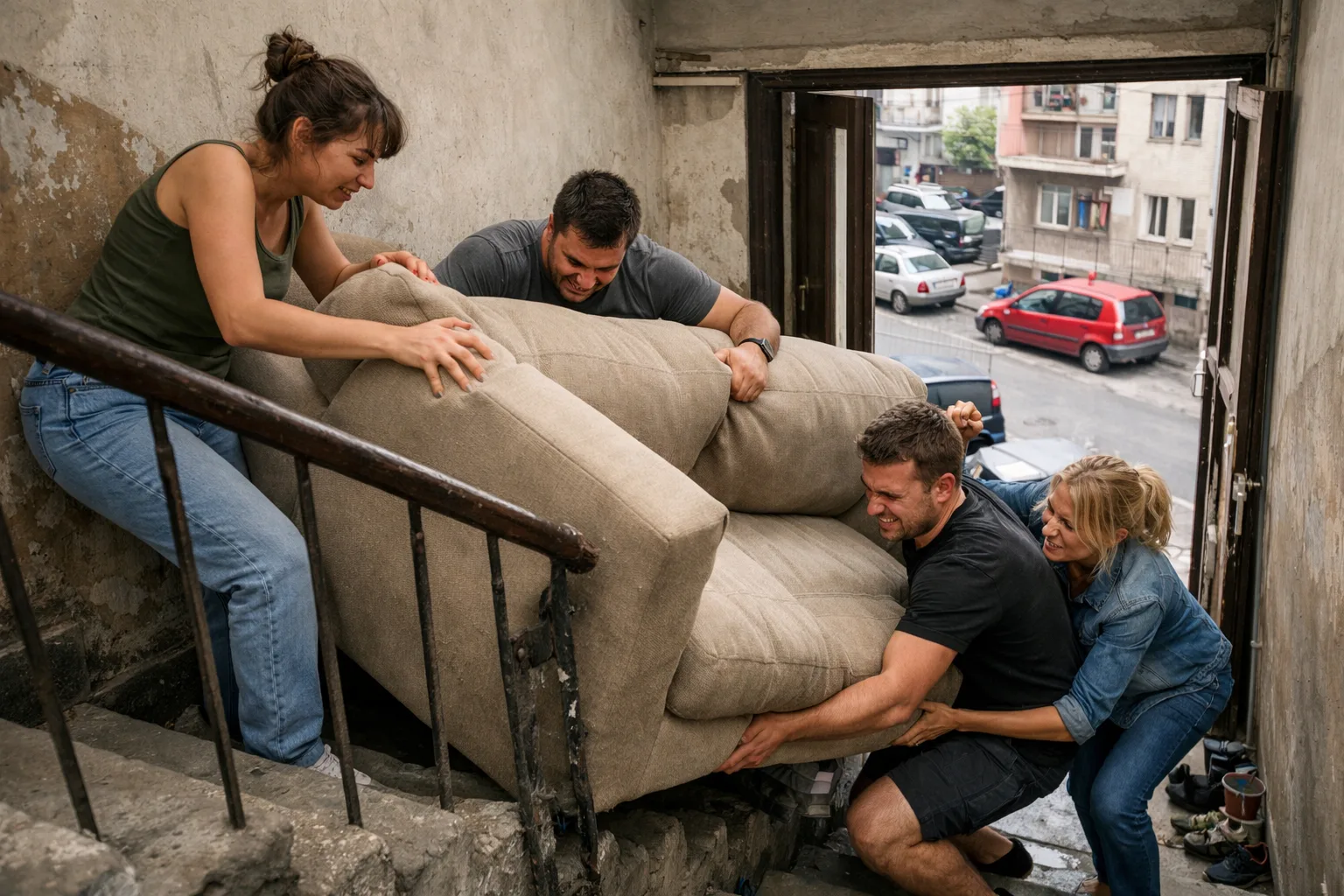
Moving with the Help of Friends or Professionals – Which to Choose?

5 Items Professional Moving Companies Will Not Transport
We will respond to you as soon as possible.
Below we answer the most common questions students have regarding financing and living expenses during studies in larger cities.
The average monthly budget for a student in Belgrade, including housing, food, transportation, and other expenses, ranges between 350 and 500 euros, depending on lifestyle and accommodation choice.
Student dormitories are generally cheaper, with prices around 60 to 100 euros per month, but offer limited conditions and less privacy compared to private accommodation, which can be more expensive but provides more comfort.
Using monthly student passes for public transport, walking, cycling, or carpooling with friends are effective ways to reduce transportation costs.
If a student prepares food themselves, average monthly food costs can be between 100 and 150 euros. Using canteens and student discounts can further reduce this amount.
Although health insurance is mandatory and covers basic services, it is recommended that students plan an additional budget for medications, preventive check-ups, and personal hygiene supplies.
It is recommended that students have a reserve of at least 10% of their monthly budget for unforeseen expenses to cover sudden health or other urgent needs.
The most common challenges include high housing costs, unexpected healthcare expenses, costs of educational materials, and limited access to affordable food and transportation options.