
Reasons to Hire a Professional Moving Agency
Reasons to Hire a Professional Moving Company

Enter at least 3 characters.
Moving is one of the most demanding life events, involving many details and steps that need to be carefully planned. Besides basic tasks like packing and transporting belongings, it is important to recognize which items are not advisable to move on your own. This may be due to their weight, fragility, safety reasons, or legal restrictions. In this guide, we will explain in detail which items should be entrusted to professionals or avoided when moving by yourself, as well as how to best prepare for their safe relocation. This way, you can reduce the risk of damage, injuries, and additional costs, making the entire process less stressful and more efficient. Additionally, it is important to keep in mind that good organization and timely preparation can significantly ease the entire process and contribute to a successful move without unwanted problems.
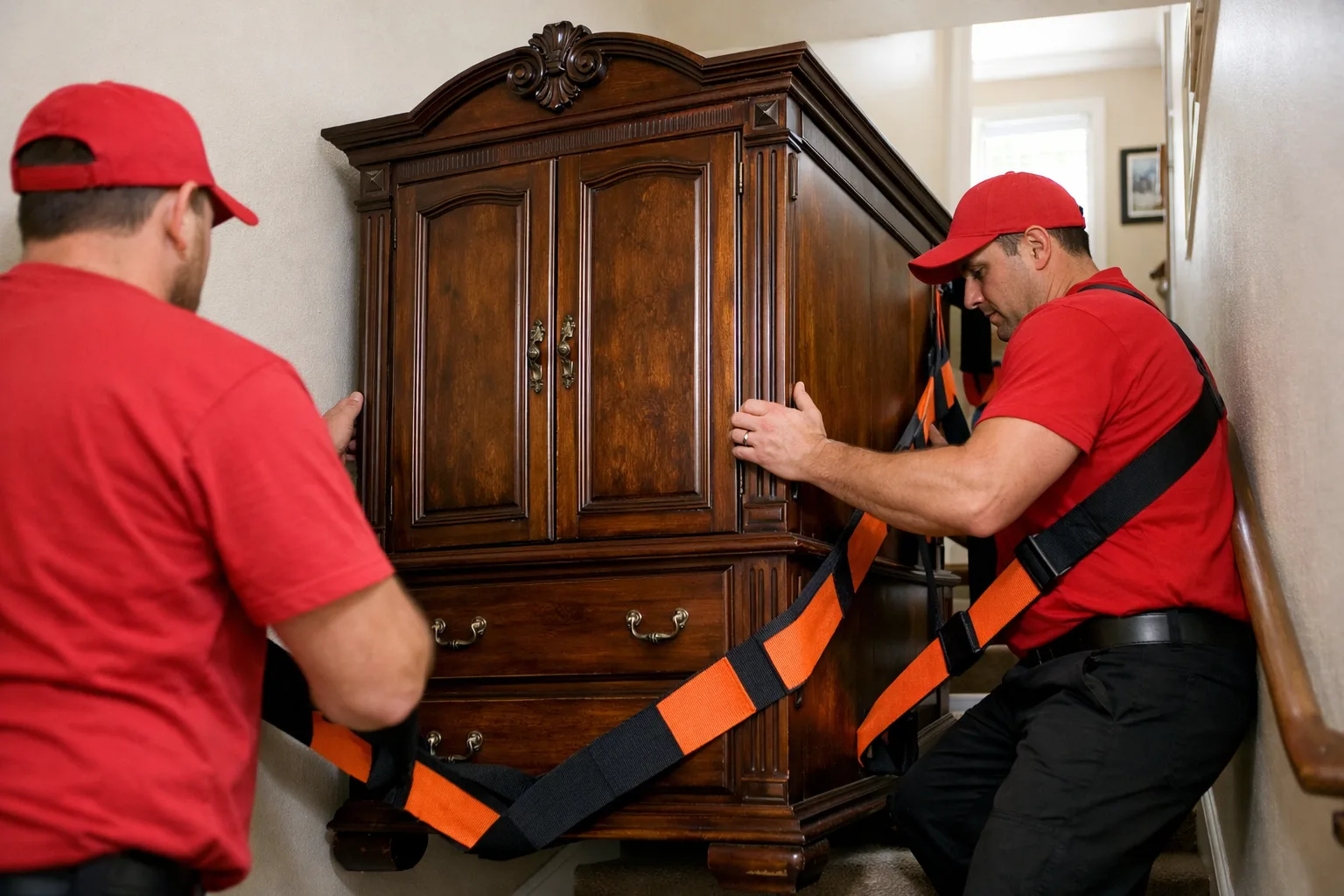
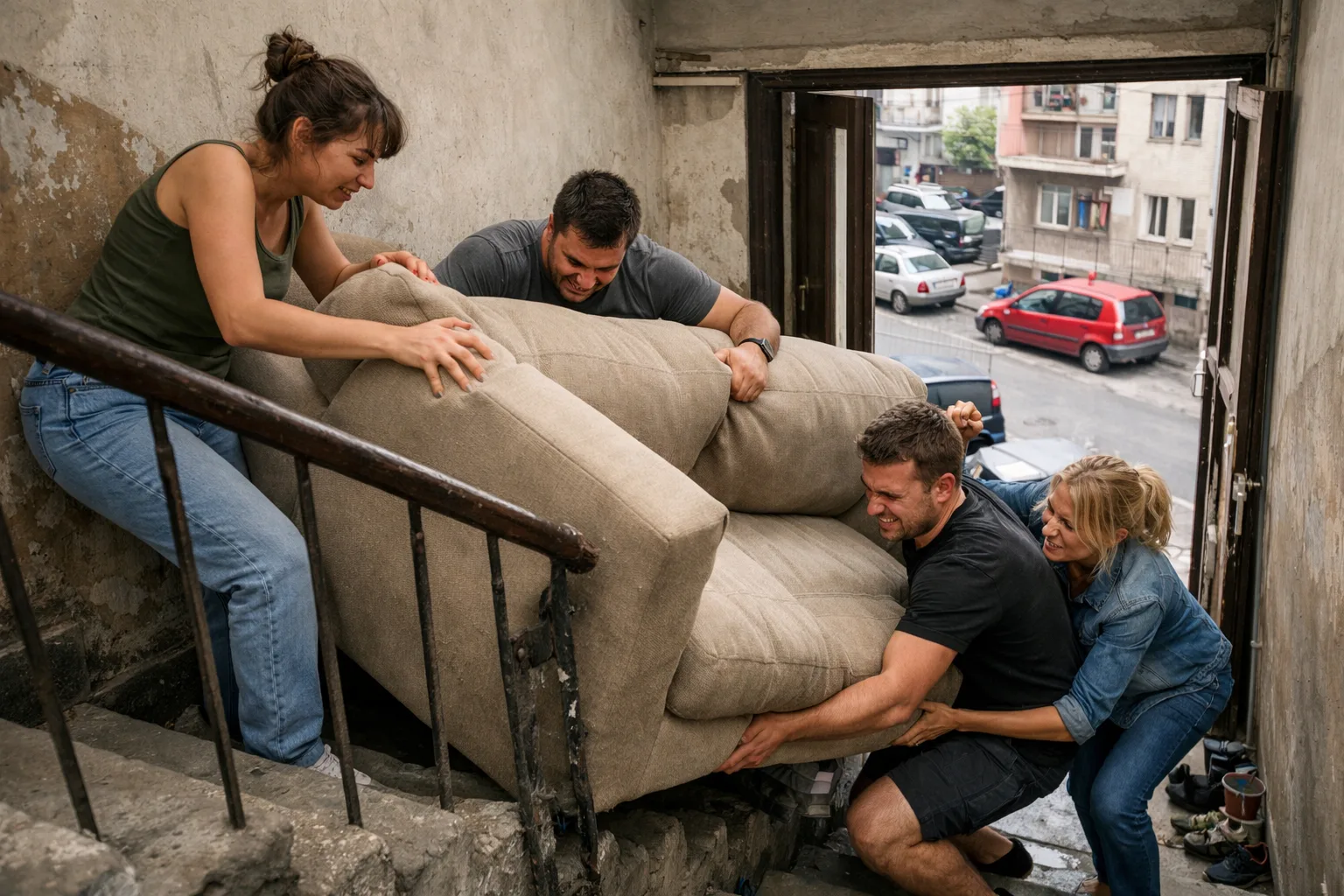
Large and heavy pieces of furniture, such as pianos, massive wardrobes, or antique items, pose a serious challenge for moving on your own. Besides requiring physical strength, appropriate equipment is necessary to avoid damage to the furniture and the spaces through which they are moved. Without proper equipment and experience, there is a high risk of injuries, especially to the back and joints, as well as damage to furniture, walls, and doors in the apartment or house.
Professional moving teams use specialized straps, dollies, sliders, and lifts that facilitate the transport of such items. They also know proper lifting and carrying techniques that reduce the risk of injuries and damage. Additionally, experts can disassemble furniture when possible, which further eases transport and reduces the chances of breaking parts.
Therefore, it is recommended to hire professional moving services with experienced workers for such tasks, as they have the expertise and equipment needed for the safe transport of large and heavy items.
When preparing to move heavy furniture, it is important to measure doors, hallways, and staircases in advance to ensure the item can pass through without damage. Also, removing legs or other parts of the furniture can facilitate transport and reduce the risk of damage.
Don't forget to plan and protect floors and walls in the areas through which the furniture will be moved. Using protective films or cardboard panels can prevent scratches and dents during the move.
Electronic devices such as computers, televisions, audio systems, and household appliances are very sensitive to shocks, moisture, and static electricity. Improper packing or transport can lead to permanent damage often not covered by warranty, which can represent a significant financial loss.
It is recommended to use original boxes or specialized packaging with protective layers of foam or bubble wrap. These materials provide additional protection against shocks and vibrations during transport. Also, it is important to turn off devices, disconnect all cables, and prepare them in a way that facilitates their reinstallation after the move.
For expensive or large technical devices, such as home theaters or server units, it is advisable to hire packing and moving professionals who have experience in moving such equipment. They will ensure proper protection and handling, reducing the risk of damage and increasing safety during transport.
When packing electronic devices, pay attention to removing batteries from devices that contain them, as they can cause damage or leakage during transport. Also, clearly and thoroughly label boxes with devices to indicate that they are fragile and require careful handling.
If you do not have the original packaging, you can use special boxes with dividers and additional cushions to protect individual parts. Also, during transport, devices should be placed in the vehicle so that they are not exposed to sudden movements or pressure.
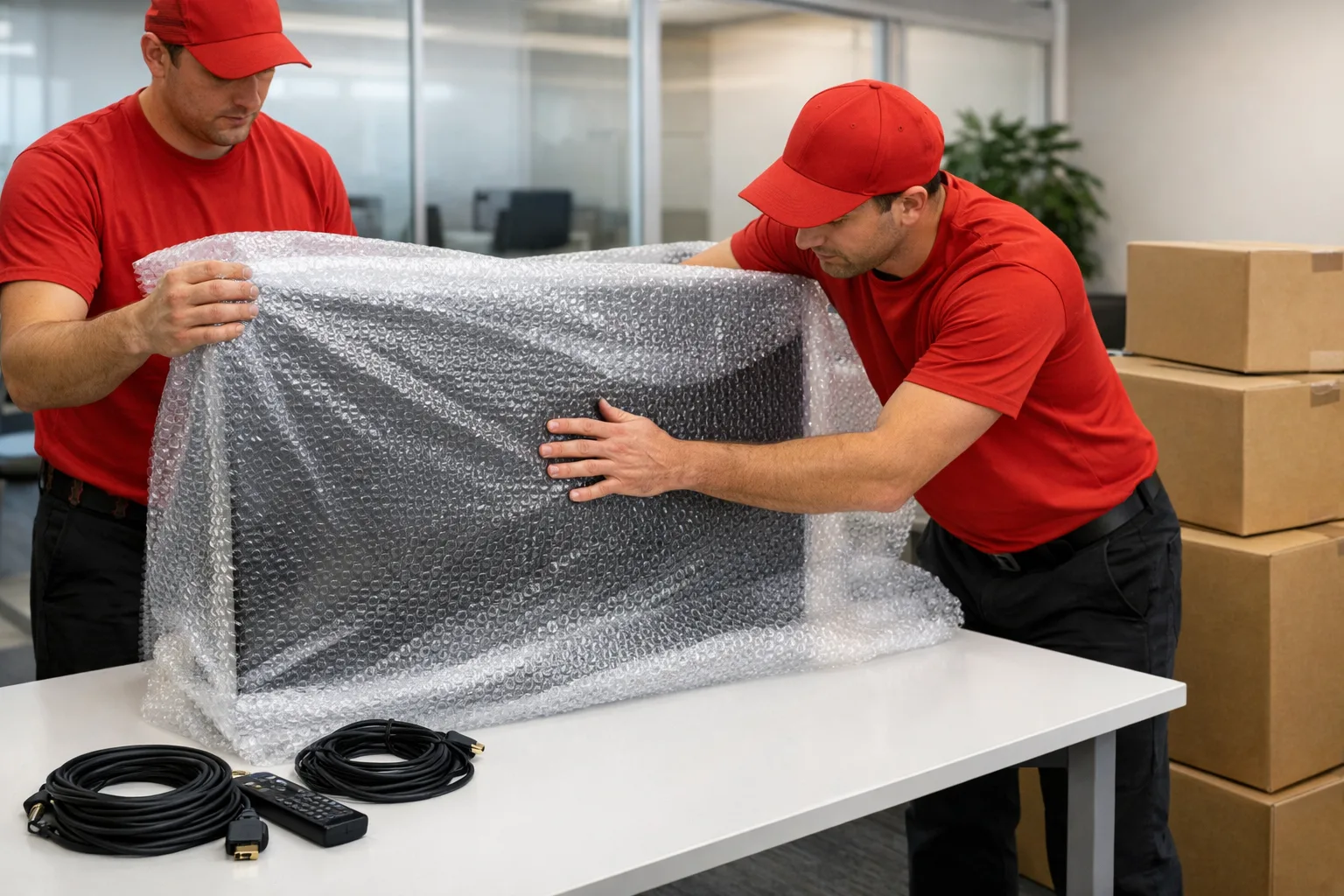
Artistic items such as canvas paintings, sculptures, or glass decorations often have high sentimental and material value. Improper handling and packing can lead to damage that is difficult or impossible to repair, so it is extremely important to approach their move with special care.
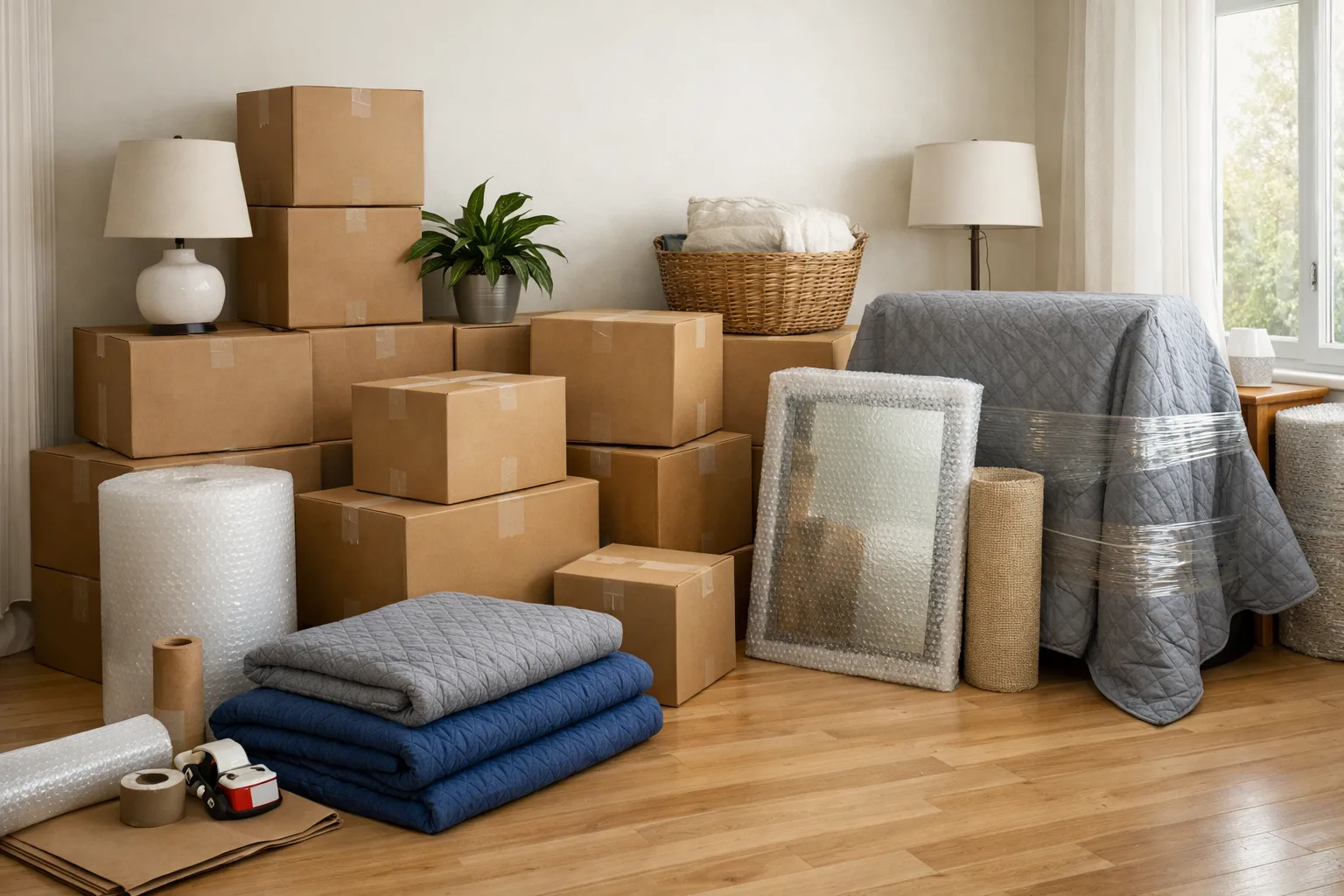
Specialized materials such as acid-free paper, foam pads, and boxes with cushioning layers that protect against shocks and moisture are used for packing such items. Also, packages with fragile items should be clearly marked so that the moving team knows to handle them carefully and responsibly.
If you own valuable art pieces, it is recommended to consult with art moving experts who can provide adequate protection, transport, and insurance. They have experience handling the specific requirements of such items and can help you avoid unpleasant surprises during the move.
It is important to document the condition of artworks with photos or videos before the move. This can be useful in case of damage for claims or insurance purposes.
Also, consider the possibility of insuring art pieces separately, as standard moving insurance policies often do not cover high values or specific risks related to artworks.
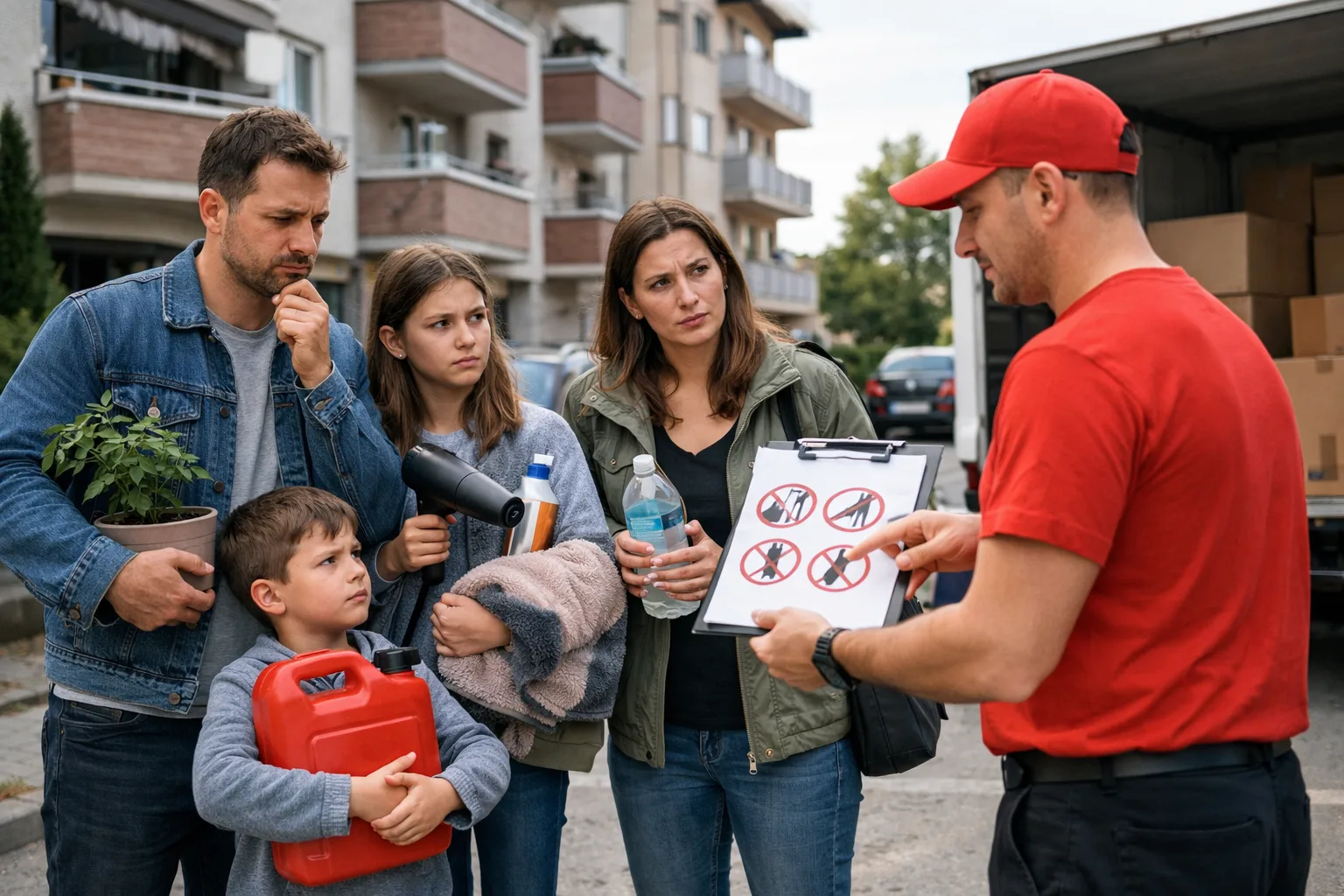
Items containing chemicals, such as paints, solvents, pesticides, or gasoline, pose a serious risk during moving due to their flammability, toxicity, and potential to cause explosions or leaks. These substances can endanger health, safety, and property during transport.
Due to legal regulations, these substances are prohibited from being transported in moving vehicles without special permits and conditions. Also, improper storage can cause leaks, contamination of other items, and serious safety incidents. Therefore, it is extremely important to check in advance which items you are not allowed to carry and how to properly dispose of them.
It is best to contact specialized services with permits and experience in handling hazardous materials for disposal or transport of these substances. This way, you will ensure the safety of yourself and others, as well as compliance with legal regulations.
When packing chemicals allowed for transport, use original sealed containers and additionally protect them with plastic bags or leak-proof containers to prevent leakage.
Also, never mix different chemicals during packing, as this can cause chemical reactions that are dangerous to health and property.
Valuables such as money, jewelry, important documents, and other personal items should not be packed in boxes transported together with other belongings. There is a risk of loss, theft, or damage, especially if you are moving with unknown persons or through third parties.
For these items, it is recommended to use personal bags, safes, or special boxes that you carry with you or hand over to trusted individuals. Also, digital copies of important documents can be useful as an additional security measure in case of loss of the originals.
Planning ahead and responsibly safeguarding valuable items can significantly reduce stress and complications during the move. It is advisable to make a list of valuables and keep track of their location throughout the entire relocation process.
It is recommended to keep important documents, such as passports, ID cards, contracts, and medical records, in an easily accessible bag or folder during the move so you can quickly find them when needed.
Also, consider using lockable security boxes or even safes to store larger quantities of valuables during transport, especially if the move is carried out in multiple stages or over an extended period.
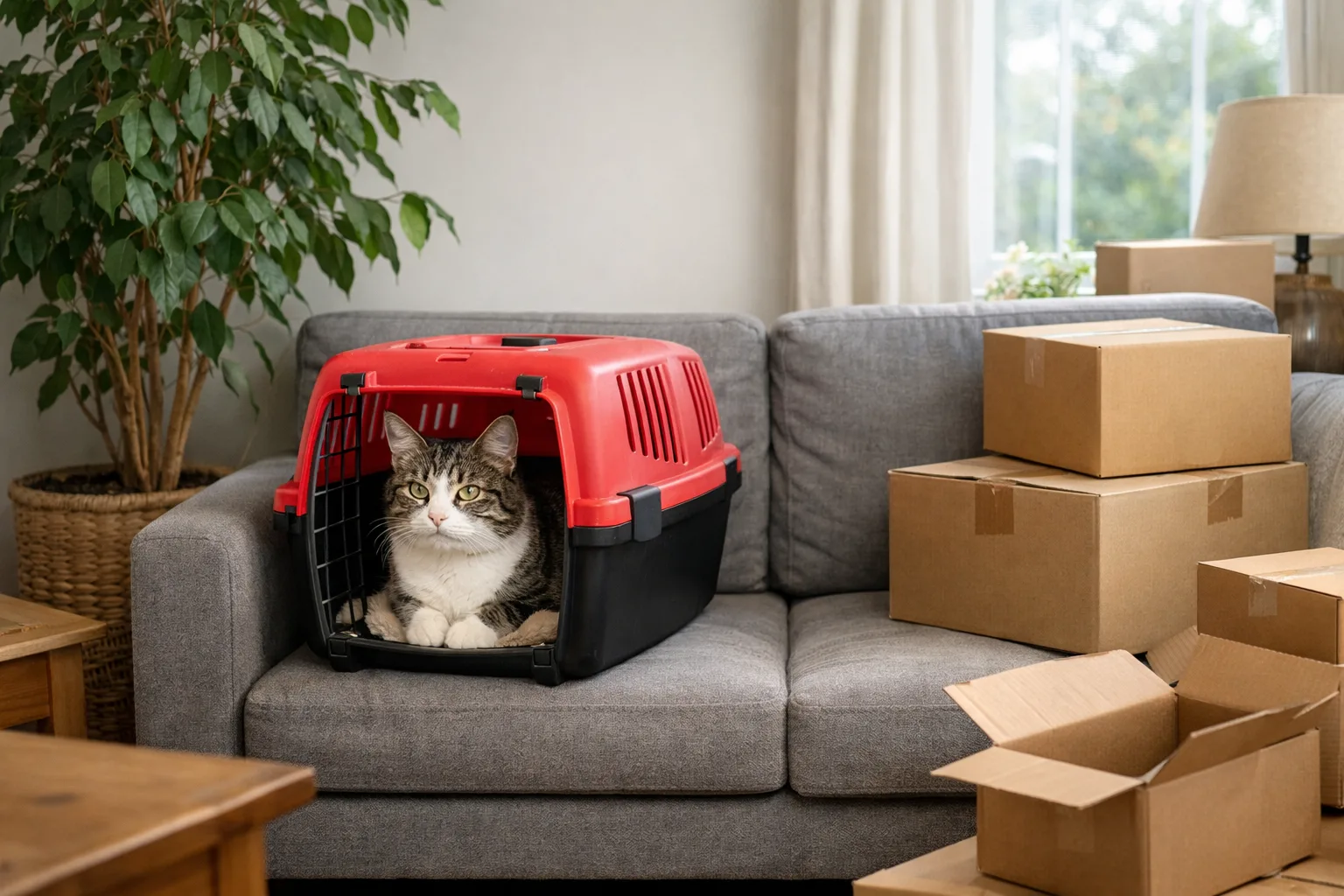
Pets are sensitive to stress, environmental changes, and transport, requiring special attention during the move. Their relocation should not be done together with items in boxes but in appropriate carriers that ensure safety and comfort during the journey.
Plants are also sensitive to changes in temperature, light, and humidity. Improper packing and transport can lead to damage or even destruction of plants. Some species require specific conditions, such as constant moisture or protection from cold, which should be considered when planning the move.
In some cases, consider hiring professional pet and plant transport services that have experience and equipment for safe transportation.
Preparing pets for the move also includes consulting a veterinarian, especially if the trip is long or if the pet has health issues. The vet can recommend appropriate measures to reduce stress and ensure safe transport.
For plants, it is recommended to water them before the move, but not excessively, so the soil remains moist without spilling. Also, be sure to protect them from cold and strong winds during transport by using cardboard boxes or special nets.
Transporting food, especially perishable or liquid items, can be problematic without proper refrigeration and packaging. Easily perishable food can cause unpleasant odors, contaminate other items, and spoil during transport.
Alcoholic or carbonated drinks can explode or spill if not properly sealed and packed. Additionally, there are legal restrictions on transporting certain types of beverages, which should be checked before the move.
It is recommended to consume such products before the move or give them away as gifts, and purchase new ones after relocating. If you must transport them, be sure to use specialized packaging and comply with regulations to avoid unwanted incidents during transport.
For perishable foods like dairy products, meat, or fresh fruit, it is best to use thermal bags or coolers with ice to maintain the appropriate temperature during transport.
Also, clearly label boxes containing food and place them in the vehicle where they won’t be exposed to direct sunlight or extreme temperature changes.
Sports equipment such as bicycles, skis, surfboards, and similar items are often impractical to carry alone due to their size, shape, and weight. Inadequate packing can lead to equipment damage or complicate transport.
There are specialized bags, cases, and boxes designed to protect and facilitate the transport of sports equipment. Using these accessories significantly reduces the risk of damage and makes handling items during the move easier.
If you plan to transport sports equipment yourself, it is advisable to make a detailed plan in advance and secure appropriate carriers, bags, or cases. Also, consider hiring a moving company experienced in transporting such items to avoid complications and unnecessary costs.
Before packing sports equipment, clean it of dirt and moisture to prevent damage during transport. For example, it is advisable to wash and lubricate bicycles before packing.
For larger items like surfboards or skis, use protective covers and wrap them in soft fabric or foam to prevent scratches and impacts.
Reasons to Hire a Professional Moving Company
Moving with the Help of Friends or Professionals – Which to Choose?
5 Items Professional Moving Companies Will Not Transport
We will respond to you as soon as possible.
Below are answers to the most common questions related to topics and issues when moving items that you should not transport on your own.
Chemicals and flammable materials are highly combustible and toxic, which can lead to fire, explosion, or poisoning during transport. Additionally, improper storage can cause leaks and contamination of other items. For these reasons, there are legal restrictions and recommendations that such items should not be transported independently but through specialized services.
Electronic devices should be packed in their original boxes if available, or in specialized boxes with foam protection. Before packing, turn off the devices, disconnect cables, and arrange them carefully. For extra safety, label the boxes as fragile and avoid sudden movements during transport.
Pets should be transported in appropriate carriers that allow ventilation. Before the move, provide them with enough food and water, as well as breaks during longer trips. Also, consult a veterinarian for advice on preparation and possible use of sedatives if necessary.
It is recommended to carry personal documents, money, and valuables with you rather than packing them with other items. This reduces the risk of loss or theft. It is also advisable to make digital copies of documents as a backup.
Artwork should be carefully wrapped in acid-free paper and protected with foam materials. Use specialized boxes and clearly mark them as fragile. If valuable, consider hiring professional moving services specialized in artwork.
Large and cumbersome items like bicycles, skis, or surfboards are recommended to be moved with the help of professionals or using specialized bags and boxes. This reduces the risk of damage and facilitates transport.
It is recommended to consume or donate perishable food before moving. If you must transport it, use coolers and appropriate packaging to prevent spoilage and unpleasant odors during transport.