
Reasons to Hire a Professional Moving Agency
Reasons to Hire a Professional Moving Company

Enter at least 3 characters.
Moving is one of the most demanding and stressful events in life, requiring good organization and careful planning. Besides logistics and scheduling, choosing the right clothing plays a key role in making the entire process as smooth and efficient as possible. Properly selected attire not only provides comfort and freedom of movement but also ensures safety when carrying heavy items, climbing stairs, and working in various weather conditions. In this guide, we will explain in detail the most practical clothing options for moving day, what to pay attention to, and how to adapt to the specifics of the move and weather conditions. We will also offer tips on how to maintain your clothing throughout the day so you stay as comfortable and prepared as possible for all the challenges moving brings.
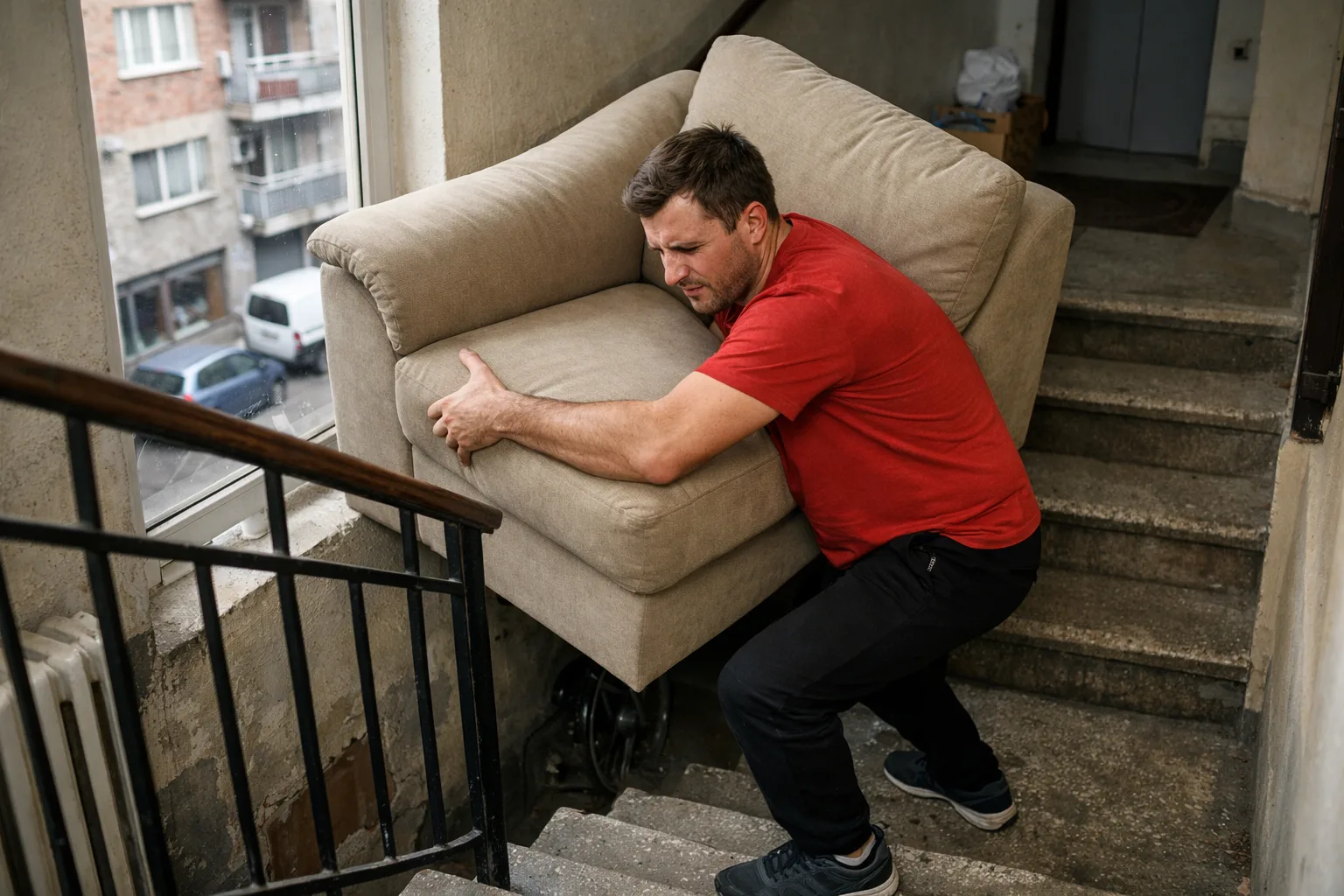
Moving day involves intense physical activity including carrying heavy boxes, furniture, and other items, as well as frequent movements like bending, stretching, and climbing stairs. Inadequate clothing can restrict your mobility, cause discomfort, and even lead to injuries such as cuts or sprains. Therefore, it is extremely important to choose clothing that is comfortable, elastic, and durable so you can perform all tasks without hindrance. If you want to avoid effort and stress, consider hiring professionals for moves with workers, who will take on the hardest part of the job and allow you to focus on organization and personal comfort.
Besides comfort, you should also consider body protection. Long pants and long-sleeved shirts can prevent scratches and cuts that are common when carrying furniture or handling boxes with sharp edges. Additionally, clothing should be sturdy enough to withstand wear and tear and should not easily tear or get damaged during work.
If the weather is cold, rainy, or windy, appropriate clothing will protect you from adverse conditions. Wet or damp clothing can make work harder, reduce your efficiency, and increase the risk of catching a cold. Therefore, it is important to plan layered dressing and have protective clothing pieces on hand that can be easily put on or taken off.
Proper clothing also contributes to your safety by reducing the risk of accidents. For example, clothing that does not obstruct visibility or movement can prevent you from getting caught on furniture or obstacles while carrying items. All these factors together make clothing choice a key factor for a successful and safe move.
Finally, properly chosen clothing can improve your endurance and reduce fatigue because you will feel more comfortable and secure throughout the day. This is especially important if the move lasts several hours or if you are working alone without professional help.
The footwear you choose for moving day should be sturdy, stable, and comfortable. Ideal options are sneakers or work shoes with non-slip soles, as you will often walk on various surfaces including stairs, concrete floors, or even grassy areas. Avoid footwear like sandals, slippers, or shoes with smooth soles, as they increase the risk of falls and injuries.
It is important that footwear fits the foot well, but is neither too tight nor too loose. Oversized shoes can cause awkward walking and increase the risk of injuries, while too small shoes can cause blisters, pain, and discomfort. If you expect to carry heavy items, footwear with additional foot support or orthopedic insoles can significantly reduce fatigue and prevent injuries.
If the move involves walking on inaccessible or uneven terrain, choose footwear with extra toe protection and a good sole tread for better grip. Work shoes with reinforced toes can protect your feet from falling objects or impacts, which is a common hazard during moving.
Also, if there is a chance of rain or moisture, waterproof or at least moisture-resistant footwear is recommended. This will help you stay dry and prevent slipping on wet surfaces. Always have spare shoes or socks so you can change if you get wet.
Finally, remember that footwear should be already broken in and comfortable before moving day. Wearing new or untested shoes can lead to blisters and discomfort, which will make the entire process more difficult.

For the upper body, it is best to choose a long-sleeve shirt or blouse made of breathable materials like cotton or technical sports fabrics. Such materials provide good ventilation and quickly absorb moisture, which is important since you will likely sweat a lot during the move.
Avoid clothing that is too tight as it can restrict arm and shoulder movements, making it harder to carry and lift heavy items. On the other hand, overly loose clothing can catch on furniture or boxes and hinder your work. Ideally, the shirt or blouse should fit your size and allow a full range of motion.
On colder days, layering is recommended – a thin shirt or thermal base layer underneath, with a light jacket, sweatshirt, or fleece over it. This approach allows you to easily adjust to temperature changes throughout the day by adding or removing layers as needed.
Also, long-sleeve shirts protect the skin from scratches and dirt, which is especially useful when handling rough or sharp objects. If the day is sunny, consider a shirt with UV protection or wearing a light cap to shield your head and neck from the sun.
Don’t forget that upper body clothing should be easy to wash and maintain, as it will likely get dirty during the move. Choose pieces that dry quickly and require no special care.
The pants you wear should be abrasion-resistant and easy to wash, such as work pants, denim, or athletic sweatpants. This choice provides good protection for your legs against scratches, cuts, and unpleasant contact with furniture or sharp edges.
Avoid pants with too many buttons, zippers, or decorations that can restrict movement or catch on items you carry. Elastic pants with pockets are practical because they allow freedom of movement and extra space for carrying small items or tools like keys or a mobile phone.
If the move involves working outdoors or during colder seasons, wearing thermal underwear under your pants is recommended. This will provide additional warmth and protection from the cold while maintaining comfort and flexibility of movement.
Also, pants with reinforced knees or extra layers in high-wear areas can extend the garment’s lifespan and increase your comfort when working on your knees or squatting.
Remember that pants should fit your size and not restrict movement. Pants that are too tight can cause discomfort and limit flexibility, while overly loose pants can pose a safety risk due to the possibility of catching on objects.
Gloves are an essential accessory during moving as they protect your hands from blisters, cuts, dirt, and cold. Choose a pair that is comfortable but sturdy enough to withstand the effort of carrying heavy boxes and furniture. There are specialized work gloves with reinforced palms and fingers that provide extra protection and better grip. To further ease the process, we recommend using quality moving boxes that simplify packing and transporting your belongings.
A cap or hat can protect your head from the sun, dust, or falling small objects, especially if the move lasts all day and takes place outdoors. Additionally, a cap can help keep your hair out of your face during work and help you stay focused on tasks.
A waterproof jacket or raincoat is a useful accessory if there is a chance of rain or moisture. They are quick to put on and take off, protecting you from dampness without restricting movement. It is important to choose a model that does not restrict your arms and body, with a hood and reflective details for better visibility.
In addition to these basic accessories, consider wearing a tool belt or a pouch for small items where you can keep your mobile phone, keys, or basic tools. This will allow you to have all important items at hand and reduce the need to frequently go back for things.
Also, don’t forget eye protection if you are working with dust or sharp objects – safety glasses can be very helpful in preventing injuries.
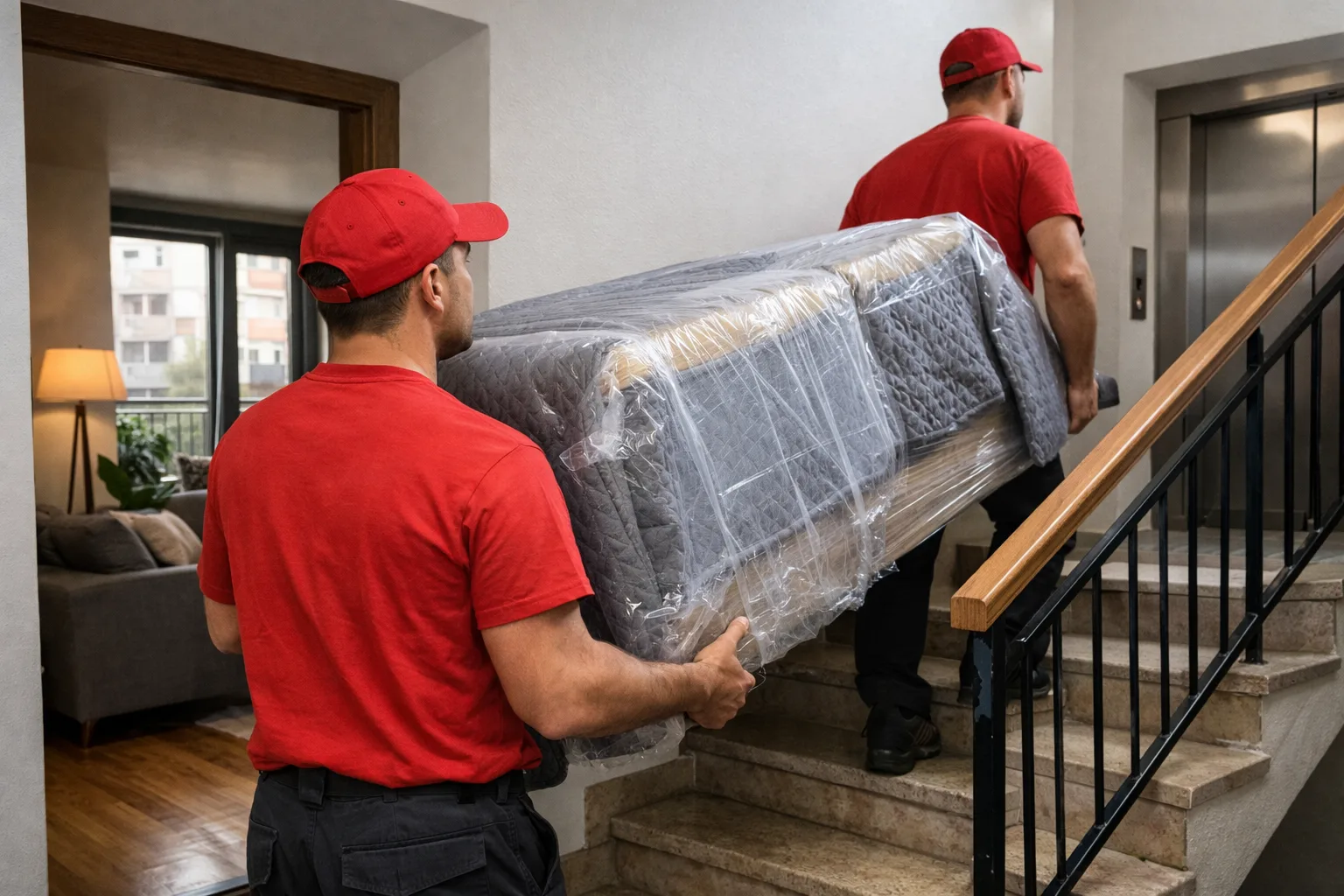
If the moving day is warm and sunny, choose lighter-colored clothing that reflects sunlight and helps you stay cooler. Materials like cotton or technical sports fabrics provide good ventilation and quickly absorb sweat, which is crucial for maintaining comfort during intense work.
For cold days, layering is the best choice. Start with a thermal or cotton shirt as the base layer, then wear a sweatshirt or jacket over it, and finally a windbreaker or warm raincoat. This approach allows you to easily adjust your clothing to temperature changes throughout the day by adding or removing layers as needed.
In case of rain, besides a waterproof jacket, it is important to have footwear that won’t slip on wet surfaces. Waterproof boots or sneakers with rubber soles are recommended. Also, have spare clothes in case you get wet so you can change and avoid catching a cold or discomfort.
In windy or cold conditions, consider wearing scarves, gloves, and hats that will further protect exposed parts of your body. These accessories don’t take up much space but can significantly increase your comfort throughout the day.
Follow the weather forecast several days before the move and prepare your clothing and accessories according to the expected conditions. This way, you will avoid unpleasant surprises and be able to focus on the job without worrying about the weather.
Moving in an apartment usually involves carrying items up stairs or using an elevator, which requires footwear with good grip and clothing that does not restrict movement. Avoid clothing with long parts, such as wide sleeves or long scarves, which can catch on handrails, door handles, or furniture and cause accidents.
When moving in a house, especially if it involves a yard, garage, or other outdoor space, you can expect various terrains – from concrete floors to grass or soil. Choose footwear suitable for outdoor conditions and clothing that protects against possible scratches, dirt, and moisture.
Also, house moves often involve working outdoors, so it is important to have layered clothing and accessories like a cap, gloves, and a waterproof jacket. In an apartment, the focus is more on freedom of movement and comfort, while outdoors protection from weather conditions and rough terrain is more important.
In an apartment, you often need to move through narrow spaces and stairs, so it is advisable to wear clothing suited for such conditions – without too many pockets or accessories that could hinder movement or catch on furniture.
For moving in a house, especially if the yard is uneven or has rough terrain, footwear with extra protection and a sturdy sole is essential. Also, consider wearing work pants with reinforced parts that will protect you from dirt and damage.
Before the moving day, check that your clothing is clean, undamaged, and ready for intensive use. Torn or worn-out items can make work harder and reduce your efficiency. If necessary, get at least one set of new or spare clothes to use exclusively for the move.
During the move, if your clothes get dirty, keep wet wipes or a cloth handy for quick cleaning. This can help you remove dirt or stains and maintain a fresh feeling, especially if the move lasts all day.
If possible, arrange a place where you can change or rest in dry clothes during breaks. Changing into clean clothes can significantly increase your comfort and reduce the risk of catching a cold, especially if the weather is cold or rainy.
After completing the move, immediately wash and dry your clothes to avoid unpleasant odors, material damage, and bacterial growth. Proper clothing care extends its lifespan and keeps it ready for the next time you need it.
Also, consider washing clothes separately from other items, using appropriate detergents and washing programs to preserve color and material quality. Regular clothing maintenance contributes to your overall comfort and safety during future activities.

Reasons to Hire a Professional Moving Company
Moving with the Help of Friends or Professionals – Which to Choose?
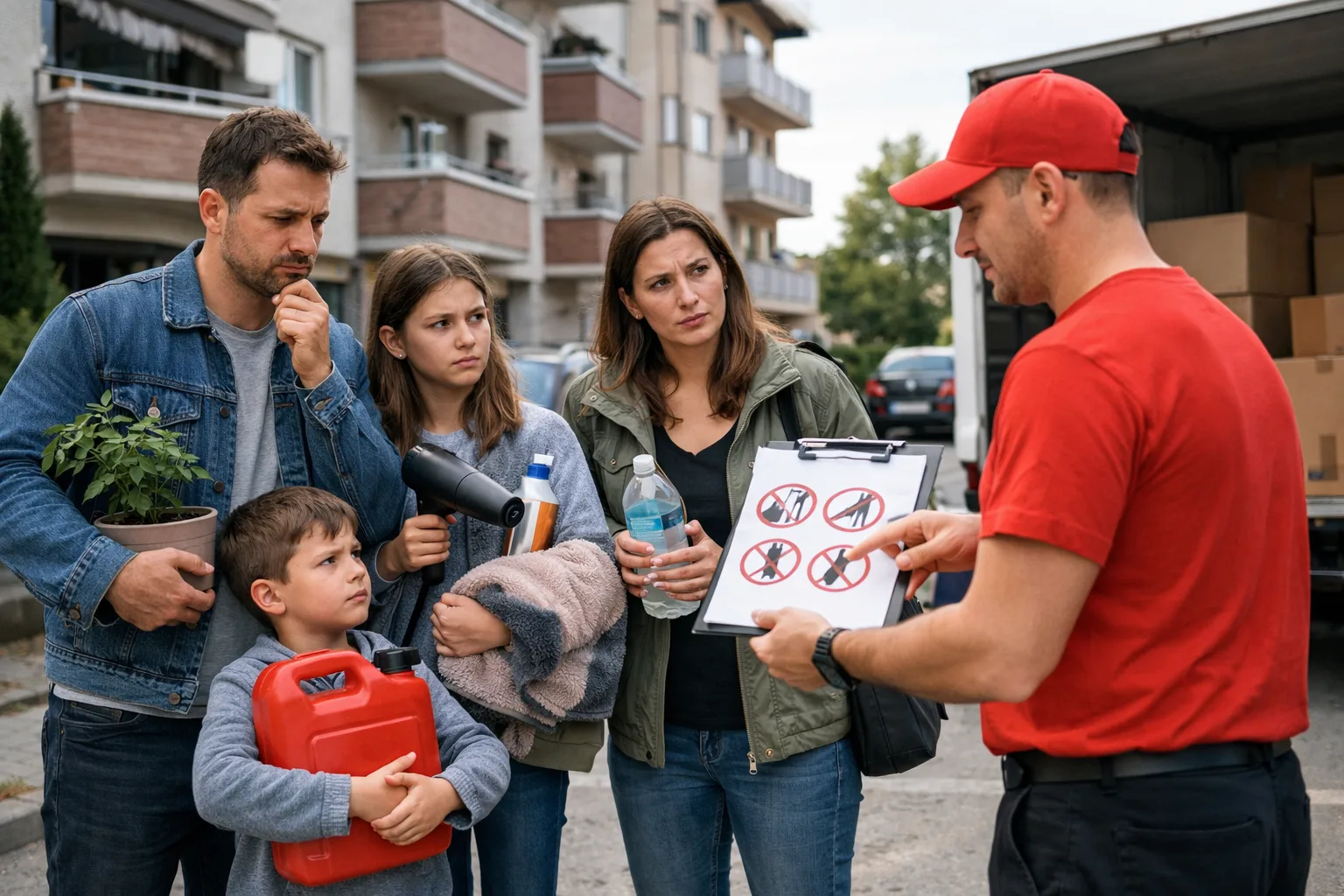
5 Items Professional Moving Companies Will Not Transport
We will respond to you as soon as possible.
Below we answer the most important questions related to choosing and wearing clothes during a move to further ease your preparation and make the process as pleasant and safe as possible.
Cotton is a good choice because it is natural and breathable, but it can absorb moisture and remain wet and heavy during strenuous work. That’s why cotton shirts with added elastane or sports shirts made of technical fabrics are often a better choice as they quickly absorb sweat and dry fast.
For climbing stairs, ideal footwear has a sturdy, non-slip sole and good ankle support. The shoe should be comfortable and fit well, and if possible, choose work shoes or sneakers designed for sports activities that include climbing and descending.
Although it’s warm, shorts are not recommended because they don’t protect your legs from scratches and cuts, which are common during moving. It’s better to choose lightweight, thin pants made of breathable material that protect your legs while remaining comfortable and airy.
The most important accessories are gloves to protect your hands, a cap or hat for sun or dust protection, and a waterproof jacket if there’s a chance of rain. These accessories significantly increase safety and comfort throughout the process.
Even if you’re not carrying items, comfortable and practical clothing that allows easy movement and protects against dust or dirt is recommended. Avoid clothing that can easily get damaged or restrict movement, as you will likely be involved in other activities during the move.
Yes, spare clothes are recommended because you can easily get dirty or wet during the move. Having a clean spare shirt and pants allows you to quickly change and continue working without discomfort.
In winter conditions, layering is important – thermal underwear, cotton or thermal shirts, a sweatshirt, and a waterproof jacket. Footwear should be warm, non-slip, and waterproof. Gloves and a hat are also essential for protection against cold and wind.