
Reasons to Hire a Professional Moving Agency
Reasons to Hire a Professional Moving Company

Enter at least 3 characters.
Over time, every home accumulates items that we no longer use or need. Such unnecessary belongings not only take up valuable space but can also complicate daily life and maintaining order. In this guide, we will thoroughly explain how to efficiently and permanently get rid of unwanted items using practical advice and a proven approach. Our goal is to help you free up space, reduce stress, and make better decisions about organizing your home. Additionally, decluttering can positively impact your mental health and increase your sense of control over your living environment. Through a systematic approach and simple steps, you can significantly improve your quality of life and create a more pleasant atmosphere for yourself and your household.
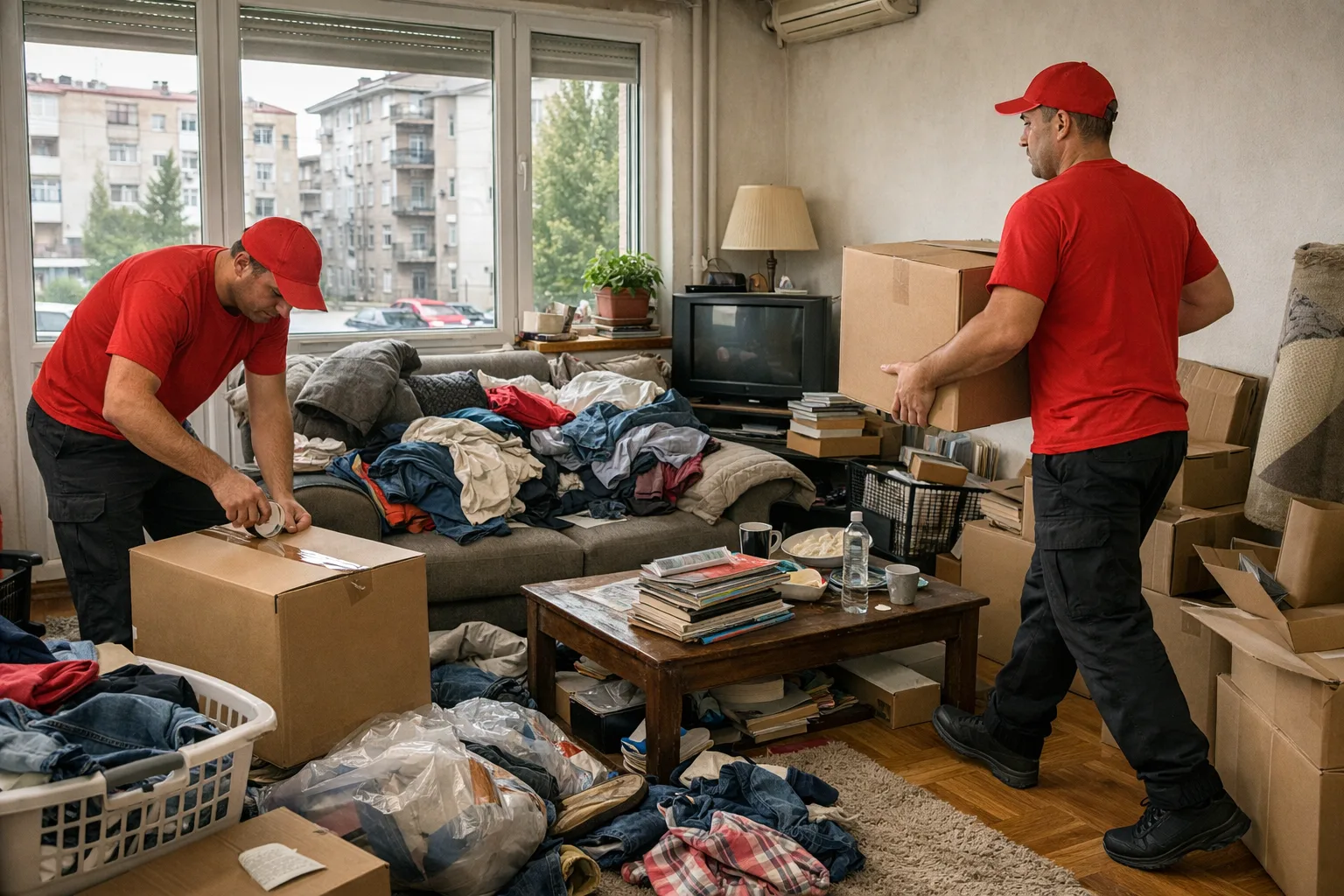
The first step in addressing the problem of excess belongings is an honest assessment of what you own. Go through each room and set aside items you rarely or never use. It is important to be truthful with yourself and not keep things out of habit or emotional attachment if they no longer serve you. To ease this process, it is recommended to take photos or make brief notes about the items during your review, which can help you make decisions later.
After identifying potentially unnecessary items, divide them into categories: donate, sell, recycle, discard, or archive. This categorization helps you clearly see what can be done with each item and simplifies the next steps. Also, consider whether some items might hold sentimental value for other family members or friends and involve them in the decision-making process.
It is also helpful to make a list of places in your home where unnecessary items tend to accumulate, such as drawers, closets, basements, or attics. Focusing on these problem areas allows you to address them more effectively and prevent further buildup of unwanted items. Regularly noting and monitoring these zones can help you identify patterns and better plan future cleaning efforts.
Organizing your space before beginning to sort items significantly simplifies the entire process. Prepare boxes or bags for each category, such as donation, sale, recycling, and trash. This way, as soon as you decide on an item, you can immediately place it in the appropriate container. It is advisable to clearly label the boxes and keep them easily accessible to ensure a smooth and uninterrupted process.
It is recommended to have a good work schedule during sorting — dedicate one day to one room or part of a room. This prevents fatigue and loss of focus, while visible results motivate you to continue. Also, taking breaks during the work can help you stay concentrated and make more thoughtful decisions.
Don’t forget to create space for the items you decide to keep. Organize them in a way that facilitates access and maintenance of order, using shelves, storage boxes, or drawers with dividers. This will help prevent the reaccumulation of unnecessary items. Also, consider using vertical space or multifunctional furniture that can further optimize the space in your home.
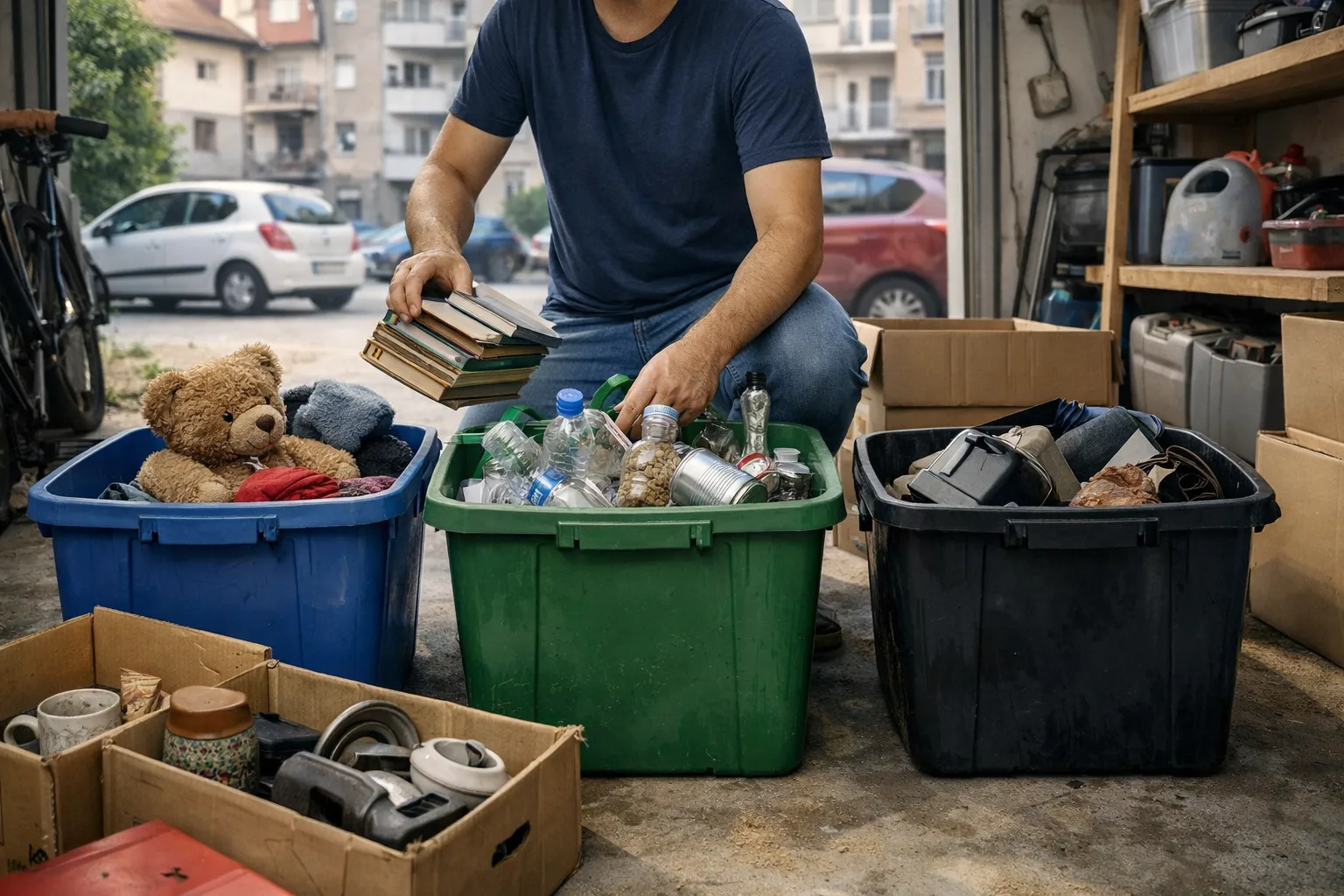
Be decisive when sorting and set clear rules. For example, if you haven't used an item for over a year, it's likely you don't need it. Exceptions may include seasonal or specialized items, but be realistic in your assessment. Also, consider whether the item has a replacement or is easily accessible if you need it in the future.
Use the "three boxes" method — one for items to keep, another for items to give away or sell, and a third for trash or recycling. This system simplifies decisions and speeds up the process. Additionally, you can use digital tools or apps to track items you plan to sell or donate, which can help with organization and monitoring.
As you sort, immediately remove boxes with items leaving the house. This prevents accidentally putting items back in their old place. Regularly monitor and update the selection process to stay motivated. Also, involving family members in this process can increase efficiency and reduce the chance of items returning.
Items in good condition can be sold through online platforms like KupujemProdajem or Limundo, as well as at local markets and flea markets. It's important to realistically price items and take quality photos to increase chances of sale. Also, detailed product descriptions and honesty about item condition can contribute to faster and more successful sales.
If you prefer not to sell, donating is an excellent option. There are charitable organizations, local communities, or friends to whom you can donate items. Before donating, ensure items are clean and functional so they can be useful to others. Inform yourself about the needs of local organizations to align donations with their requirements.
If you have larger quantities of items to donate or sell, consider organizing a garage sale or participating in community group actions. This way, you can free up space more efficiently and help others. Also, exchanging items with friends or within the community can be a fun and useful way to get rid of excess belongings.
Do not throw away items that can be recycled or reused. Separate paper, plastic, metal, glass, and electronic waste and dispose of them at designated locations or recycling centers. Inform yourself about local rules and schedules for recycling waste collection to ensure proper handling.
For larger or specific items like furniture or appliances, check if there is an option for donation or pickup by municipal services that organize bulky waste collection. Some cities offer on-demand pickup services for such waste, which can be very convenient.
Also, consider creative reuse of items; for example, old fabrics can become rags, and furniture parts can serve other functional purposes. If you have large pieces of furniture you cannot carry out yourself, you can hire a professional service for old furniture removal. This approach further reduces waste and contributes to sustainability. There are many online tutorials and workshops that can help find ideas for recycling and upcycling.
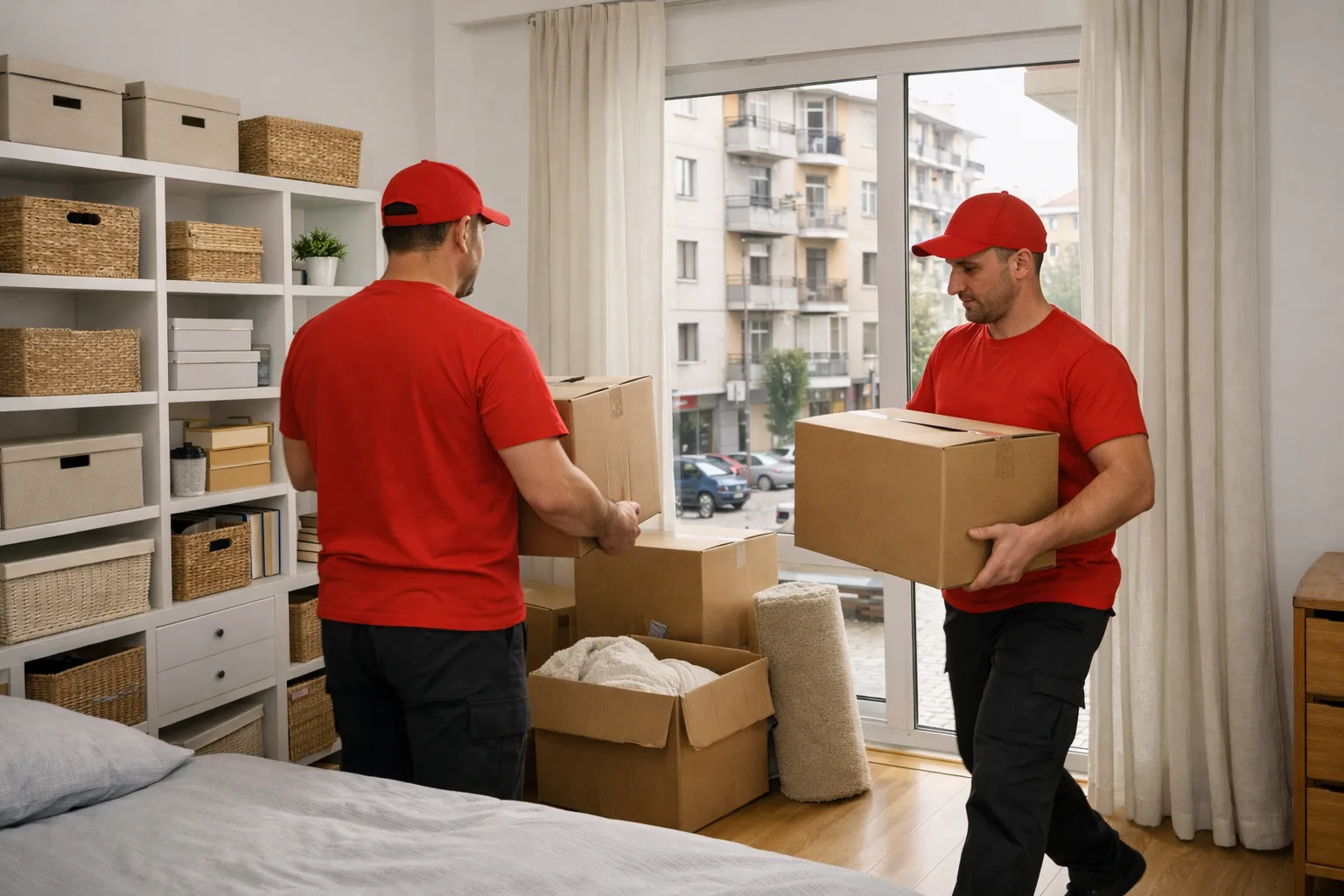
Emotional attachment often makes it difficult to decide to part with items. Try to focus on the current value and usefulness of the item, not just the memories associated with it. Talking with close people can help gain a different perspective and ease the process.
A good trick is to photograph the item before letting it go. This way, you preserve the memory without needing to keep the physical item that takes up space. You can also create a digital album with photos and brief descriptions of important items and memories.
If a particular item has too much emotional value, consider keeping it in a place where it won't disrupt order and functionality, such as a memory box or a shelf for precious items. Limiting space for such items can help maintain a balance between sentimentality and practicality.
After freeing up space, it's important to prevent the reaccumulation of unnecessary items. Introduce the rule 'one new item – one old item goes' to maintain balance. This rule can be especially useful when buying clothes, household appliances, or decorations.
Regularly review your space and select items you no longer use. This can be a monthly or quarterly ritual that helps you keep your home tidy. Involving the whole family in this process can further motivate and ease maintaining order.
Change your shopping habits: before buying something, ask yourself if you really need it. This approach reduces the chance of accumulating excess items again. Also, budgeting and making a list of necessary items before shopping can help control impulsive spending.
Letting go of unnecessary things brings a sense of lightness and control over your space and life. Less clutter reduces stress and increases productivity in daily activities. Additionally, an organized space can contribute to better mood and reduced anxiety.
An organized and tidy space contributes to better sleep, concentration, and overall sense of satisfaction. This is especially important nowadays when many people work from home. A well-arranged space can stimulate creativity and make it easier to focus on tasks.
Also, the process of selecting and deciding about items can be empowering and encourage a positive attitude towards ownership and consumption, which in the long run leads to a more sustainable and happier life. This process can boost self-confidence and encourage you to adopt other healthy habits in life.
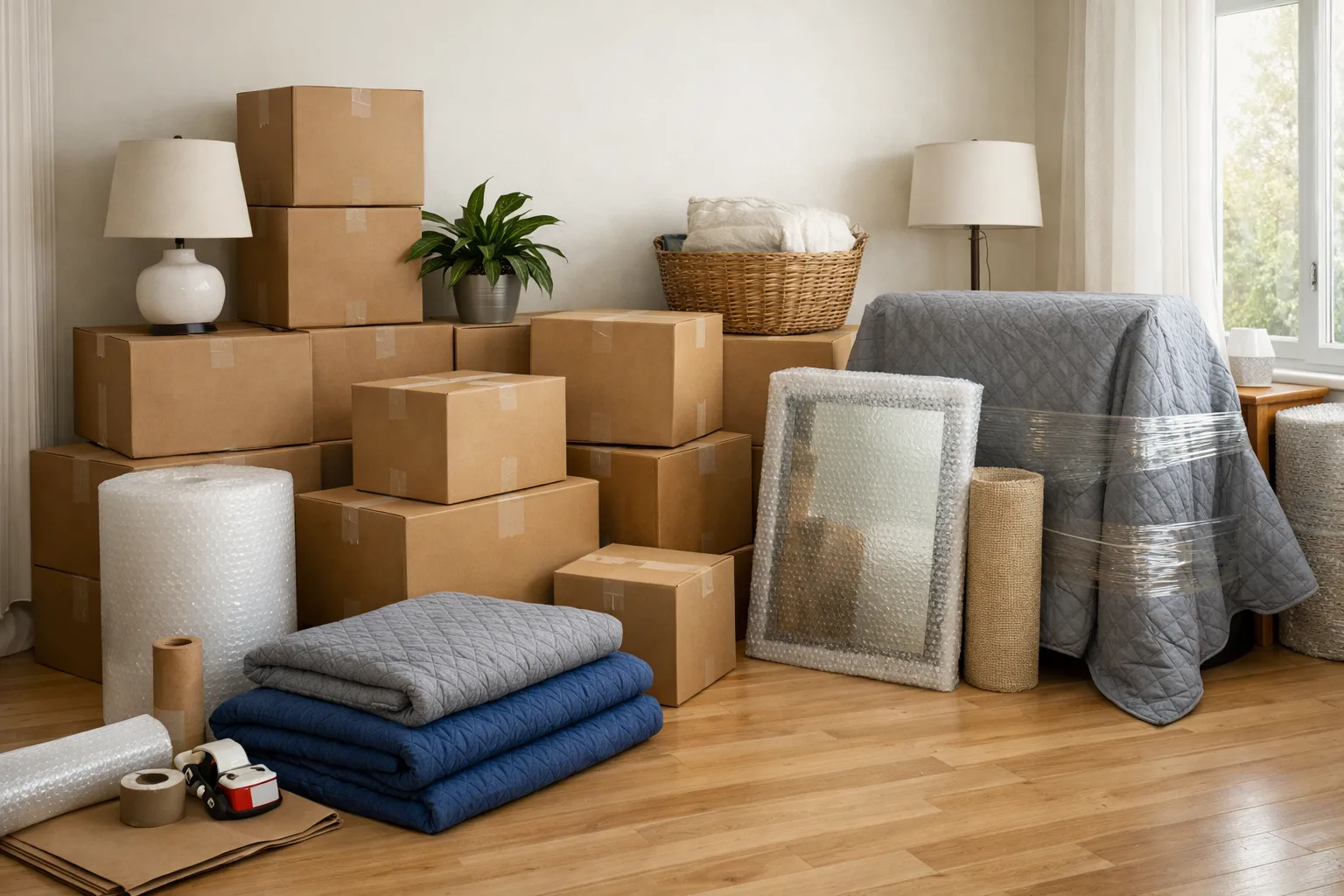
Reasons to Hire a Professional Moving Company
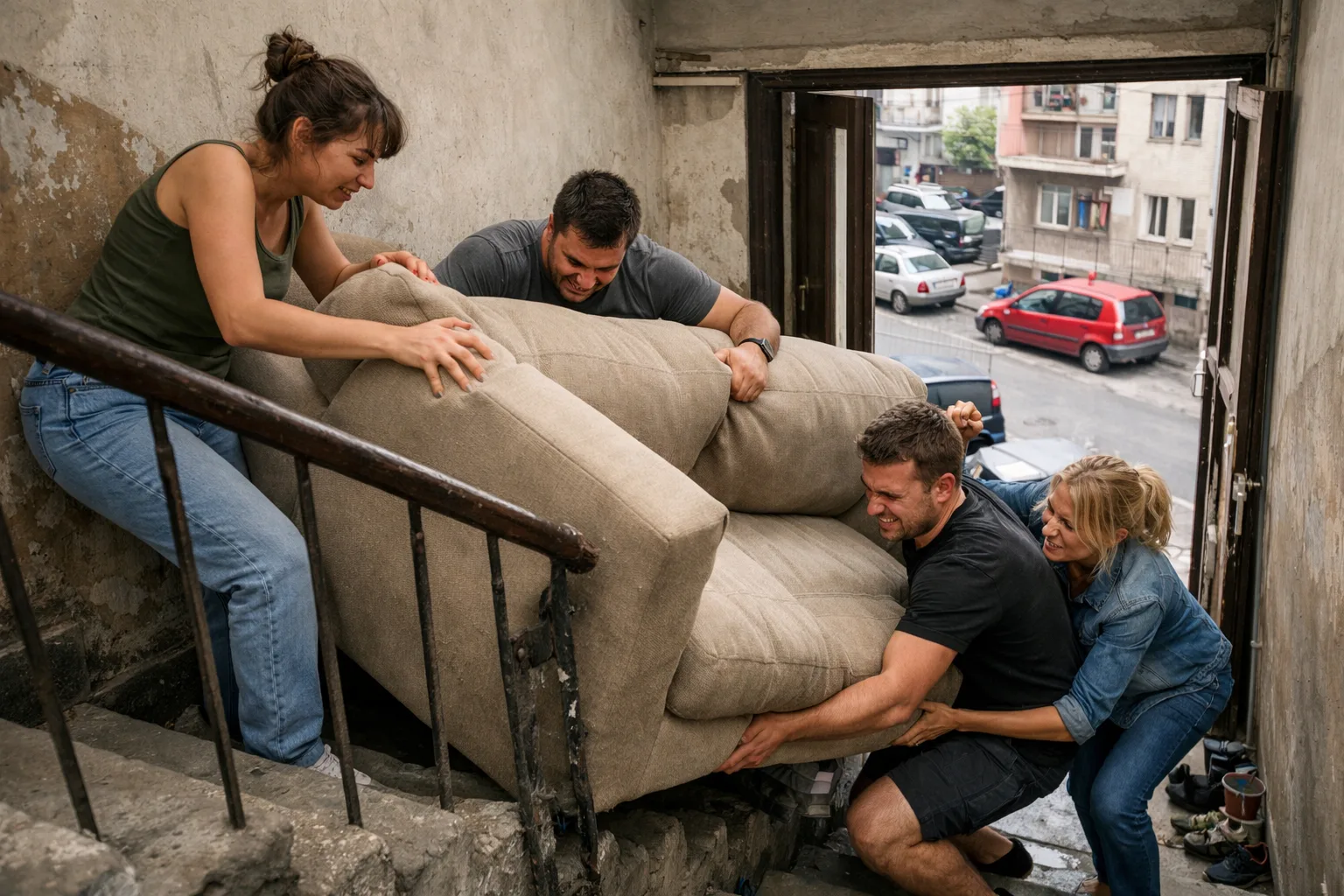
Moving with the Help of Friends or Professionals – Which to Choose?

5 Items Professional Moving Companies Will Not Transport
We will respond to you as soon as possible.
Below we answer the most common questions related to effectively resolving and disposing of surplus household items. These tips help you overcome specific obstacles and make better decisions.
The best criteria are functionality and frequency of use. If you haven't used an item for over a year and it has no special sentimental value, you probably don't need it. Focus on items that make your life easier and more enjoyable.
You can sell or donate such items. Online platforms, local charitable organizations, or friends often look for used items. It is important that they are clean and functional to be useful to others.
Try to think about the positive impact you have by freeing up space and helping others if you donate items. Taking photos of items before discarding them can help preserve the memory, not the object.
Electronic waste should be disposed of at specialized recycling centers or collection points organized by local municipalities. Never throw electronic waste in regular trash due to harmful substances.
It is recommended to review and sort unused items at least once every six months to prevent accumulation and maintain a tidy space.
Involve them in the process by setting goals and rules together, for example, the rule 'one new item – one old item goes.' Organize joint activities that can also be fun, like a garage sale.
Break the process into smaller steps and work a little each day or weekend. Even ten minutes a day can make a difference. Also, focus first on the most critical areas where things accumulate the most.