
Tips for moving in Belgrade
How to reduce moving costs in Belgrade?
How to reduce moving costs in Belgrade?

Enter at least 3 characters.
Moving from Germany to Belgrade is a significant life step that brings numerous changes in daily life, culture, and environment. This transition can be challenging as it involves adjusting to new conditions, a different pace of life, and new social norms. However, with the right approach and useful advice, the adaptation process can be much easier and more enjoyable. In this guide, we will provide you with detailed information and practical steps to help you quickly integrate into the Belgrade lifestyle, build a new routine, and enjoy this exciting chapter of your life. Whether you are coming for work, studies, or personal reasons, learn how to adapt effectively and take full advantage of what Belgrade has to offer.
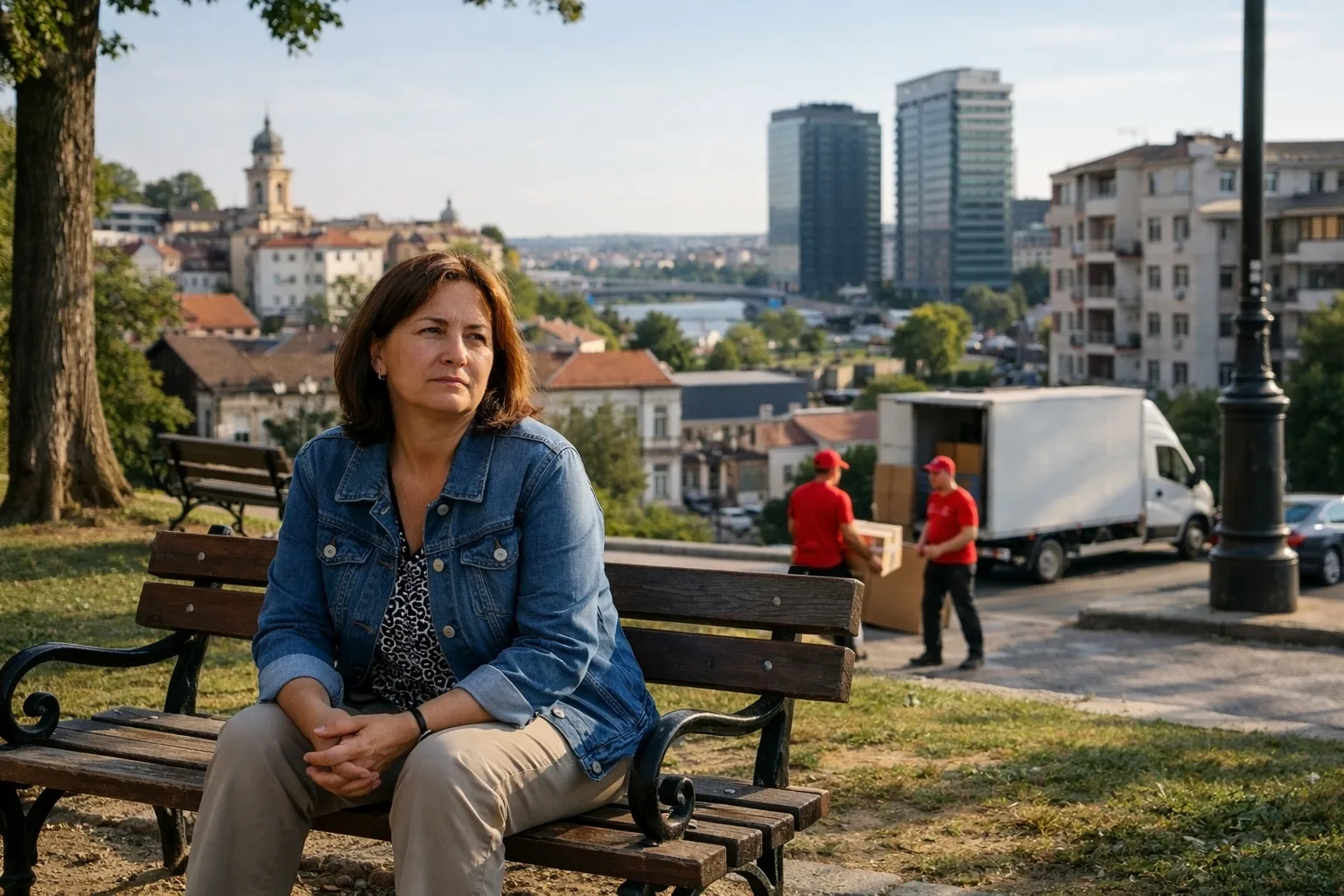
The first step in adaptation is getting to know the cultural differences between Germany and Serbia. While Germany is characterized by more formal communication and precision, people in Serbia are often more spontaneous and friendly in everyday interactions. This change can be surprising, but it is important to be open and accept different customs and behaviors. For example, in Serbia, conversations are usually more emotional and expressive, which may seem intense to those accustomed to German reserve.
In Serbia, it is common for people to be hospitable and quickly establish informal relationships, which can be refreshing after German reserve. Adaptation also involves adjusting to the pace of life, where Belgrade often has a more dynamic social life but also more noise and crowds compared to many German cities. It is important to learn how to cope with these changes, for example, by finding quiet areas in the city or establishing a personal routine that helps you relax.
Additionally, rules and procedures can be more flexible, requiring patience and adjustment. Getting familiar with local customs, such as holidays, ways of conducting conversations, and showing respect, will help you build contacts faster and feel accepted. For example, in Serbia, it is customary to shake hands when meeting and to use titles and surnames until a closer relationship is established. Understanding these nuances contributes to better communication and reduces the possibility of misunderstandings.
After moving from Germany to Serbia, finding adequate accommodation is crucial for comfortable adaptation. Belgrade offers various options, from apartments in the city center to houses in suburban neighborhoods, so it is important to choose a location that suits your lifestyle and needs. Consider proximity to your workplace, schools, as well as access to amenities like shops, parks, and healthcare facilities.
It is advisable to research parts of the city that are well connected by public transport and close to your workplace or school. For example, neighborhoods such as Vračar, Novi Beograd, and Dorćol are popular among newcomers due to good infrastructure and amenities. Also, pay attention to safety and quality of life in certain districts, as this can significantly affect your daily life.
Also, pay attention to rental conditions, utility costs, and parking availability. Engaging reputable real estate agencies can greatly simplify the process, and talking to neighbors immediately after moving in can provide useful information about the local community. Before signing a contract, check all details, including lease duration, deposit, and maintenance responsibilities, to avoid unpleasant surprises.

Upon arrival, you need to get acquainted with administrative obligations such as residence registration, obtaining personal documents, and health insurance. These procedures differ from those in Germany, so it is helpful to have accurate information and documentation. Prepare all necessary paperwork in advance to avoid delays and complications.
Residence registration in Serbia is mandatory and is done at the local municipality. You need to have a lease agreement or proof of apartment ownership, as well as a personal document from Germany confirming your identity and citizenship. This step is important for accessing public services and may be a prerequisite for opening a bank account or enrolling children in school.
It is also important to register for health insurance with the Republic Health Insurance Fund (RFZO). If you had health insurance in Germany, check the possibilities for transferring or terminating the insurance. Familiarize yourself with tax obligations to avoid unpleasant surprises. Consulting a tax advisor can help you understand your rights and responsibilities in the new country, especially if you plan to work or start a business in Serbia.
Friends and acquaintances are an important part of successful adaptation. After moving from Germany, you may feel lonely if you lack social support, so actively building a network is crucial. Getting involved in communities and activities that interest you will help you connect with people and make new friends.
Joining local communities, hobbies, sports clubs, or cultural events can help you meet people with similar interests. There are also numerous international clubs and groups for newcomers where you can exchange experiences and receive support. Regular attendance at these events increases your chances of establishing quality connections and a sense of belonging.
Social networks and platforms like Facebook groups for newcomers in Belgrade can be helpful in finding events and contacts. Don’t hesitate to ask for help and advice from people who have gone through the same process. You can also get involved in volunteer activities or professional networks that will help you integrate better and develop your skills.
Although many Belgraders speak English or German, knowing Serbian significantly eases daily life and integration. Learning the language can be challenging, but there are effective ways to master it. Setting realistic goals and regular practice are key to success.
Enrolling in a Serbian language course for foreigners or taking individual lessons can help you quickly grasp the basics. Also, daily practice through conversations with neighbors, shopping, and using public services is invaluable. Try listening to local radio stations or watching TV shows to get used to pronunciation and intonation.
Use digital tools, language learning apps, and watch local media to familiarize yourself with the language in different contexts. Patience and persistence are essential, as language learning is a process that takes time. Also, don’t be afraid to make mistakes – they are an integral part of learning and the best way to improve.

The work environment in Serbia may differ from Germany, especially regarding hierarchy, communication, and labor rights. It is important to be prepared for these differences to adapt successfully. Observe and learn from colleagues how business customs and team dynamics function.
In Serbia, communication with colleagues and management is often less formal, but respect for authority remains important. Understanding local business customs, such as ways of scheduling meetings and conducting negotiations, can give you an advantage. For example, meetings may start with informal conversation, which is part of building relationships and trust.
Also, familiarize yourself with workers’ rights and obligations in Serbia. If you are unsure about formalities, consult a lawyer or union. Flexibility and adapting to the new workplace culture will help you fit in and progress. Be prepared for different working hours and possible changes in work organization compared to German standards.
Although you have relocated, maintaining contacts in Germany can be an important emotional and professional resource. Regular conversations and visits help preserve your support network and business opportunities. These connections can also be useful for exchanging information and advice related to career or personal development.
Experience gained in Germany can significantly contribute to your professional development in Serbia. Utilize knowledge about organization, discipline, and technologies to improve your work and contribute to your new team. Show initiative and readiness to apply best practices from abroad, which can be your competitive advantage.
Additionally, getting involved in bilateral companies or associations connecting Serbia and Germany can open new career and social opportunities. Remember that sometimes balancing between two cultures can be your greatest strength. Use your international experience as a bridge between the two environments.
Moving brings stress and emotional challenges, so it is important to take care of your mental health. Changing environments, being away from family and friends can cause sadness, anxiety, or feelings of isolation. Recognizing these symptoms and responding promptly can significantly improve quality of life.
Practicing relaxation techniques such as meditation, physical activity, or hobbies can ease adjustment. Also, talking with friends, family members, or professionals can help overcome difficulties. Joining support groups or communities with similar experiences can provide additional strength and motivation.
If you notice that coping with changes is difficult, do not hesitate to seek help from a psychologist or counselor. In Belgrade, there are various mental health centers offering support in Serbian and English. It is important to know that you are not alone in this process and that seeking help is a sign of strength, not weakness.
How to reduce moving costs in Belgrade?
How to organize a quick move in Belgrade?
What is the fastest way to move in Belgrade?
Moving to the center of Belgrade - how to do it quickly and easily?
We will respond to you as soon as possible.
Below we answer the most common concerns of people who have moved from Germany to Belgrade and want to adapt as well as possible to their new environment.
Adaptation varies from person to person, but on average it can take from several months up to a year. It is important to be patient and actively work on getting to know the new environment, language, and social networks.
The most important steps are registering residence at the local municipality, obtaining or updating personal documents, and registering for health insurance with the RFZO. It is also necessary to familiarize yourself with tax obligations and possible social protection rights.
It is recommended to leverage your work experience from Germany and your network of contacts. Applying on local job portals, participating in business events, and networking with people in your field can significantly increase your chances of employment.
Knowing Serbian greatly facilitates communication and integration, but in larger cities like Belgrade many people speak English or German. However, learning Serbian is advised as it will give you greater independence and the possibility to establish deeper social connections.
Regular video calls, social networks, and joint visits are useful ways to maintain contact. Also, engaging in activities that fulfill you in Belgrade can help balance between your new life and ties to your homeland.
Feelings of loneliness, anxiety due to changes, and stress from adapting often occur. It is important to recognize these symptoms and seek support through conversation, hobbies, or professional help if needed.
Yes, there are specialized companies that offer international moving services, including packing, transportation, and customs procedures. Hiring such professionals can significantly reduce stress and complications during the move.