
Reasons to Hire a Professional Moving Agency
Reasons to Hire a Professional Moving Company

Enter at least 3 characters.
Moving is one of the most challenging life events that requires detailed preparation and organization. We often face numerous tasks, from packing belongings to coordinating with the moving company, which can lead to forgetting important details. While focusing on major tasks like transporting furniture and arranging rooms, small, seemingly insignificant items can cause significant problems. This guide is designed to help you avoid the most common mistakes and forgotten items during your move, ensuring the entire process goes smoothly without extra stress or inconvenience. With careful planning and a few helpful tips, moving can become a much simpler and more pleasant experience. Additionally, making sure every little thing is in its place can save you time and money, as well as prevent unnecessary frustrations. Preparation and organization are key factors that will allow you to focus on the positive aspects of relocating and quickly adapt to your new space.
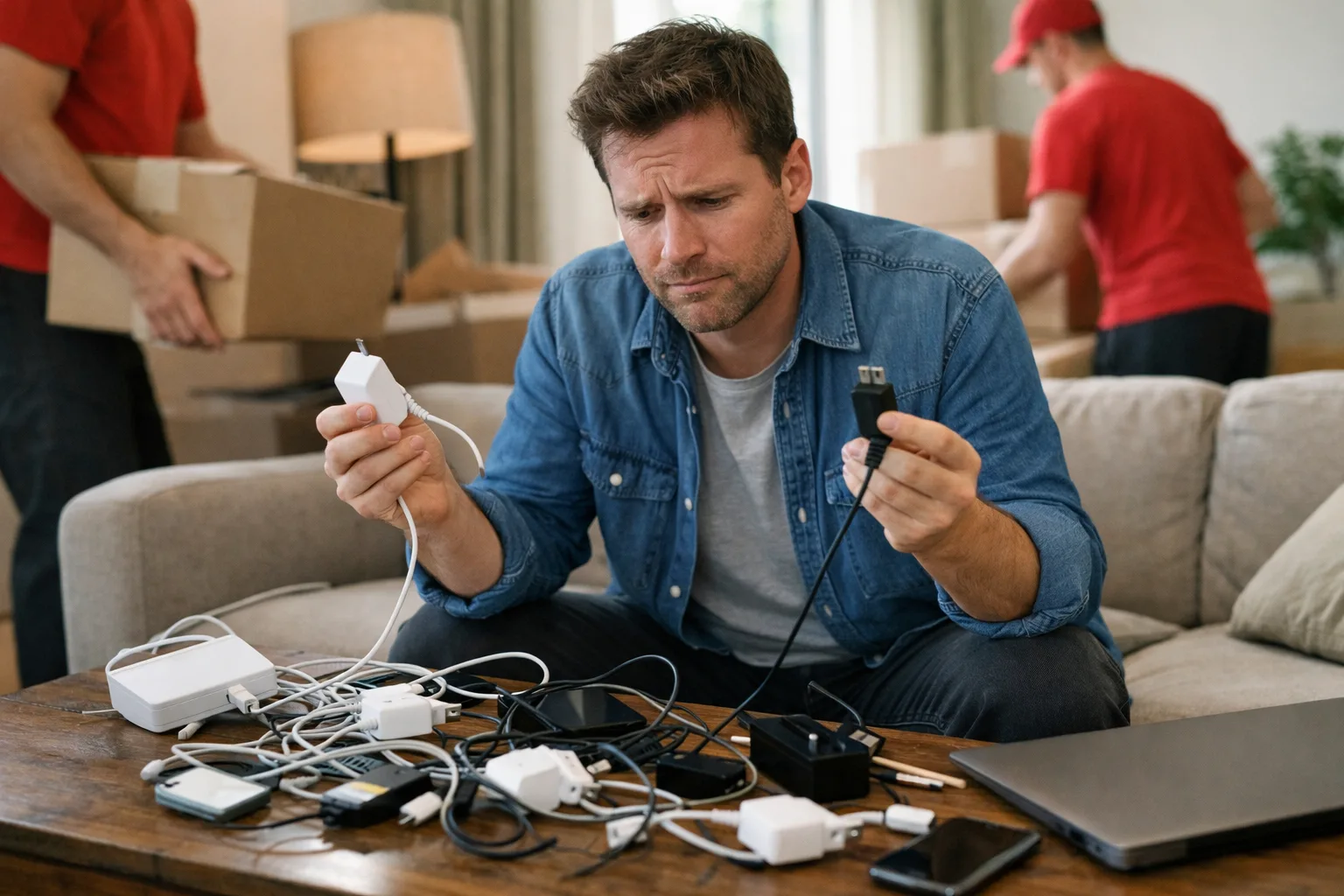
Chargers for phones, laptops, tablets, and other electronic devices are often scattered across different rooms, making them easy to forget during packing. Without them, communication can be interrupted and access to important information hindered immediately upon arrival at your new home. Even if you have spare chargers, they are often incompatible or not at hand when most needed.
To avoid this inconvenience, it is recommended to make a detailed list of all chargers and adapters you own before moving. Gather them in one place and pack them in a clearly labeled bag or box. Also, labeling cables can help you quickly identify them, especially if you have multiple devices of the same brand or model.
Additionally, if you are moving abroad or to a region with different electrical standards, check the compatibility of power adapters. Purchasing appropriate adapters in advance can prevent inconveniences and allow you to use your devices immediately without waiting or extra costs.
Another useful practice is to leave the chargers you use daily in a visible place during the last days before moving. This way, you will have them at hand and avoid situations where they remain in distant boxes or rooms packed later.
Also, if you have devices with specific chargers, such as cameras or wireless headphones, be sure to pack them together with the devices so you can easily find them and avoid loss or mixing with other cables.
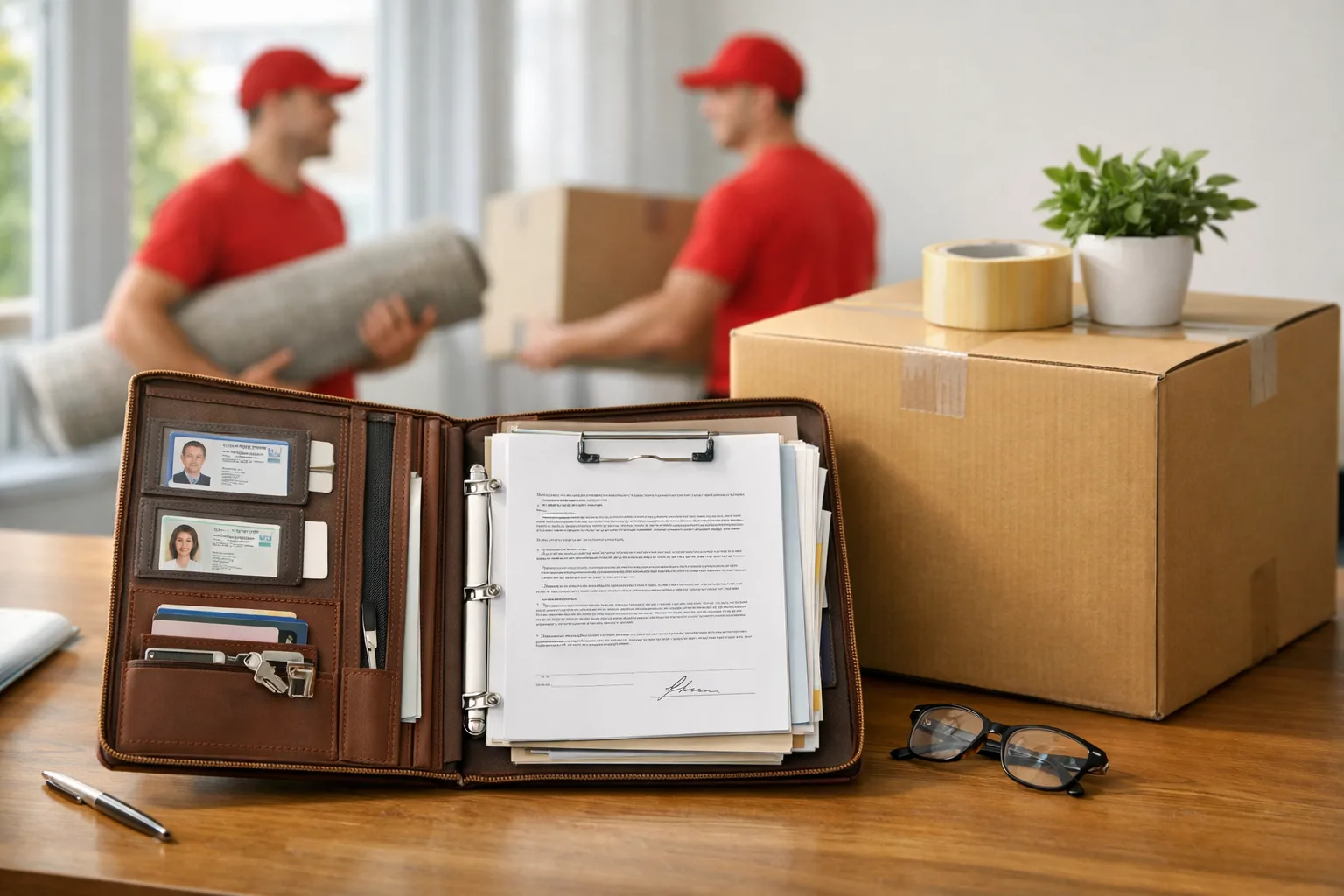
Important documents such as ID cards, passports, lease or ownership contracts, as well as papers related to the moving company, are often packed last in boxes but can easily be forgotten or even lost during transport. Losing these documents can cause significant problems and additional stress.
The best practice is to keep all important documents in a separate folder or bag that you carry with you throughout the entire moving process. This folder should be easily accessible and well-organized so you can quickly find the necessary papers at any time.
Also, make digital copies of all important documents and store them in a secure place, such as cloud services or external drives. This is useful in case the original documents are damaged or lost during the move, as it allows for quick and easy recovery or access to information.
Additionally, it is recommended to label the document folder as "important" or "urgent" to clearly indicate to yourself and others that it should not be packed into transport boxes or left in unsafe places.
If you have children or pets, keep their important papers, such as health booklets or pet passports, together with your documents so that everything is in one place.
Forgetting keys can lead to major inconveniences, especially if immediate access to a new apartment or house is needed. Spare sets of keys for the old and new home are often overlooked, which can further complicate situations in emergencies.
It is recommended to always keep keys in a safe and visible place during packing and moving. Use a small box or pouch labeled "keys" and be sure to carry it with you to avoid keys ending up in boxes being loaded or getting lost during transport.
Also, it is important to coordinate with family members or friends about where the spare keys are kept. This coordination allows for quick response if needed and saves time and stress, especially if you are moving to a new place where you are not familiar with the surroundings.
Additionally, it is advisable to make at least two spare sets of keys and keep them in different secure locations, for example with trusted neighbors or relatives, so you always have access in case of loss or forgetfulness.
If you are changing the lock in the new apartment, be sure to obtain new keys before moving in and check that all family members have access. This is an important step for security and a peaceful start in your new home.
Medications you regularly use, as well as basic hygiene products, are often forgotten among piles of boxes, which can make starting life in a new space difficult. In the stress of moving, access to a pharmacy or store may not be immediately possible, so it is important to prepare necessary items in advance.
It is recommended to prepare a separate bag before the move with all the medications you use, including emergency ones, as well as basic hygiene products such as soap, toothbrush and toothpaste, towels, deodorant, and similar items. Carry this bag with you and do not pack it in boxes being loaded so it is immediately accessible upon arrival.
Also, check the expiration dates of medications and, if necessary, obtain new ones before moving. Planning ahead can save you many inconveniences and help you quickly adapt to the new environment.
It is important to have basic medical supplies in the first days’ bag as well, such as band-aids, antiseptic, pain relievers, and dressing materials, since minor accidents can happen at any time during or after the move.
Don’t forget to inform your doctor about the move and, if necessary, request a referral to a new pharmacy or healthcare facility near your new address.
During moving day, due to numerous tasks and physical exertion, it is easy to forget basic needs such as food and drink. Lack of energy can further increase stress and make the entire process more difficult.
It is recommended to prepare a reserve supply of water and light snacks such as nuts, fresh fruit, sandwiches, or energy bars. Keep these items in an easily accessible place during the move so you can refresh yourself at any time.
If you hire a professional moving team, consider providing them with refreshments and light meals. This will not only ease their work but also maintain a good atmosphere and efficiency throughout the demanding day.
Also, plan your meals in advance and avoid heavy foods that may cause discomfort or fatigue during the move. Hydration is key, so besides water, you can prepare natural juices or teas for extra energy.
If the move lasts longer than one day, consider organizing meals for the following days to avoid additional stress and unplanned expenses.
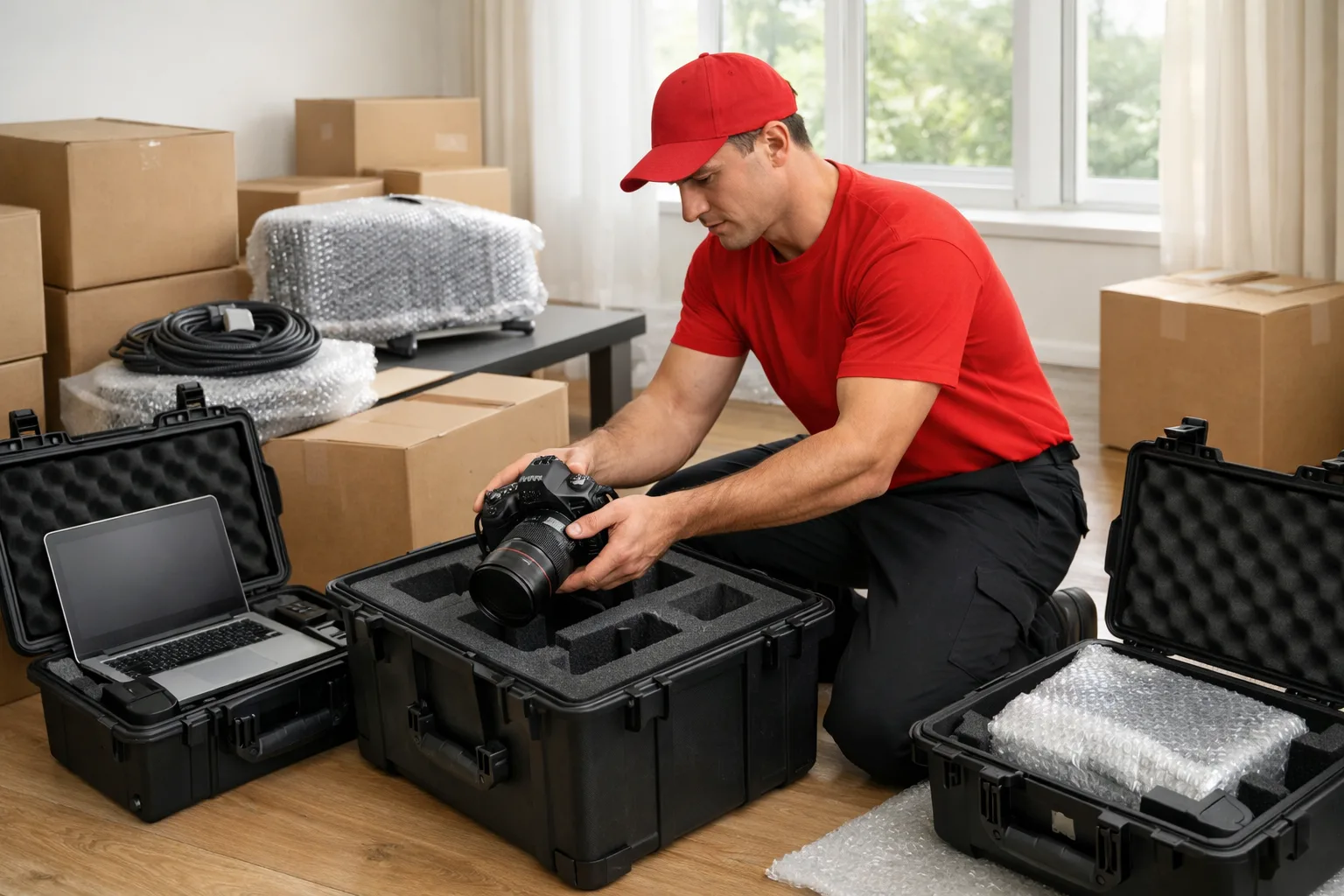
Electronic devices such as TVs, computers, audio equipment, and household appliances require special attention when packing. Inadequate protection can lead to damage, which can be costly to repair or replace.
Use original packaging if you have it, as it is designed to provide the best protection. If unavailable, obtain specialized moving boxes and protective materials like styrofoam, bubble wrap, or thick blankets. Make sure the devices are securely fixed and cannot move inside the packaging.
When loading, mark boxes containing electronic equipment as fragile and ensure they are placed in a stable spot in the vehicle, away from heavy items that could damage them. Also, keep an inventory of each box's contents for easier unpacking and control.
Before packing the devices, unplug them and remove all accessories such as cables, remote controls, and antennas. Pack these accessories together with the devices in separate small boxes or bags that you will clearly label.
After arriving at your new home, check the condition of the devices before plugging them in. If you notice any irregularities, consult a professional to prevent further damage.
Before moving, it is essential to plan what to do with the food in your refrigerator and freezer. Improper handling can lead to food spoilage, which represents additional costs and inconvenience.
Ideally, start using perishable foods several days before the move and plan meals to consume as much food as possible. Long-lasting or canned foods can be packed and taken with you.
If you need to move the refrigerator with food inside, be sure to defrost and clean it the day before the move to avoid leaks and unpleasant odors. Pack the food in airtight bags or boxes and keep them in the cool part of the vehicle during transport to keep them fresh as long as possible.
It is also recommended to leave the refrigerator door open for several hours after defrosting before the move to allow it to dry completely, preventing mold growth and unpleasant odors in the new space.
When packing food, label the boxes so you can immediately recognize them and quickly unpack and place them in the appropriate spot in your new home.
During and immediately after the move, it is often necessary to react quickly and perform minor repairs or furniture assembly. Forgotten tools can significantly complicate these tasks and prolong the adaptation time in the new space.
Pack a basic set of tools, such as screwdrivers, pliers, a hammer, measuring tape, and glue, in a separate box or bag that you carry with you. This will allow you immediate access to the necessary equipment without searching through piles of boxes.
Do not leave tools in boxes that are at the bottom or far from the place where you will stay first. Organizing this segment can save you time, reduce stress, and allow you to quickly resolve any technical challenges that arise during the first days in your new home.
Also, if you have specialized tools for furniture assembly or repairs, be sure to pack them together with the basic set so you don’t have to look for them later.
Consider acquiring a small emergency repair kit that you can keep in an easily accessible place in your new home, which will help you respond quickly to unexpected situations.

Reasons to Hire a Professional Moving Company

Moving with the Help of Friends or Professionals – Which to Choose?

5 Items Professional Moving Companies Will Not Transport
We will respond to you as soon as possible.
Below we answer the most common doubts related to forgotten items and organization during moving. These tips will help you plan even better and avoid the most common mistakes.
Make a list of all devices and their chargers before packing. Gather them in one place and use a special box or bag with a label. Also, leave a few spare chargers if possible.
If you have already packed important documents, try to retrieve them before loading. If that’s not possible, be sure to make digital copies and check with the moving company where the boxes with those documents are located.
Each family member should have their own set of keys. Keep spare keys with a trusted person or in a secure place. Use a box or bag labeled "keys" that you carry with you throughout the entire move.
Always carry medicines and basic hygiene products with you, not in boxes. This allows quick access and prevents loss or damage during transport.
Defrost the refrigerator in time and clean it. Pack food in airtight bags or boxes and ensure a cold space during transport. Consume perishable items before moving if possible.
Pack tools at the last moment and carry them with you. If you forget, check if there is a store near the new location or ask friends for help while you get new tools.
Use stickers labeled "Fragile" or mark boxes with a bright marker. Write the contents and warning in multiple places on the box so everyone handling packing and transport is aware of the caution needed.